Injunctive Relief For Trademark In Phoenix
Description

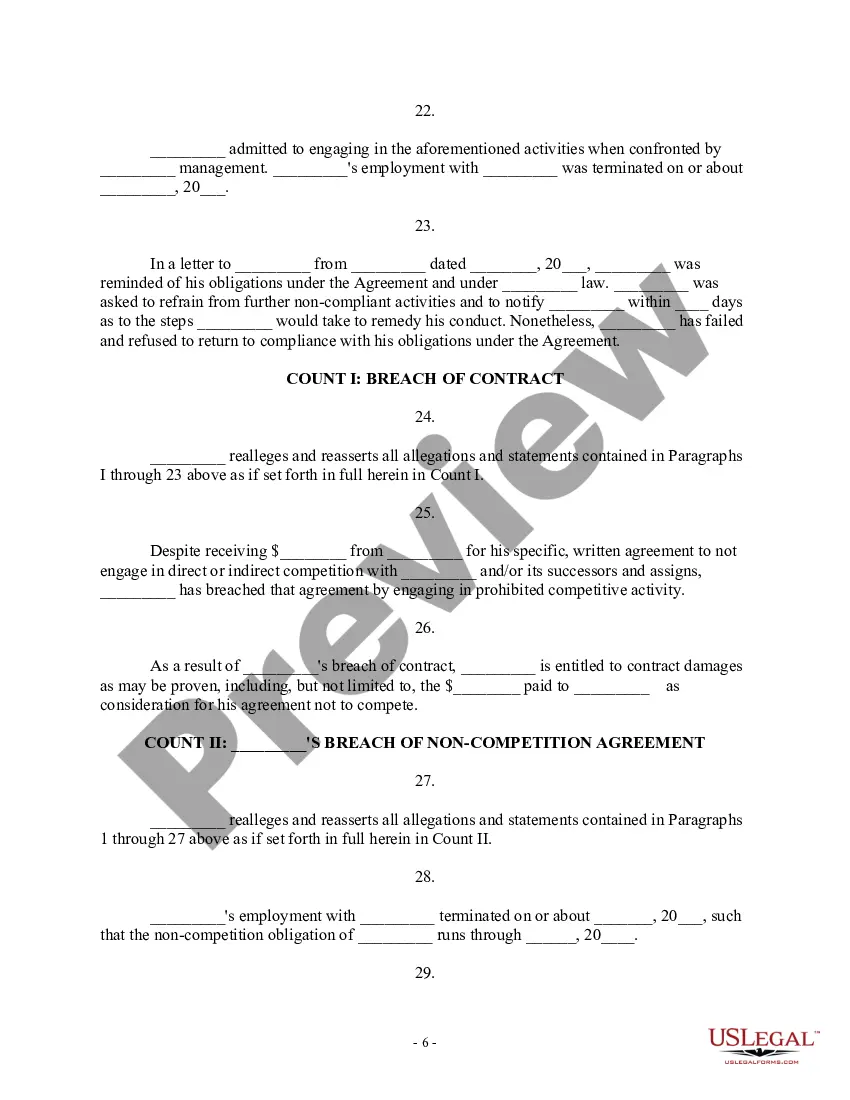
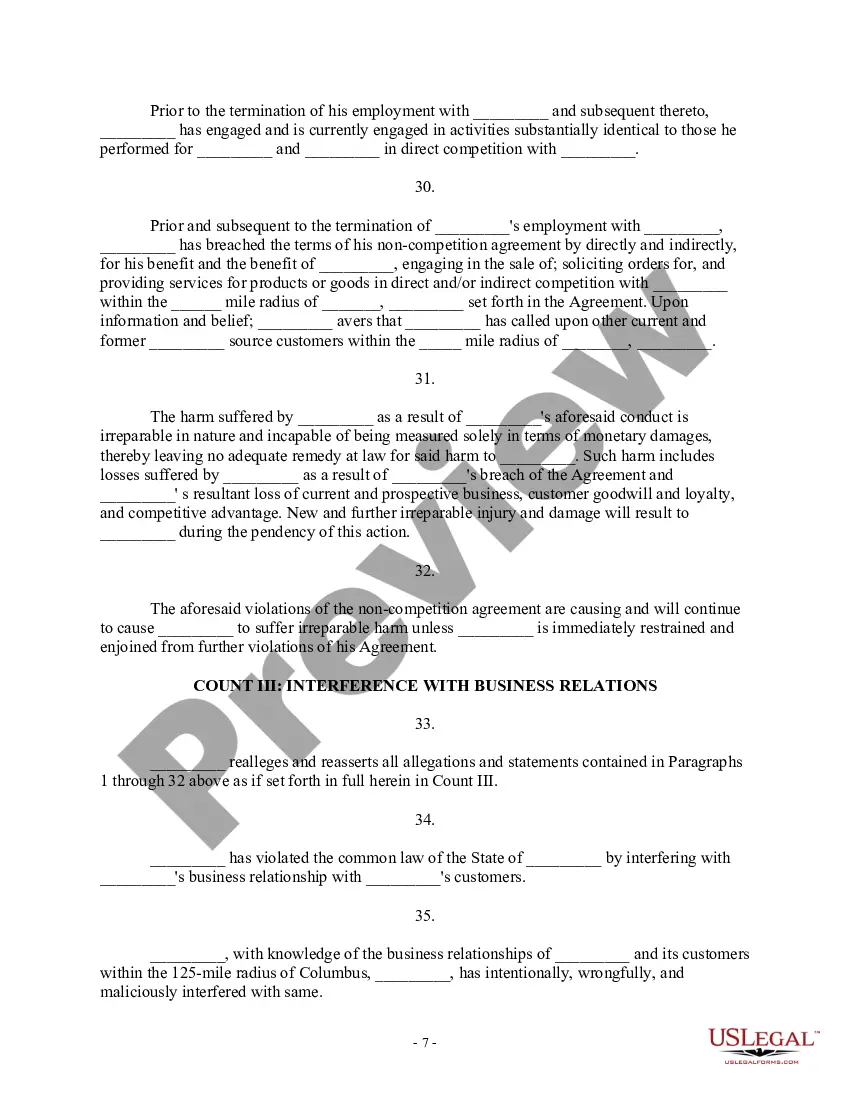
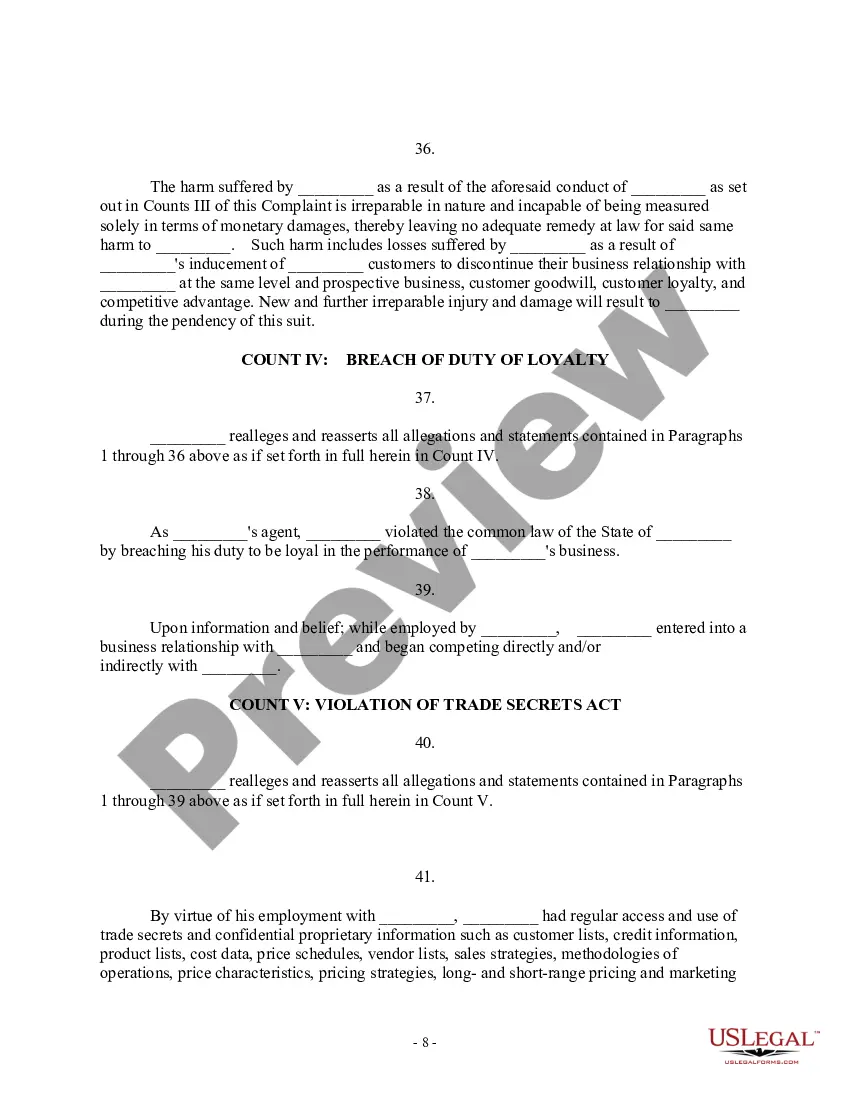
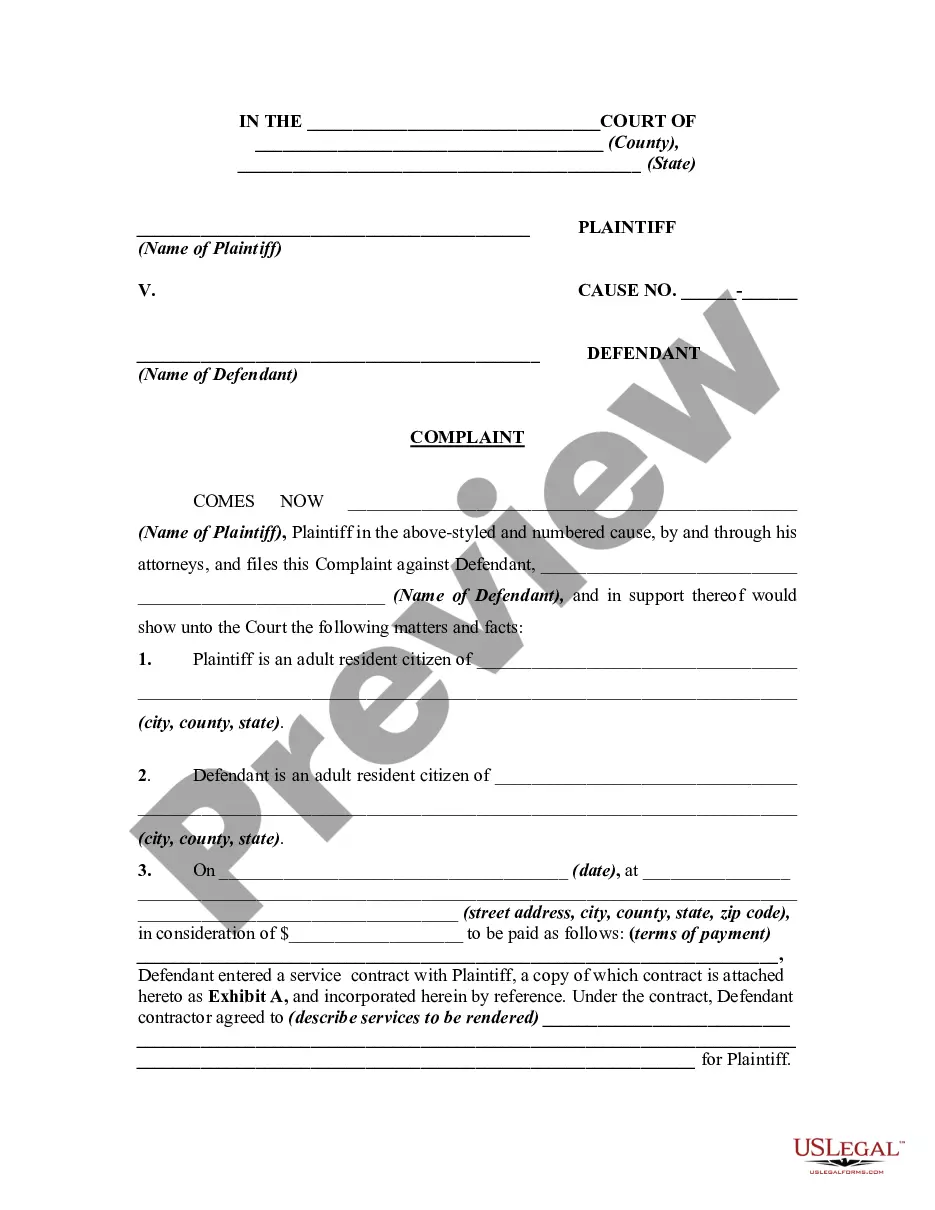
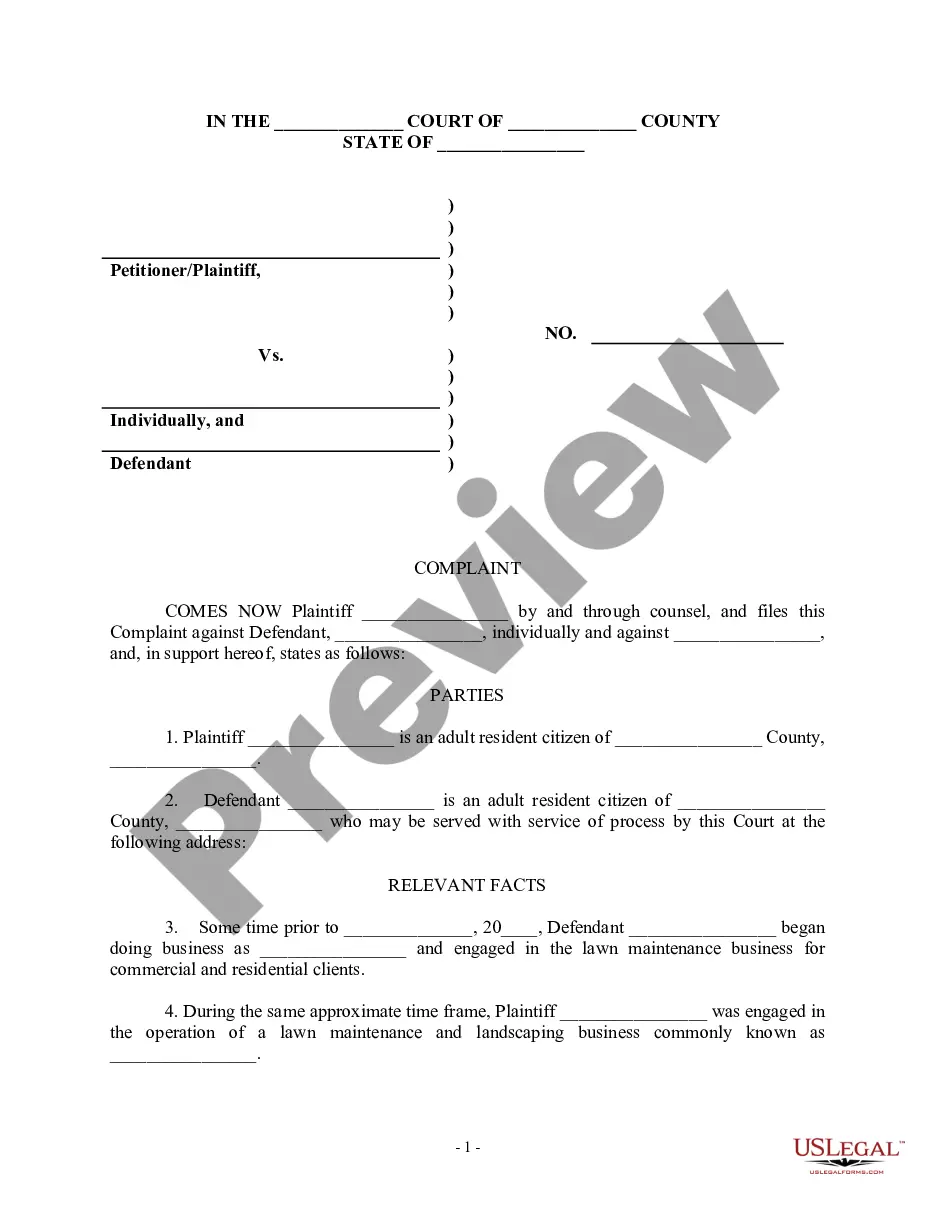
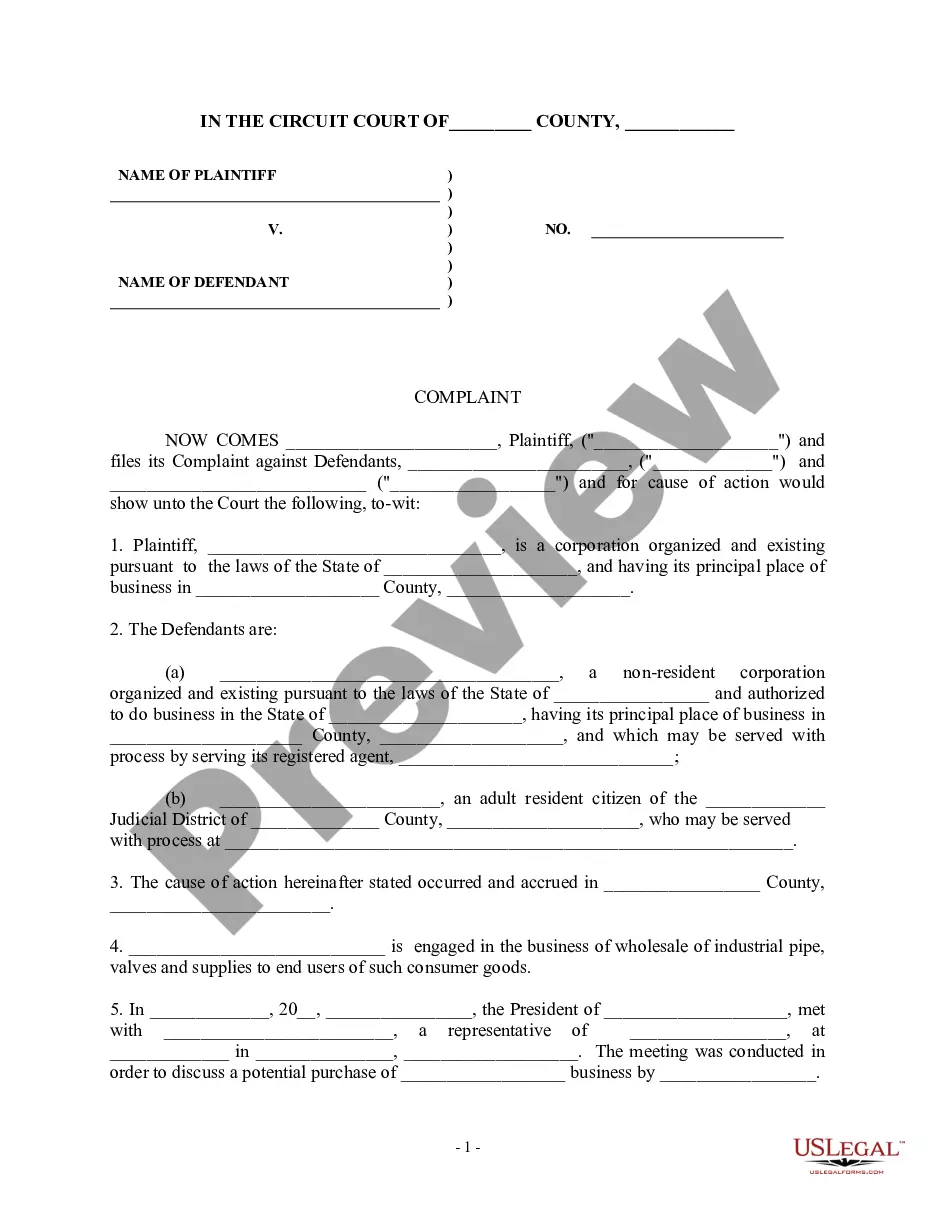

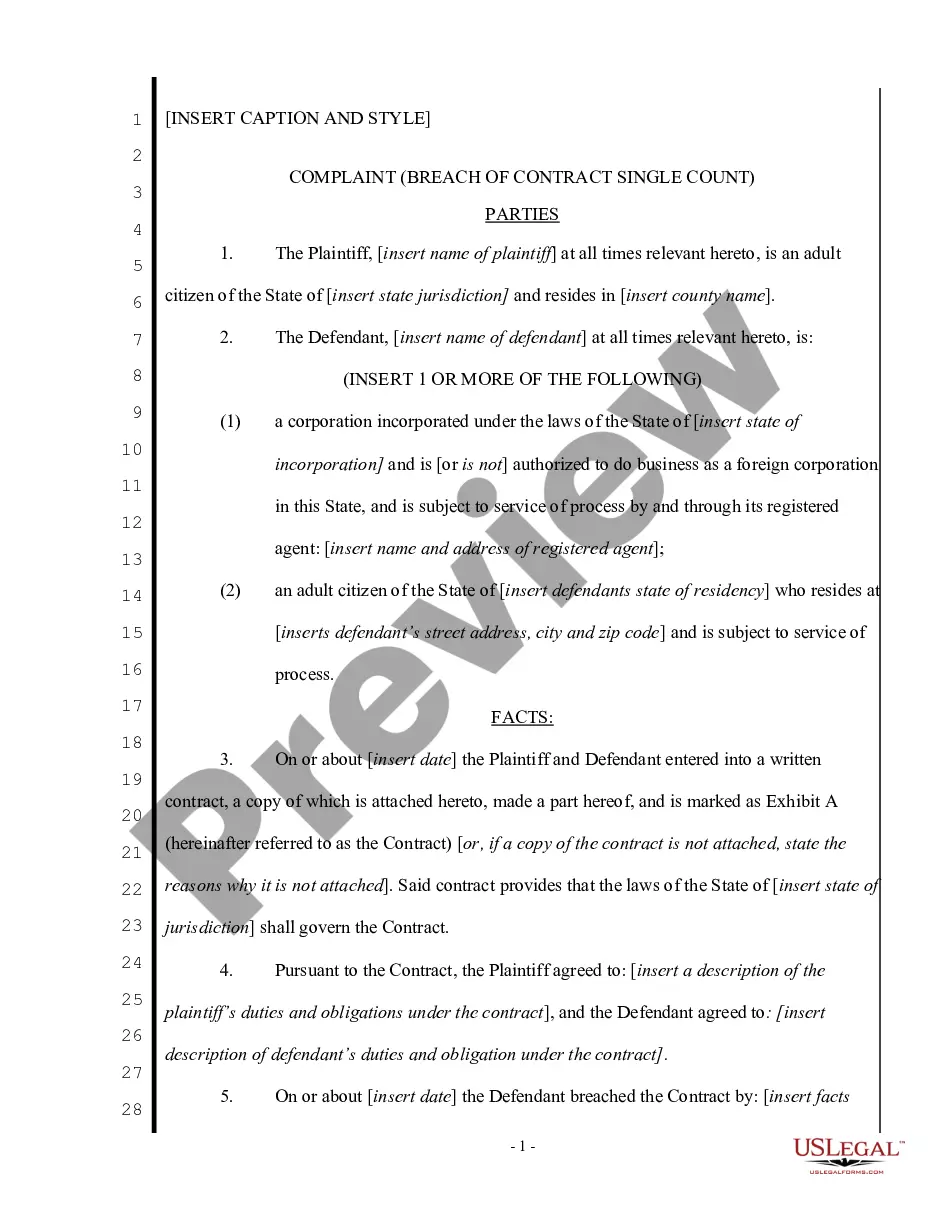
Get your form ready online
Our built-in tools help you complete, sign, share, and store your documents in one place.
Make edits, fill in missing information, and update formatting in US Legal Forms—just like you would in MS Word.
Download a copy, print it, send it by email, or mail it via USPS—whatever works best for your next step.
Sign and collect signatures with our SignNow integration. Send to multiple recipients, set reminders, and more. Go Premium to unlock E-Sign.
If this form requires notarization, complete it online through a secure video call—no need to meet a notary in person or wait for an appointment.
We protect your documents and personal data by following strict security and privacy standards.

Make edits, fill in missing information, and update formatting in US Legal Forms—just like you would in MS Word.

Download a copy, print it, send it by email, or mail it via USPS—whatever works best for your next step.

Sign and collect signatures with our SignNow integration. Send to multiple recipients, set reminders, and more. Go Premium to unlock E-Sign.

If this form requires notarization, complete it online through a secure video call—no need to meet a notary in person or wait for an appointment.

We protect your documents and personal data by following strict security and privacy standards.
Looking for another form?
Form popularity
FAQ
The most common remedy for trademark infringement is injunctive relief. Injunctions are court orders commanding that the infringer immediately cease its unlawful activities. Injunctions address future conduct rather than past actions.
About Trademark Infringement a court order (injunction) that the defendant stop using the accused mark; an order requiring the destruction or forfeiture of infringing articles; monetary relief, including defendant's profits, any damages sustained by the plaintiff, and the costs of the action; and.
To support a trademark infringement claim in court, a plaintiff must prove that it owns a valid mark, that it has priority (its rights in the mark(s) are "senior" to the defendant's), and that the defendant's mark is likely to cause confusion in the minds of consumers about the source or sponsorship of the goods or ...
All Oppositions are filed through the Trademark Trial and Appeal Board, an administrative court under the Federal Rules of Civil Procedure (as modified by the Trademark Trial and Appeal Board Manual of Procedure, also called TBMP.
Challenging the claimed trademark. Defense counsel may petition to cancel the trademark with the USPTO's Trademark Trial and Appeal Board. They may argue the trademark registration wasn't valid (such as the trademark not being used in commerce) or that the defendant's trademark had preceded it.
Breaking Down The Elements To prevail on a claim of trademark infringement, a plaintiff must establish that it has a valid mark entitled to protection; and that the defendant used the same or a similar mark in commerce in connection with the sale or advertising of goods or services without the plaintiff's consent.
Using an injunction carries disadvantages as well. For one, courts generally use injunctions only to prevent a party from doing something. Aside from specific performance, where a court forces a party to fulfill a contractual obligation, it is more difficult to use an injunction to force another party to do something.
Generally speaking, there are two kinds of relief available through an injunction: prohibitory and mandatory.
