Injunctive Relief For Trademark In Queens

State:
Multi-State
County:
Queens
Control #:
US-000302
Format:
Word; 
Rich Text
Instant download

Description

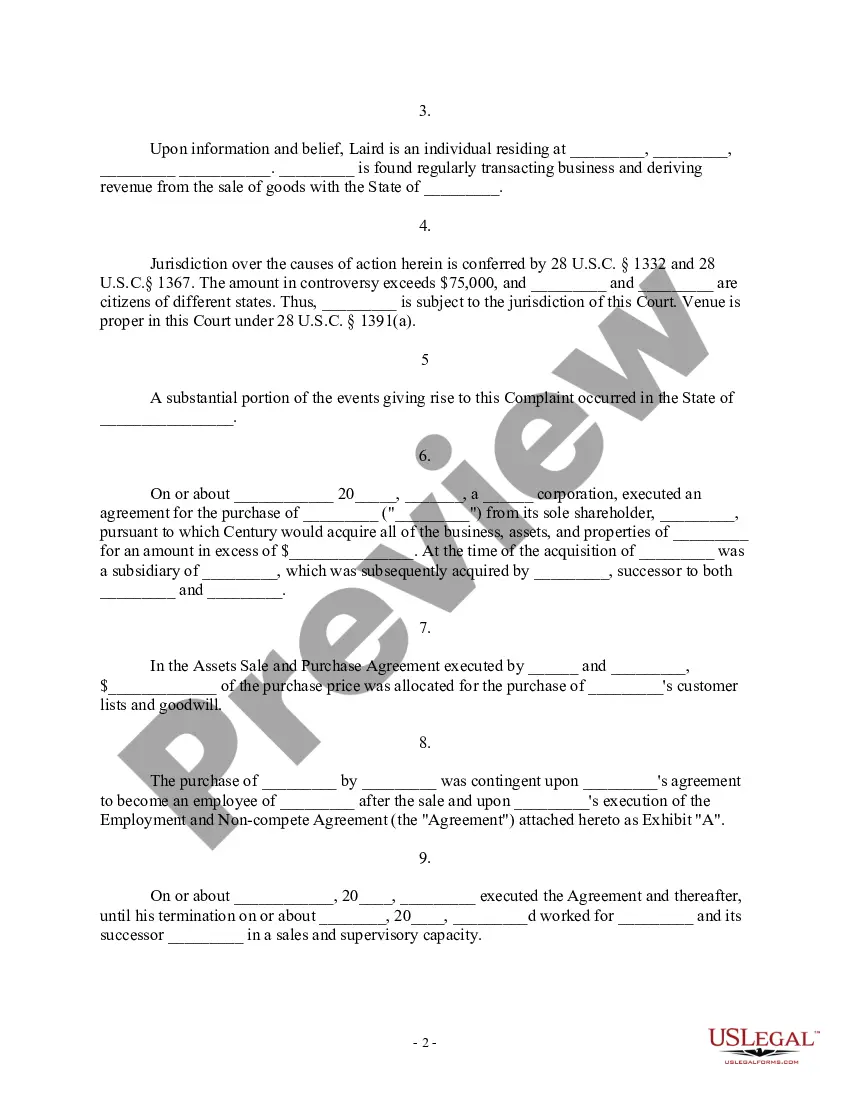
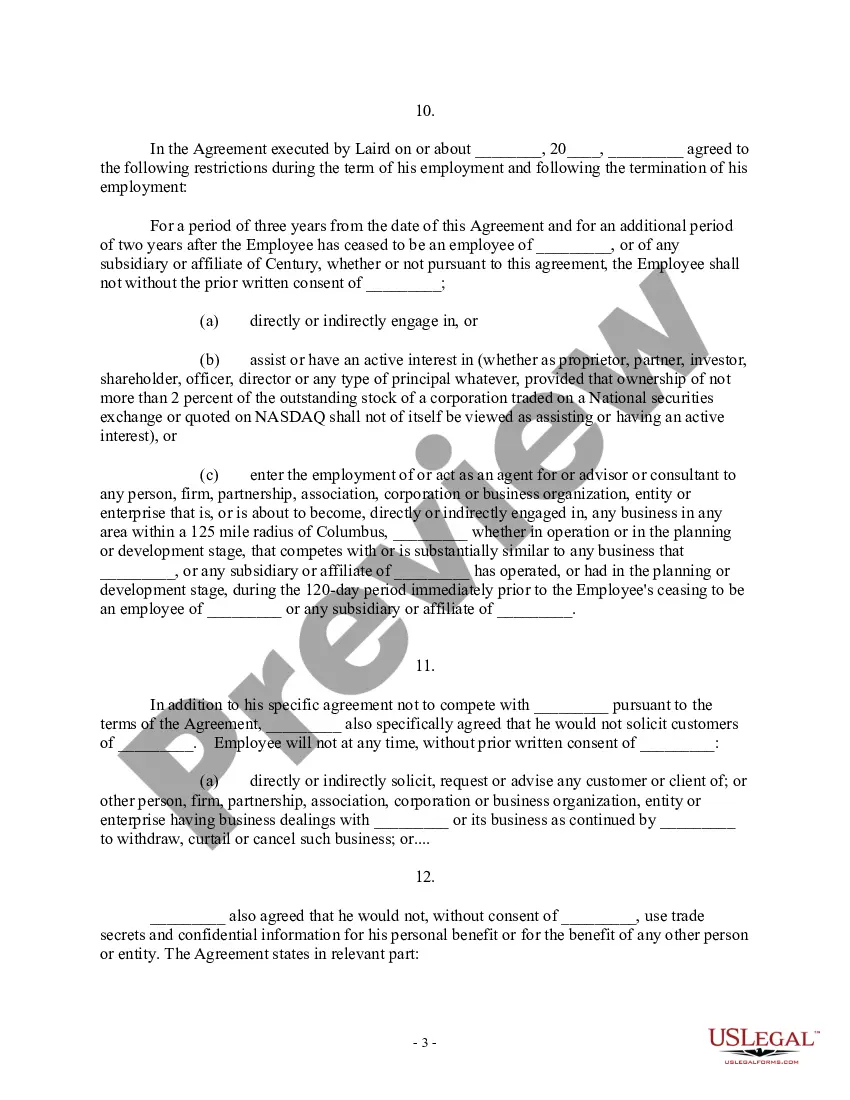
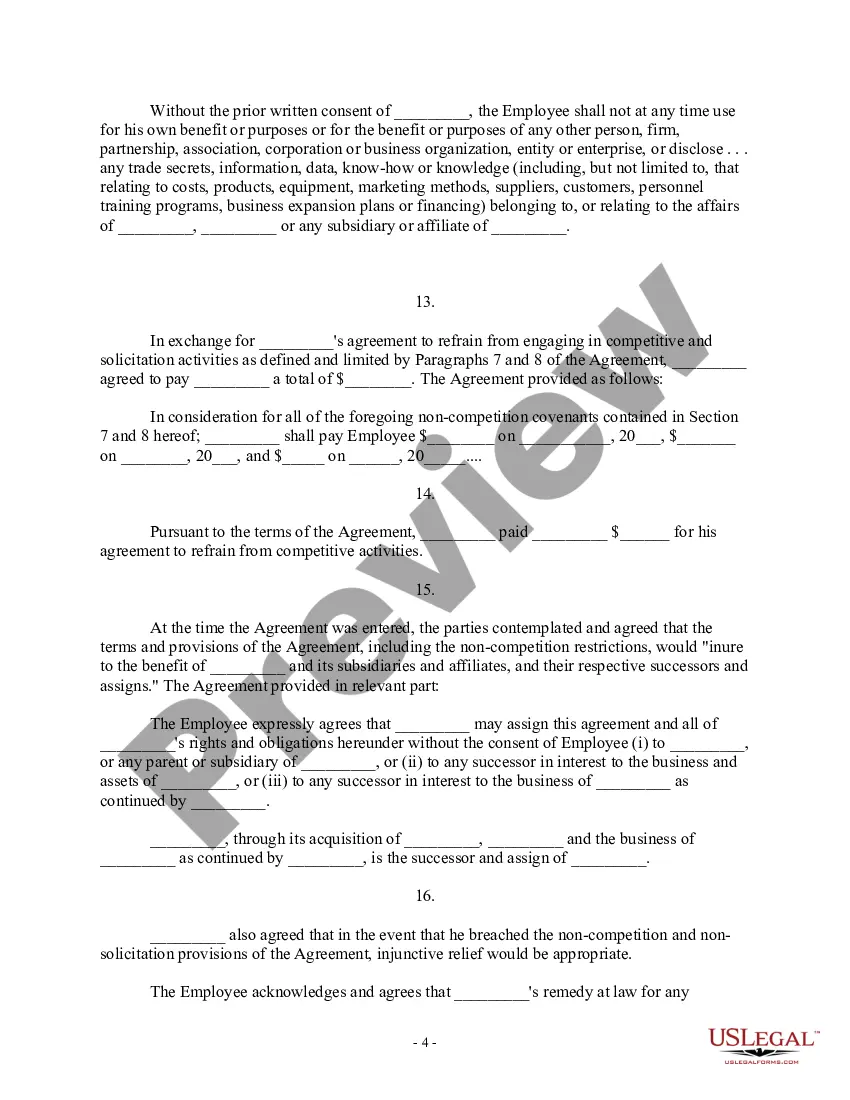
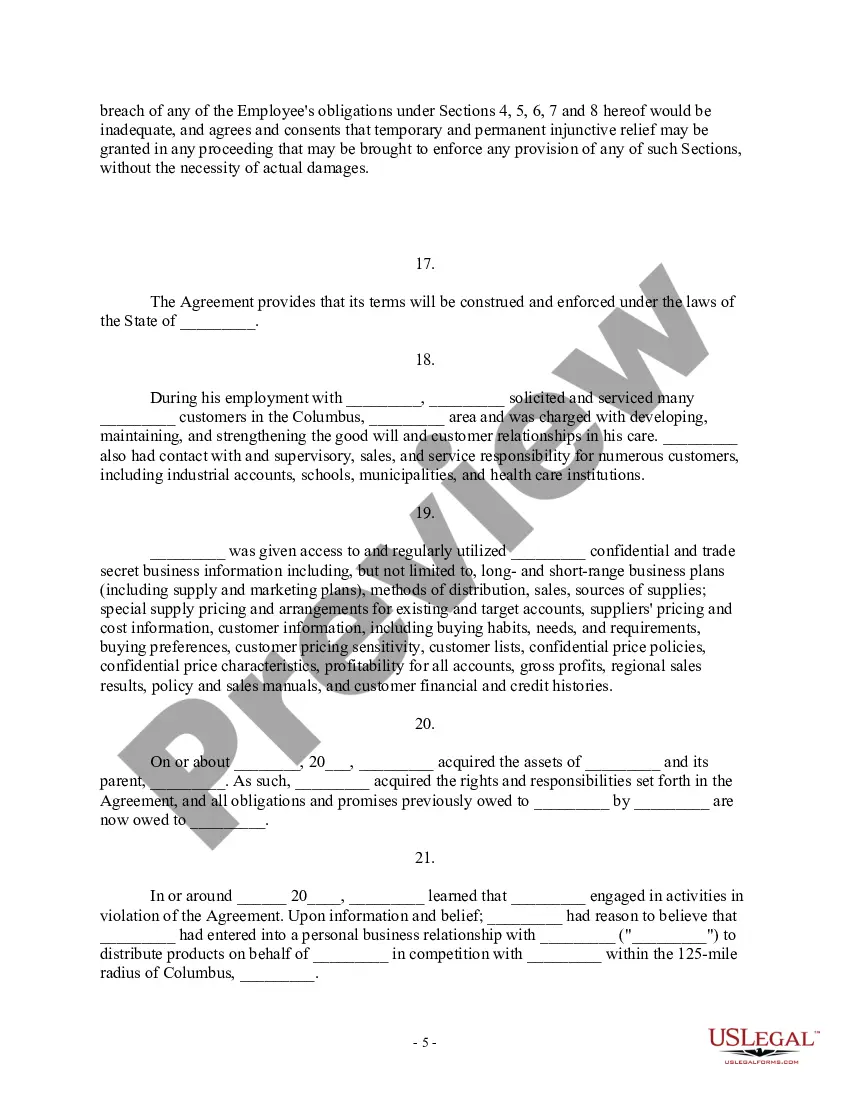
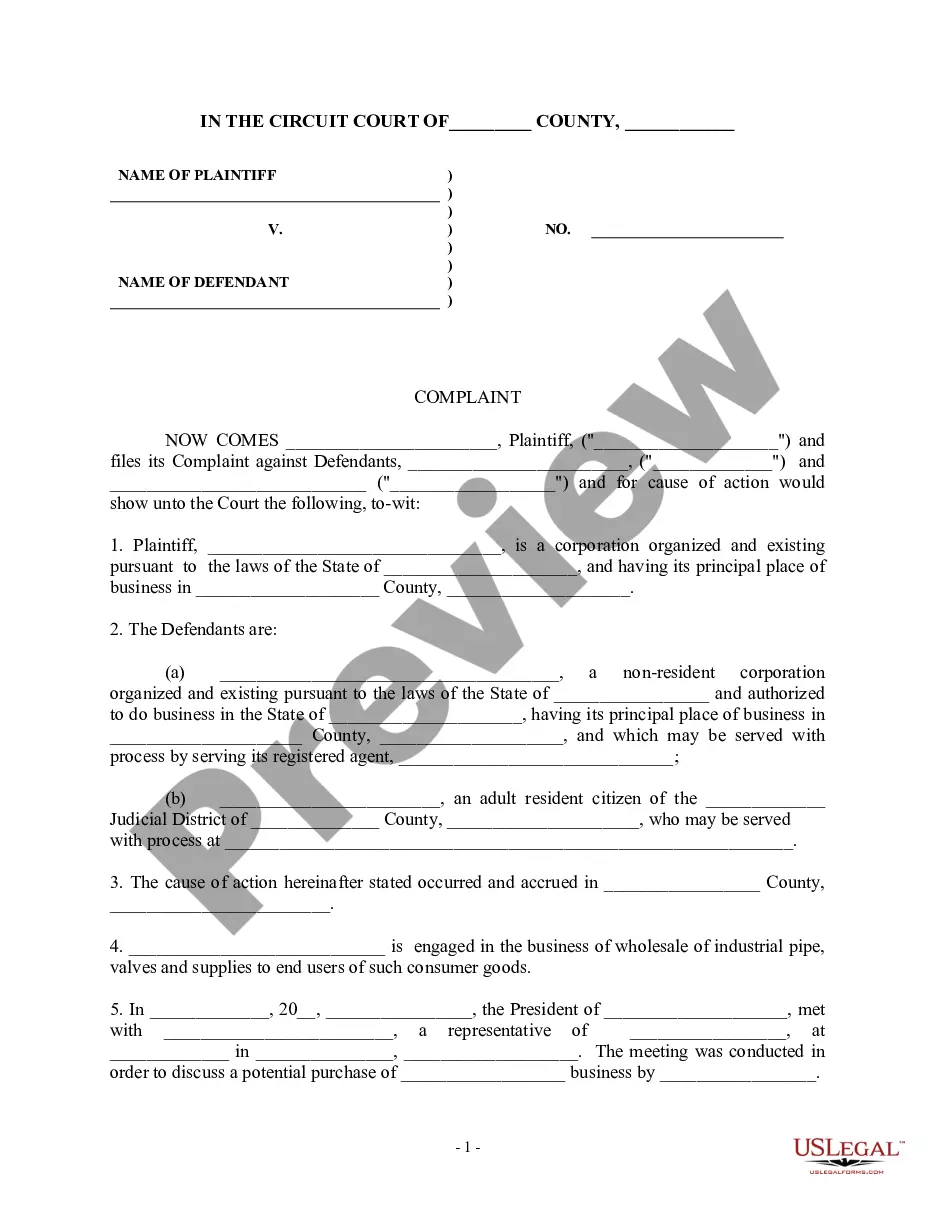
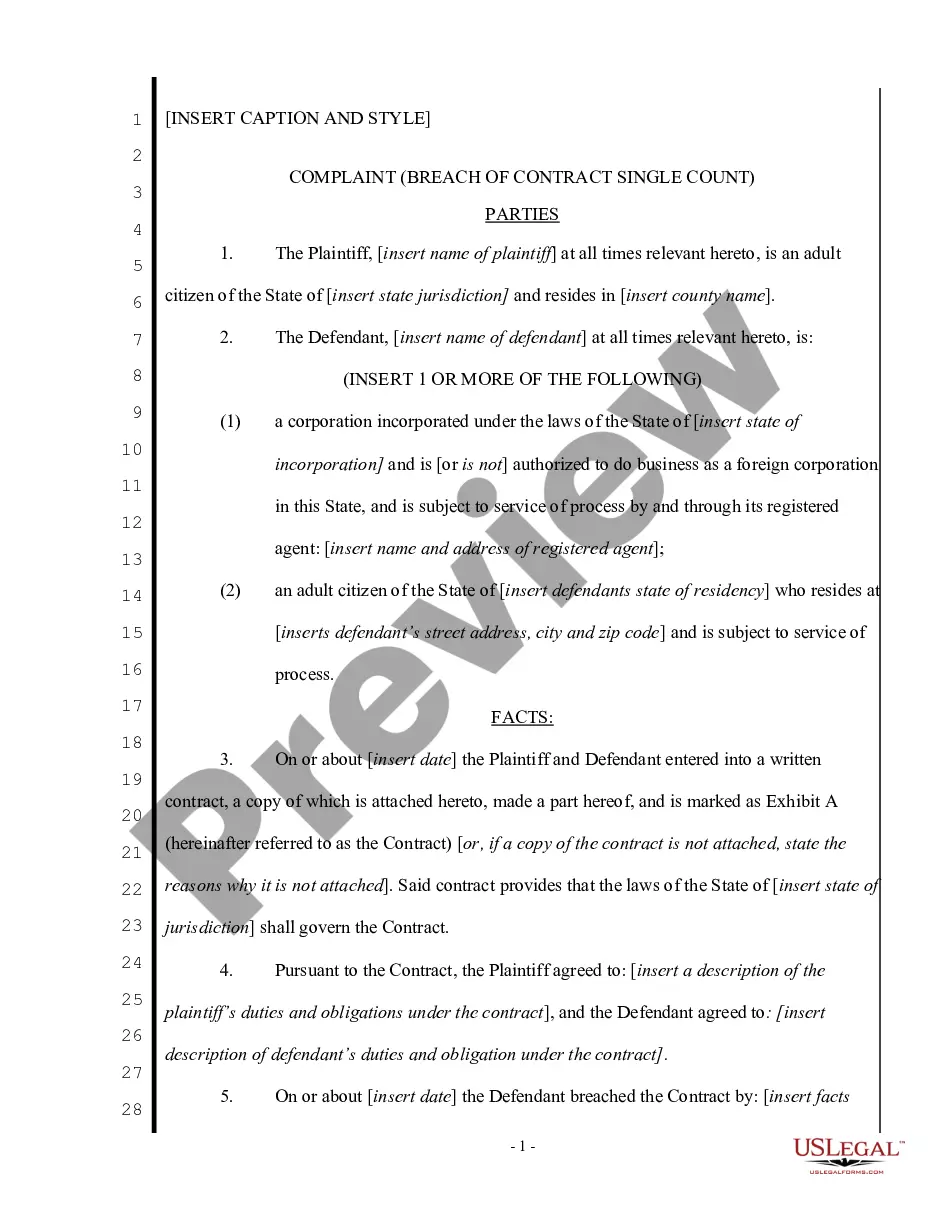
The Injunctive Relief for Trademark form is a legal document designed for individuals or organizations seeking to obtain a court order to prevent infringement of trademark rights in Queens. This form is particularly valuable for attorneys, partners, owners, associates, paralegals, and legal assistants involved in trademark disputes, as it outlines the procedural requirements for initiating such actions. Key features of the form include sections for detailing the plaintiff's and defendant's information, allegations of trademark infringement, and specific relief sought, including damages and injunctive relief. Users must carefully fill in their information and ensure that all necessary exhibits and accompanying documents are included, such as evidence of the trademark and the agreement in question. The form provides a structured format to present claims, supporting evidence, and legal arguments that justify the need for injunctive relief. Specific use cases vary from businesses wishing to enforce their trademark rights against competitors to legal professionals assisting clients navigating complex trademark disputes. Ensuring compliance with relevant laws and jurisdictional requirements is critical when using this form, emphasizing the form's importance in protecting intellectual property rights in Queens.
Free preview
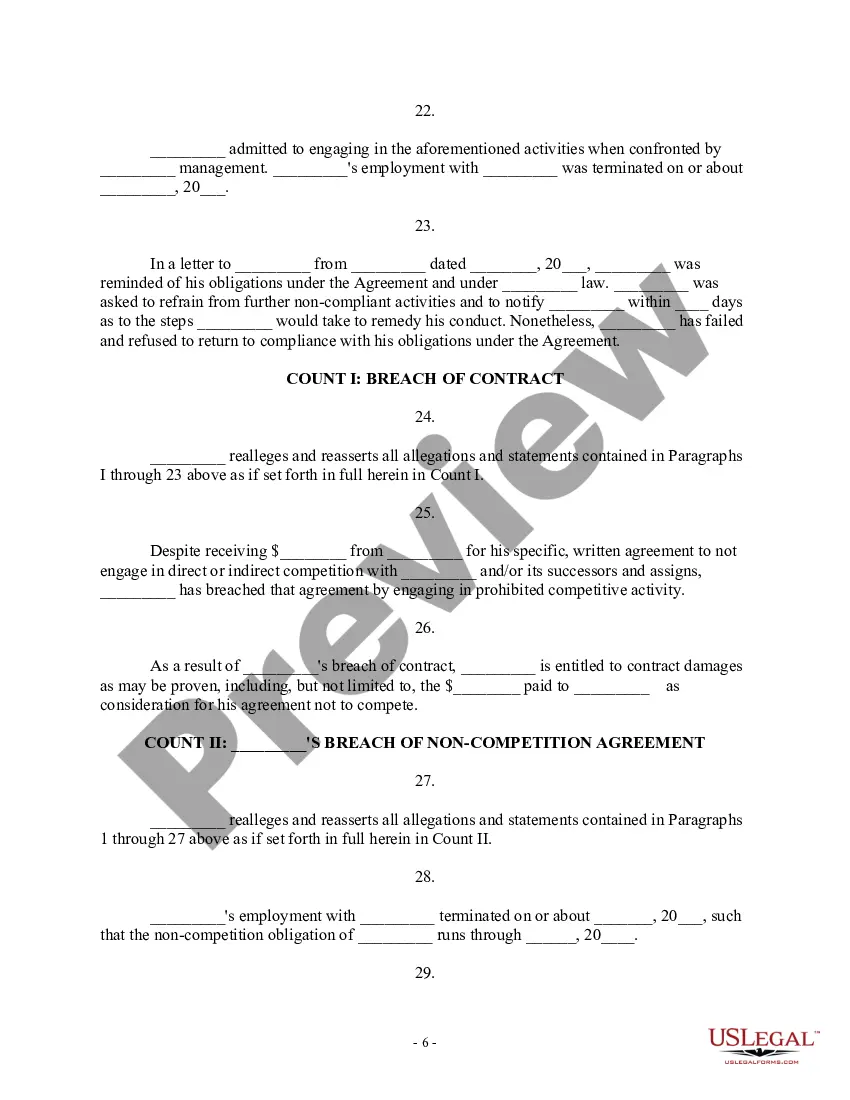
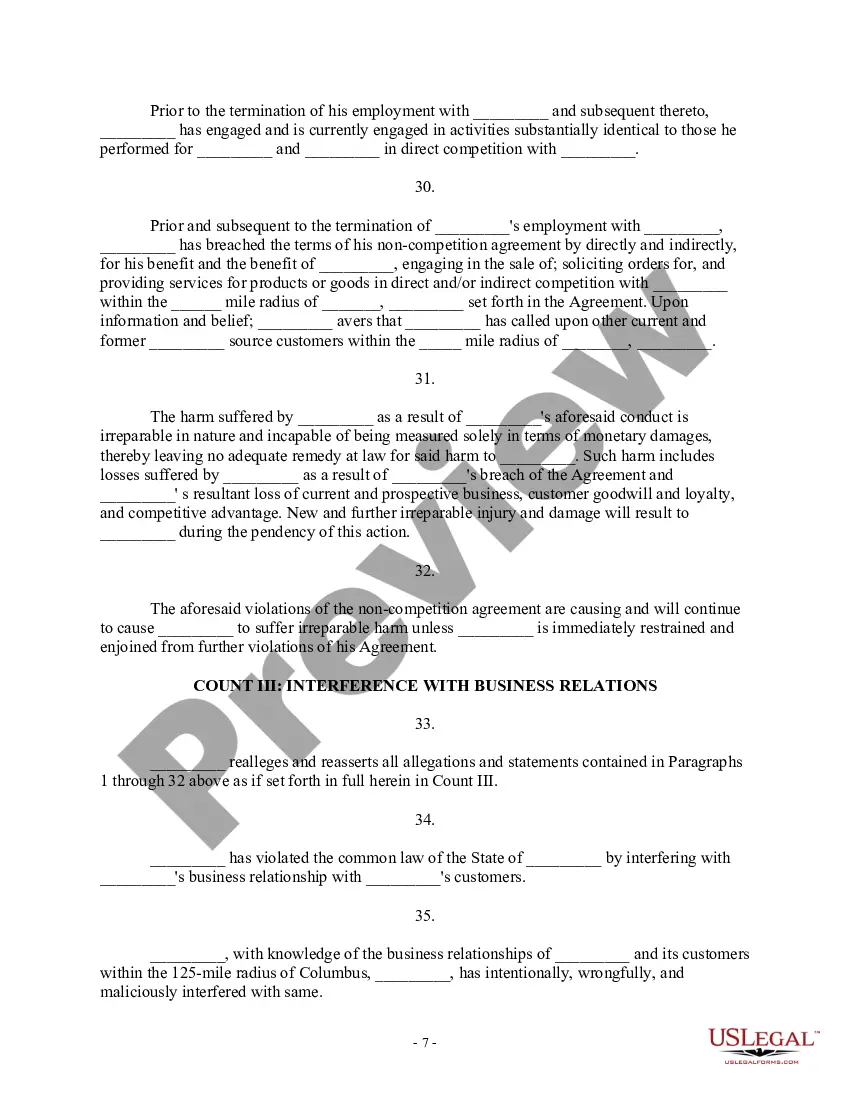
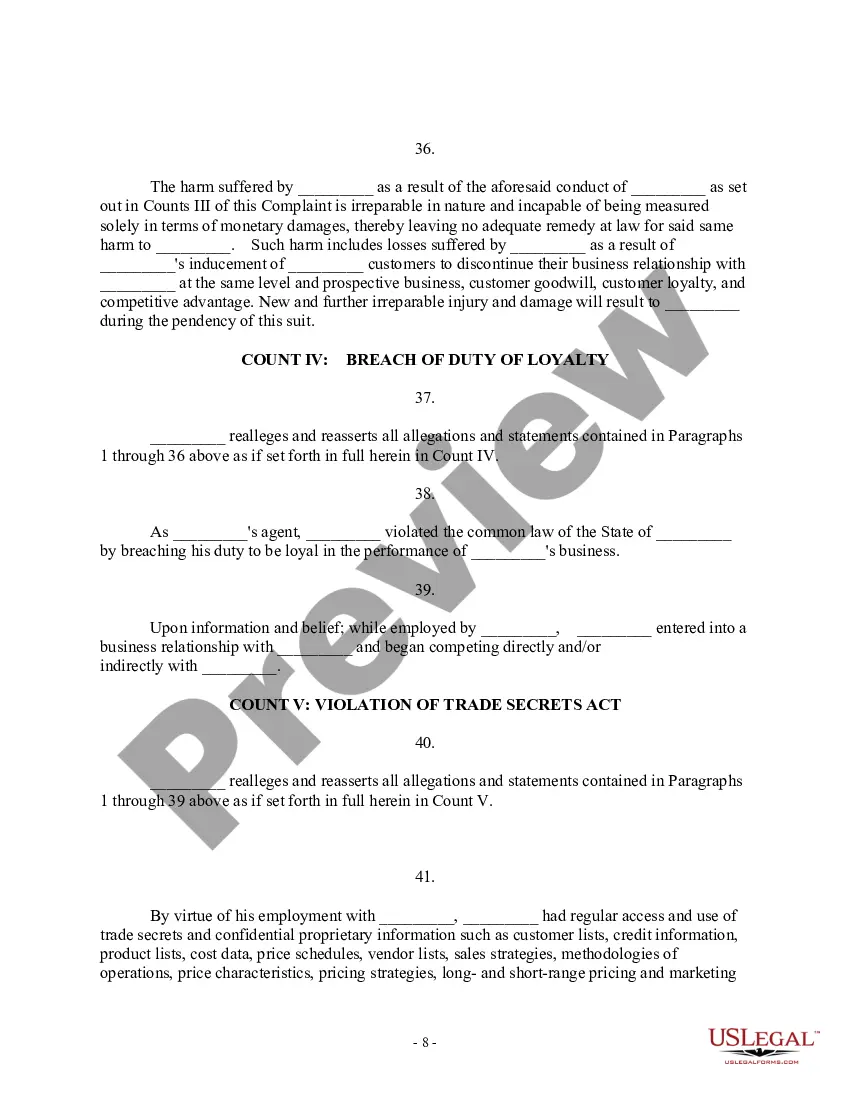
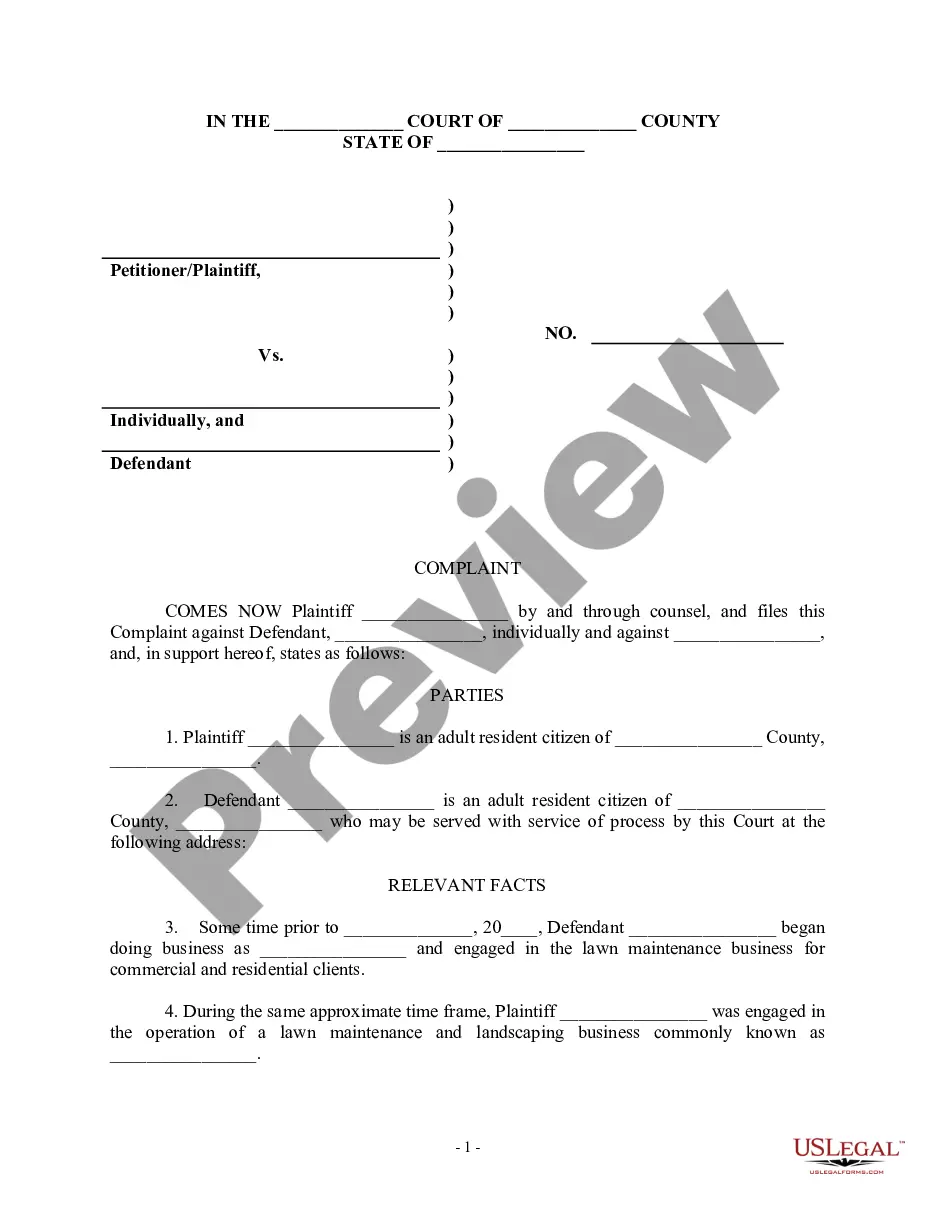
  • Preview Complaint for Injunctive Relief and Damages for Breach of Noncompetition Agreement - Breach of Contract - Violation of Trade Secrets Act
  • Preview Complaint for Injunctive Relief and Damages for Breach of Noncompetition Agreement - Breach of Contract - Violation of Trade Secrets Act
  • Preview Complaint for Injunctive Relief and Damages for Breach of Noncompetition Agreement - Breach of Contract - Violation of Trade Secrets Act
  • Preview Complaint for Injunctive Relief and Damages for Breach of Noncompetition Agreement - Breach of Contract - Violation of Trade Secrets Act
  • Preview Complaint for Injunctive Relief and Damages for Breach of Noncompetition Agreement - Breach of Contract - Violation of Trade Secrets Act
  • Preview Complaint for Injunctive Relief and Damages for Breach of Noncompetition Agreement - Breach of Contract - Violation of Trade Secrets Act
  • Preview Complaint for Injunctive Relief and Damages for Breach of Noncompetition Agreement - Breach of Contract - Violation of Trade Secrets Act
  • Preview Complaint for Injunctive Relief and Damages for Breach of Noncompetition Agreement - Breach of Contract - Violation of Trade Secrets Act

Form popularity

FAQ

Winning a trade mark infringement case requires a thorough understanding of trade mark law, evidence gathering, and legal strategy. As such, it is essential to work with a specialist IP lawyer who has experience handling trade mark infringement cases.

There are four main trademark infringement defenses that may be available for a defendant against a claim of trademark infringement: Doctrine of laches; Estoppel; Unclean hands; and. Fair use doctrine or collateral use doctrine.

Only designs and shapes created solely for promotional purposes are protected as trade dress. For example, certain perfume bottles and the boxes they come in are designed to be identifiable with a particular brand. Simply registering trade dress as a trademark may be insufficient in an infringement suit, however.

The most common remedy for trademark infringement is injunctive relief. Injunctions are court orders commanding that the infringer immediately cease its unlawful activities. Injunctions address future conduct rather than past actions.

Here are five steps small business owners can follow to avoid a trademark infringement lawsuit: Do your research. Before you settle on a name, logo, or domain name, make sure it is not already trademarked. Enlist help. Consider general liability insurance. Register your trademark. Document your findings.

Defences to Trade Mark Infringement Using your name or place of business in good faith (section 122(1)(a)) ... Used descriptively in good faith (section 122(1)(b)) ... Used in good faith to indicate the intended purpose of the goods or services (section 122(1)(c))

Keep in mind that all monetary damages allowed for trademark infringement under the Lanham Act are compensatory and not punitive. That means that, no matter how egregious and malicious the infringement is, the damages you're entitled to must be based on actual harm to your business.

If a trademark office or court determines there's a likelihood of confusion, the financial and reputational repercussions can be severe. With average litigation costs ranging from $120,000 to $750,000 and the potential for prolonged legal battles, the impact on any company can be staggering.

One remedy is injunctive relief, which restrains the defendant from future copying of the work. A preliminary injunction can be sought early in the case to restrain copying during the lawsuit.

Trusted and secure by over 3 million people of the world’s leading companies

Injunctive Relief For Trademark In Queens