Injunctive Relief For Breach In Sacramento
Description





Get your form ready online
Our built-in tools help you complete, sign, share, and store your documents in one place.
Make edits, fill in missing information, and update formatting in US Legal Forms—just like you would in MS Word.
Download a copy, print it, send it by email, or mail it via USPS—whatever works best for your next step.
Sign and collect signatures with our SignNow integration. Send to multiple recipients, set reminders, and more. Go Premium to unlock E-Sign.
If this form requires notarization, complete it online through a secure video call—no need to meet a notary in person or wait for an appointment.
We protect your documents and personal data by following strict security and privacy standards.
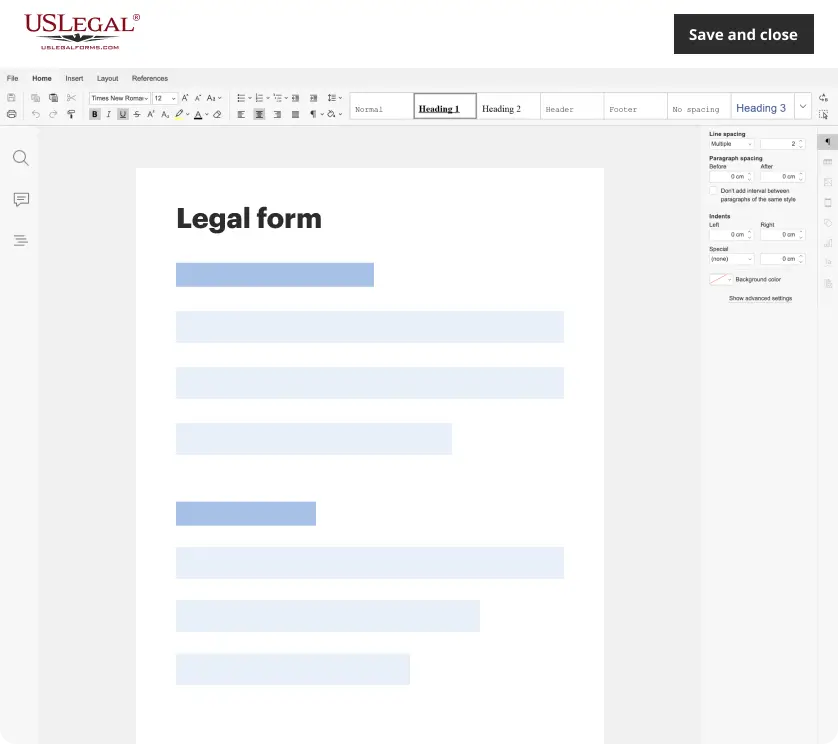
Make edits, fill in missing information, and update formatting in US Legal Forms—just like you would in MS Word.
Download a copy, print it, send it by email, or mail it via USPS—whatever works best for your next step.
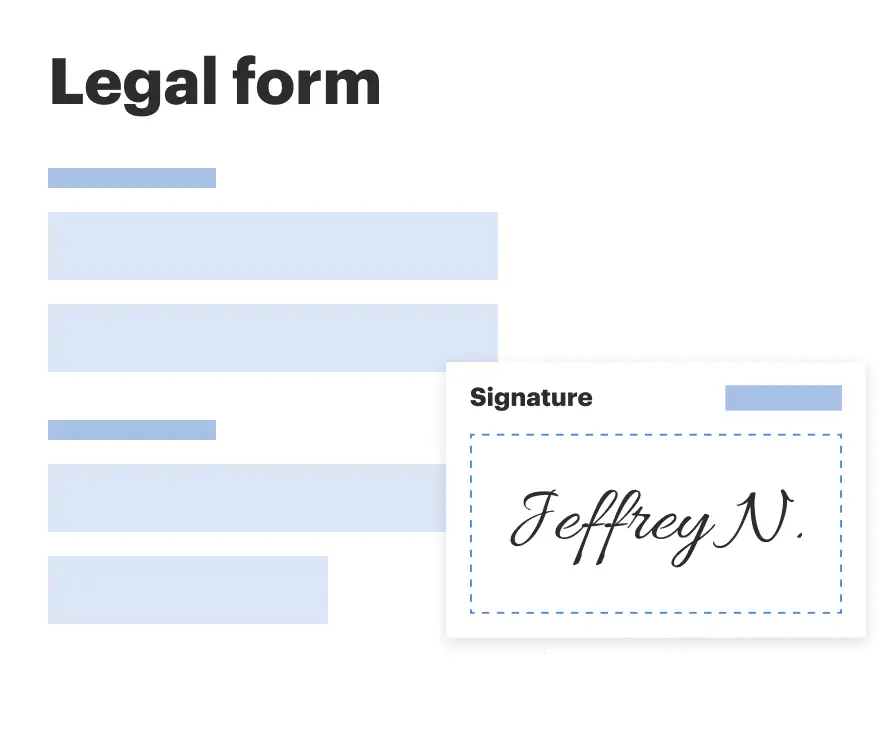
Sign and collect signatures with our SignNow integration. Send to multiple recipients, set reminders, and more. Go Premium to unlock E-Sign.

If this form requires notarization, complete it online through a secure video call—no need to meet a notary in person or wait for an appointment.
We protect your documents and personal data by following strict security and privacy standards.
Looking for another form?
Form popularity
FAQ
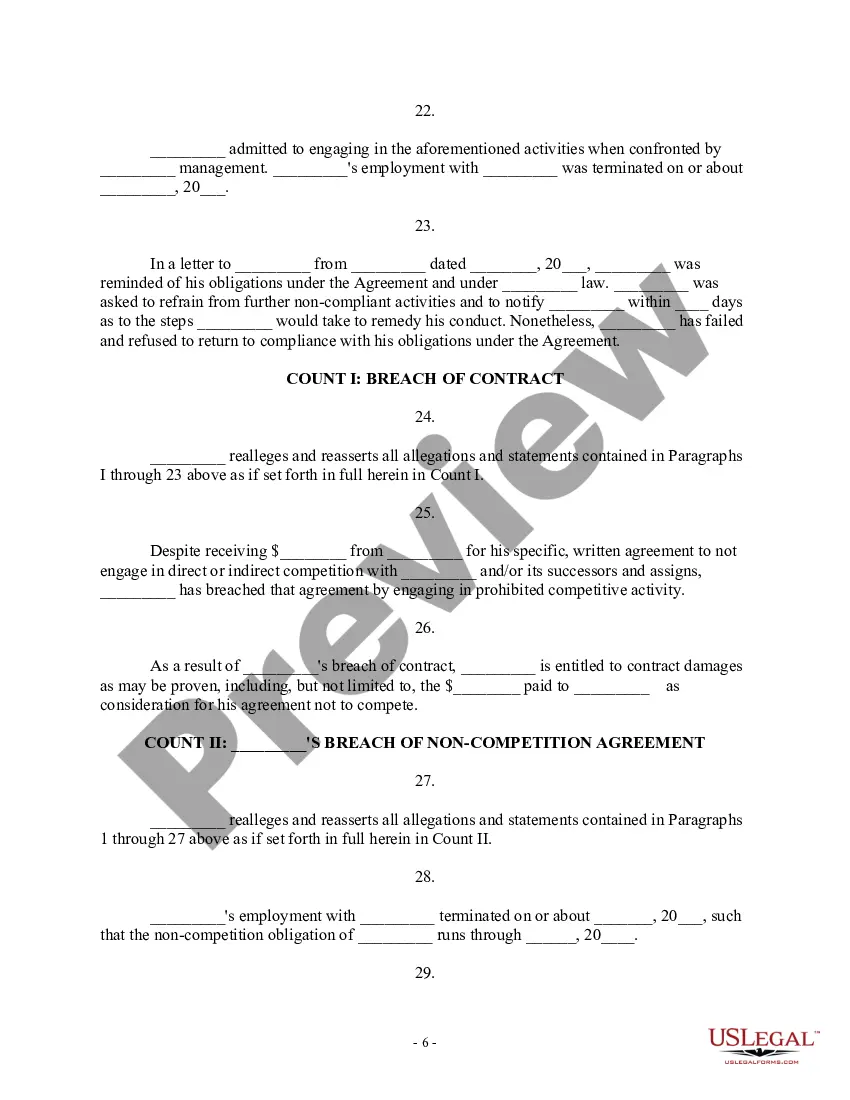
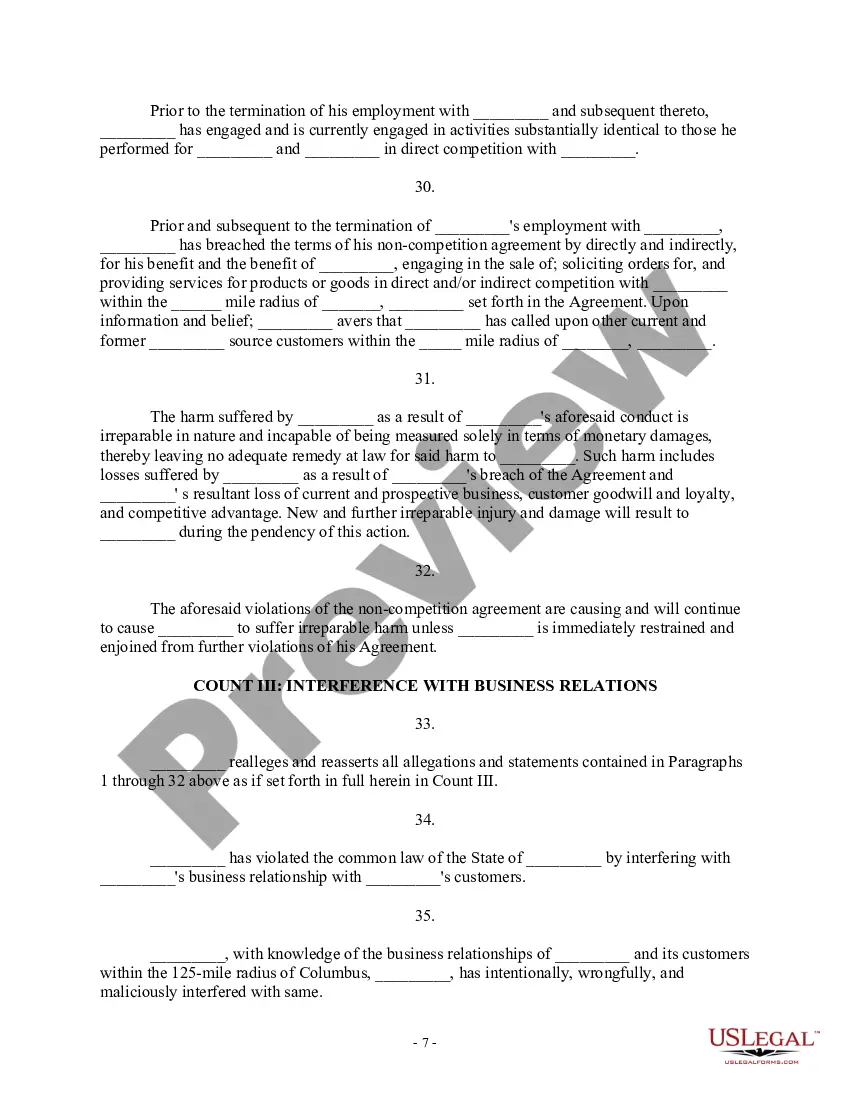
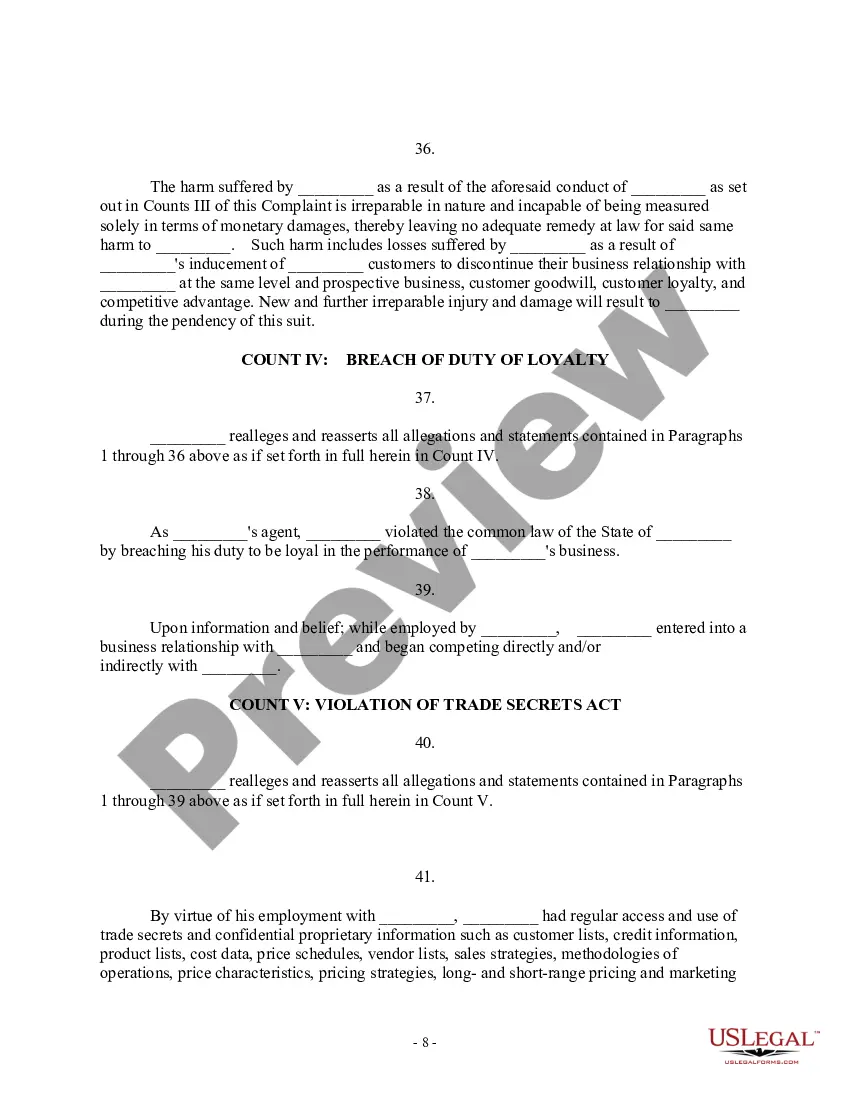
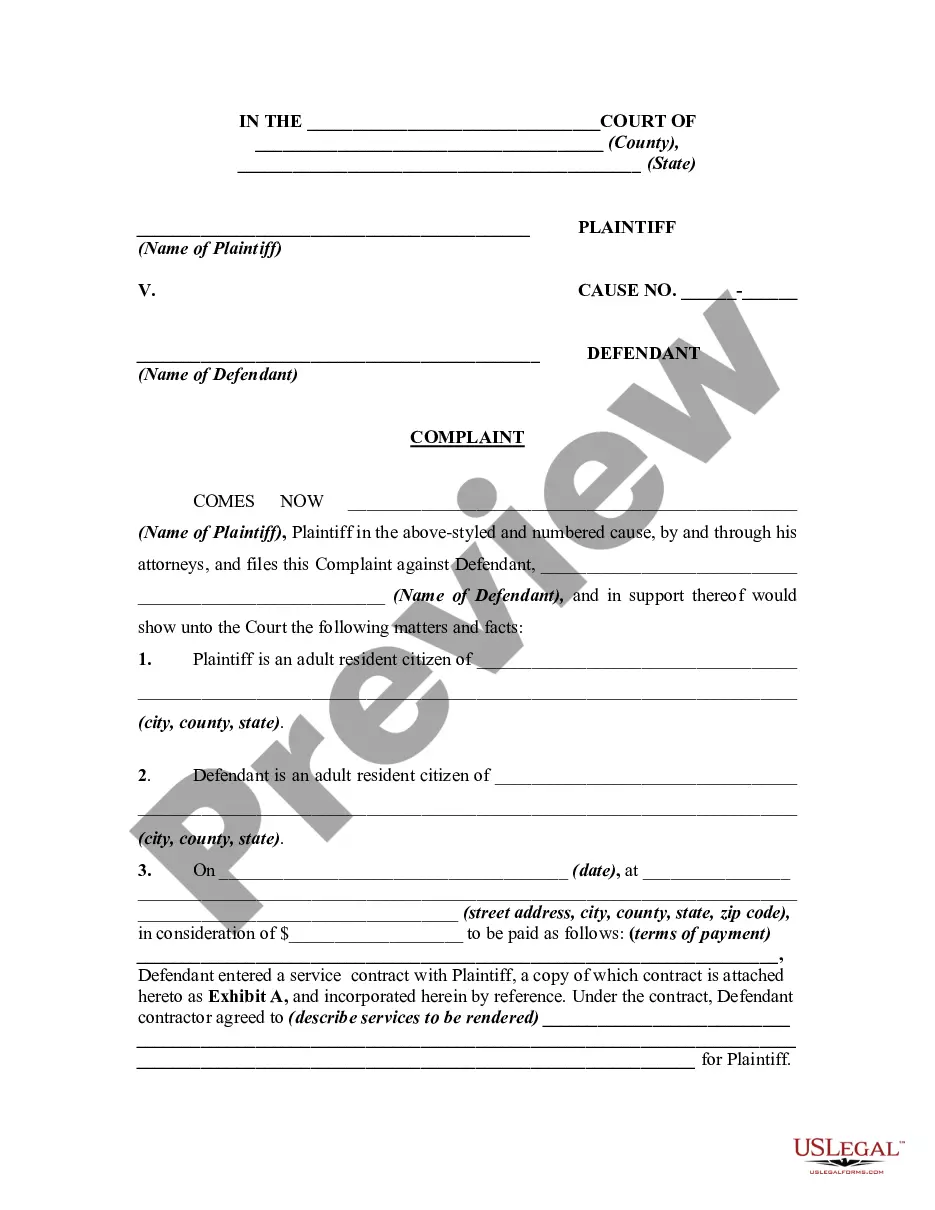
Five essential legal remedies for contract breaches Compensatory damages. Liquidated damages. Specific performance. Punitive damages. Nominal damages.
There are four standard elements required to establish a claim for breach of contract in California: (i) the existence of a valid contract, (ii) the plaintiff's performance or excuse for nonperformance, (iii) the defendant's breach of contract, and (iv) resulting damages.
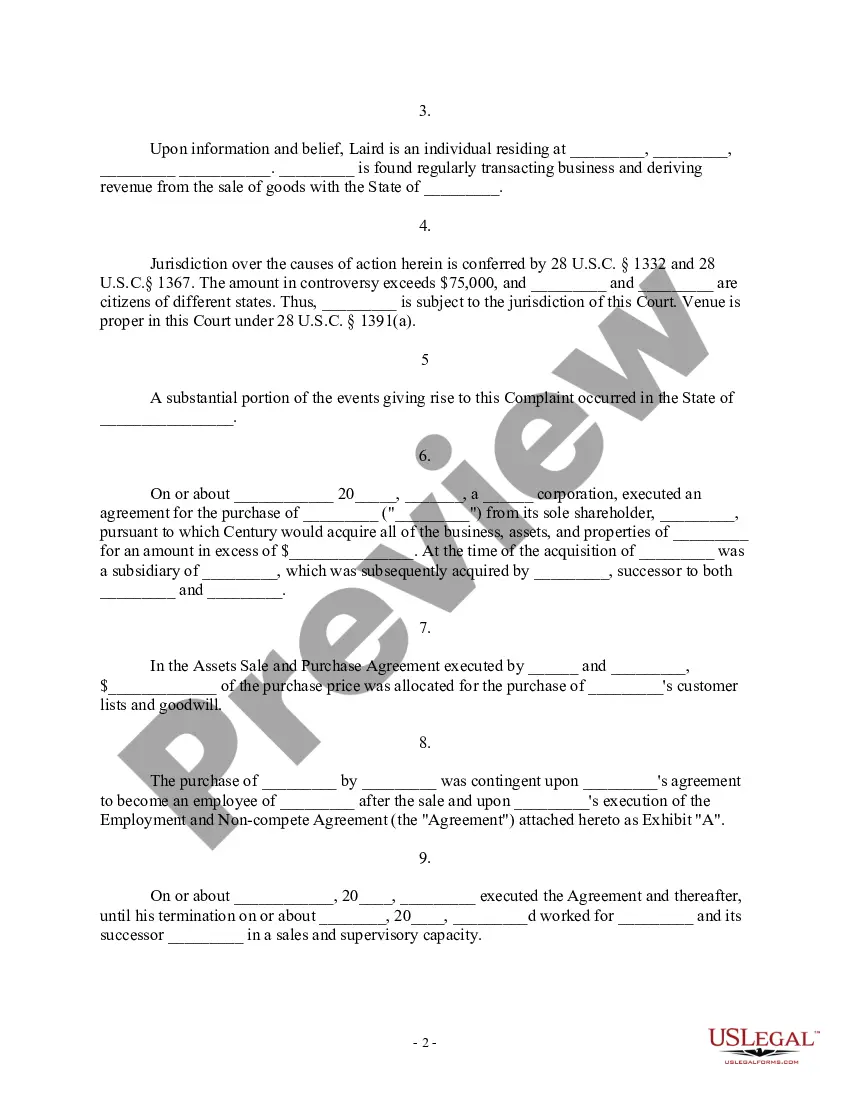
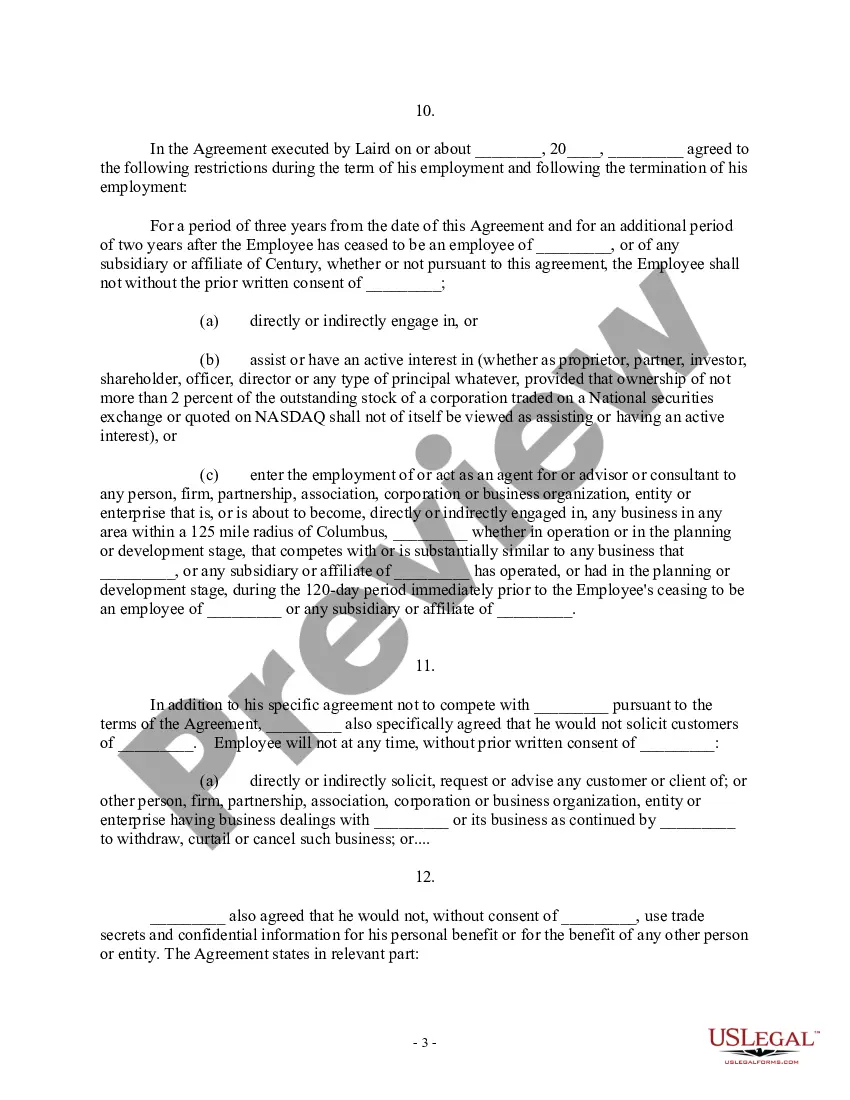
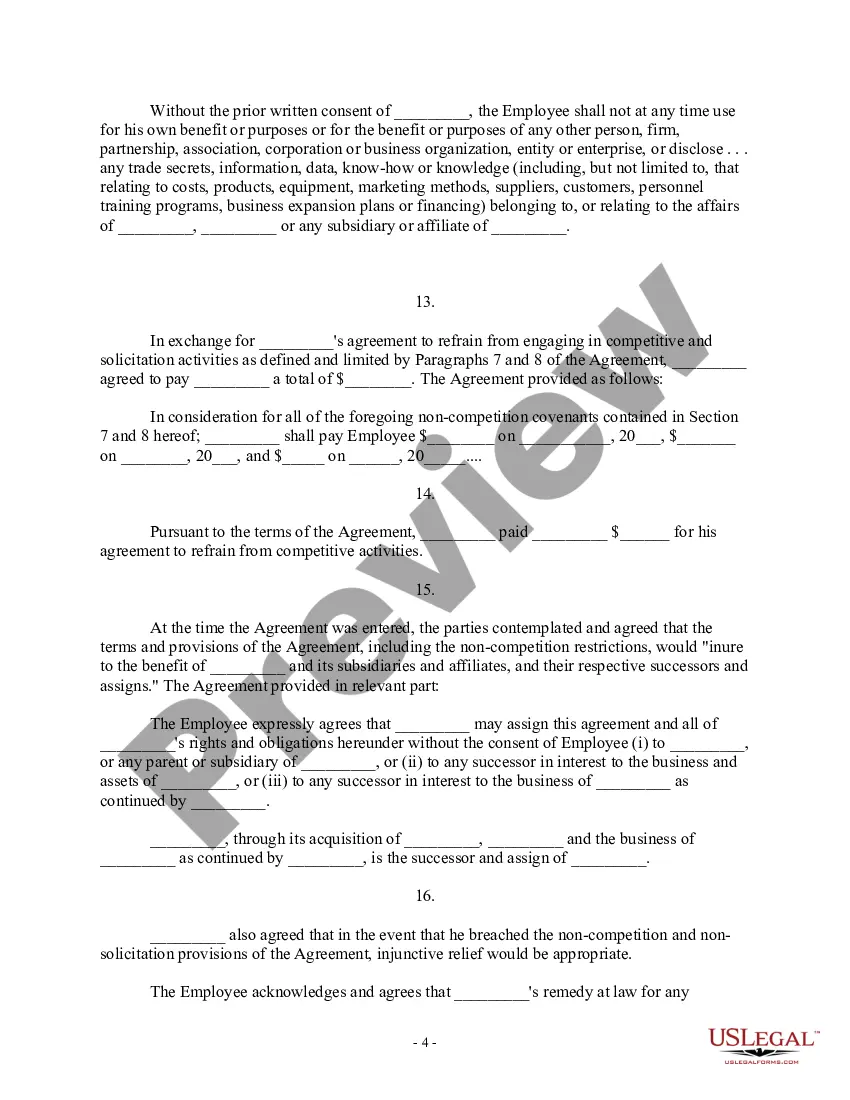
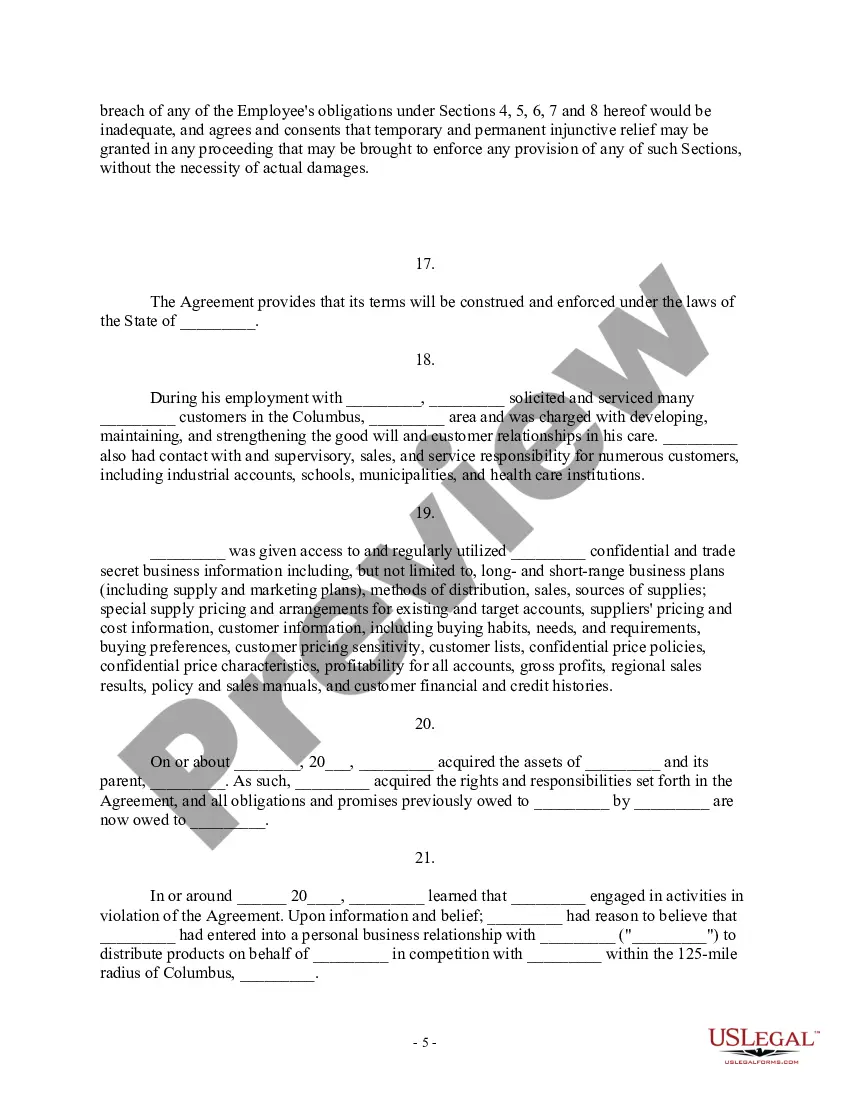
Injunctive relief in a breach of contract claim is a court-ordered legal remedy whereby the court orders a party to either do something or refrain from doing something. Injunctive relief is sought when a breach of contract threatens to cause irreparable harm that can't be adequately compensated by monetary damages.
The potential remedies for breach of a contract include: (1) rescission and restitution; (2) damages; (3) specific performance; (4) injunction, and (5) declaratory relief.
An injunction is a court order prohibiting a person from taking a particular action (a prohibitory injunction) or requiring them to take a particular action (a mandatory injunction). A party who breaches an injunction can be held in contempt of court, which can result in a fine or imprisonment.
Generally, injunctive relief is only available when there is no other adequate remedy available and irreparable harm will result if the relief is not granted.
(a) An injunction may be granted in the following cases: (1) When it appears by the complaint that the plaintiff is entitled to the relief demanded, and the relief, or any part thereof, consists in restraining the commission or continuance of the act complained of, either for a limited period or perpetually.
The most common remedy in breach of contract cases is damages. The purpose of damages is not to punish the wrongdoer; it is to put you in the position you would have been in had the other party performed their part of the contract.
The party seeking a preliminary injunctive relief must demonstrate: (1) irreparable injury in the absence of such an order; (2) that the threatened injury to the moving party outweighs the harm to the opposing party resulting from the order; (3) that the injunction is not adverse to public interest; and (4) that the ...
These courts consider: (1) the likelihood of success on the merits; (2) irreparable harm if the injunction is not granted; (3) whether a balancing of the relevant equities favors the injunction; and (4) whether the issuance of the injunction is in the public interest.
