Injunctive Relief For Trademark In Utah

State:
Multi-State
Control #:
US-000302
Format:
Word; 
Rich Text
Instant download

Description

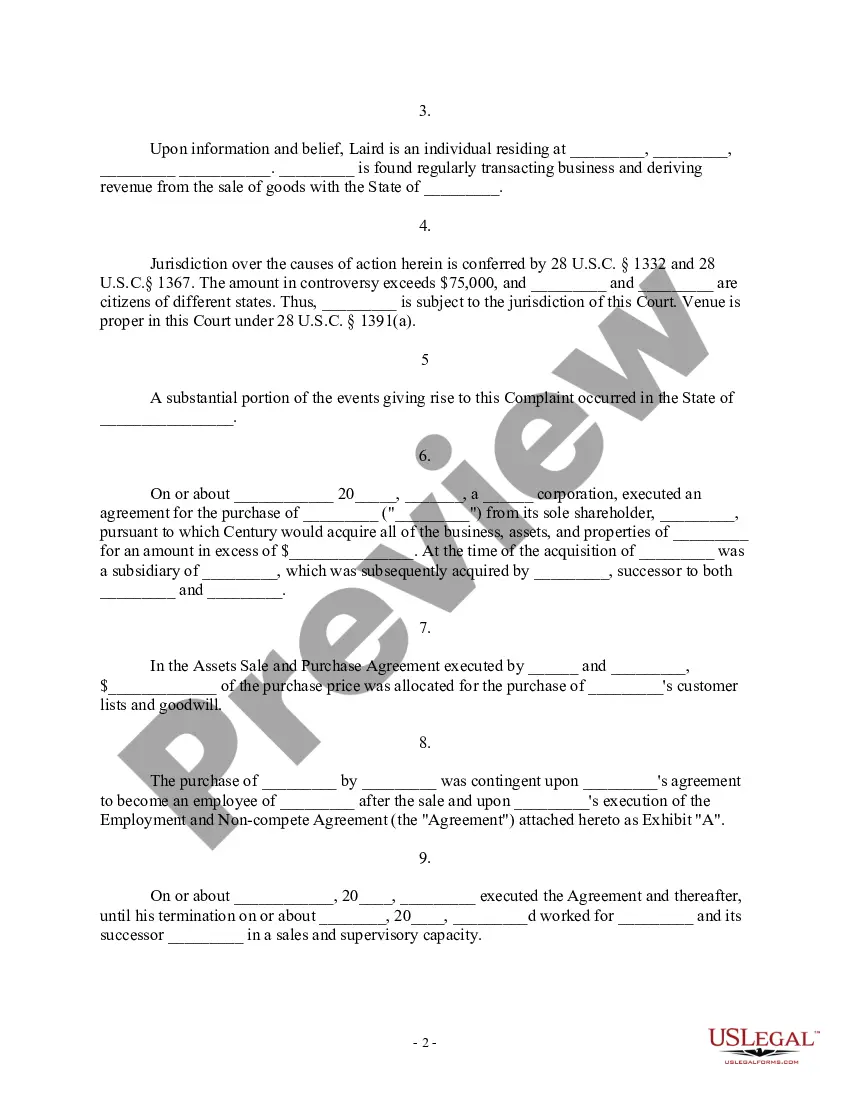
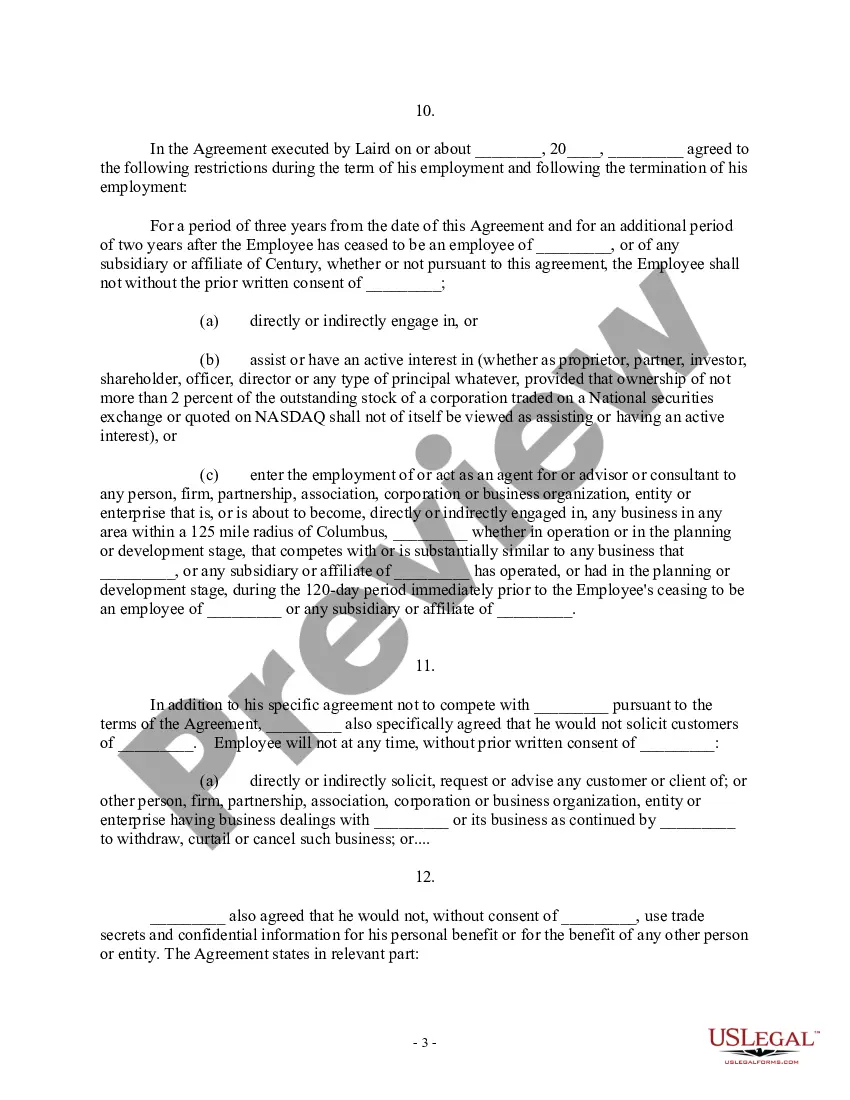
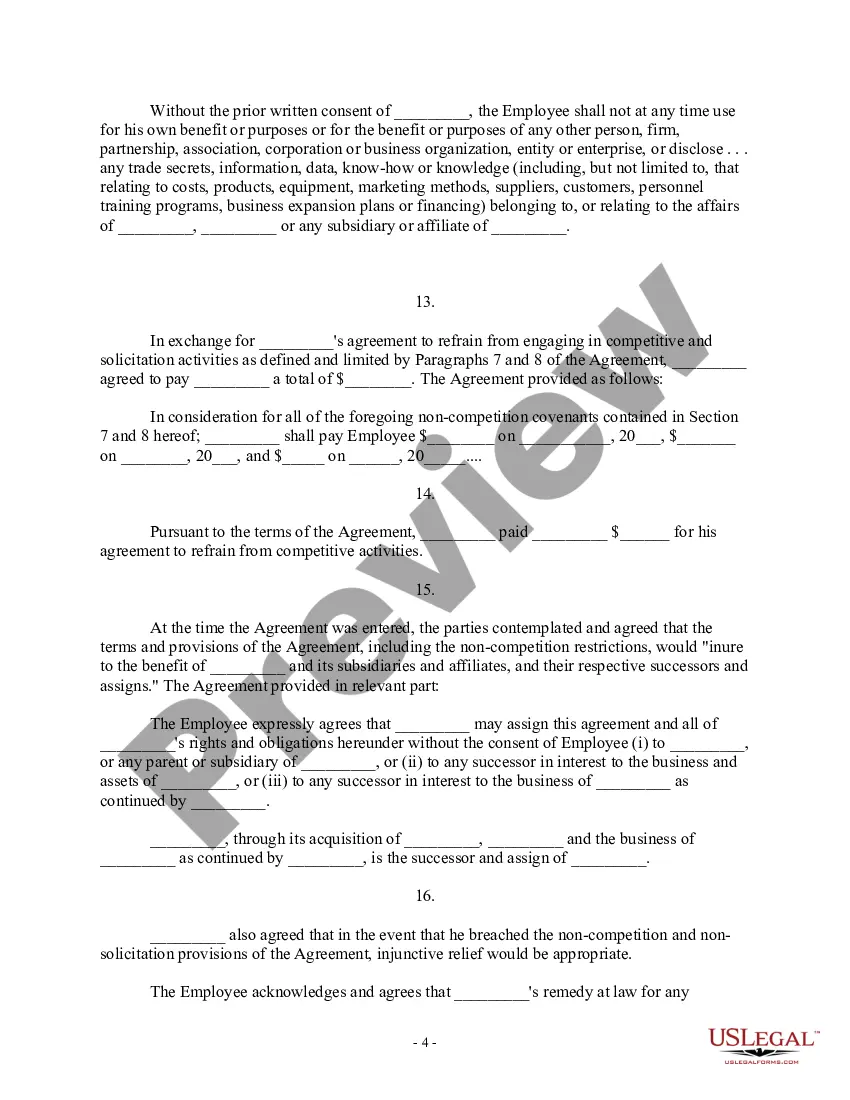
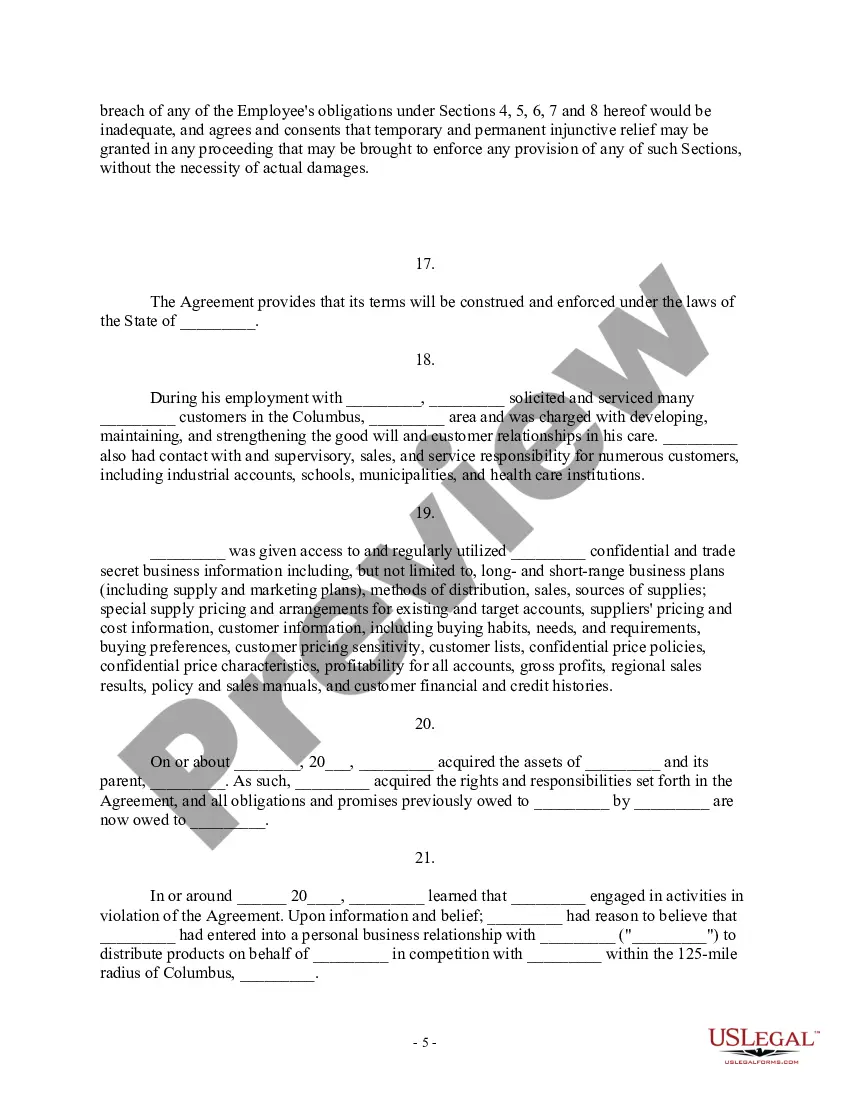
The document outlines a Complaint for Injunctive Relief and Damages related to trademark disputes in Utah, specifically focusing on breaches of non-competition agreements and violations of trade secrets. The form enables users to present their case to the court, citing both the legal basis and the circumstances surrounding the breaches. Key features include sections for detailing the breach of contract, specifics of the non-competition agreement, and the plaintiff's claim for injunctive relief. Users must fill in various sections, such as the names of the parties involved, relevant dates, and descriptions of the alleged wrongful acts. Filling instructions highlight the necessity of clear, concise information to support the case. The form serves a vital function for attorneys, partners, owners, associates, paralegals, and legal assistants by providing a standardized framework to effectively communicate grievances and seek judicial intervention against trademark violations. Moreover, it is especially useful in scenarios involving former employees who may be misusing confidential information or competing unfairly in violation of contractual obligations.
Free preview
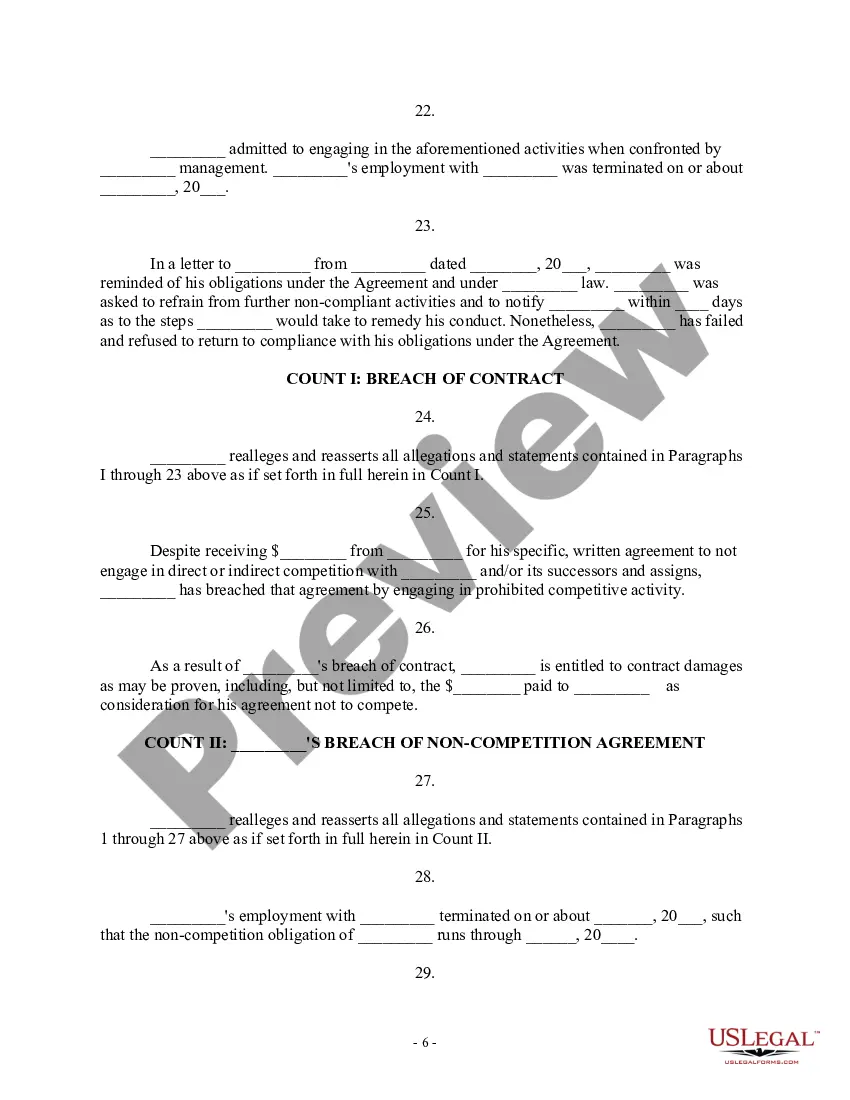
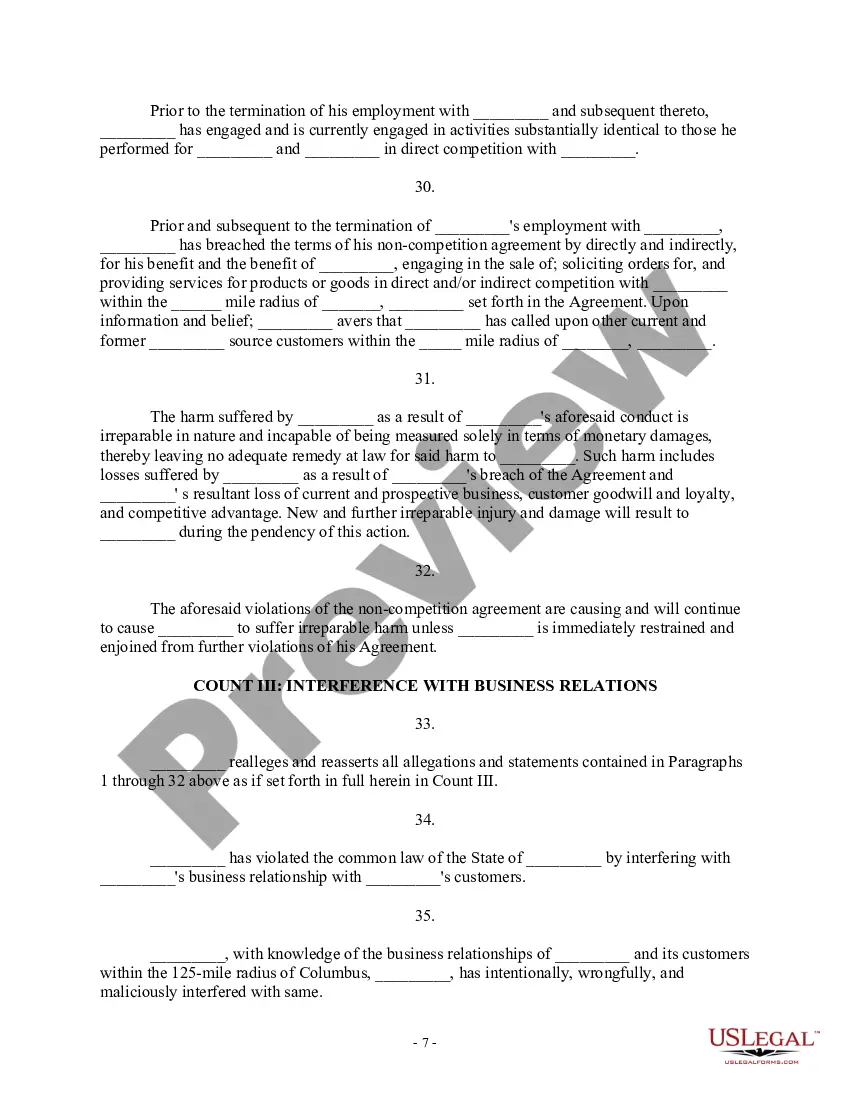
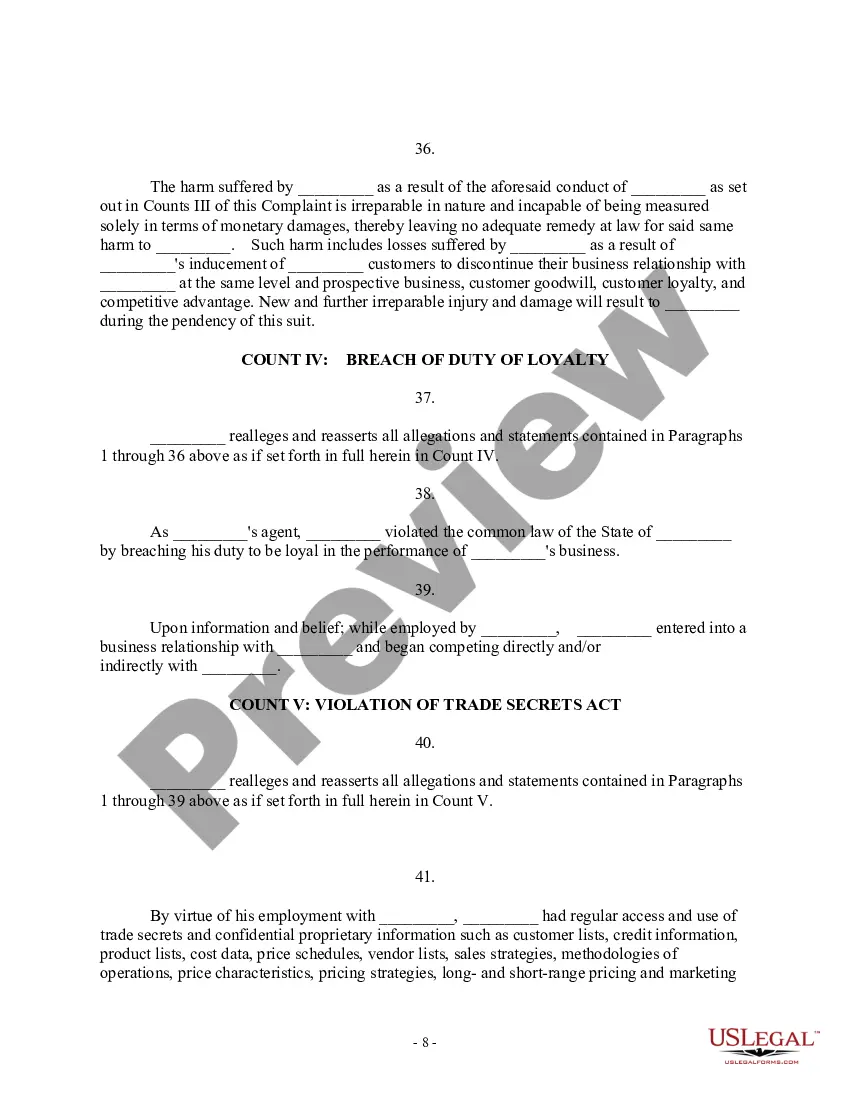
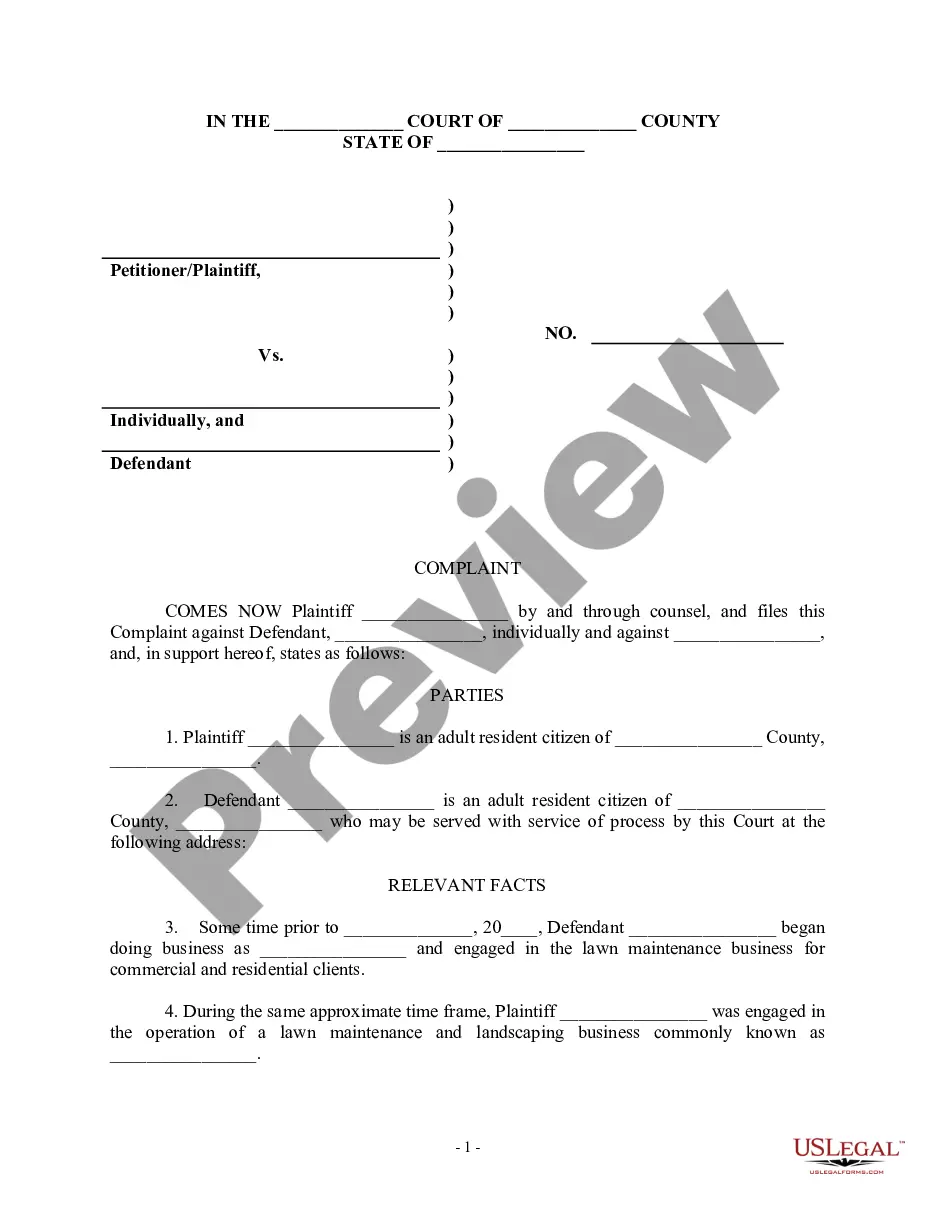
  • Preview Complaint for Injunctive Relief and Damages for Breach of Noncompetition Agreement - Breach of Contract - Violation of Trade Secrets Act
  • Preview Complaint for Injunctive Relief and Damages for Breach of Noncompetition Agreement - Breach of Contract - Violation of Trade Secrets Act
  • Preview Complaint for Injunctive Relief and Damages for Breach of Noncompetition Agreement - Breach of Contract - Violation of Trade Secrets Act
  • Preview Complaint for Injunctive Relief and Damages for Breach of Noncompetition Agreement - Breach of Contract - Violation of Trade Secrets Act
  • Preview Complaint for Injunctive Relief and Damages for Breach of Noncompetition Agreement - Breach of Contract - Violation of Trade Secrets Act
  • Preview Complaint for Injunctive Relief and Damages for Breach of Noncompetition Agreement - Breach of Contract - Violation of Trade Secrets Act
  • Preview Complaint for Injunctive Relief and Damages for Breach of Noncompetition Agreement - Breach of Contract - Violation of Trade Secrets Act
  • Preview Complaint for Injunctive Relief and Damages for Breach of Noncompetition Agreement - Breach of Contract - Violation of Trade Secrets Act

Form popularity

FAQ

What Is an Example of Injunctive Relief? Theft of Clients: If a former employee poaches a company's clients, the innocent party may try to stop the former client from causing further damage. Breach of Contract: Injunctive relief is an effective way to stop an offending party from continuing to breach a contract.

The most common remedy for trademark infringement is injunctive relief. Injunctions are court orders commanding that the infringer immediately cease its unlawful activities. Injunctions address future conduct rather than past actions.

The party seeking a preliminary injunctive relief must demonstrate: (1) irreparable injury in the absence of such an order; (2) that the threatened injury to the moving party outweighs the harm to the opposing party resulting from the order; (3) that the injunction is not adverse to public interest; and (4) that the ...

To warrant preliminary injunctive relief, the moving party must show (1) a substantial likelihood of success on the merits, (2) that it would suffer irrepa- rable injury if the injunction were not granted, (3) that an injunction would not substantially injure other interested parties, and (4) that the public interest ...

To seek a permanent injunction, the plaintiff must pass the four-step test: (1) that the plaintiff has suffered an irreparable injury; (2) that remedies available at law, such as monetary damages, are inadequate to compensate for the injury; (3) that the remedy in equity is warranted upon consideration of the balance ...

The plaintiff has the burden of proving that the defendant has breached the contract and that injunctive relief is necessary to prevent further harm. The plaintiff must also prove that the harm caused by the breach cannot be adequately compensated through monetary damages alone.

Although the test for obtaining a TRO or PI may vary slightly across jurisdictions, generally a plaintiff seeking preliminary injunctive relief must satisfy a four-factor test: (1) that he or she is likely to succeed on the merits of his claims; (2) that he or she is likely to suffer irreparable harm without ...

These courts consider: (1) the likelihood of success on the merits; (2) irreparable harm if the injunction is not granted; (3) whether a balancing of the relevant equities favors the injunction; and (4) whether the issuance of the injunction is in the public interest.

Trusted and secure by over 3 million people of the world’s leading companies

Injunctive Relief For Trademark In Utah