Wrongful Possession Of Property Ipc In Philadelphia
Description


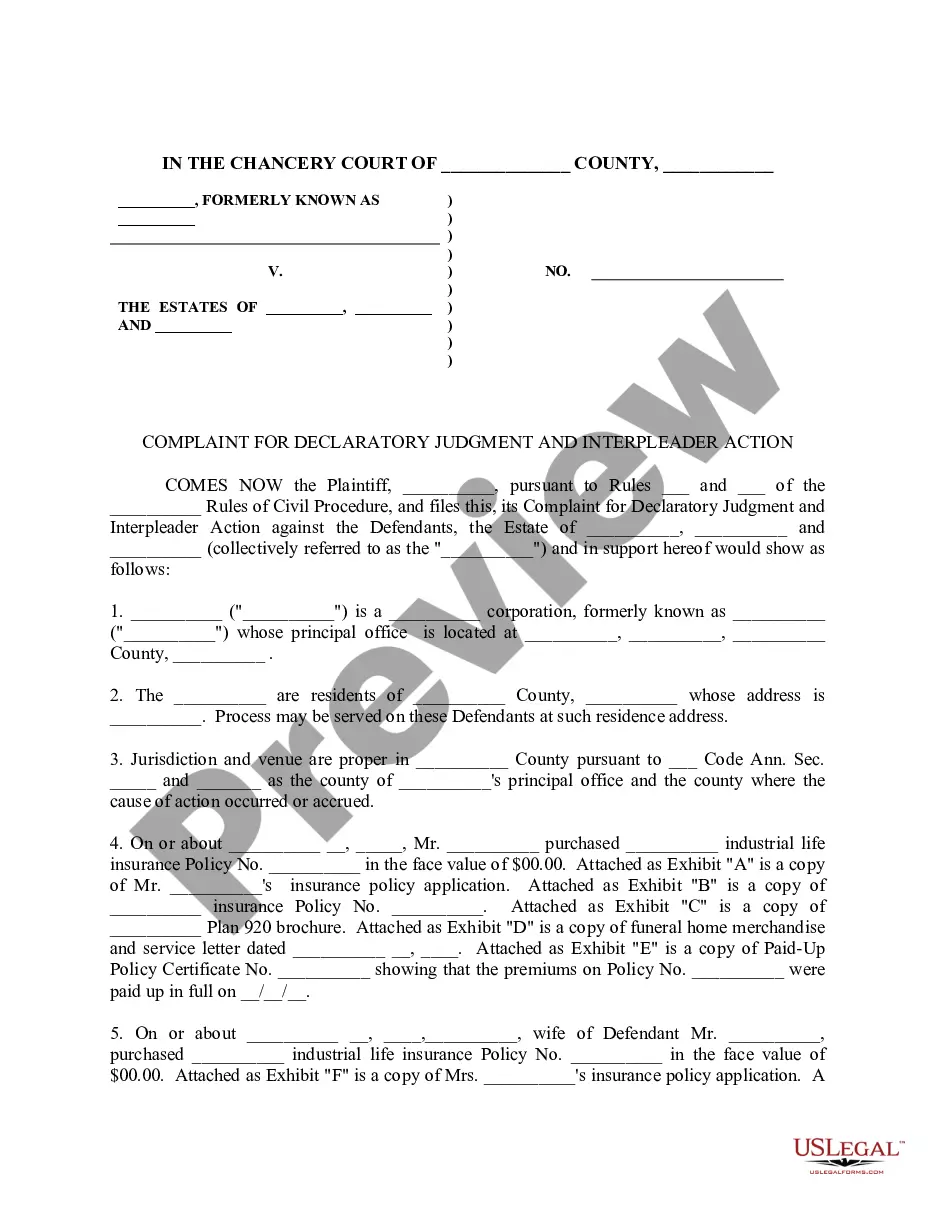
Get your form ready online
Our built-in tools help you complete, sign, share, and store your documents in one place.
Make edits, fill in missing information, and update formatting in US Legal Forms—just like you would in MS Word.
Download a copy, print it, send it by email, or mail it via USPS—whatever works best for your next step.
Sign and collect signatures with our SignNow integration. Send to multiple recipients, set reminders, and more. Go Premium to unlock E-Sign.
If this form requires notarization, complete it online through a secure video call—no need to meet a notary in person or wait for an appointment.
We protect your documents and personal data by following strict security and privacy standards.

Make edits, fill in missing information, and update formatting in US Legal Forms—just like you would in MS Word.

Download a copy, print it, send it by email, or mail it via USPS—whatever works best for your next step.

Sign and collect signatures with our SignNow integration. Send to multiple recipients, set reminders, and more. Go Premium to unlock E-Sign.

If this form requires notarization, complete it online through a secure video call—no need to meet a notary in person or wait for an appointment.

We protect your documents and personal data by following strict security and privacy standards.
Looking for another form?
Form popularity
FAQ
Timeline for Evictions StepAverage Timeline Issuing an Official Notice 10-30 days Filing and Serving the Complaint A few days to weeks Court Hearing and Judgment 7-10 days Obtaining a Writ of Possession 5-11 days1 more row •
To sum this up: a Philadelphia eviction, from eviction notice to removing the tenant, could take roughly 2-4 months. Assuming the tenant doesn't appeal, which would complicate matters.
Serve the tenant with the Writ of Possession: You must have the Writ of Possession served on the tenant by a sheriff, constable, or other authorized individual. Wait for the tenant to vacate: Once the Writ of Possession is served on the tenant, they must vacate the premises within 24 hours.
Timeline for Evictions StepAverage Timeline Issuing an Official Notice 10-30 days Filing and Serving the Complaint A few days to weeks Court Hearing and Judgment 7-10 days Obtaining a Writ of Possession 5-11 days1 more row •
If a property owner discovers squatters on their land in Pennsylvania, they can: Serve the squatters with a notice to vacate, giving them 10-30 days to leave. File an eviction lawsuit against the squatters if they do not leave. Obtain a court order to have the sheriff forcibly remove the squatters.
It isn't a "writ of stay", it is a motion to stay writ of execution. Simply put, the Motion to Stay the Writ of Possession is a document filed with the court asking the judge to “stay” or “stop” the sheriff from executing the Writ of Possession and removing the resident.
P. Rule 588 Motion for Return of Property reads: A person aggrieved by a search and seizure, whether or not executed pursuant to a warrant, may move for the return of the property on the ground that he or she is entitled to lawful possession thereof.
The only thing you can do at this point is file a Motion to Stay Execution of Writ of Possession. This motion will put the execution of the eviction order on hold for up to 10 days.
