Sample Contract Agreement For Borrowing Money In Kings
Description



Form popularity
FAQ
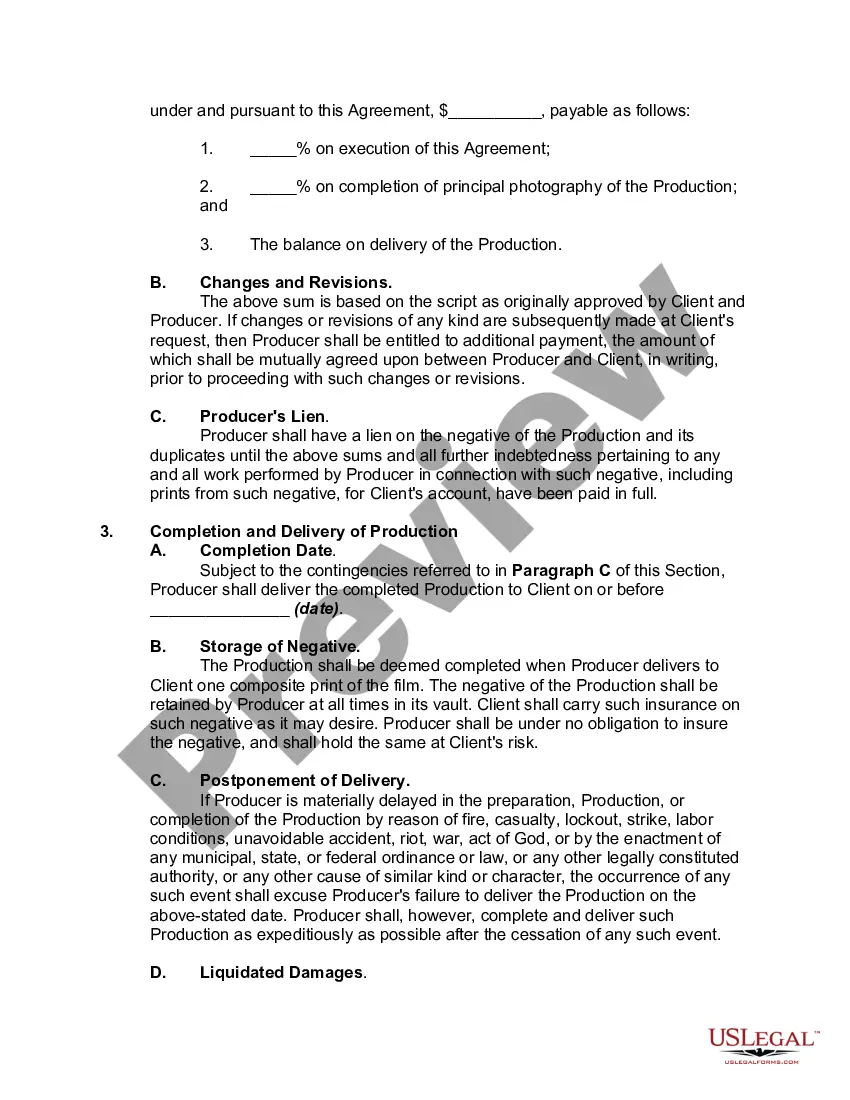
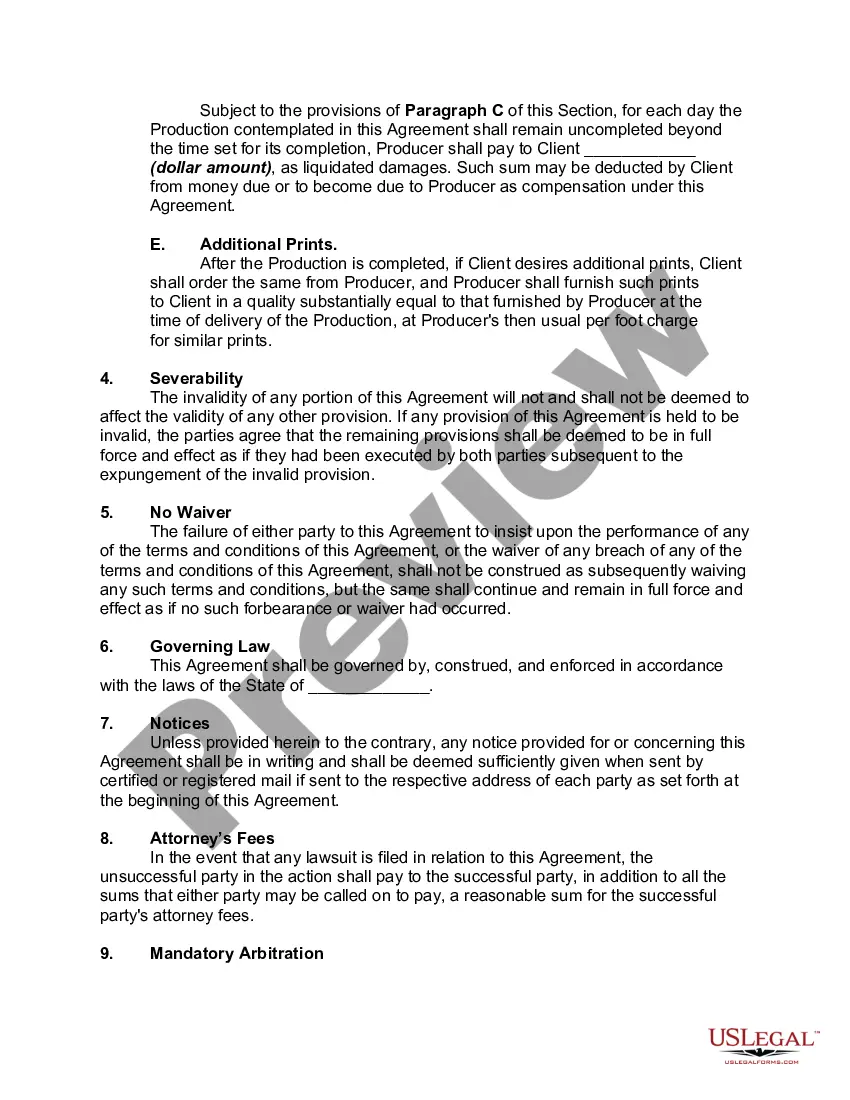
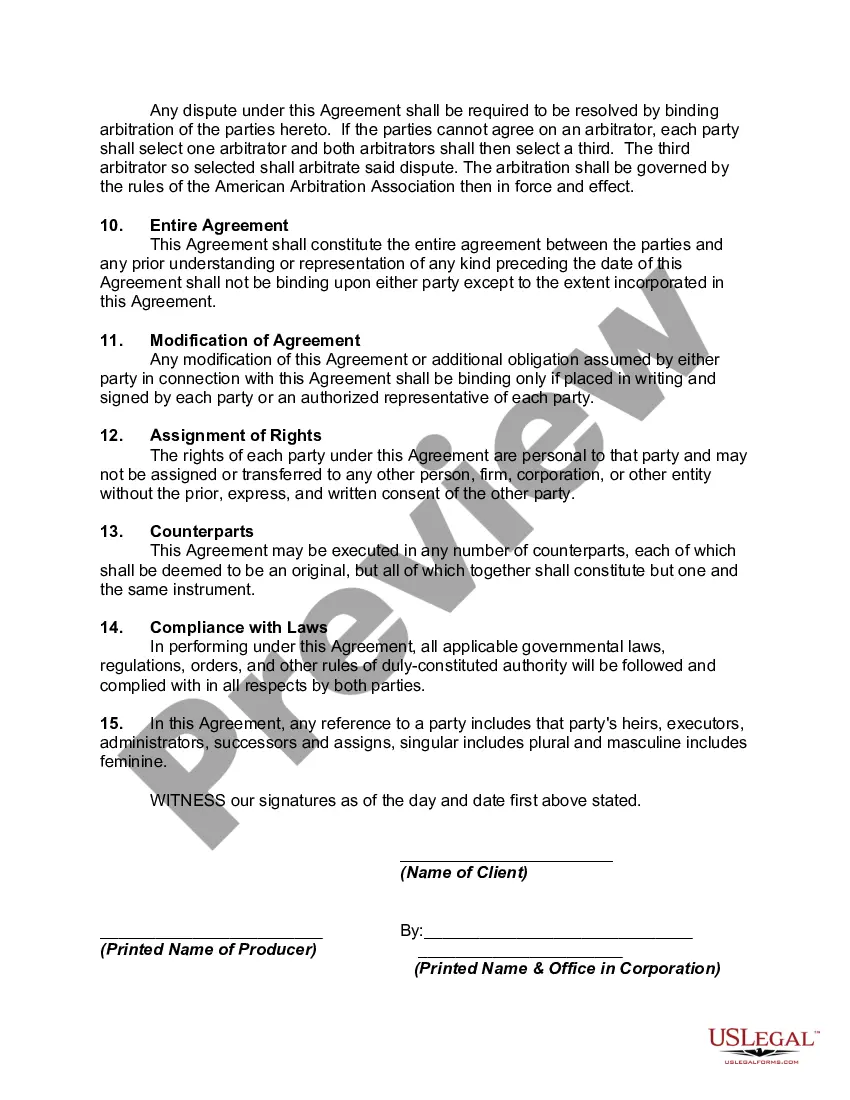
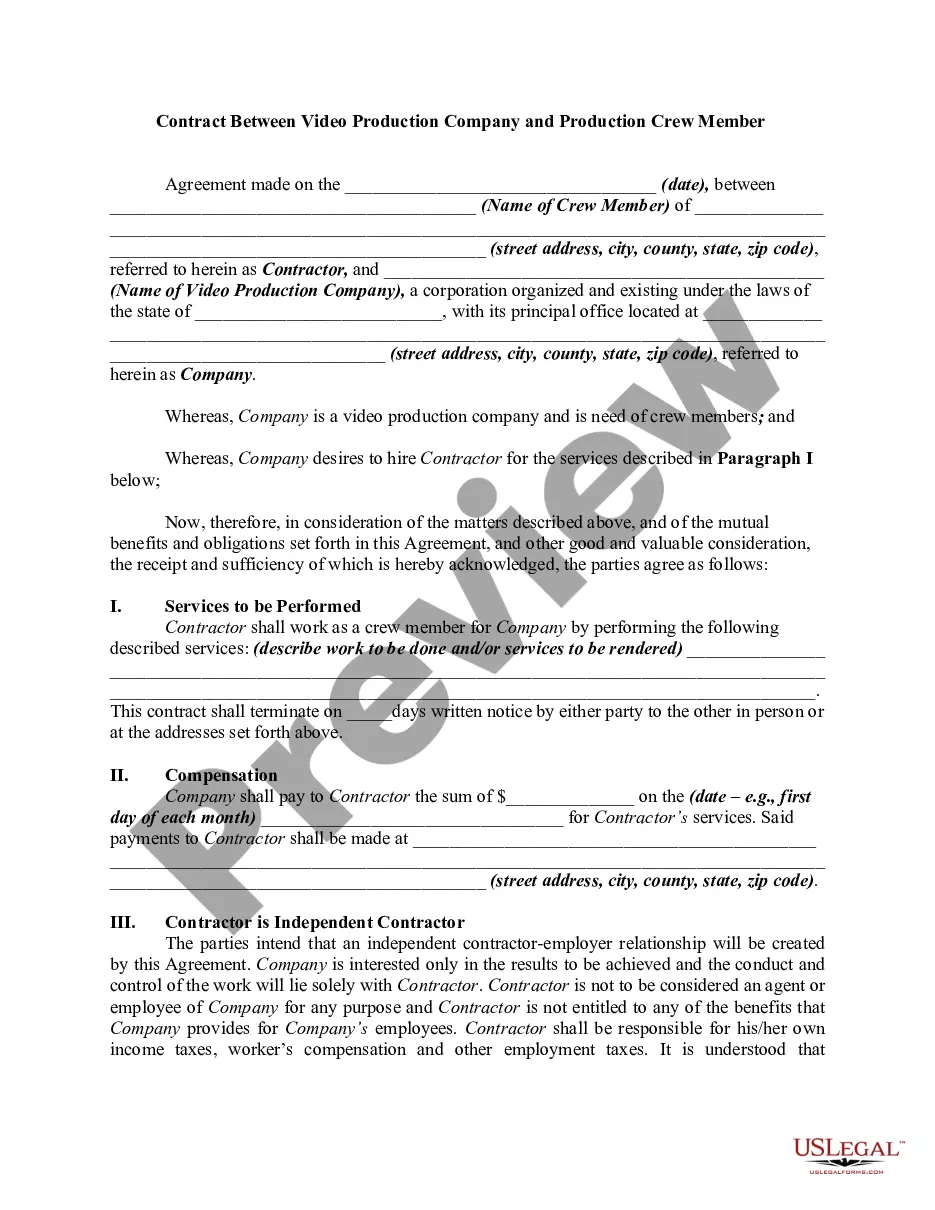
For a contract to be legally binding, there must be: an offer; acceptance of that offer; consideration between contracting parties; an intention to create legal relationships shown by both parties; and. clarity in the contract's terms.
How to draft a contract in 13 simple steps Start with a contract template. Understand the purpose and requirements. Identify all parties involved. Outline key terms and conditions. Define deliverables and milestones. Establish payment terms. Add termination conditions. Incorporate dispute resolution.
Some contracts need to be notarized, such as real estate contracts, wills, trusts, or debt agreements. If this type of contract isn't notarized, it may be considered an unenforceable contract.
Promissory notes are specific to loans and repayment agreements. They outline the borrower's promise to repay a debt, along with the terms and conditions of repayment. Contracts, on the other hand, cover a broader spectrum of agreements and relationships, including sales, services, partnerships, employment, and more.
How to draft a contract between two parties: A step-by-step checklist Know your parties. Agree on the terms. Set clear boundaries. Spell out the consequences. Specify how you will resolve disputes. Cover confidentiality. Check the legality of the contract. Open it up to negotiation.
