Sample Contract Agreement For Car Sale In Minnesota
Description

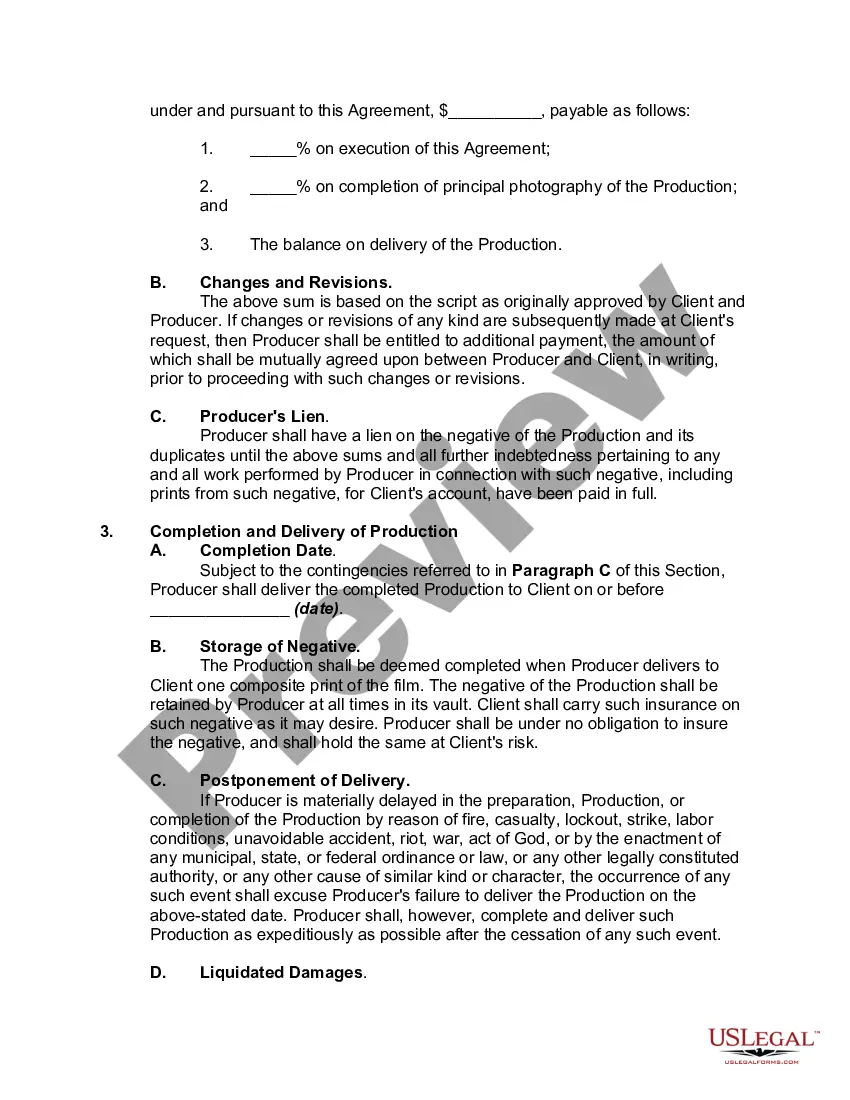
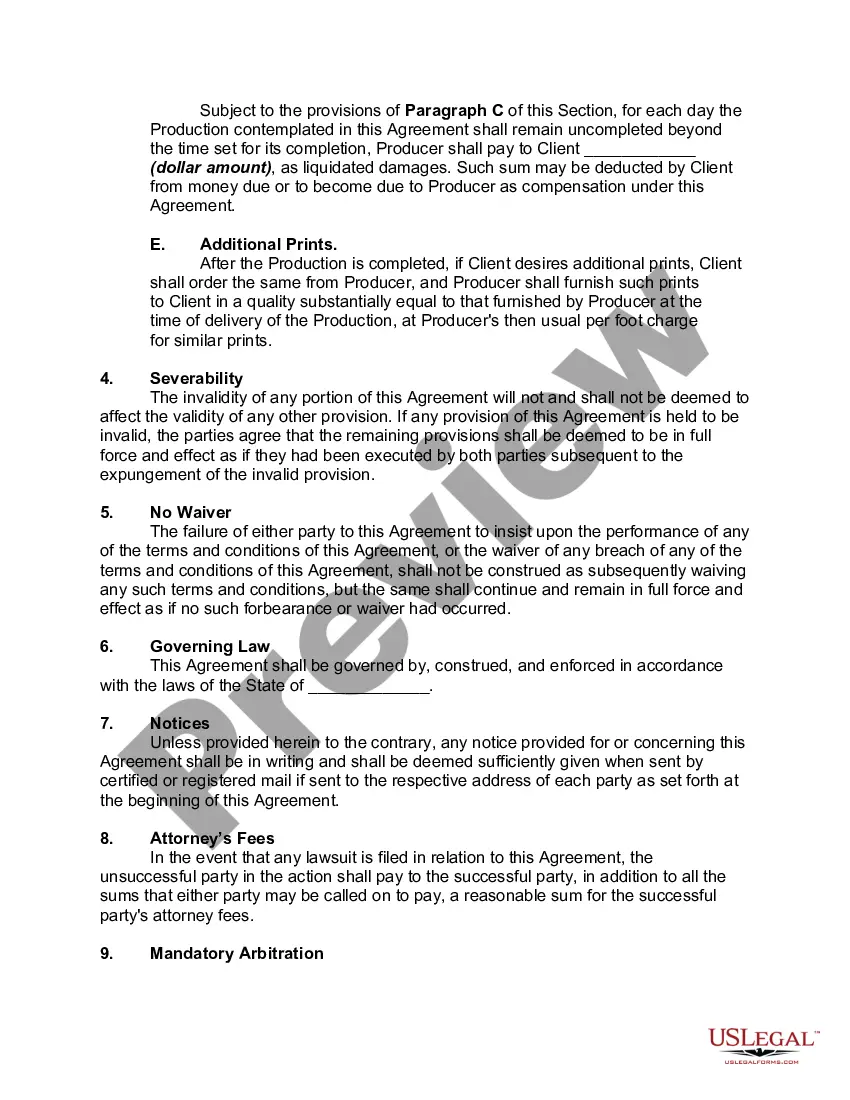
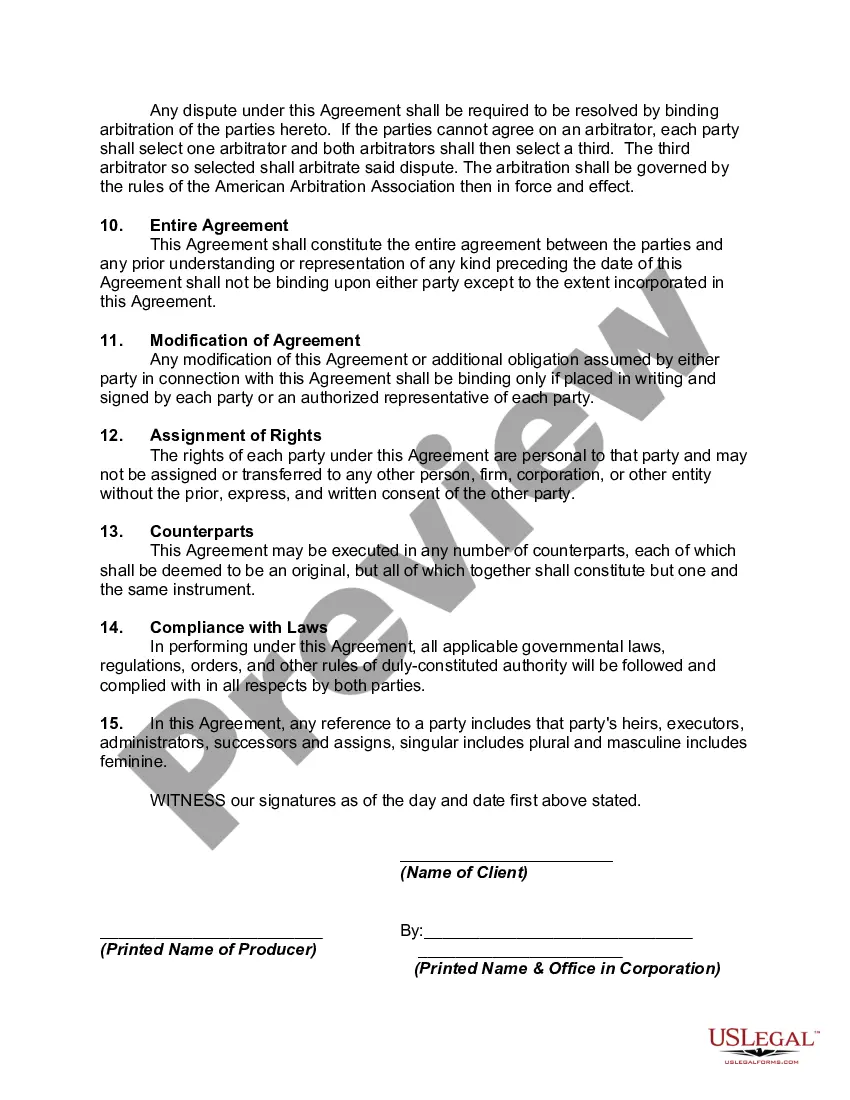
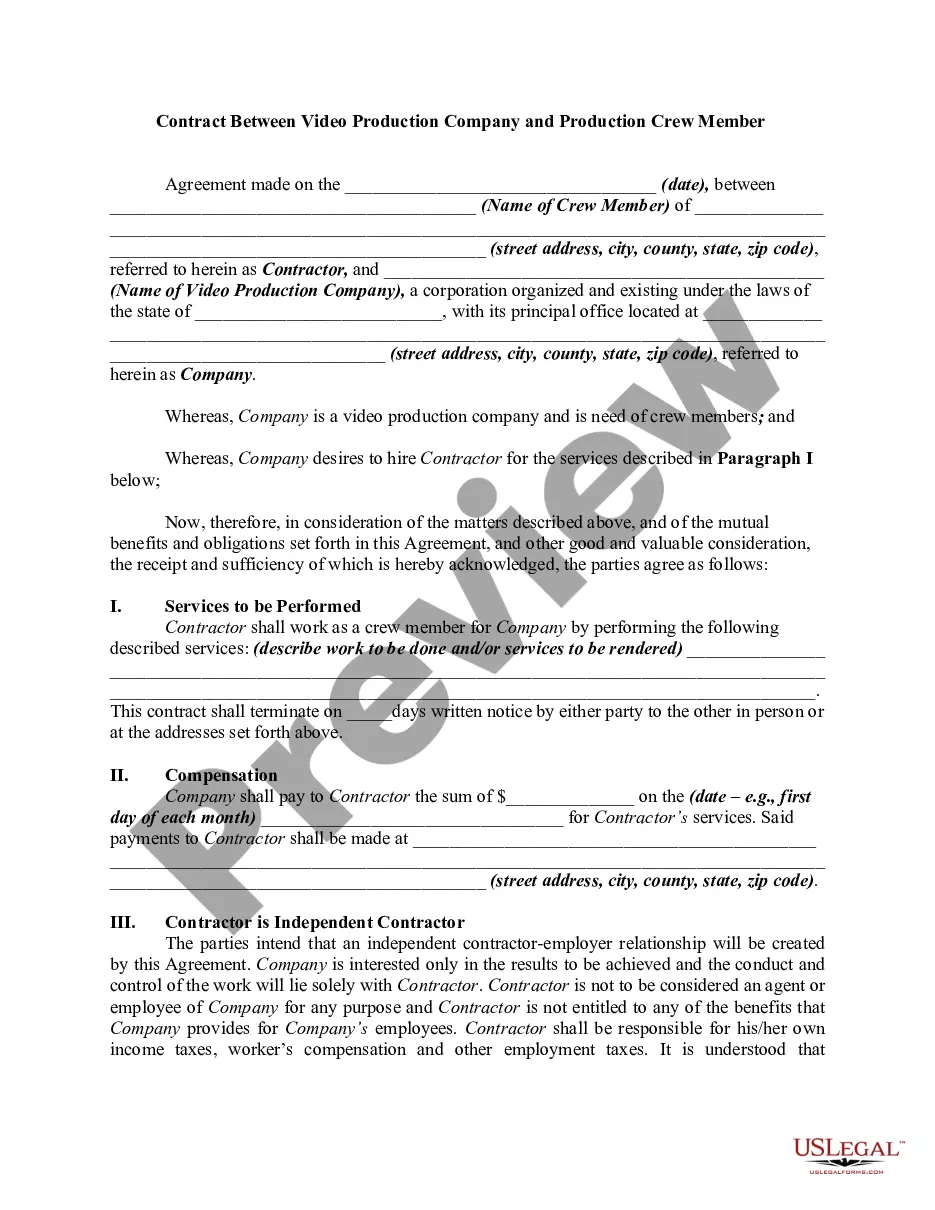
Get your form ready online
Our built-in tools help you complete, sign, share, and store your documents in one place.
Make edits, fill in missing information, and update formatting in US Legal Forms—just like you would in MS Word.
Download a copy, print it, send it by email, or mail it via USPS—whatever works best for your next step.
Sign and collect signatures with our SignNow integration. Send to multiple recipients, set reminders, and more. Go Premium to unlock E-Sign.
If this form requires notarization, complete it online through a secure video call—no need to meet a notary in person or wait for an appointment.
We protect your documents and personal data by following strict security and privacy standards.

Make edits, fill in missing information, and update formatting in US Legal Forms—just like you would in MS Word.

Download a copy, print it, send it by email, or mail it via USPS—whatever works best for your next step.

Sign and collect signatures with our SignNow integration. Send to multiple recipients, set reminders, and more. Go Premium to unlock E-Sign.

If this form requires notarization, complete it online through a secure video call—no need to meet a notary in person or wait for an appointment.

We protect your documents and personal data by following strict security and privacy standards.
Looking for another form?


Form popularity
FAQ
Minnesota doesn't require a bill of sale to transfer a title or register a vehicle. But the document can still offer legal protection for both buyers and sellers.
How to Sell a Car in Minnesota Step 1: Allow the buyer to have the car inspected by a third party. Step 2: Organize and gather all related vehicle documentation. Step 3: Bill of Sale. Step 4: Transfer the title and report the sale. Step 5: Don't remove the plates and report the sale.
Co-Borrowers And Joint Auto Loans Even though you both own the car, you may not both need to be present when you sell or trade the vehicle. When you need to sell the car but the co-borrower can't be there, you may be able to sign over the title without them, but you can't do it without their permission.
Minnesota law requires a title be transferred within 10 business days of the date of sale to avoid a penalty. The Anoka County License Centers recommend that all buyers and sellers appear in person to complete the title transfer.
Notarization isn't always required for a bill of sale in Minnesota. However, for certain transactions, such as the sale of a motor vehicle, notarizing the document can provide additional legal protection.
Dispute Prevention: A notarized bill of sale strengthens your case in case of ownership disagreements, as it provides a documented and impartial record of the transaction.
Many states don't mandate notarization for bills of sale. States like California, Texas, Florida, Ohio, and New York allow transactions without a notarized document. In these states, a signed bill of sale is often sufficient for legal purposes, provided it includes all required information.
A bill of sale on its own can serve as evidence of a transaction but may lack specific enforceable conditions. To strengthen its binding nature, additional elements can be included: Detailed Descriptions: List all relevant details of the item sold, including serial numbers, make, model, and condition.
No, a Minnesota bill of sale isn't required for vehicle registration at the DMV. However, having a bill of sale can be beneficial as it serves as proof of ownership and documents the details of the transaction.
“Borrower” and “Borrower” – With the modifier of “and,” it means that both borrowers must be present for the sale of the car. “Borrower” or “Borrower” – With the modifier “or,” either of the borrowers can sign the title to sell the vehicle.
