Movie Agreement Contract With Security Agency In Philadelphia
Description

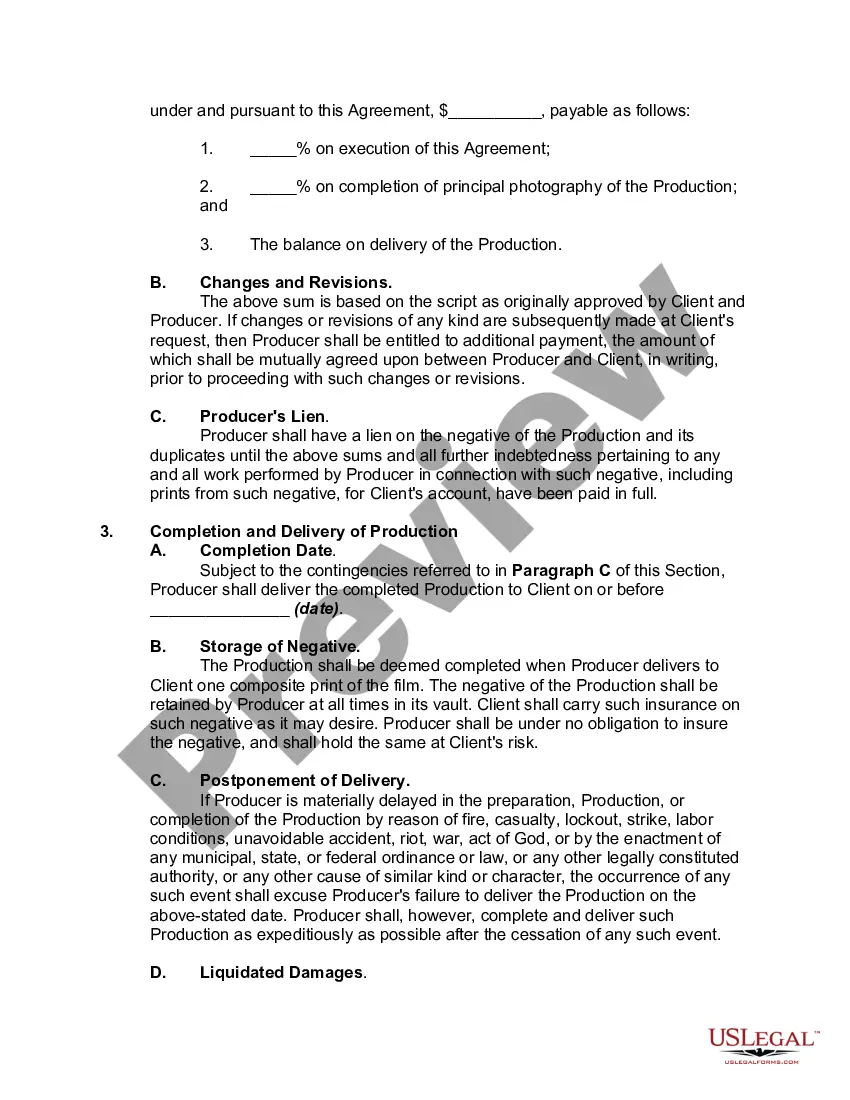
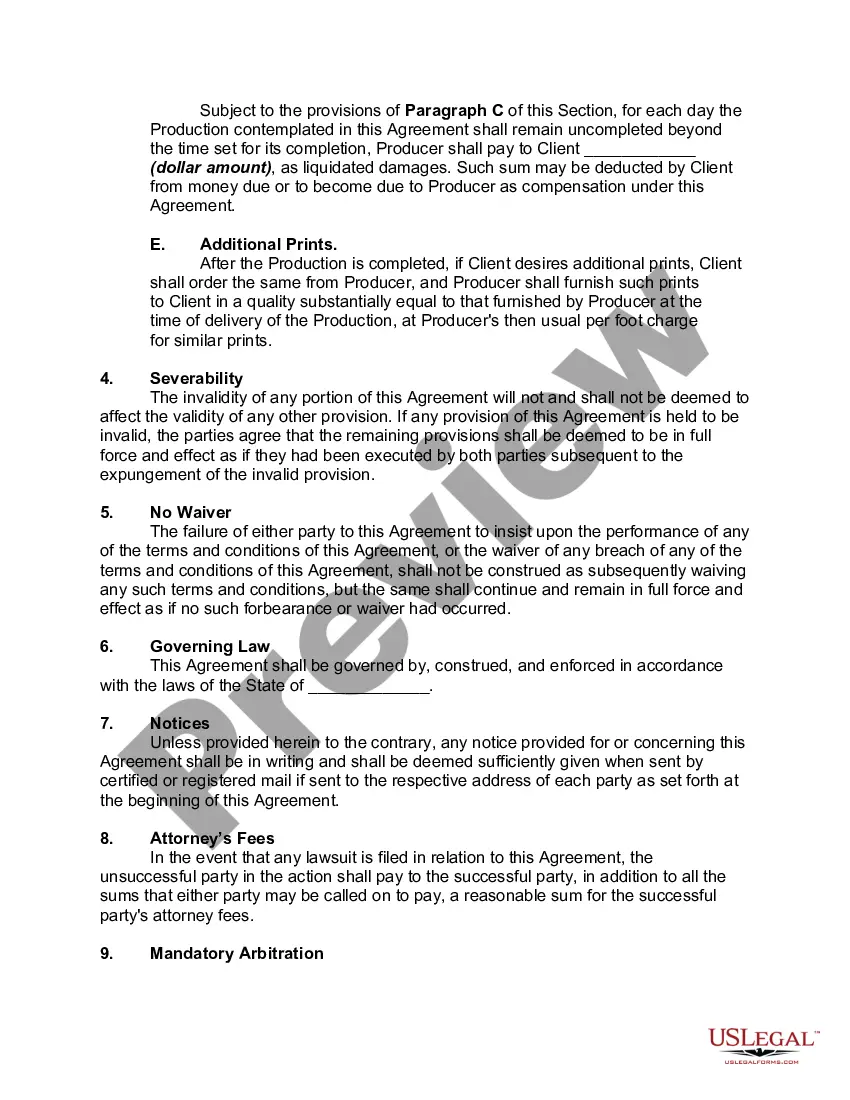
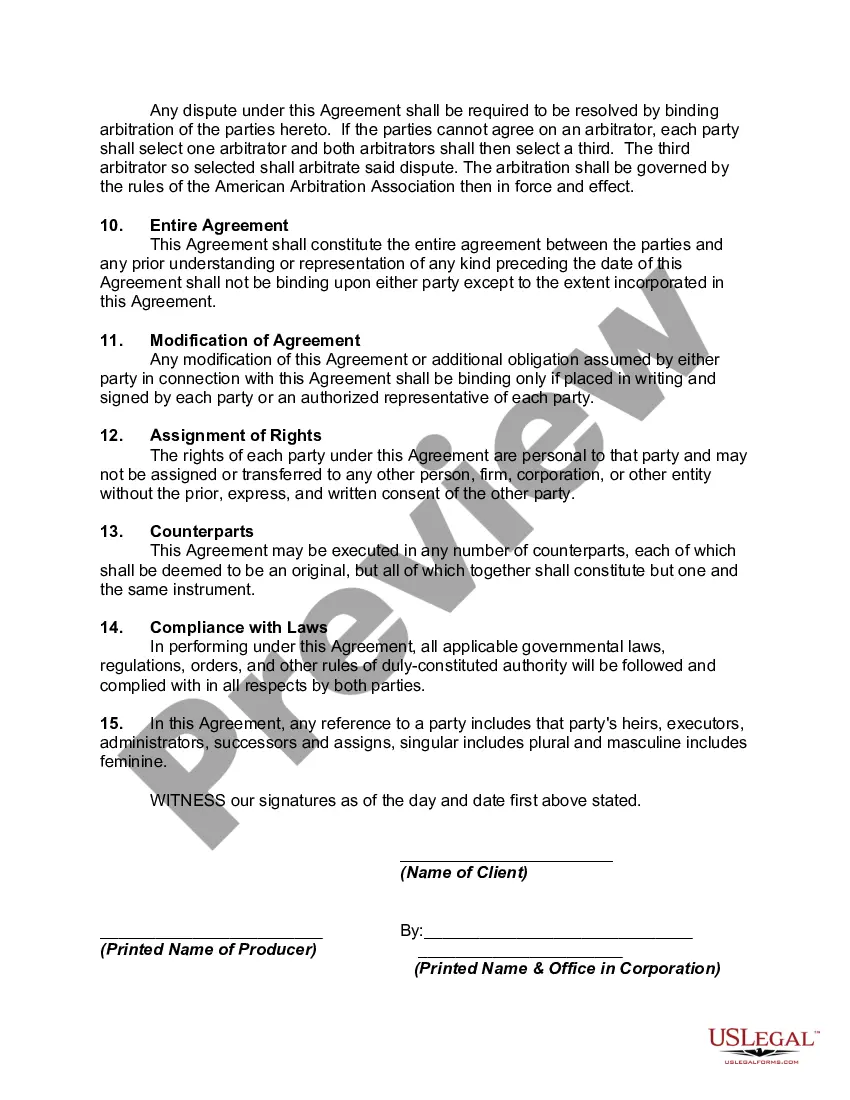
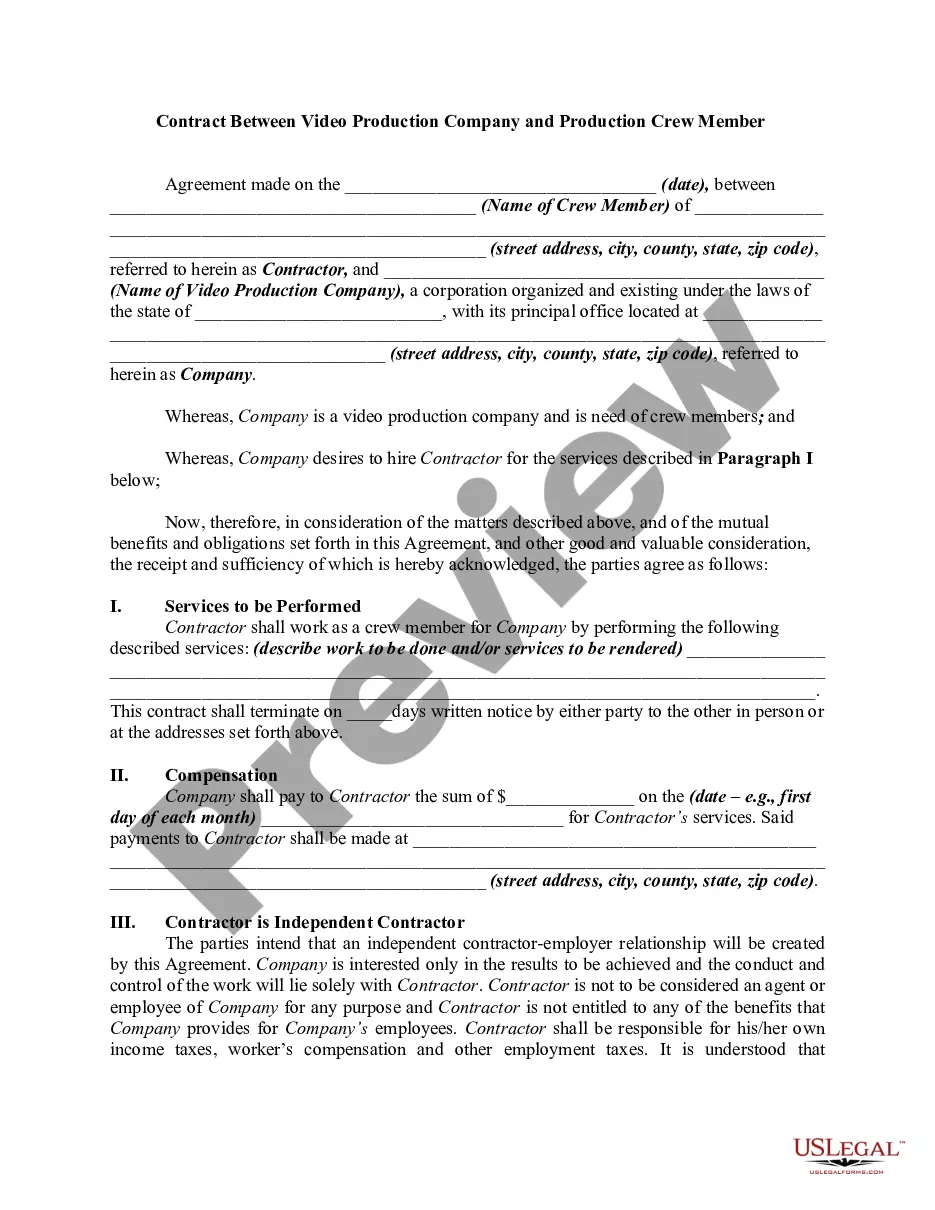
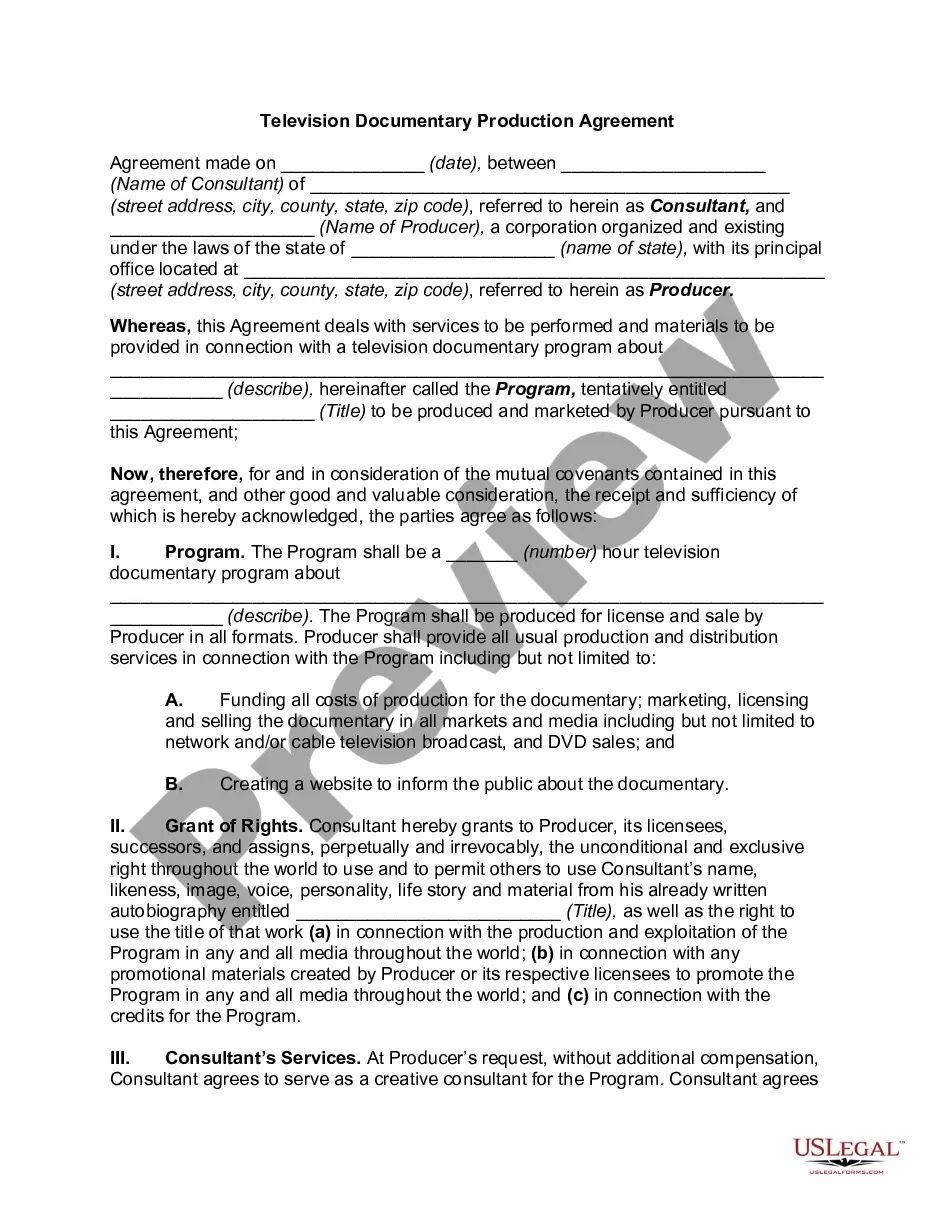
Get your form ready online
Our built-in tools help you complete, sign, share, and store your documents in one place.
Make edits, fill in missing information, and update formatting in US Legal Forms—just like you would in MS Word.
Download a copy, print it, send it by email, or mail it via USPS—whatever works best for your next step.
Sign and collect signatures with our SignNow integration. Send to multiple recipients, set reminders, and more. Go Premium to unlock E-Sign.
If this form requires notarization, complete it online through a secure video call—no need to meet a notary in person or wait for an appointment.
We protect your documents and personal data by following strict security and privacy standards.

Make edits, fill in missing information, and update formatting in US Legal Forms—just like you would in MS Word.

Download a copy, print it, send it by email, or mail it via USPS—whatever works best for your next step.

Sign and collect signatures with our SignNow integration. Send to multiple recipients, set reminders, and more. Go Premium to unlock E-Sign.

If this form requires notarization, complete it online through a secure video call—no need to meet a notary in person or wait for an appointment.

We protect your documents and personal data by following strict security and privacy standards.
Looking for another form?
Form popularity
FAQ
Contracts in film production secure the rights and obligations of all parties involved, from actors and directors to producers and screenwriters. They cover aspects like compensation, working conditions, and intellectual property rights.
Yes, it's just a matter of who gets covered by a SAG-AFTRA contract. Under the Student Film and Ultra Low Budget Agreements, only the professional performers in the cast are covered (that includes SAG-AFTRA members, but also professional actors who have not yet joined the union).
SAG Short Project Agreements cover films that have total budgets less than $50,000 and a maximum running time of 40 minutes. (Note: This does not apply to episodic or animated projects.) Unlike other SAG day rates, actor salaries under the SAG Short Project Agreement are completely negotiable.
SAG Theatrical Performer Only Rate Table TierBudget RangeDaily Rate Basic Agreement >$2 MM $1,056 Low Budget (>80min) $700k - $2 MM $686 Modified Low Budget (>80min) $300k - $700k $370 Ultra Low <$250k (Including deferrals <$500K) $2112 more rows •
New Minimum Rates Effective November 9, 2023, there is a 7% general wage increase: Ultra Low Budget Daily Rate: $232. Moderate Low Budget Daily Rate: $405. Moderate Low Budget Weekly Rate: $1,407.
Most actor contracts are between two and three pages long. The typical term for an actor contract is a certain a number of months after the film or play premieres, although some go on indefinitely. Term lengths can vary greatly! The typical term for an agent or manager contract for actors is about 12 to 18 months.
If an actor quits a project, they may face professional consequences. This could include damaging their reputation within the industry, losing future job opportunities, and possibly even facing legal ramifications if contractual obligations are not fulfilled.
A film production agreement is a contract between an investor or client and a production company. It sets out the basis on which a production company will produce a film and describes the stages of that process. These stages can include development, pre-production, filming, post-production, delivery and distribution.
This is the master agreement for theatrical motion pictures, and spells out the responsibilities of producers working in that medium.
