Leased Employee Agreement With Mexico In Allegheny
Description







Form popularity
FAQ
There is only one type of PEO: the organization provides HR and employee relations support services for a business's existing workforce. In short, PEOs offer outsourced HR services.
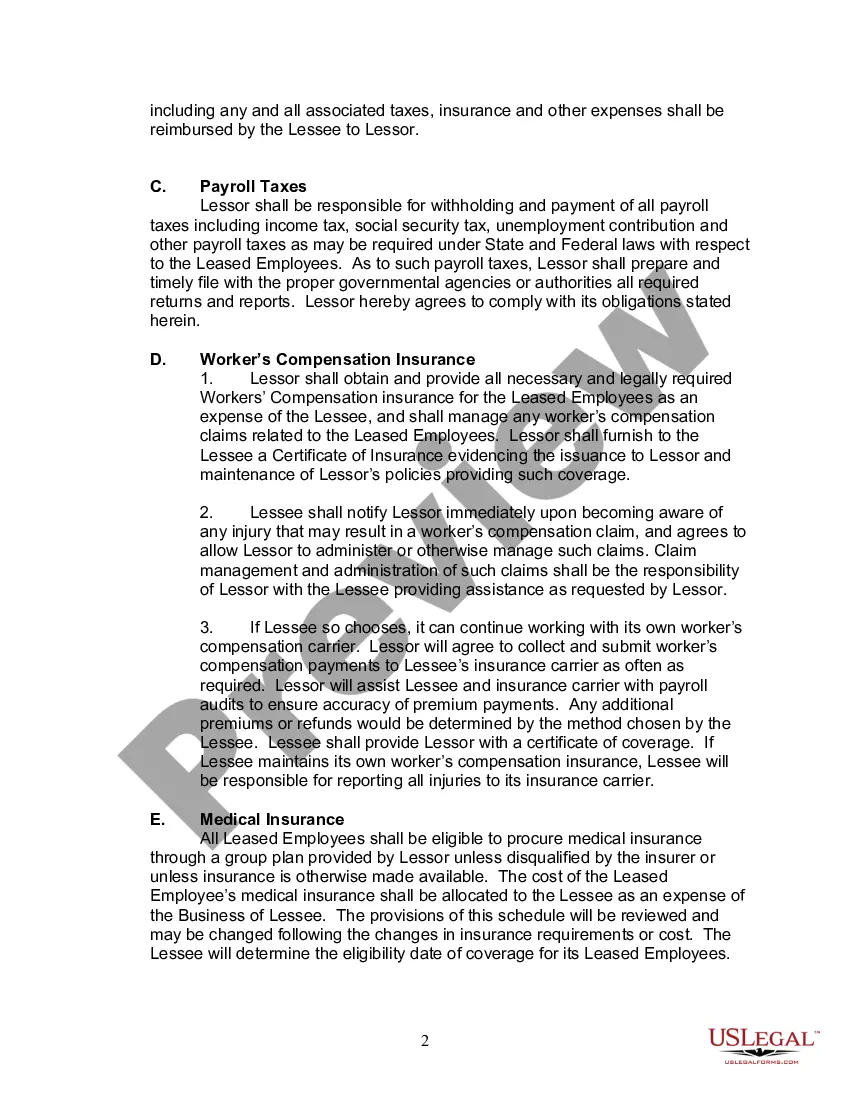
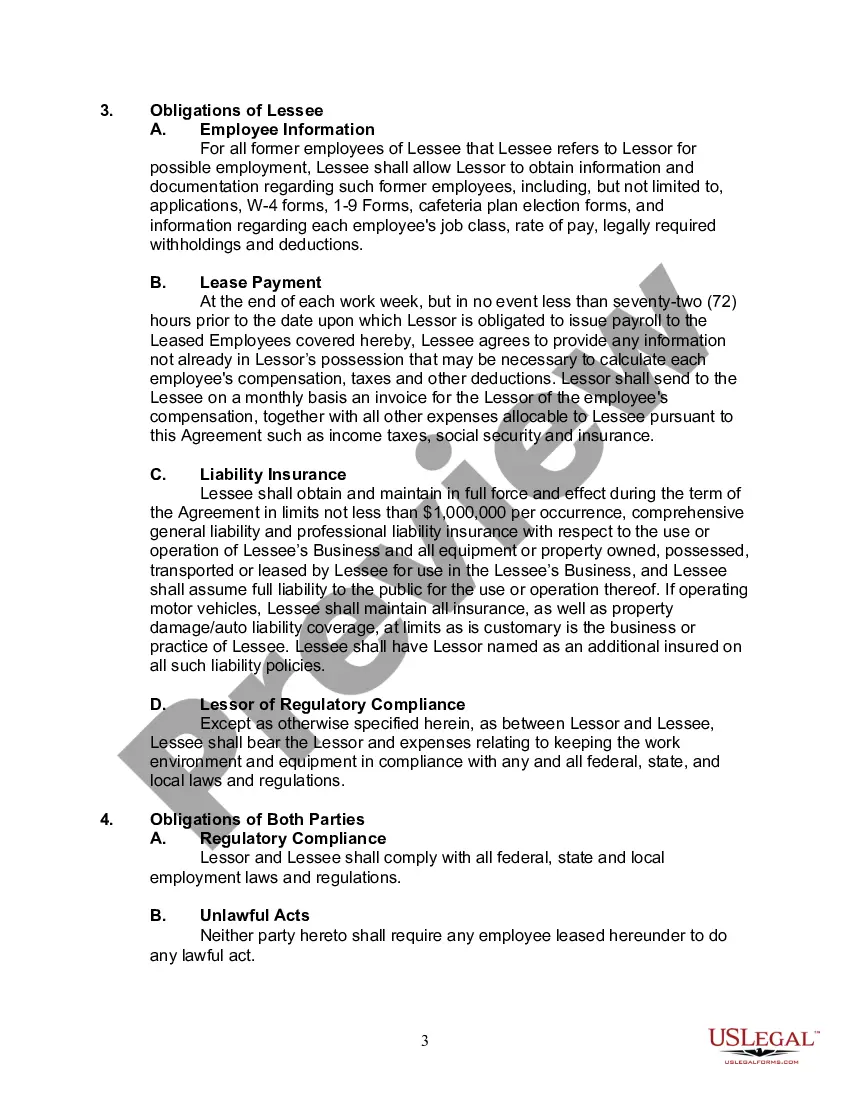
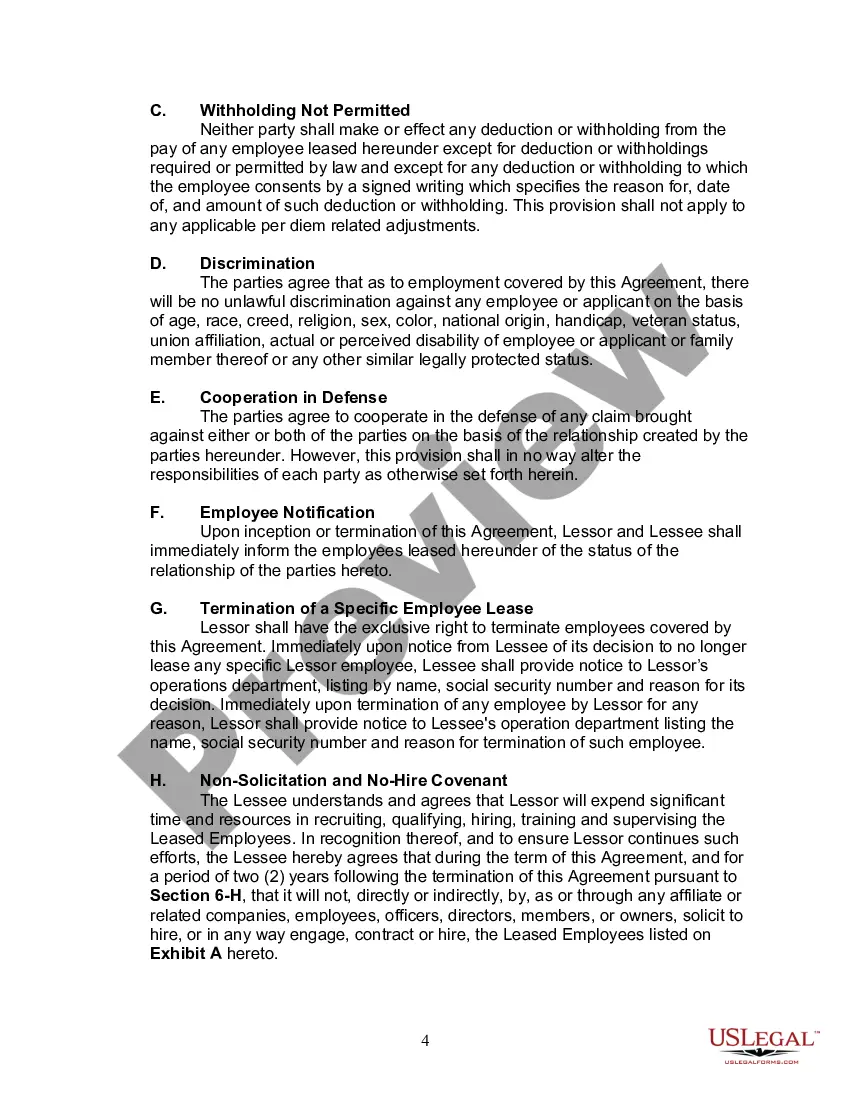
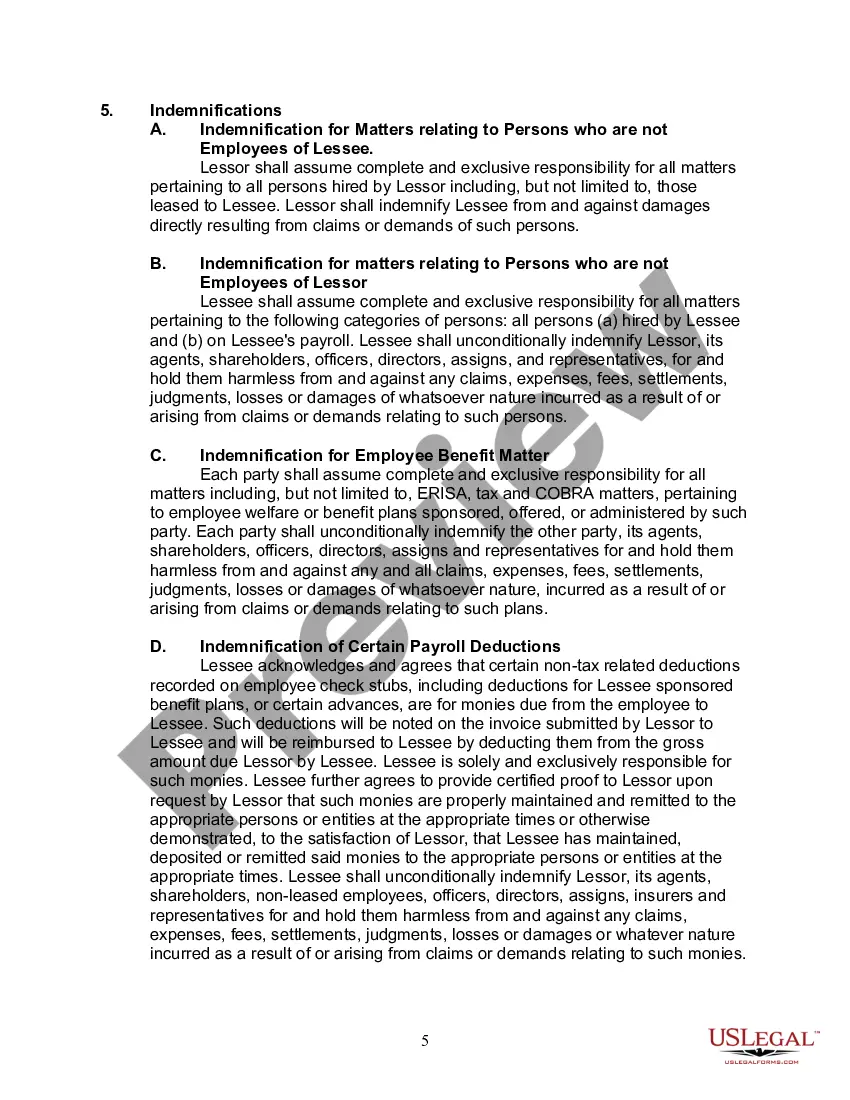
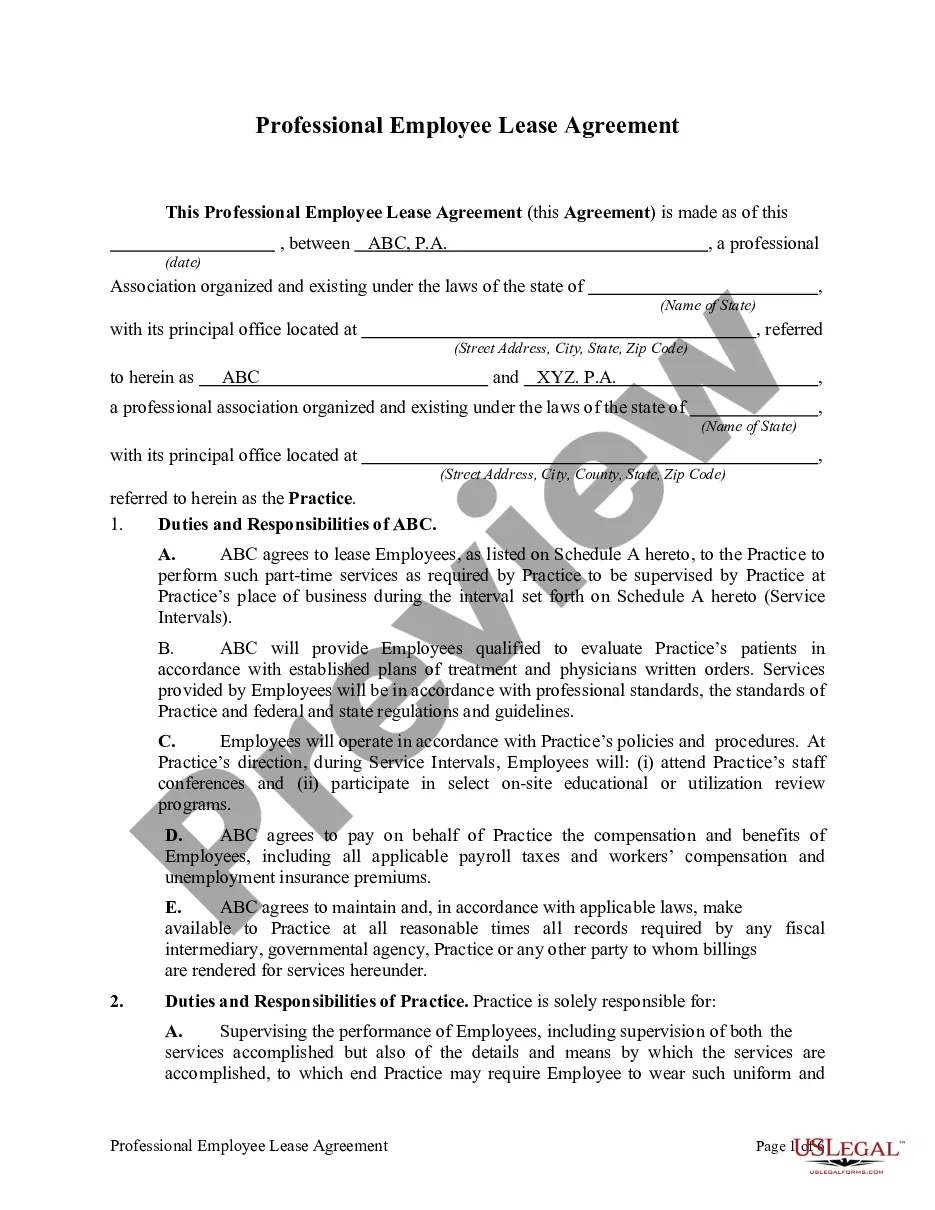
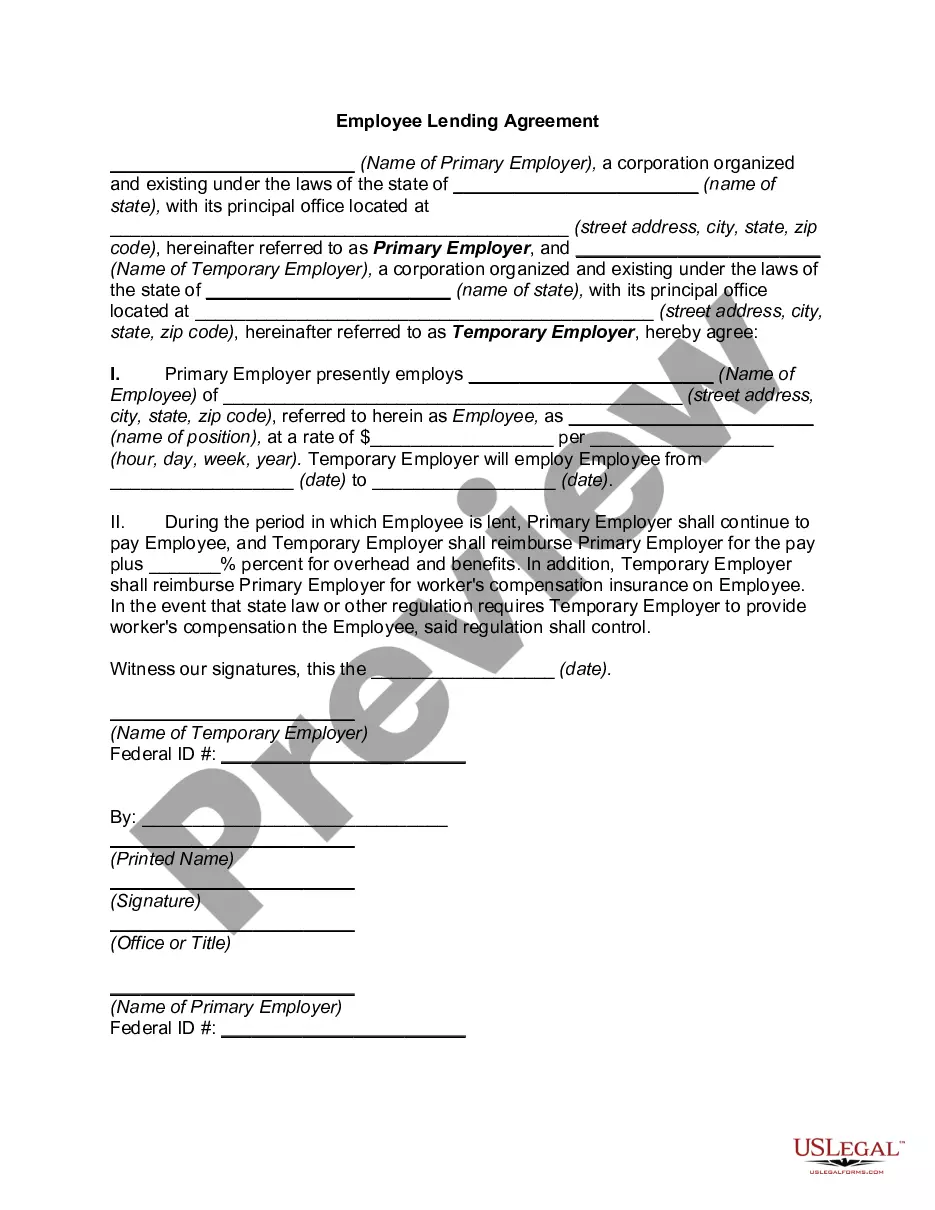
Employee leasing is an arrangement between a business and a staffing firm, who supplies workers on a project-specific or temporary basis. These employees work for the client business, but the leasing agency pays their salaries and handles all of the HR administration associated with their employment.
Employee leasing and working with a PEO are not the same thing. PEOs operate under a co-employment model, which is different from the typical employee leasing arrangements. During a co-employment arrangement, the PEO is listed as a co-employer.
PEOs typically serve as a professional employer of their clients' employees. The client company reports its wages under the PEO's federal employer identification number (FEIN), and employee liability shifts to the PEO.
Summary Definition: Temporary workers assigned to a client by a leasing company for a specific project or timeframe.
The key difference between employee leasing and co-employment is staffing. An employee leasing agency will provide you with temporary workers, but a PEO doesn't. In a co-employment arrangement, you supply and manage your own workforce, while the PEO helps you handle HR administration.
Employee leasing, also known as staff leasing, is a business arrangement where a company hires employees from a third-party organization and then leases them back to the original company.
While leased employees are legally employed by a PEO, they work under the day-to-day management and supervision of the leasing business — much like any other employee.
Drawbacks of employee leasing Less control: One of the greatest risks of employee leasing is that you're delegating an important part of your business to an outside company that doesn't know your business as well as you do. You lose control of your processes, systems and benefits.
