Employee Leasing Agreement Ford In Fairfax
Description



Form popularity
FAQ
Include relevant details such as the date of writing, the dates of any instances referenced within the letter, and your contact information and unit number. Depending on your reason for writing a letter, you may wish to cite the details of your lease or the tenant laws in your state.
State laws on leases and rental agreements can vary, but a landlord or property management company should provide you with a copy of your signed lease upon request. You should make your request in writing, so you have proof if there is a dispute later.
There is a state ban on rent control, governed by VA Stat. § 55.1-1200. This enables landlords to set rent and increase it across the state, given that they provide proper notice. On the other hand, the landlord can increase the rent with certain discretions, as much as they wish, and whenever they want.
How much can a landlord raise the rent? There is no rent control in Virginia. Therefore, there is no limit on rent increases a landlord can impose, but they must give a 30-day written notice of the increase. If a tenant objects to the new rent amount, they have the right to vacate the unit within that 30-day period.
Starting July 1, 2020, all landlords must offer the Statement of Tenant Rights and Responsibilities to any prospective tenant. Both the landlord and tenant must sign a form at the end of the statement acknowledging that the tenant has received from the landlord the statement of tenant rights and responsibilities.
What are the most important steps for drafting a commercial lease agreement? Identify the parties and the property. Determine the rent and the term. Negotiate the improvements and the maintenance. Allocate the taxes and the insurance. Include the clauses and the contingencies. Review and sign the agreement.
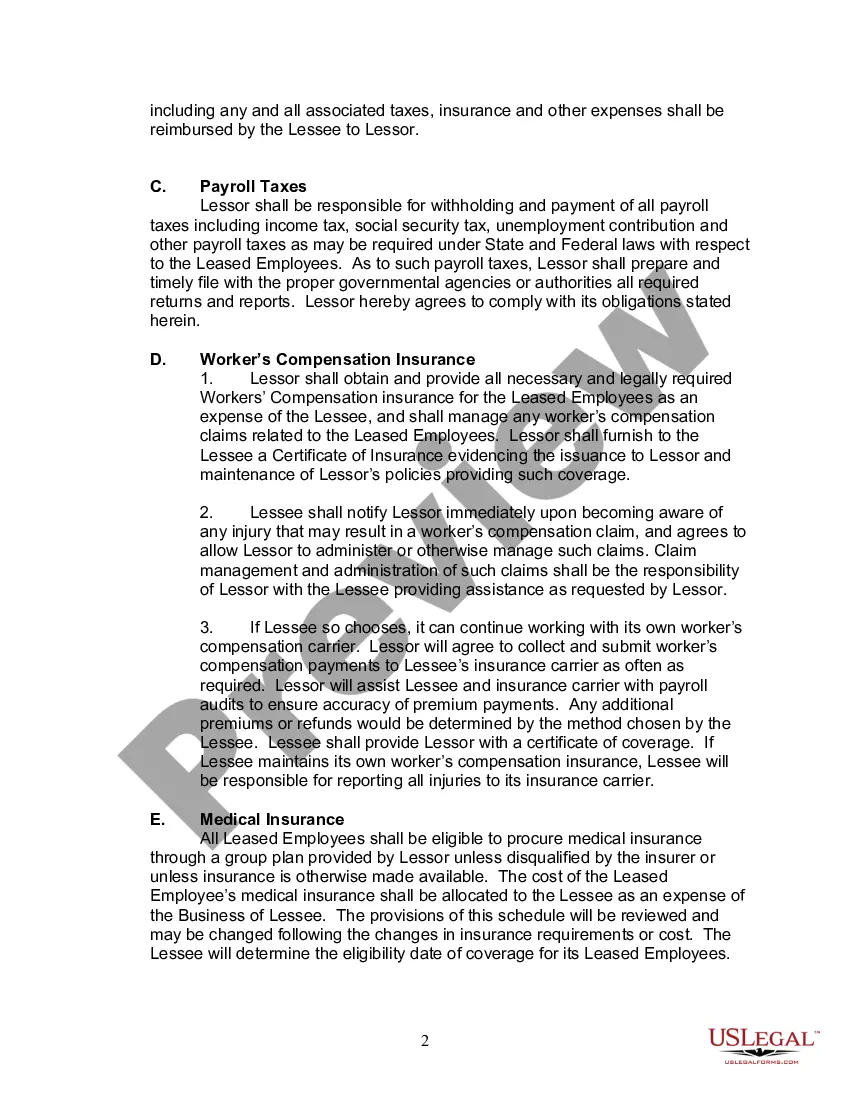
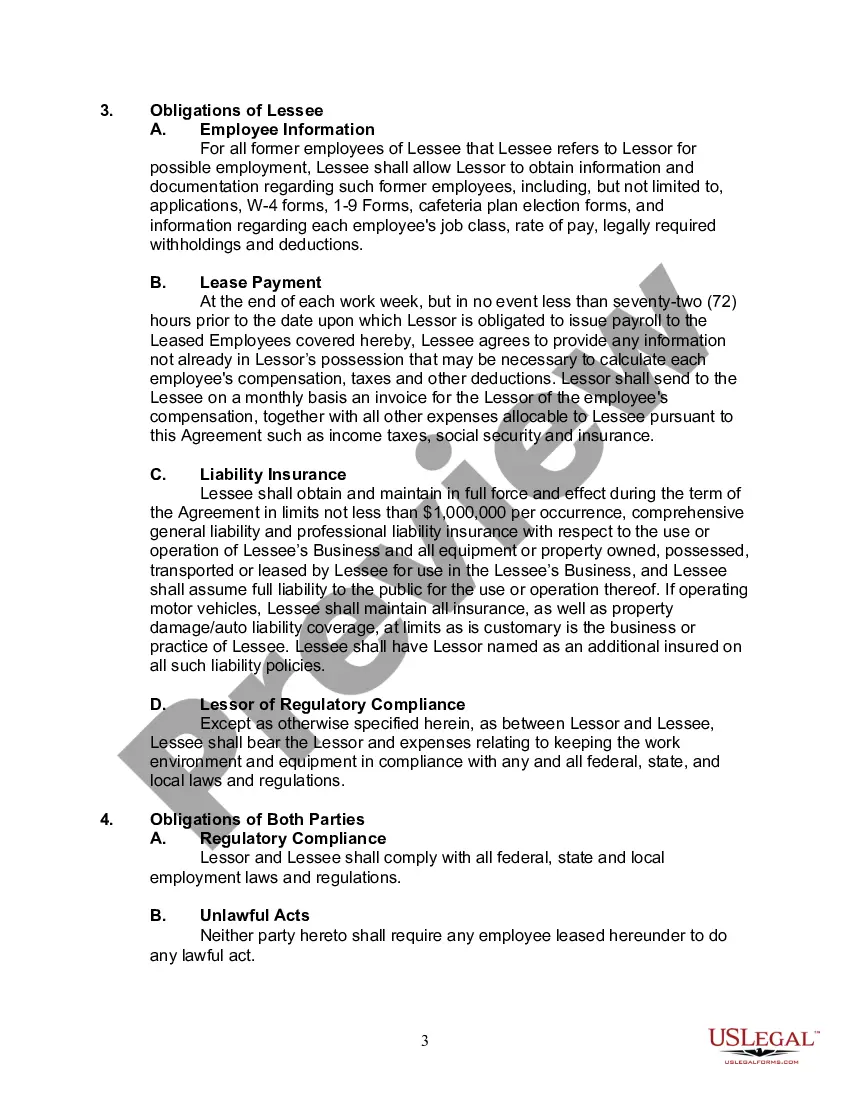
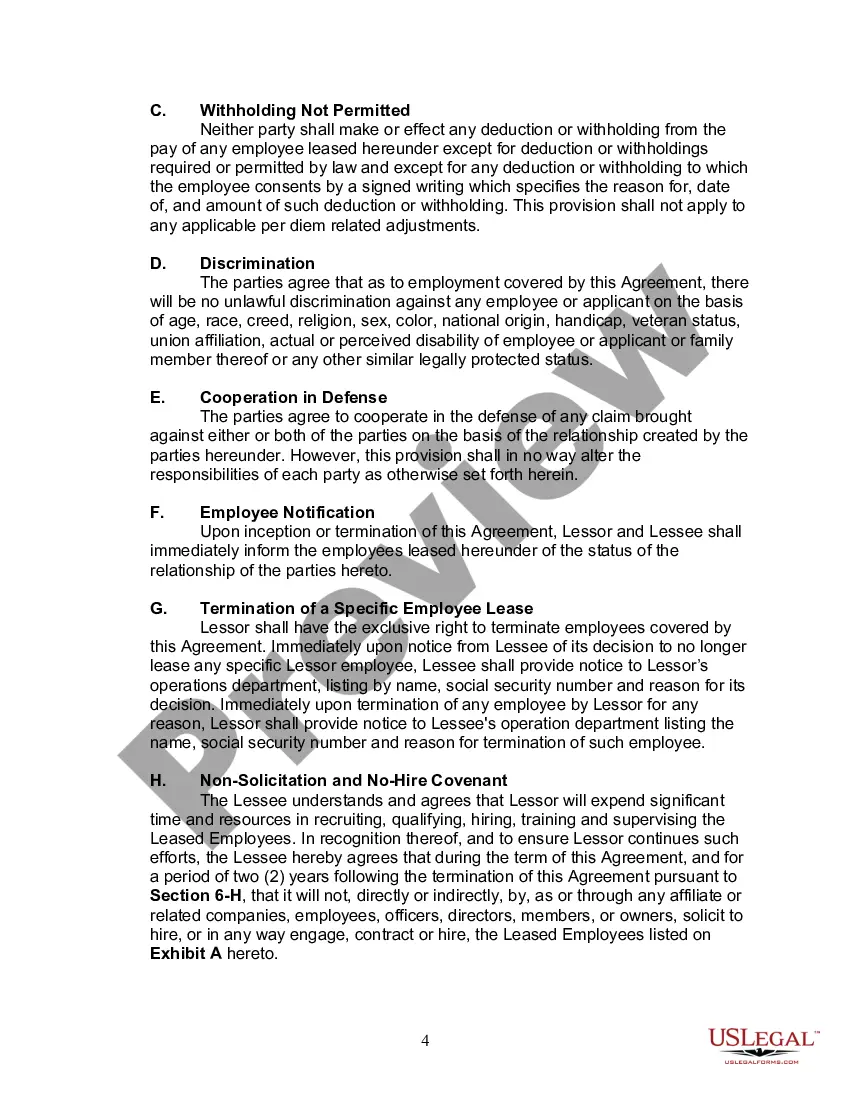
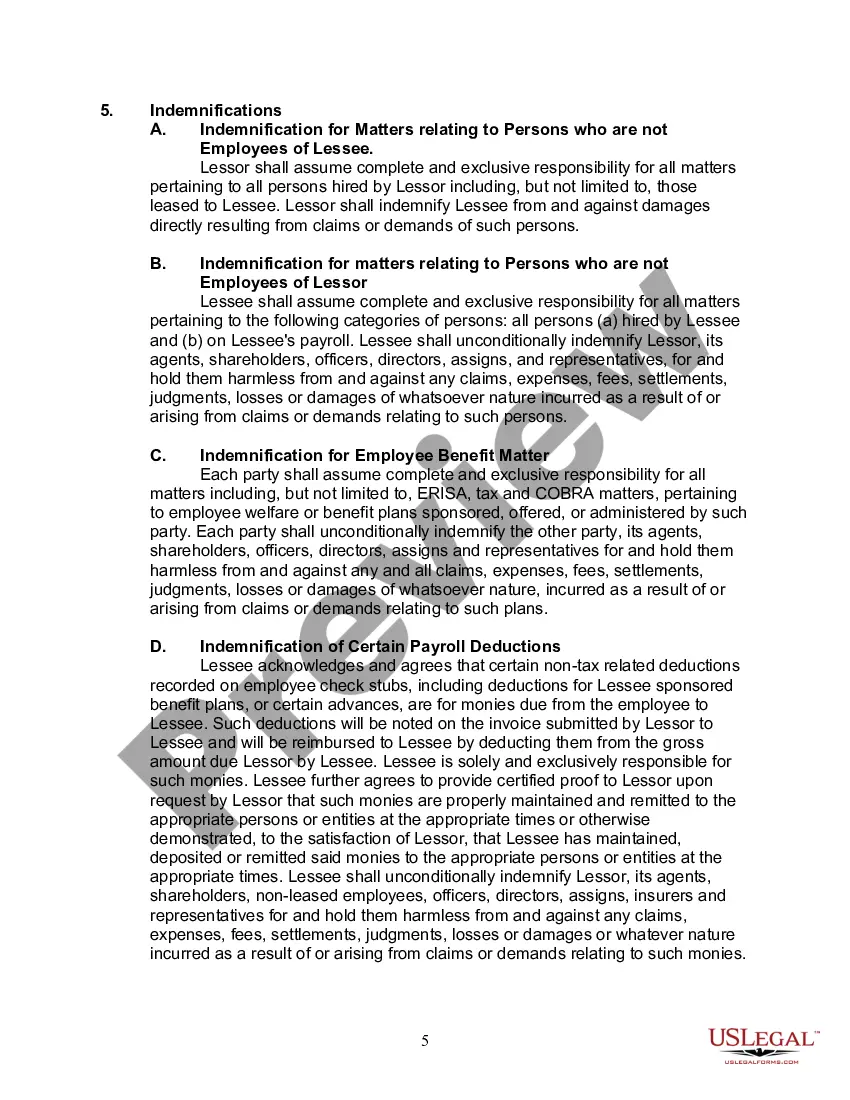
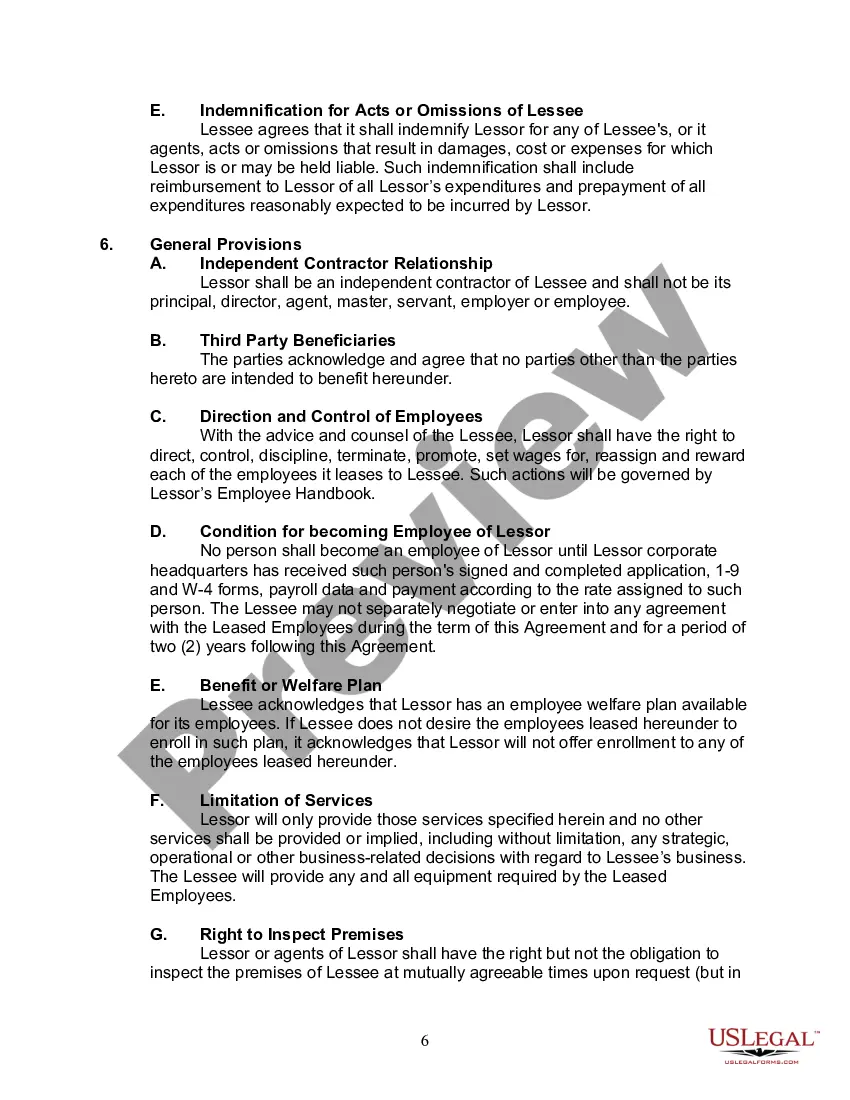
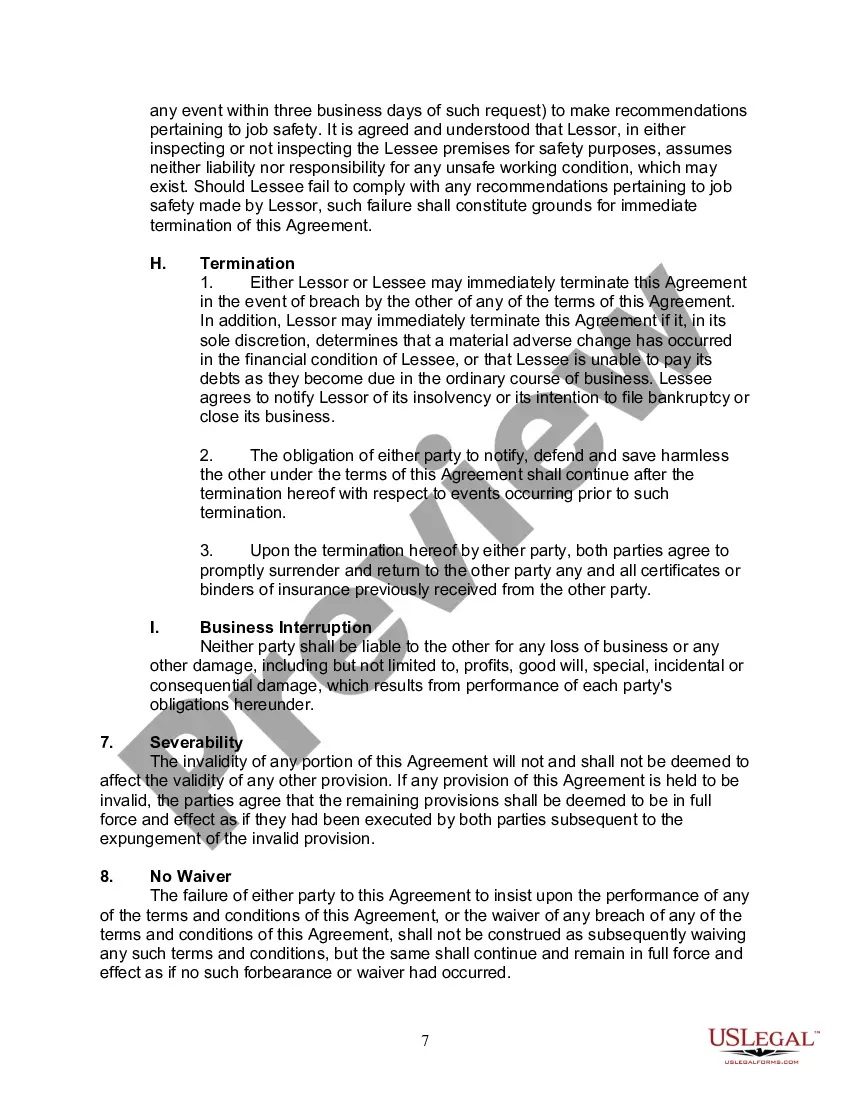
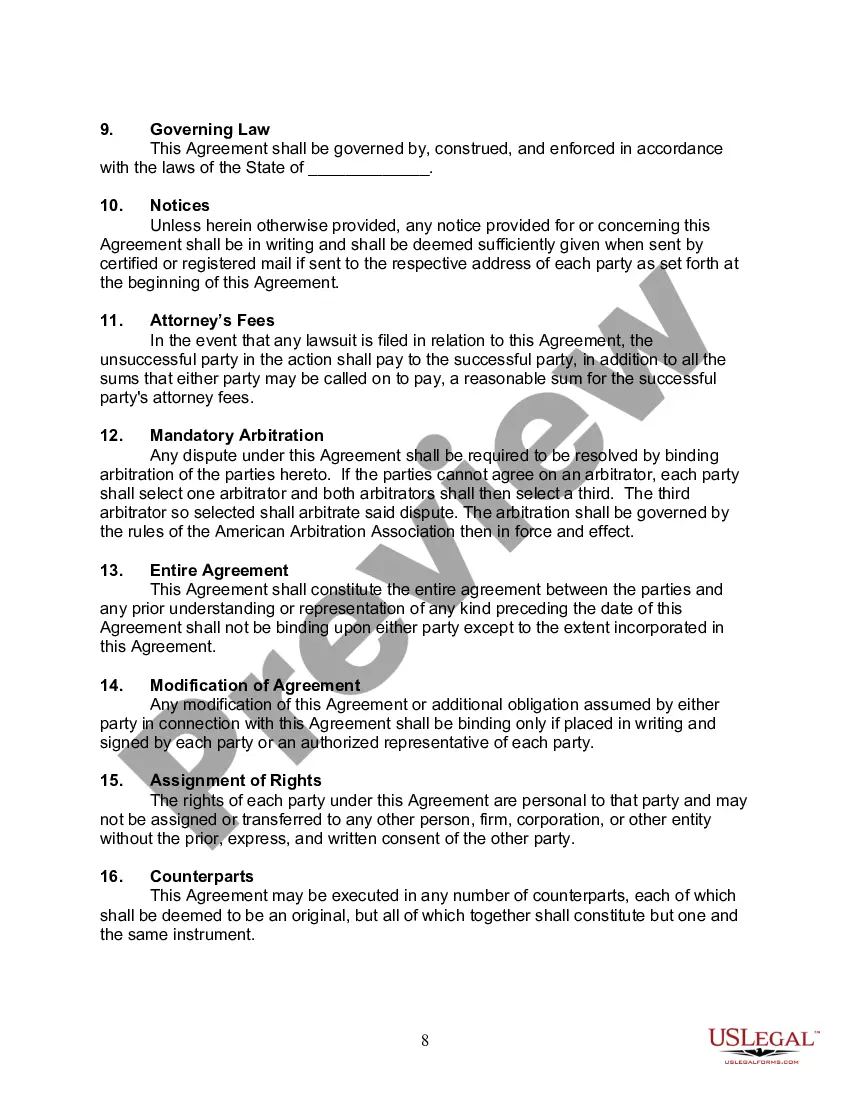
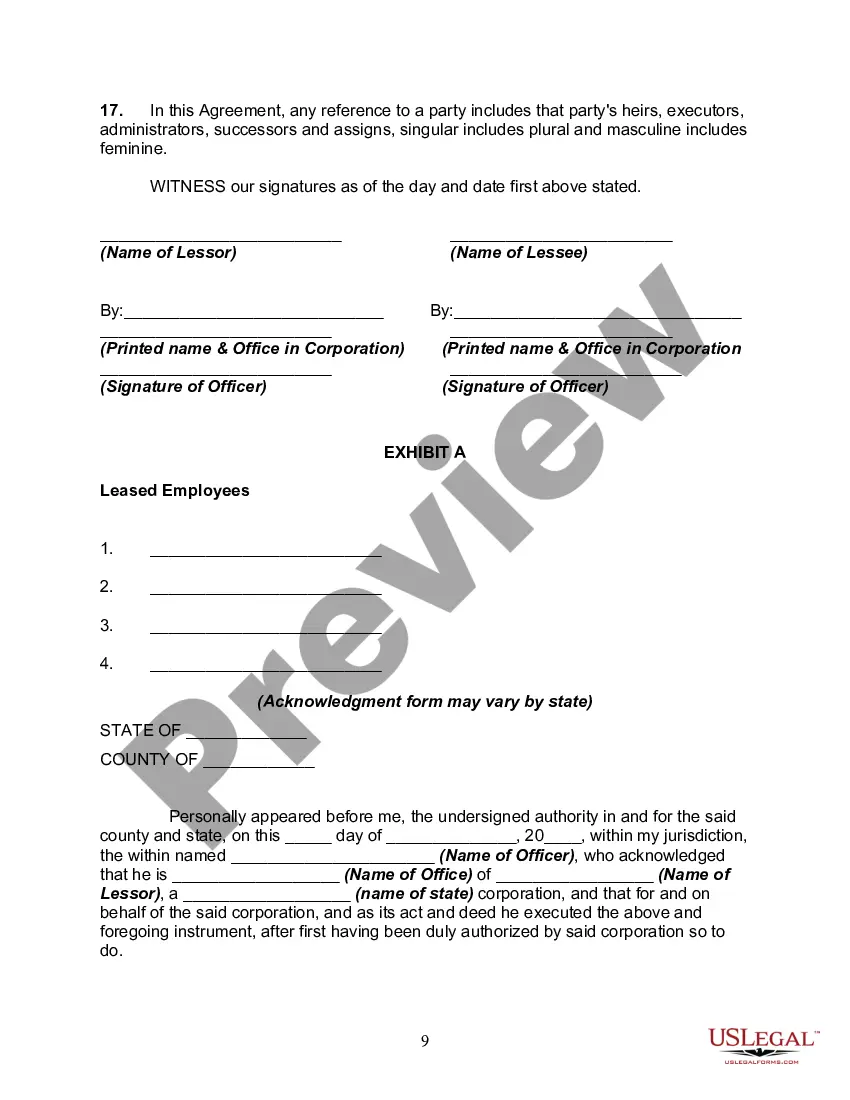
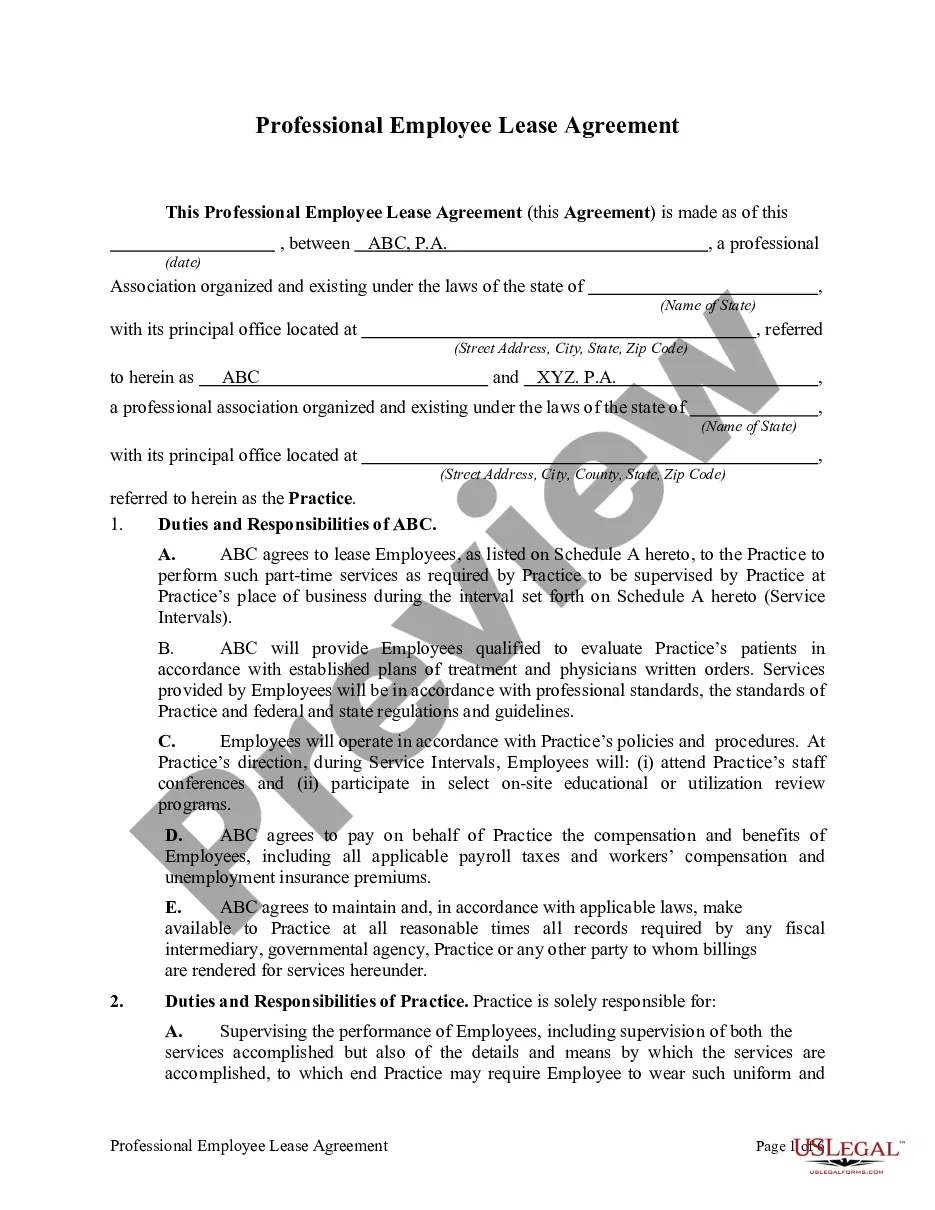
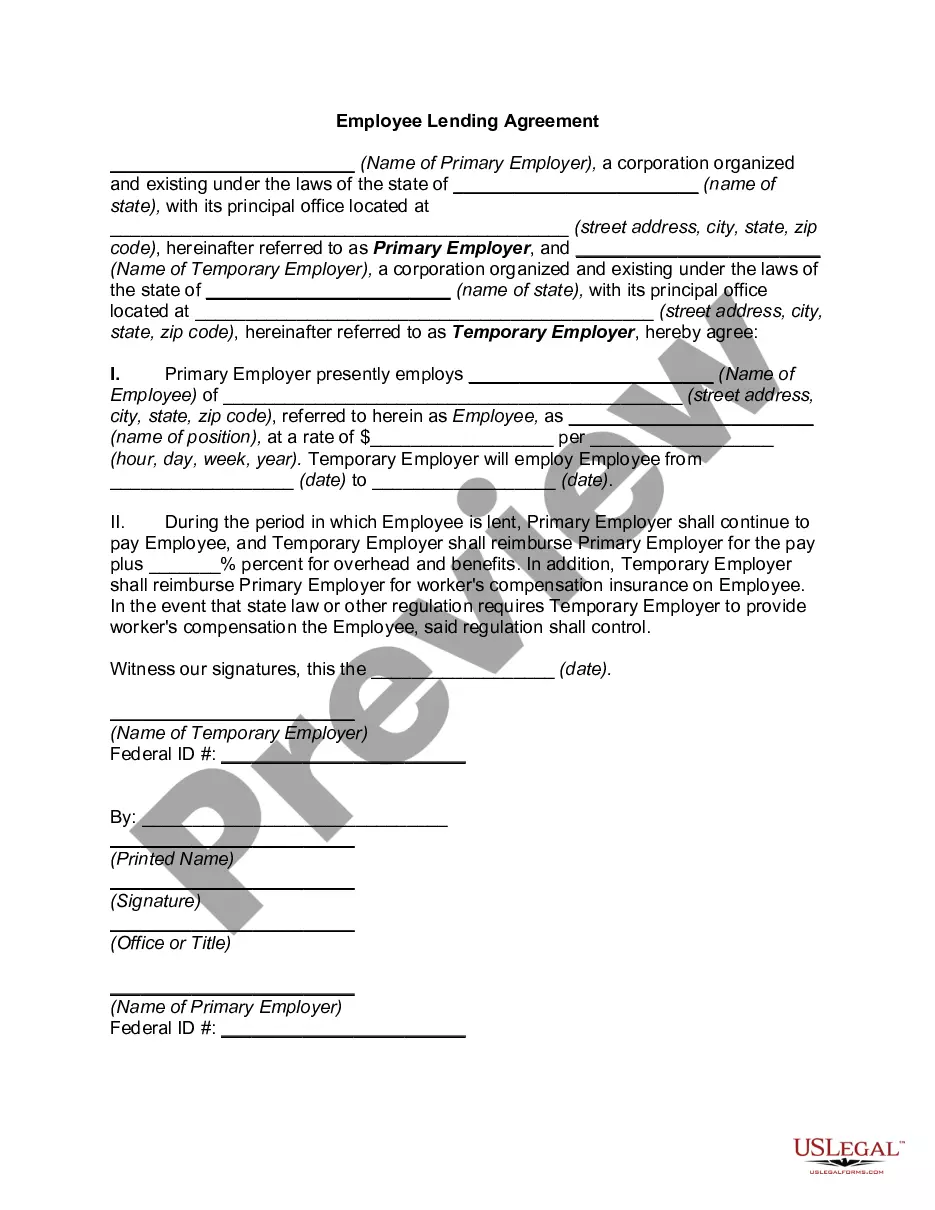
Subscribe now. Employee leasing is an arrangement between a business and a staffing firm, who supplies workers on a project-specific or temporary basis. These employees work for the client business, but the leasing agency pays their salaries and handles all of the HR administration associated with their employment.
Employee leasing, also known as staff leasing, is a business arrangement where a company hires employees from a third-party organization and then leases them back to the original company.
Drawbacks of employee leasing Less control: One of the greatest risks of employee leasing is that you're delegating an important part of your business to an outside company that doesn't know your business as well as you do. You lose control of your processes, systems and benefits.
Employee leasing is an arrangement between a business and a staffing firm, who supplies workers on a project-specific or temporary basis. These employees work for the client business, but the leasing agency pays their salaries and handles all of the HR administration associated with their employment.
