Employment Lease Agreement For Commercial Property In Harris
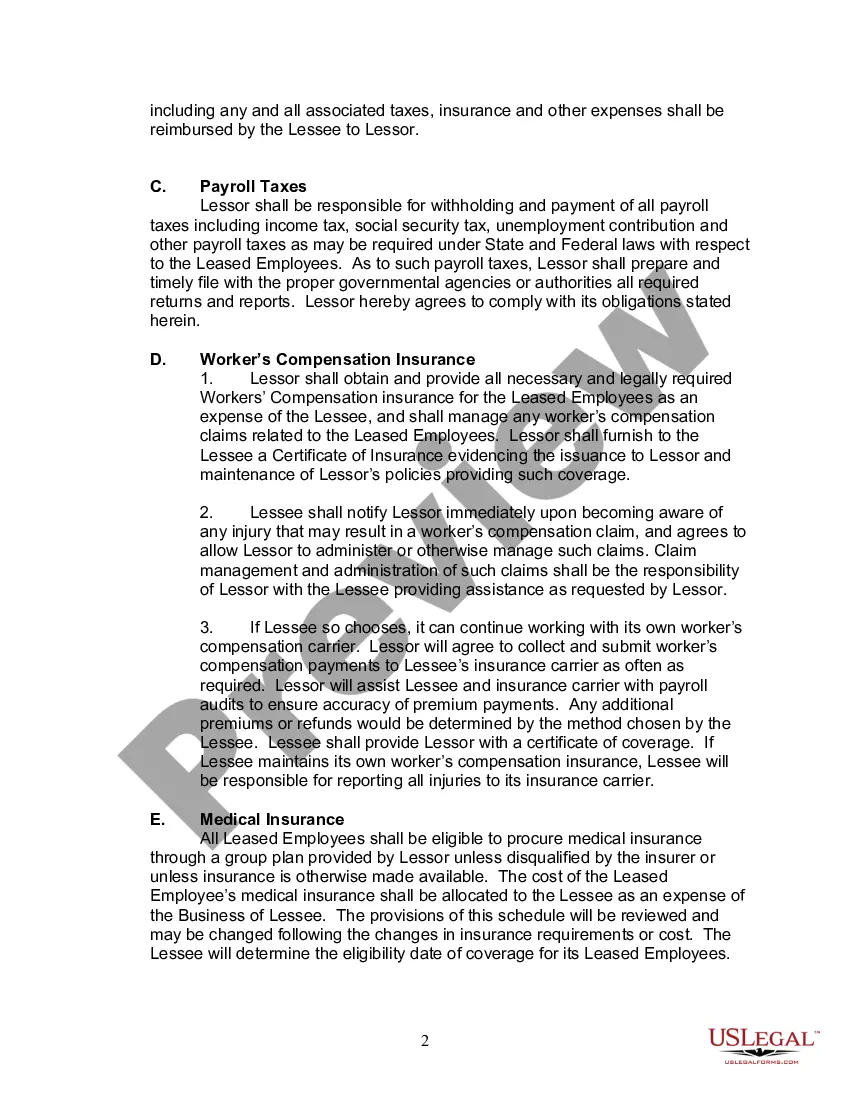
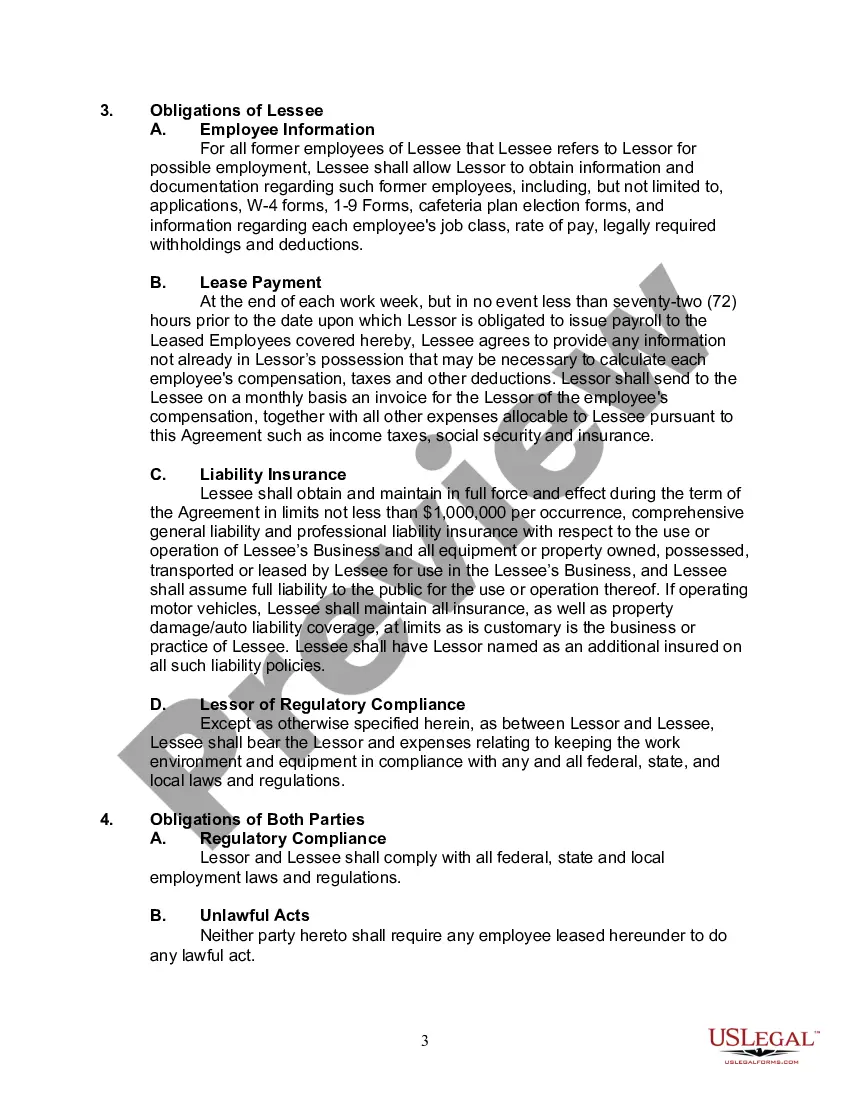
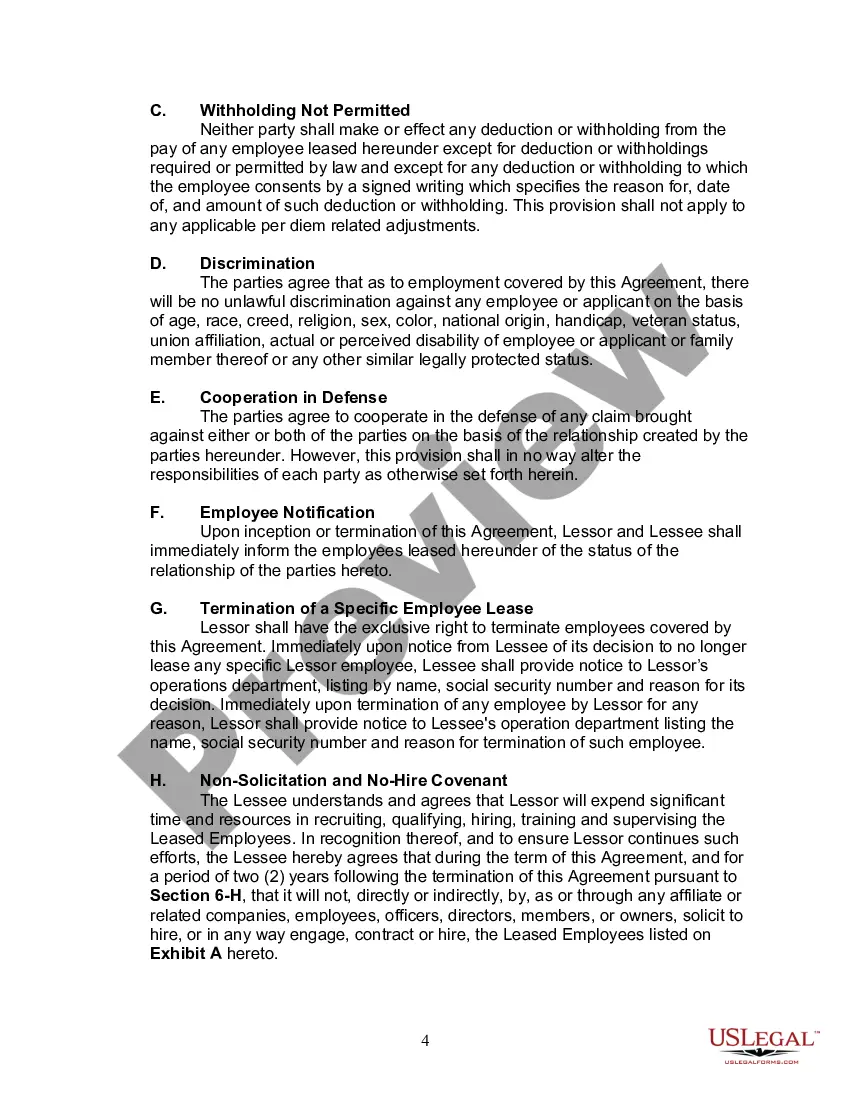
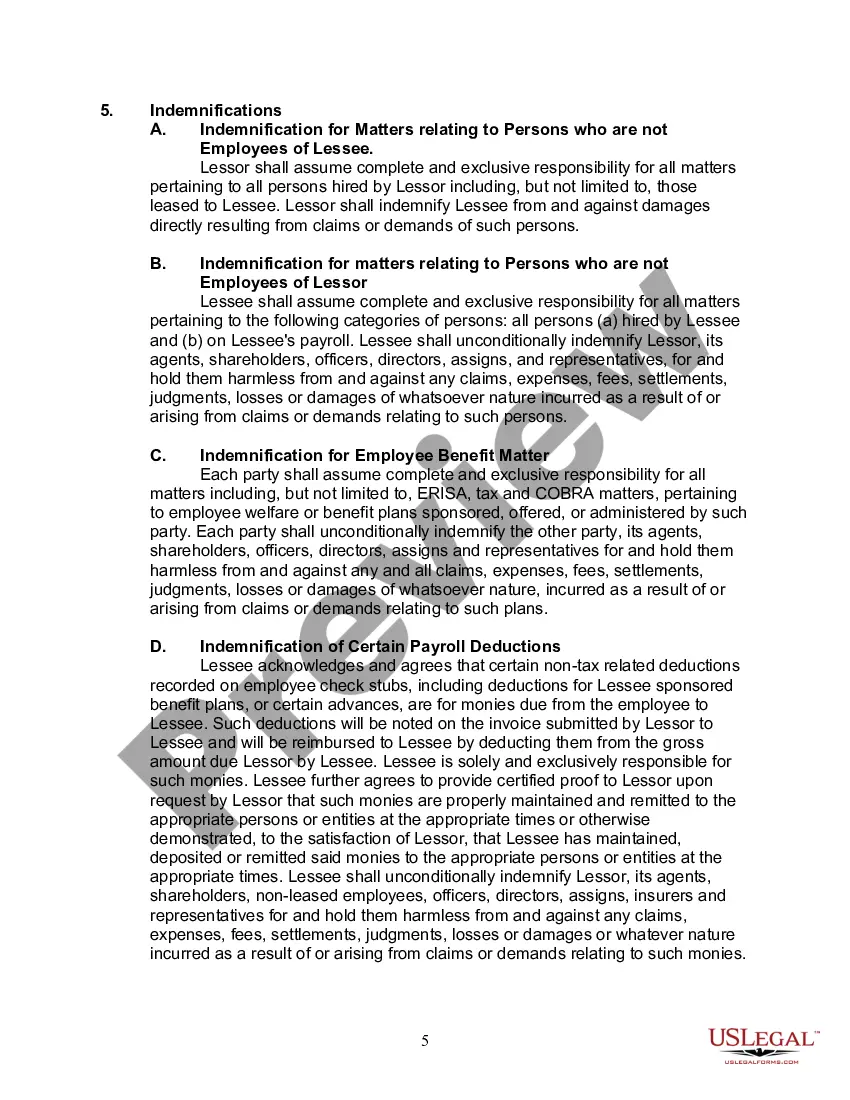
Description

Form popularity
FAQ
5 Steps to Leasing a Commercial Property Step 1: Assess your business. Step 2: Search for properties that meet your needs and budget. Step 3: Set up Showings. Step 4: Negotiate the Letter of Intent (LOI) or Lease Proposal. Step 5: Executing a Lease.
Unlike residential leasing, commercial leasing involves more complex and negotiable terms, such as rent, duration, maintenance, improvements, and subleasing. To qualify for commercial leasing, you need to prepare a strong application that showcases your business plan, financials, and credibility.
There are three different types of net leases: single, double and triple net lease. A triple net lease, sometimes known as an NNN lease, is the most common type of commercial lease.
Negotiating a commercial lease can take anywhere from one day to a year or more. It all comes down to how close the parties are in terms of expectations at the beginning. Additionally, if neither party is willing to give much leeway, the process can take time. However, the average length is about three to nine months.
Gross Lease Gross leases are most common for commercial properties such as offices and retail space. The tenant pays a single, flat amount that includes rent, taxes, utilities, and insurance.
What are the most important steps for drafting a commercial lease agreement? Identify the parties and the property. Determine the rent and the term. Negotiate the improvements and the maintenance. Allocate the taxes and the insurance. Include the clauses and the contingencies. Review and sign the agreement.
Lease agreements are a contract. But you don't necessarily need to hire a lawyer to write good lease agreements, you can do it yourself. But you're a first-time landlord or simply don't have the time to write a lease, you can hire a property management company to do it for you.
What are the most important steps for drafting a commercial lease agreement? Identify the parties and the property. Determine the rent and the term. Negotiate the improvements and the maintenance. Allocate the taxes and the insurance. Include the clauses and the contingencies. Review and sign the agreement.
