Breeding Contract For Dogs Template In Mecklenburg
Description
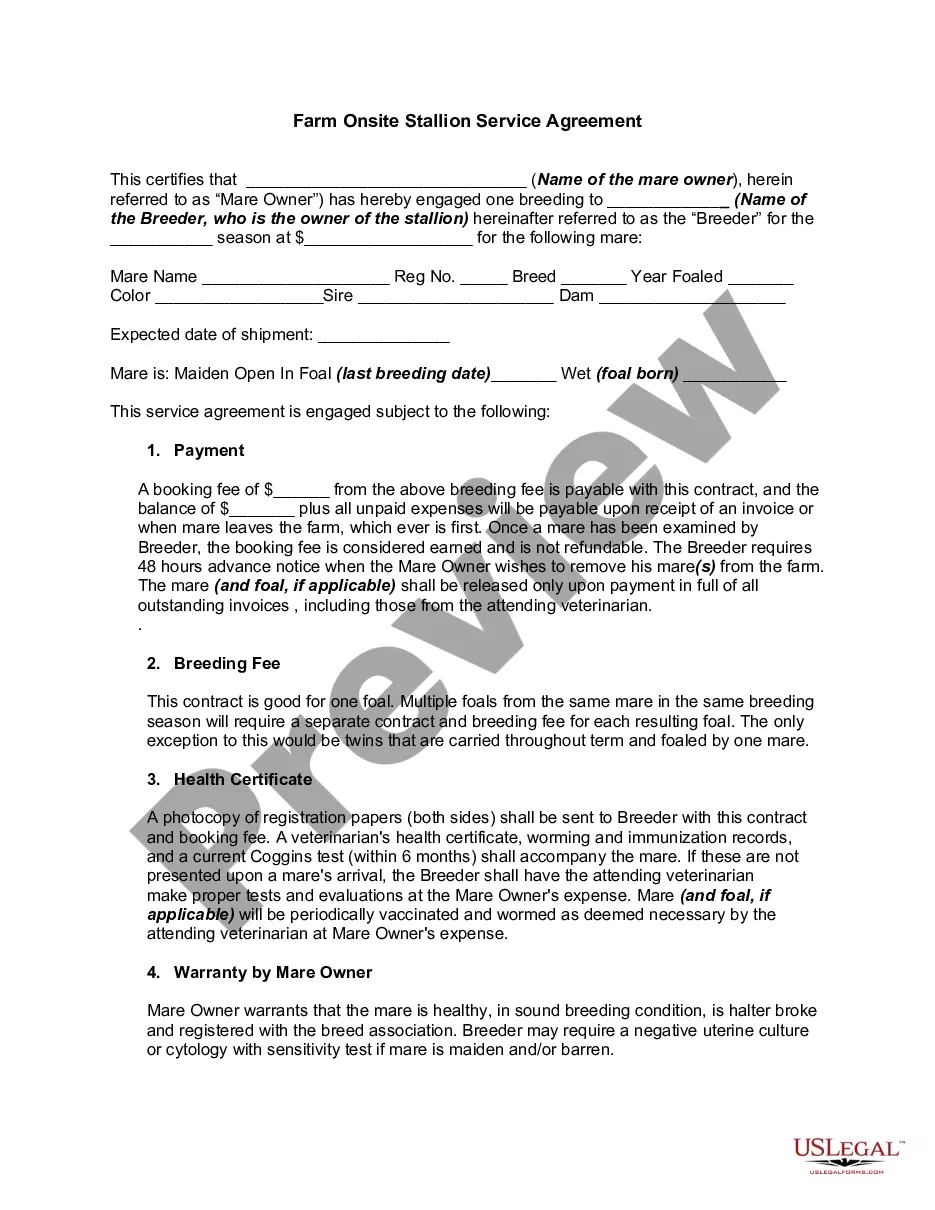
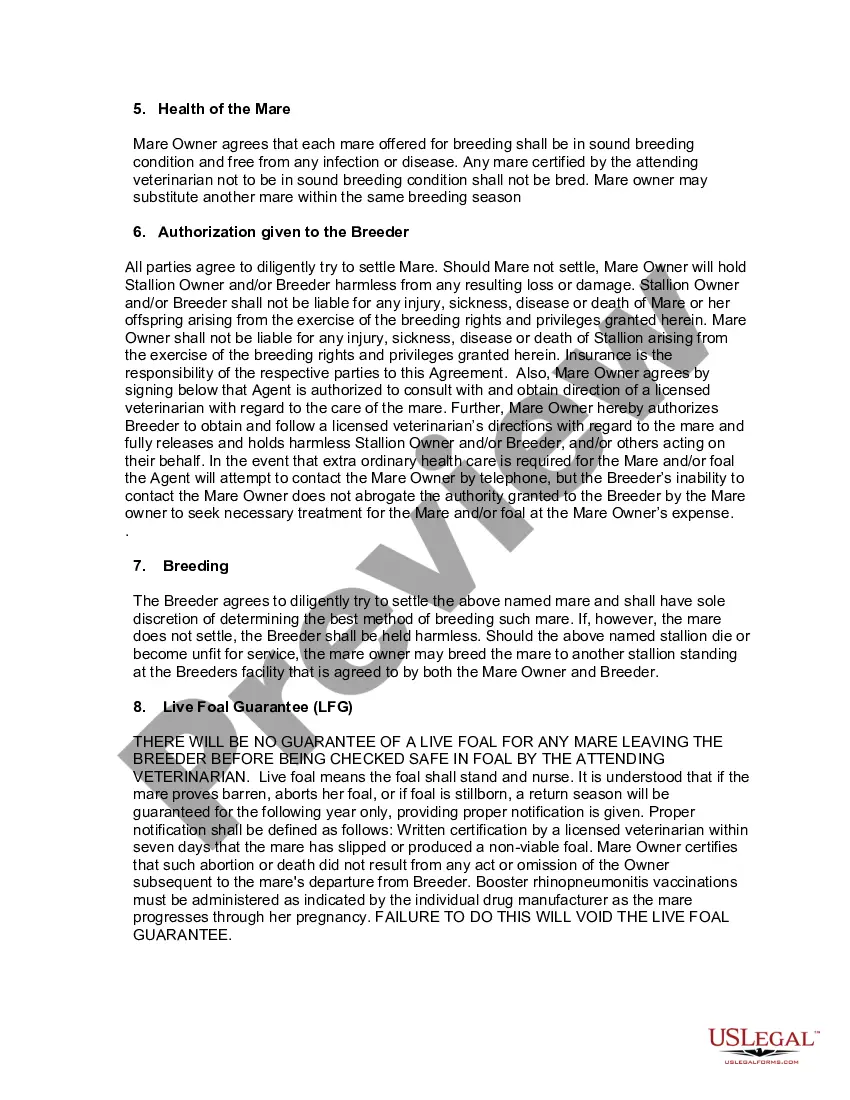
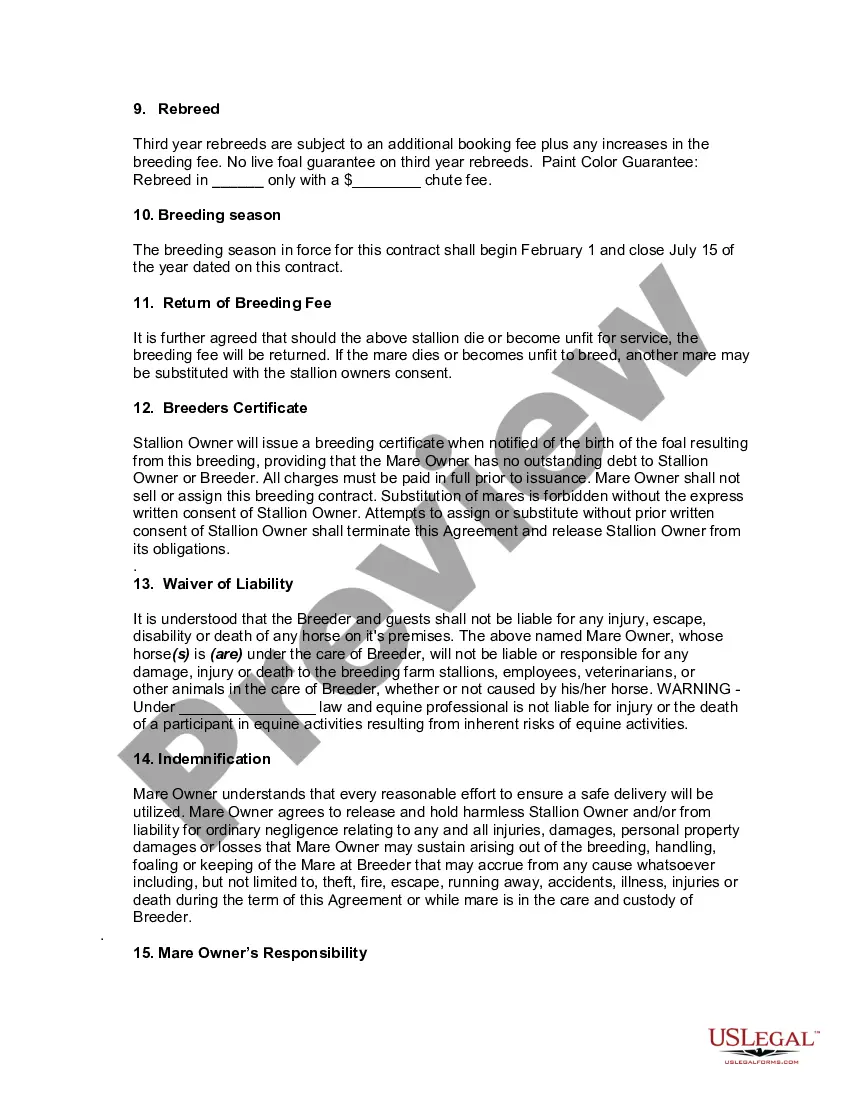
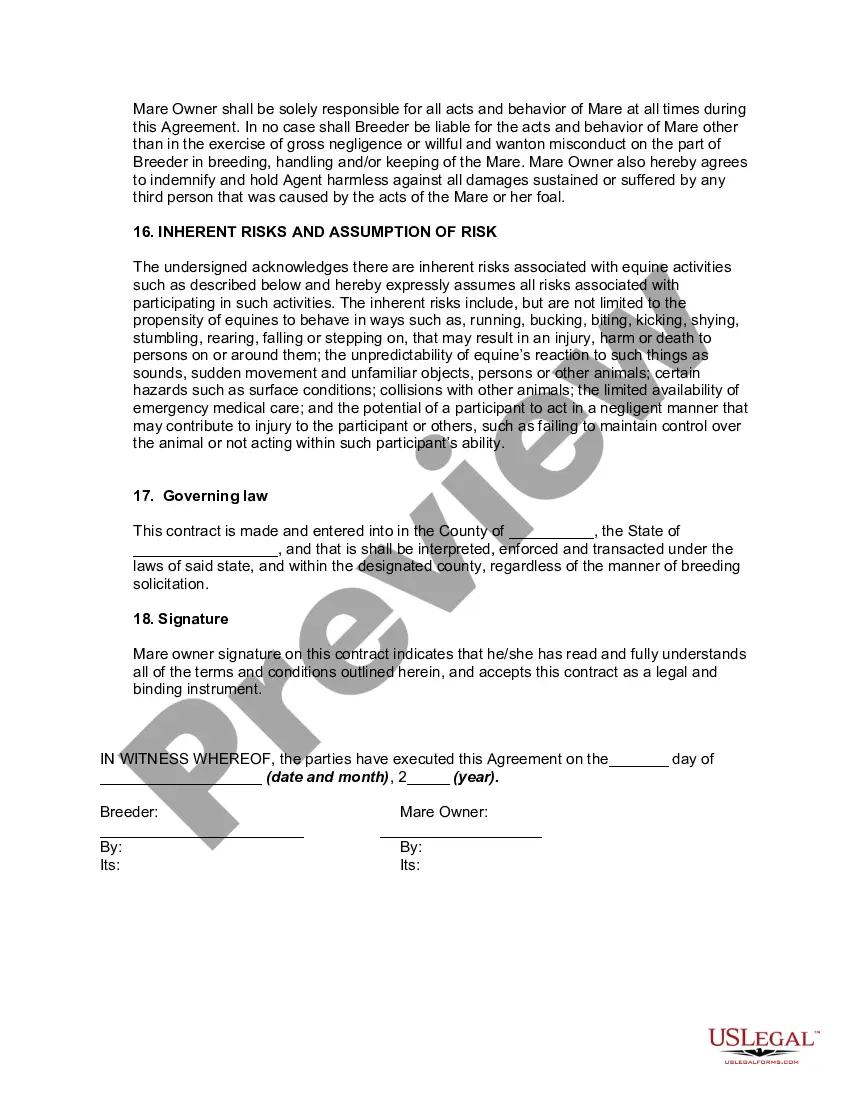
Form popularity
FAQ
The owner must submit the original pedigree and breed registry in order for the dog to be registered as a breeder. The owner must take the dog for regular veterinary checkups. The owner must be listed in the pedigree.
The answer is yes, you can make a profit. I figure each of my dogs is worth between five to ten thousand dollars over a few years of breeding. You need to be within easy driving distance of a large and lucrative market. There is no better market than southern california.
If your dog has no papers you cannot get legitimate registration papers for it unless the original breeder does a litter registration and then gives you puppy papers for your dog. As for tags you apply for those usually at a city clerk's office or the animal control office in your city or town. Hope this helps you!
To become a dog breeder, start by researching the breed you are interested in and understanding the responsibilities involved. You should have knowledge of genetics, health testing, and proper care. Join breed clubs, attend dog shows, and consult with experienced breeders.
By starting an LLC for your dog breeding business, you can: Protect your savings, car, and house with limited liability protection. Have more tax benefits and options. Increase your business's credibility.
The Breeder represents, warrants, and agrees as follows: The dog is healthy, well-tempered, and ready for breeding. The Breeder will provide a (Enter number) generation pedigree of the dog, a negative Brucellosis test within (Enter number) breeding days, health records, vaccination details, and health clearances.
How to become a dog breeder Create a business plan. Research your chosen breed. Connect with established breeders. Establish a space to use as a kennel. Register your kennel. Establish a relationship with a veterinarian. Acquire dogs from ethical breeders. Meet with veterinarians regularly.
Common Tax Deductions for Dog Breeders Office or Kennel Space. When you keep dogs or operate a dog breeding business, it can be considered office space, as long as it's not used for other purposes. Dog Food. Medical Expenses. Training. Conferences. Legal and Professional Fees. Insurance. Travel Expenses.
