Competition Noncompetition For Us Treasuries In Bronx
Description

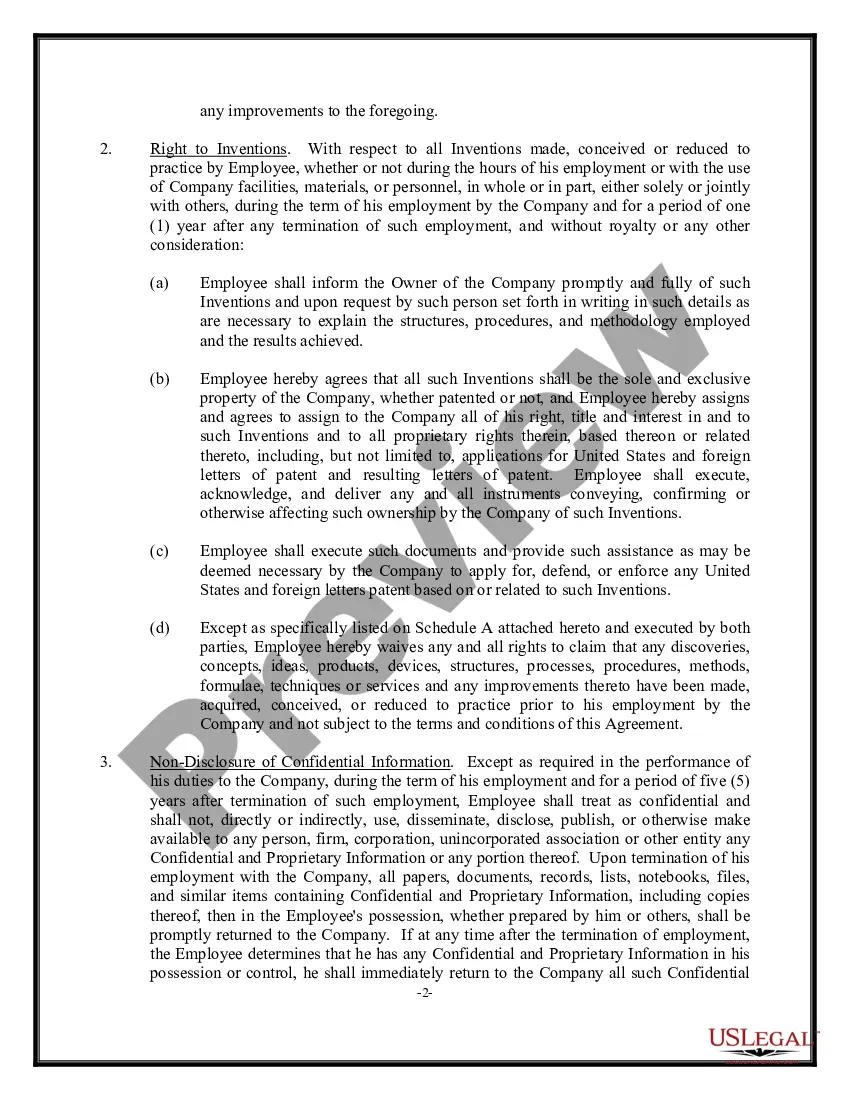
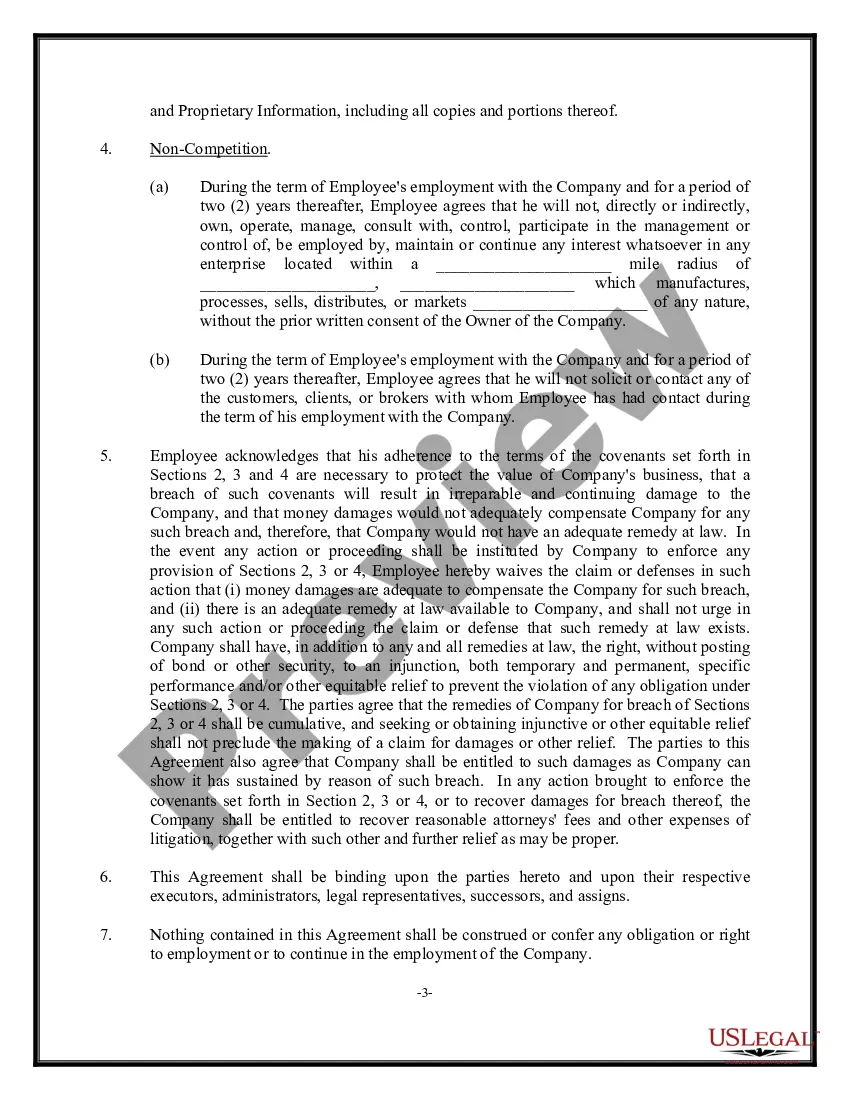
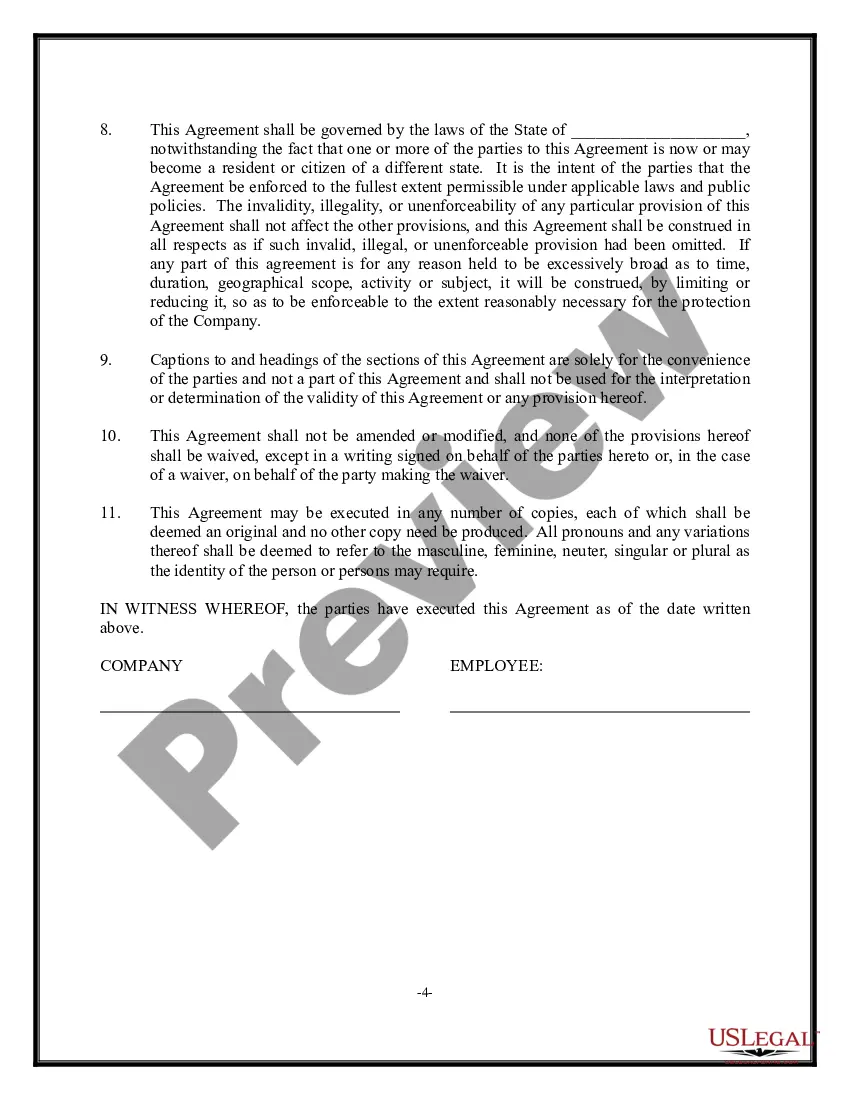
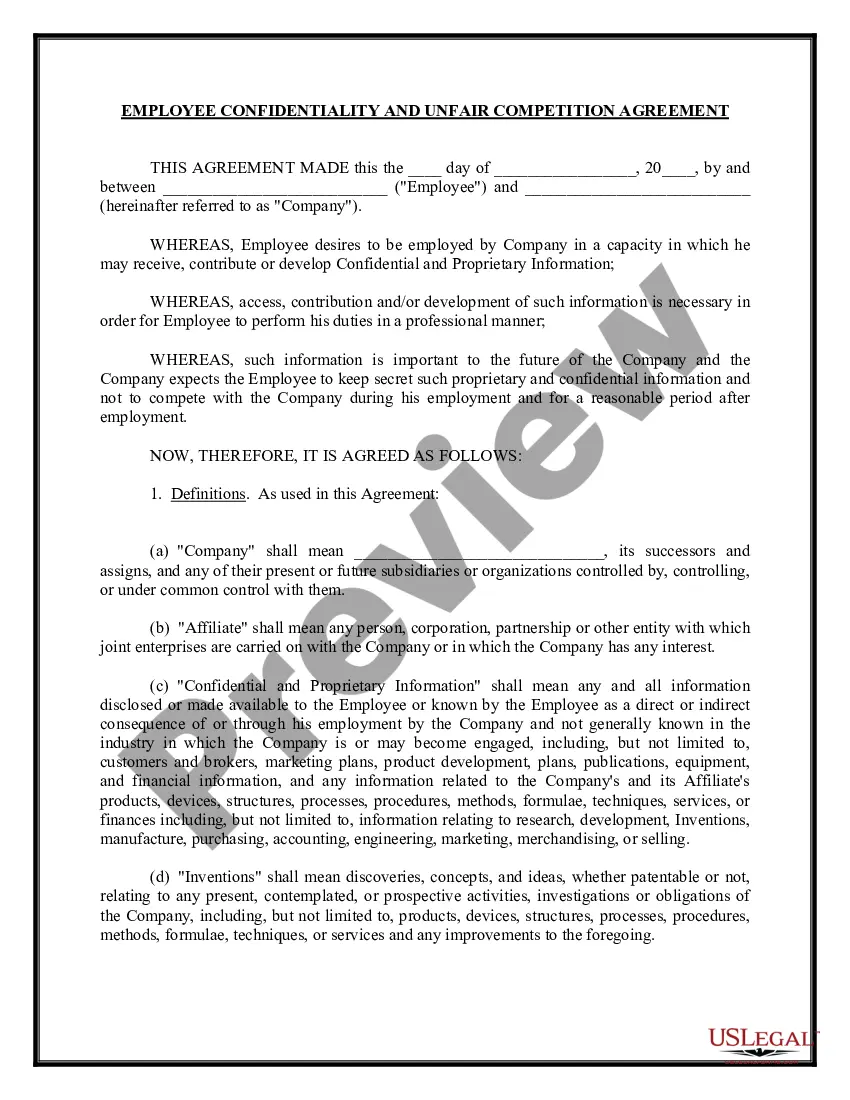





Form popularity
FAQ
∎ The Rule applies to noncompetes with all workers, whether full-time or part-time, including employees, independent contractors, interns, externs, volunteers, apprentices, and others—but there are different requirements for senior executives as defined by the Rule (see Questions 5-6).
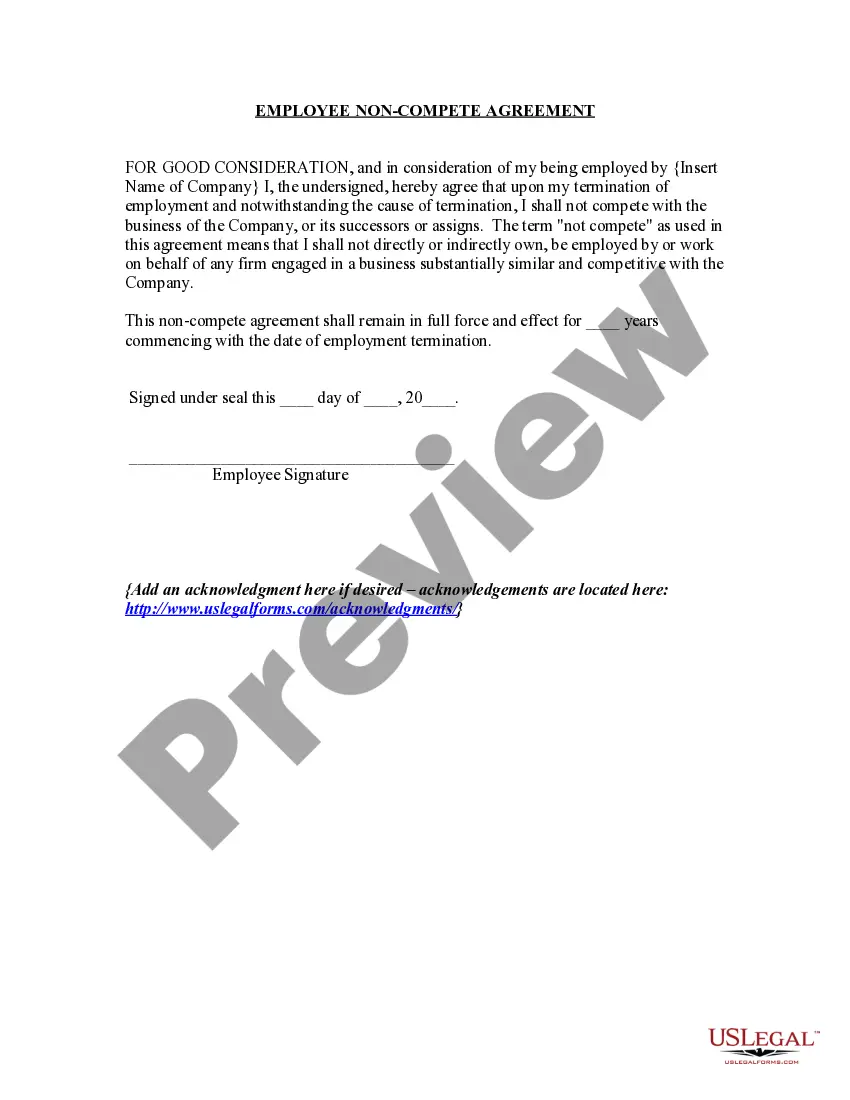
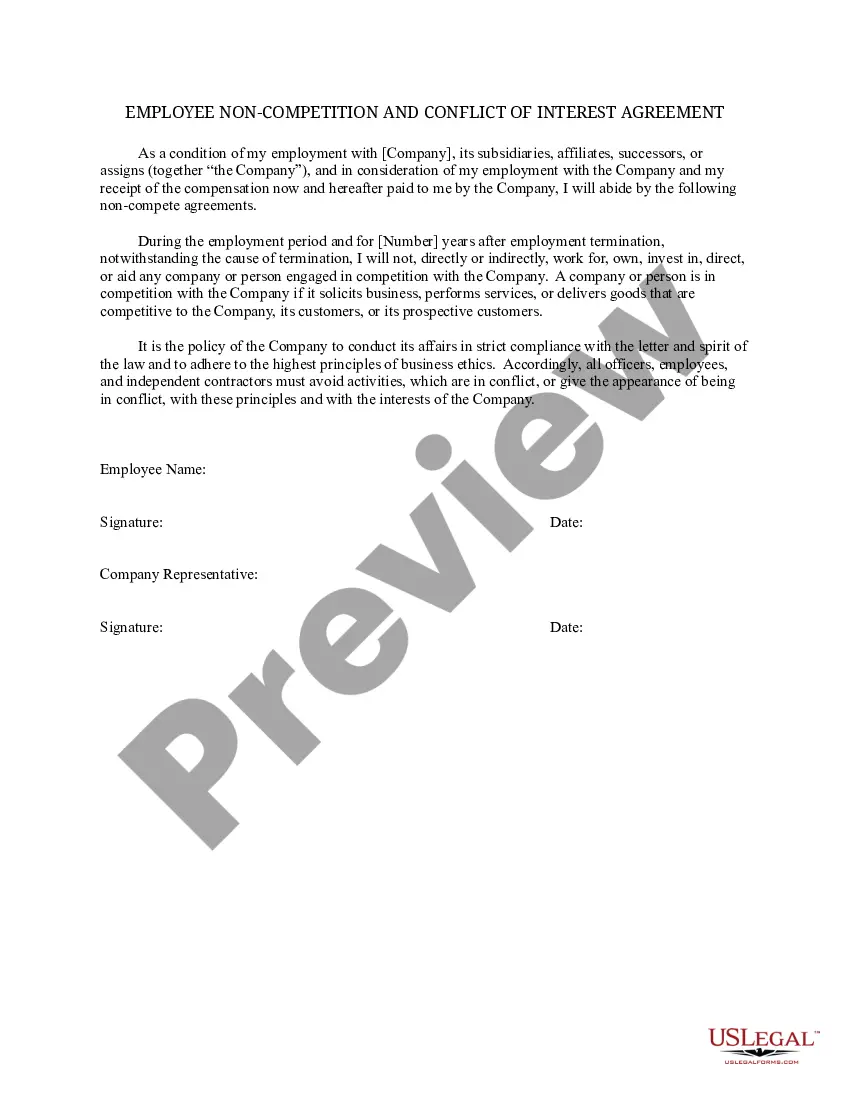
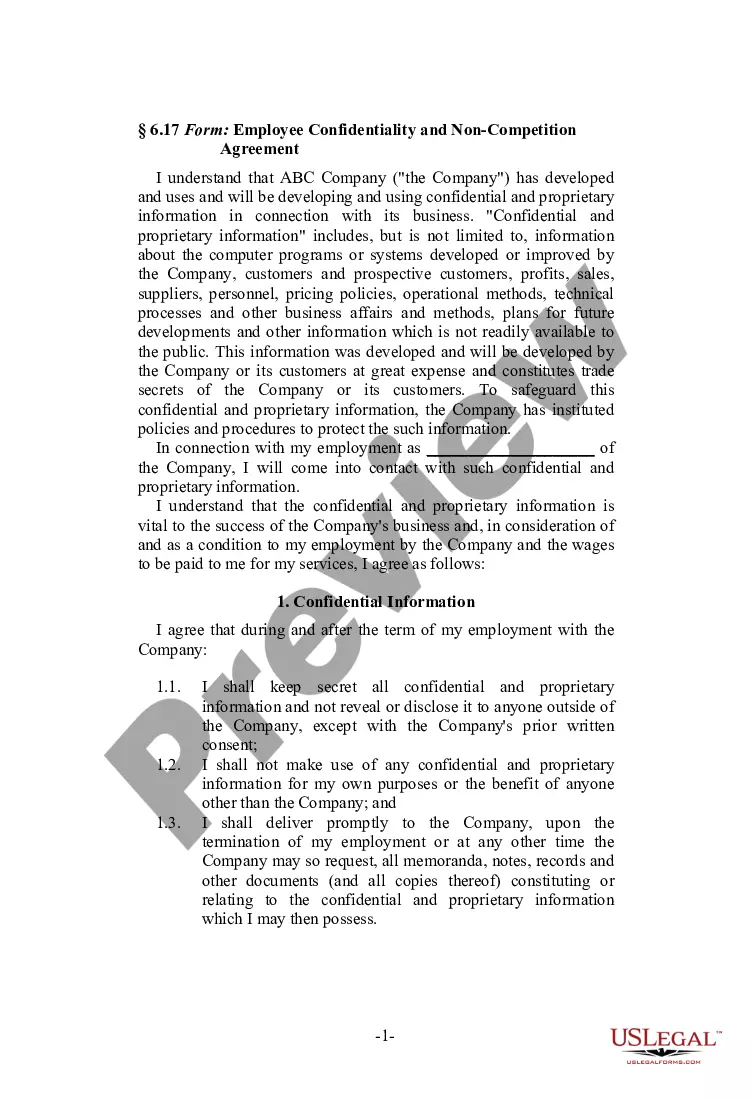
The following are the most common ways to get out of a non-compete agreement: Determine that the terms of the contract do not in fact prevent you from a desired course of action. Recognize when a non-compete contradicts the law. Negotiate a release agreement with the involved parties. Ignore the agreement.
In New York, courts largely disfavor non-compete agreements and enforce them only when necessary. They consider four factors when determining whether to enforce an agreement: If the agreement protects legitimate business interests, e.g. trade secrets or special skills acquired during employment.
Summary: This bill would prohibit employers from entering into non-compete agreements with employees, and it would rescind any non-compete agreements that predate the effective date of this bill. Employers would be subject to a $500 civil penalty for each violation of this bill. Ver.
For senior executives, existing noncompetes can remain in force. Existing noncompetes with workers other than senior executives are not enforceable after the effective date. Fewer than 1% of workers are estimated to be senior executives under the final rule.
The enforceability of non-compete agreements always depends on the facts of the case. If you violate the terms of the agreement, your employer may seek injunctive relief or monetary, punitive, or compensatory damages.
In New York, courts largely disfavor non-compete agreements and enforce them only when necessary. They consider four factors when determining whether to enforce an agreement: If the agreement protects legitimate business interests, e.g. trade secrets or special skills acquired during employment.
New York courts will only enforce them in only very rare limited situations. As explained more below, we are able to defeat most non-compete agreements by using the Legitimate Business Interests Test. A court will only enforce a non-compete agreement if the company can satisfy this test and most companies cannot do so.
A noncompete agreement has the ability to threaten your future job prospects, prohibit you from using your hard earned skills and compromise your livelihood. Fortunately, it is unlawful for an employer to enforce non-compete agreements in California.
Summary: This bill would prohibit employers from entering into non-compete agreements with employees, and it would rescind any non-compete agreements that predate the effective date of this bill. Employers would be subject to a $500 civil penalty for each violation of this bill.
