Competition Non Competition For Sale In Collin
Description

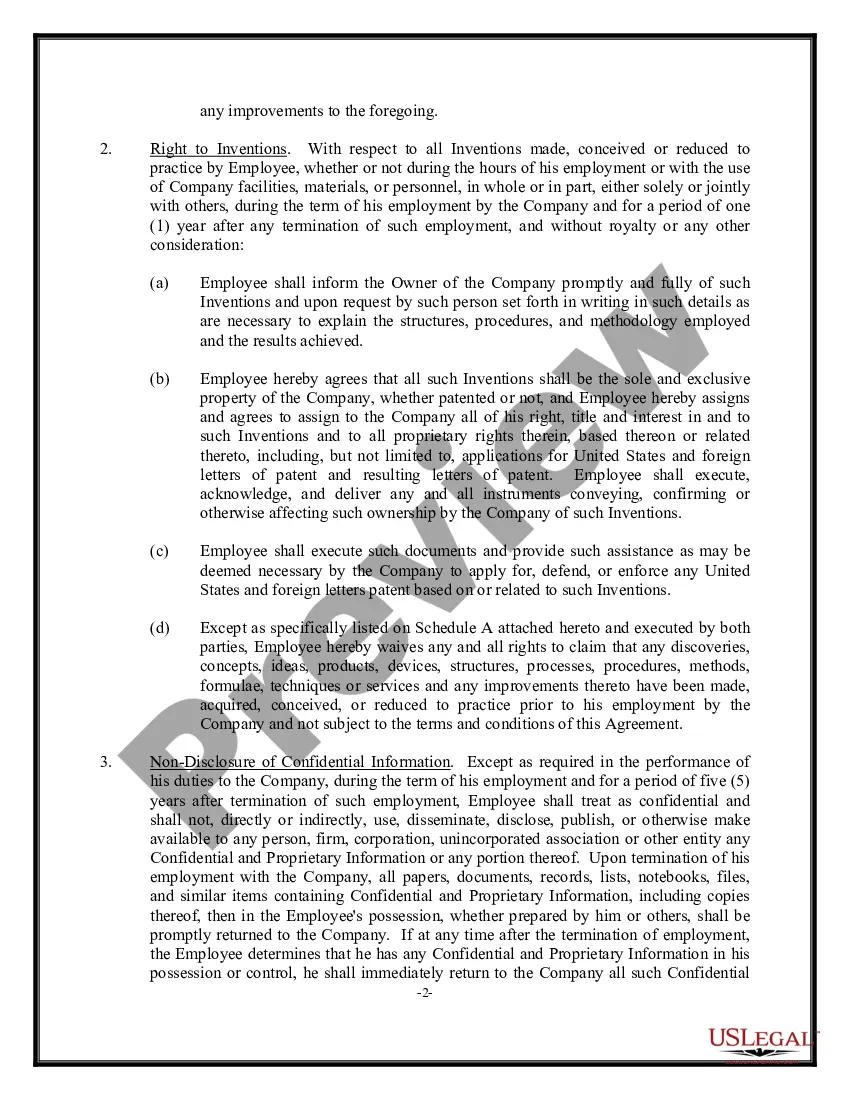
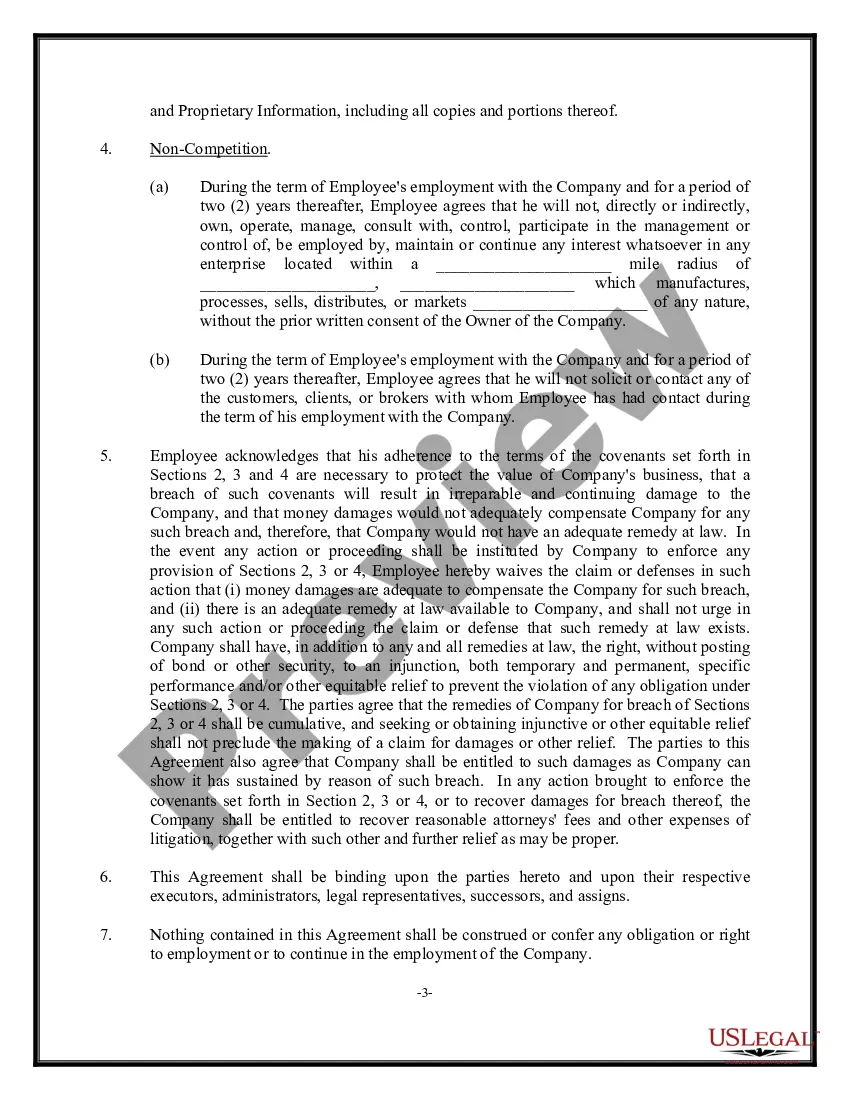
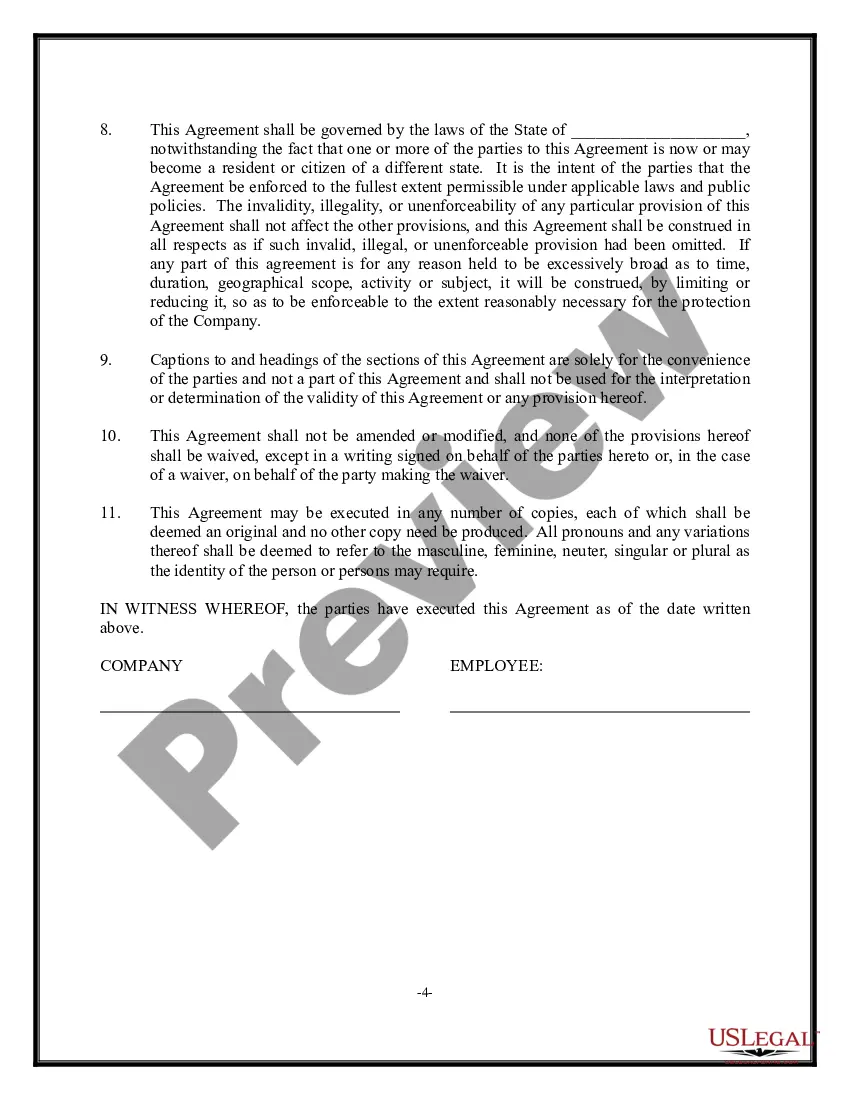
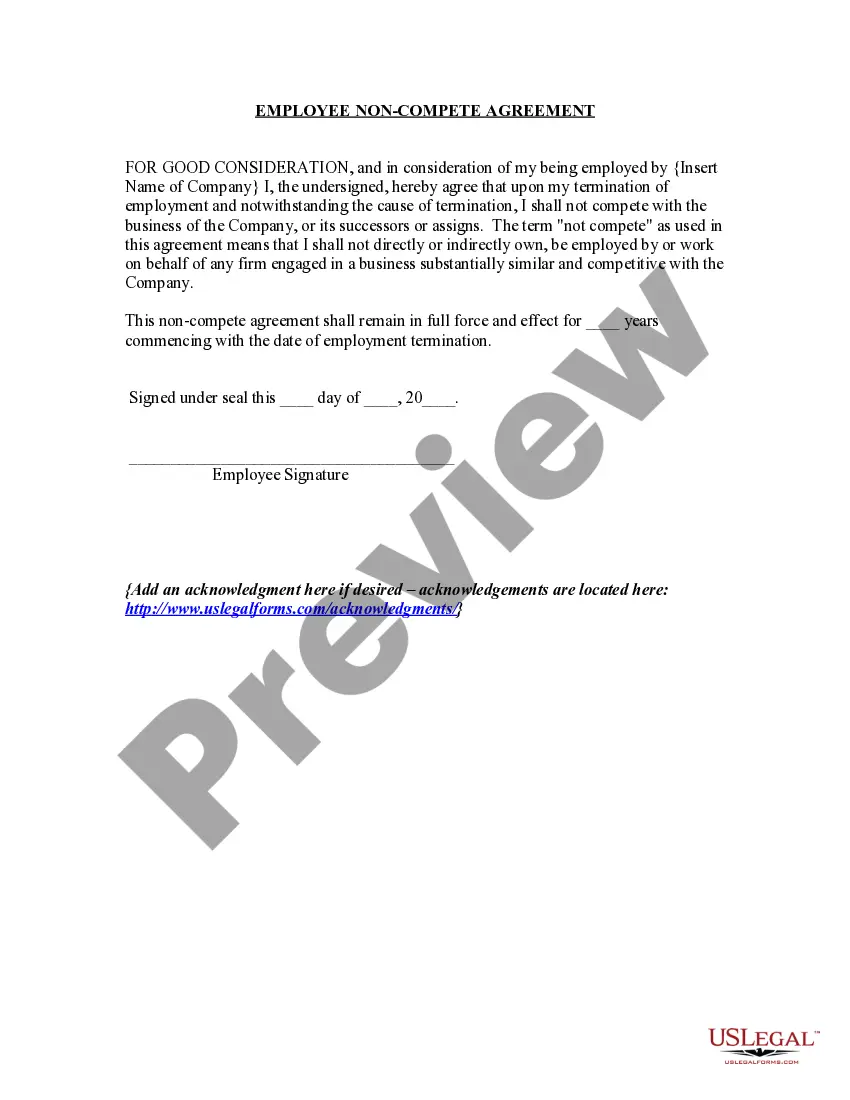
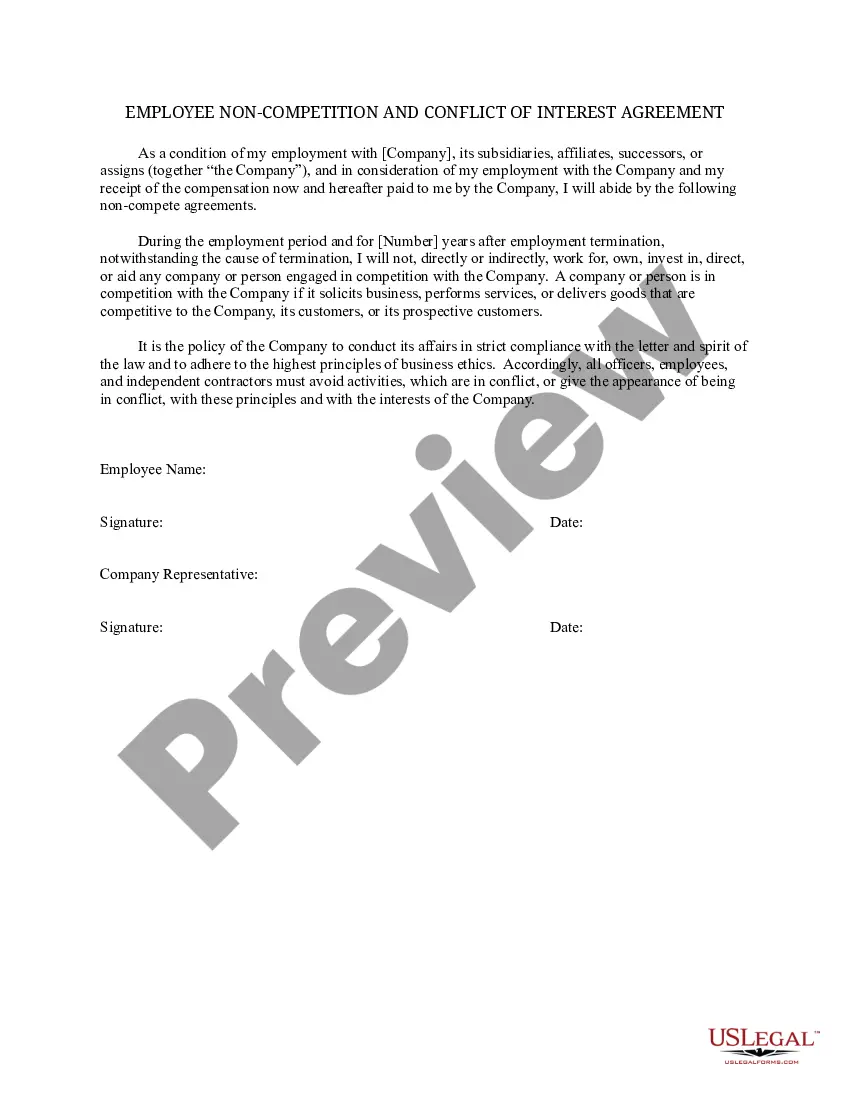
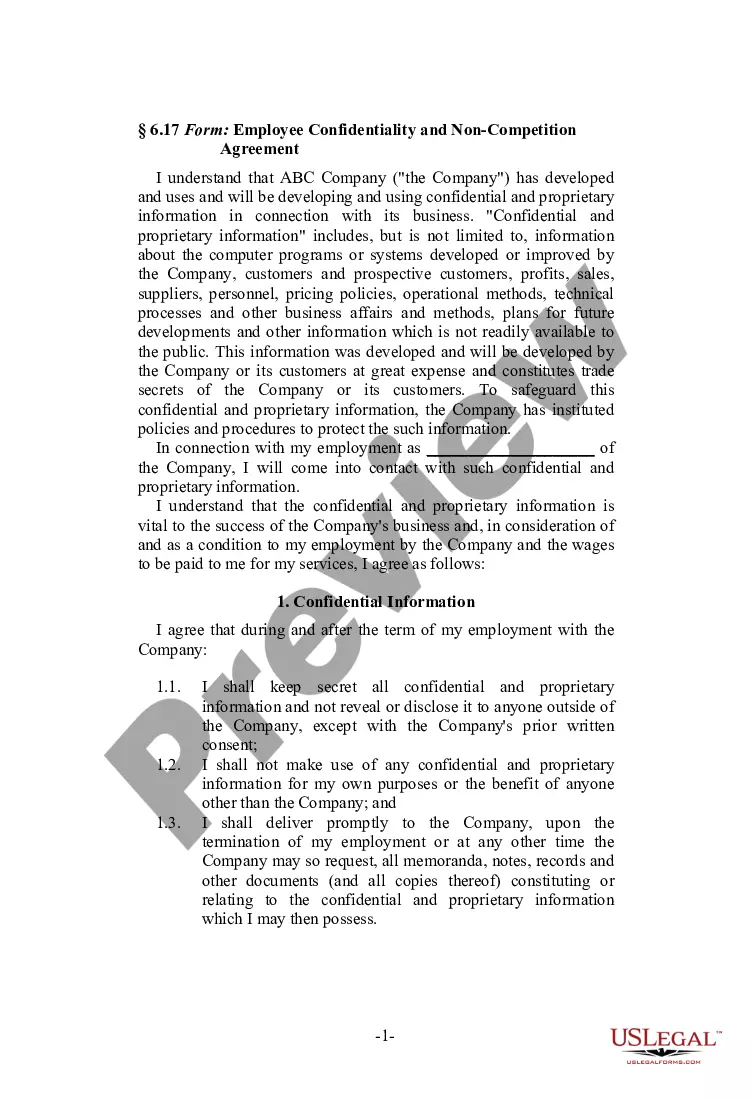
Get your form ready online
Our built-in tools help you complete, sign, share, and store your documents in one place.
Make edits, fill in missing information, and update formatting in US Legal Forms—just like you would in MS Word.
Download a copy, print it, send it by email, or mail it via USPS—whatever works best for your next step.
Sign and collect signatures with our SignNow integration. Send to multiple recipients, set reminders, and more. Go Premium to unlock E-Sign.
If this form requires notarization, complete it online through a secure video call—no need to meet a notary in person or wait for an appointment.
We protect your documents and personal data by following strict security and privacy standards.

Make edits, fill in missing information, and update formatting in US Legal Forms—just like you would in MS Word.

Download a copy, print it, send it by email, or mail it via USPS—whatever works best for your next step.

Sign and collect signatures with our SignNow integration. Send to multiple recipients, set reminders, and more. Go Premium to unlock E-Sign.

If this form requires notarization, complete it online through a secure video call—no need to meet a notary in person or wait for an appointment.

We protect your documents and personal data by following strict security and privacy standards.
Looking for another form?






Form popularity
FAQ
The answer is, it depends. The determining factors are how and what the new company acquired in the transaction and also whether the employee had to reapply for the new company or experienced any major changes in the terms and conditions of employment.
Seek a waiver or exemption from the agreement. In some cases, you may be able to seek a waiver or exemption from the non-compete agreement from the employer or a court. This could allow you to work for a competitor without violating the agreement.
The following are the most common ways to get out of a non-compete agreement: Determine that the terms of the contract do not in fact prevent you from a desired course of action. Recognize when a non-compete contradicts the law. Negotiate a release agreement with the involved parties. Ignore the agreement.
While Texas courts generally disfavor non-compete agreements, they will enforce a non-compete covenant if it is executed for valid consideration, contains reasonable geographic, temporal, and activity restrictions, and protects the employer's legitimate business interests.
Non-compete agreements are generally taxed as ordinary income to the seller, which from the seller's perspective is less than desirable. But, for a buyer, it is expensed as incurred, which is desirable for the buyer but not the seller.
(c) Employee name agrees not to set up in business as a direct competitor of company name within a radius of number miles of company name and location for a period of number and measure of time (e.g., “four months” or “10 years”) following the expiration or termination of this agreement.
Describe the terms of the Non-Compete Agreement, such as the length and area of the restriction. If necessary, you can include a non-solicitation clause. Create any additional clauses you want to add. Have the agreement signed by both parties.
You agree that at no time during the term of your employment with the Company will you engage in any business activity which is competitive with the Company nor work for any company which competes with the Company.
Reasonableness: Non-compete agreements must be reasonable in terms of their scope and duration. This means that the restrictions must be no broader than necessary to protect the legitimate business interests of the employer, such as protecting trade secrets, confidential information, and/or customer relationships.
compete agreement template typically includes the names of the parties involved, the scope of the noncompetition, the duration of the noncompetition, the geographical area where the noncompetition applies, and any exceptions or exclusions.
