Competition Noncompetition For 2023 In Maryland
Description

Form popularity
FAQ
The Salary Threshold Increase(s) As of October 1, 2023, the salary threshold for non-competes increased to 150% of the state's minimum wage – which is $19.88 per hour (the minimum wage of $13.25 per hour times 150%) or approximately $41,350 annually.
Showing that the agreement is not related to a legitimate business interest is the most effective way of getting out of a non-compete contract. The goal of any non-compete agreement is to protect trade secrets.
Federal Trade Commission's Sweeping Final Rule to Ban Non-Competes: What You Need to Know. On April 23, 2024, the Federal Trade Commission (FTC) issued its final rule prohibiting all non-compete agreements for all employees at all levels, with only extremely limited exceptions.
If the non-compete agreement poses an undue hardship on the employee, Maryland courts may find it unenforceable. In conducting an undue hardship analysis, the court balances the legitimate business interests of the employer against the potential hardship the employee will experience.
This means that all current noncompetes under Maryland law will now be unenforceable except for those for senior executives, and no new noncompetes whatsoever may be entered into after September 4, 2024.
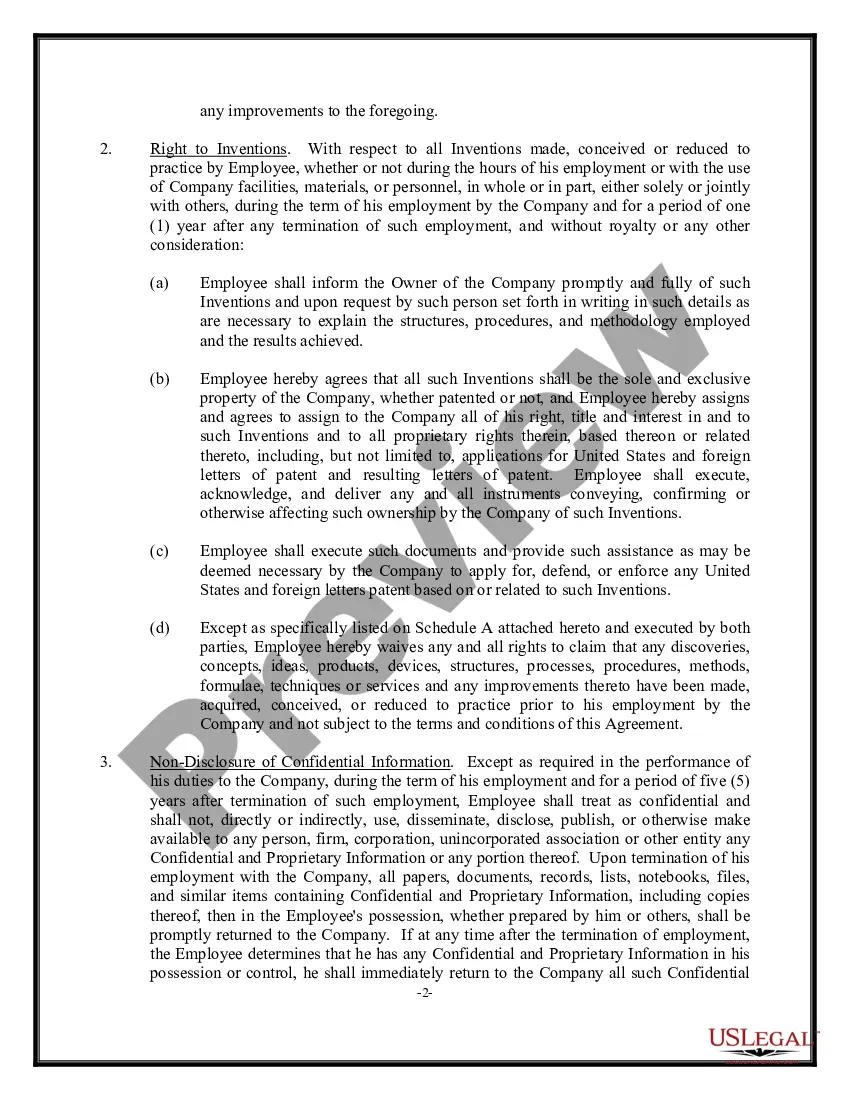
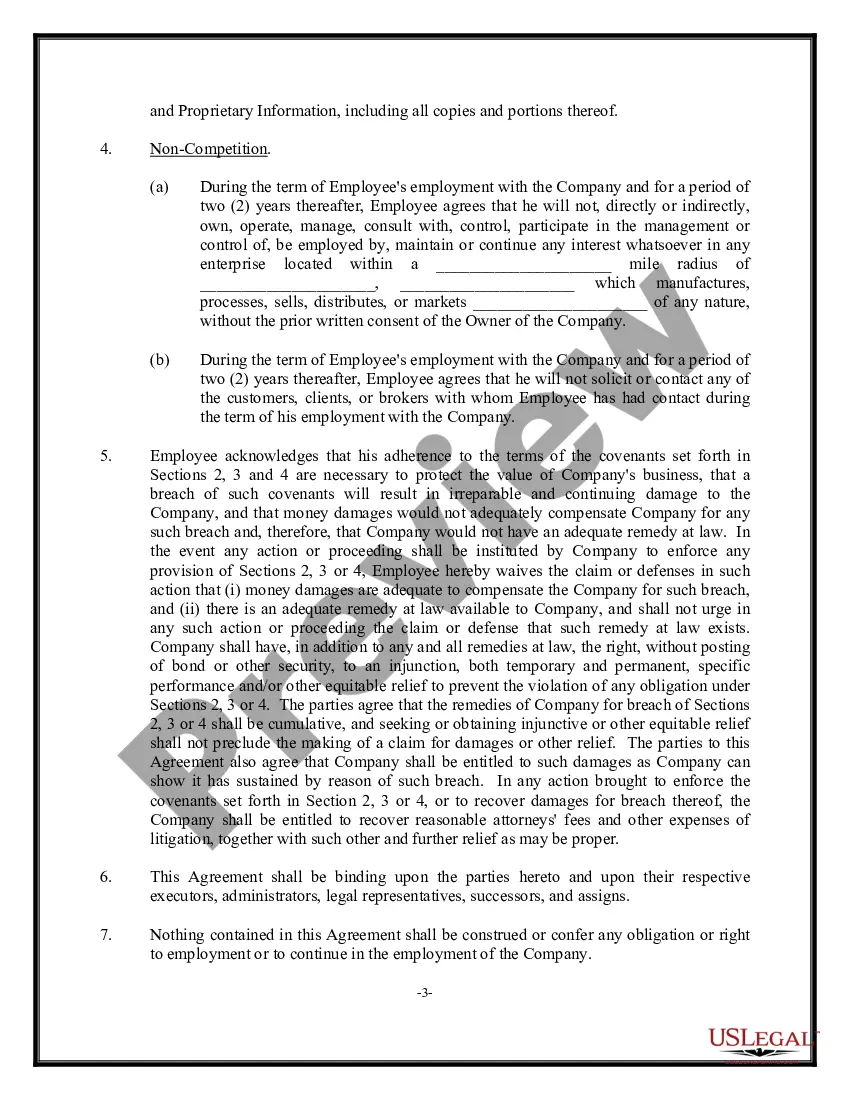
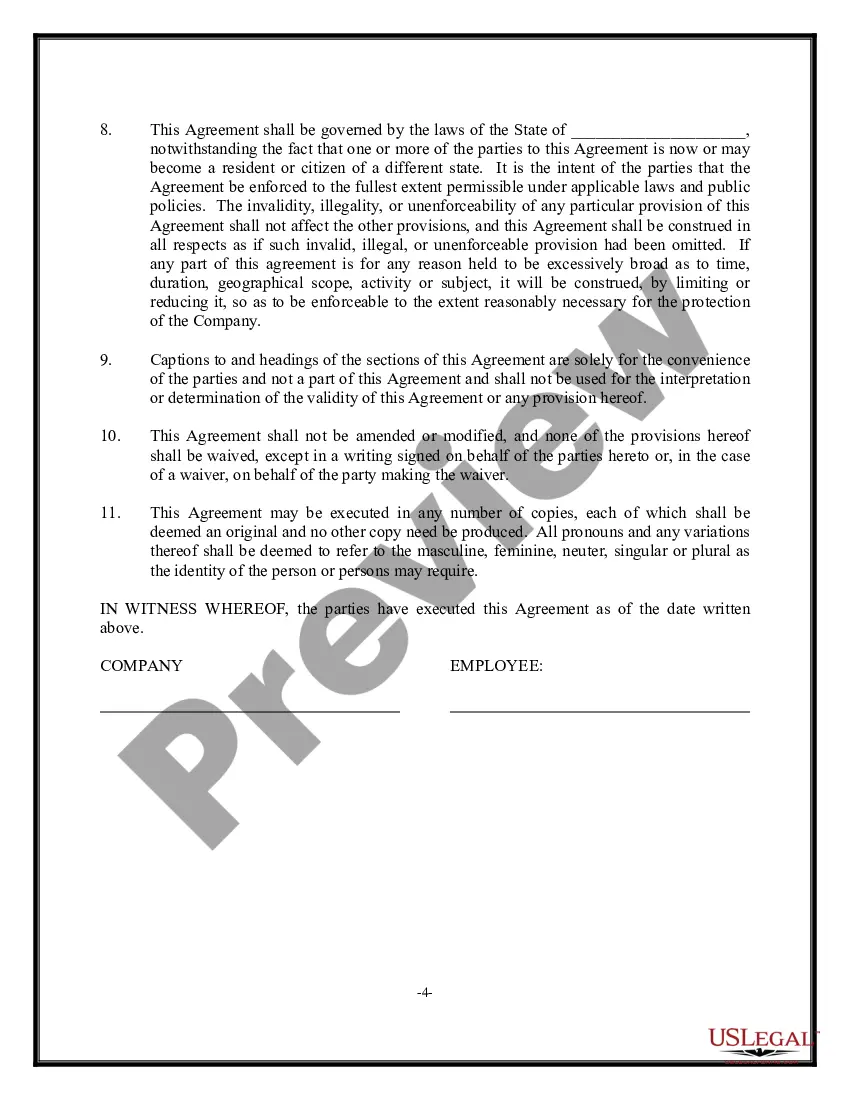
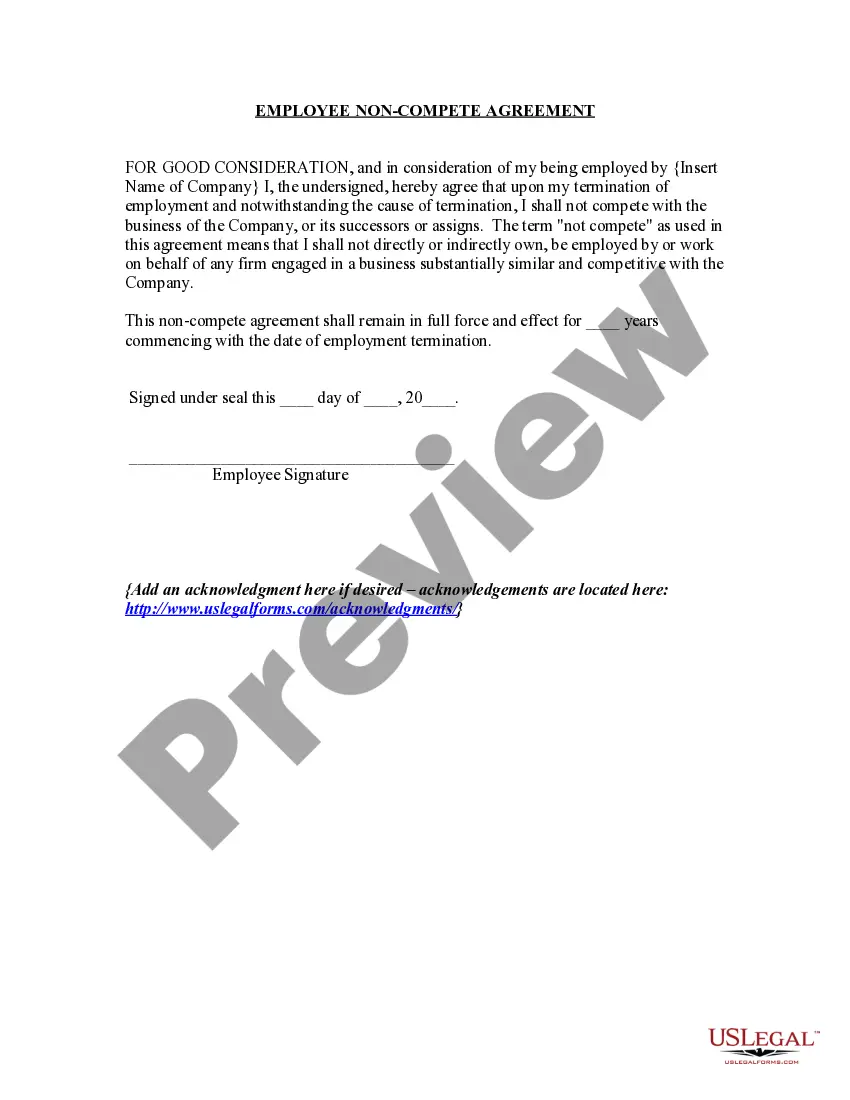
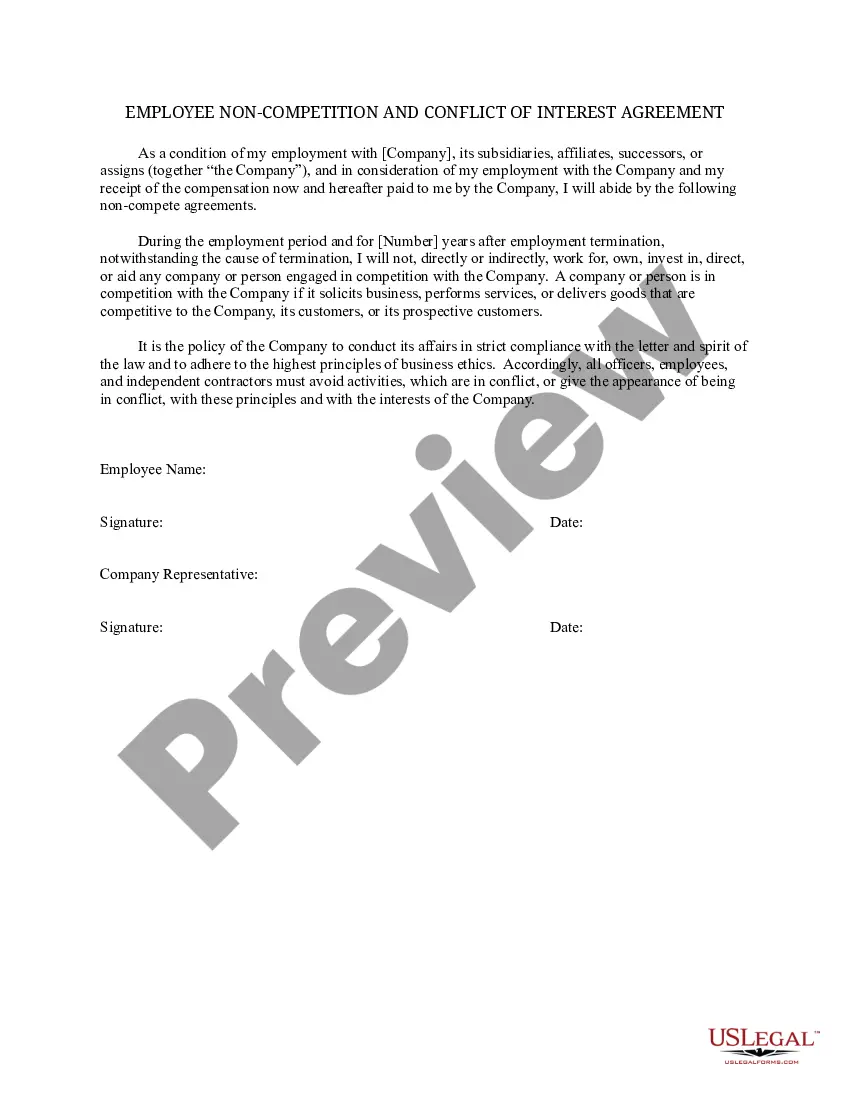
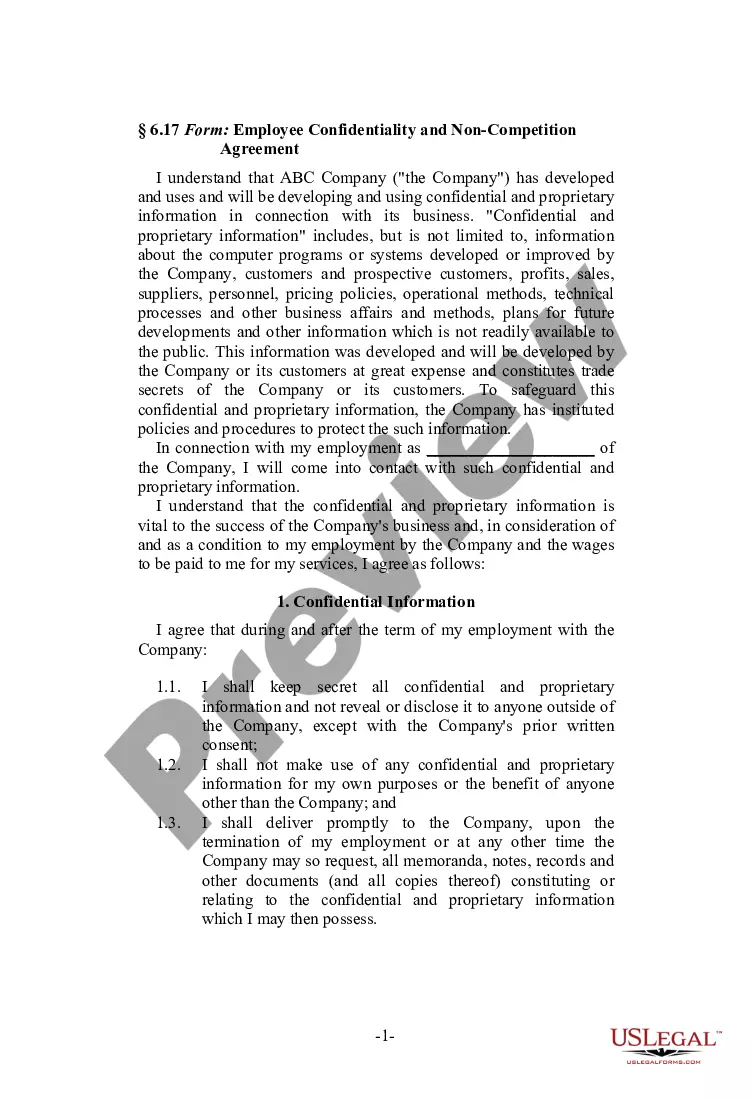
Add information about the parties involved. Describe the terms of the Non-Compete Agreement, such as the length and area of the restriction. If necessary, you can include a non-solicitation clause. Add a confidentiality clause.
The 2024 amendments to the law expand the ban on non-compete provisions to include agreements with: Licensed health care providers who provide direct patient care and earn total annual compensation equal to or less than $350,000; and. Employees who are licensed as a veterinarian or veterinary tech.
The restriction on noncompetes applies to any employee who earns equal to or less than 150% of the State minimum wage rate, and applies regardless of whether the employee entered into the agreement within the State of Maryland.
