Competition Noncompetition For Students In Pennsylvania
Description






Form popularity
FAQ
Pennsylvania courts have generally found non-compete agreements to be enforceable if the agreement is incident to an employment relationship between the employer and employee; the restriction imposed is reasonably necessary for the protection of the employer's business interest; and the restrictions imposed are ...
The following are the most common ways to get out of a non-compete agreement: Determine that the terms of the contract do not in fact prevent you from a desired course of action. Recognize when a non-compete contradicts the law. Negotiate a release agreement with the involved parties. Ignore the agreement.
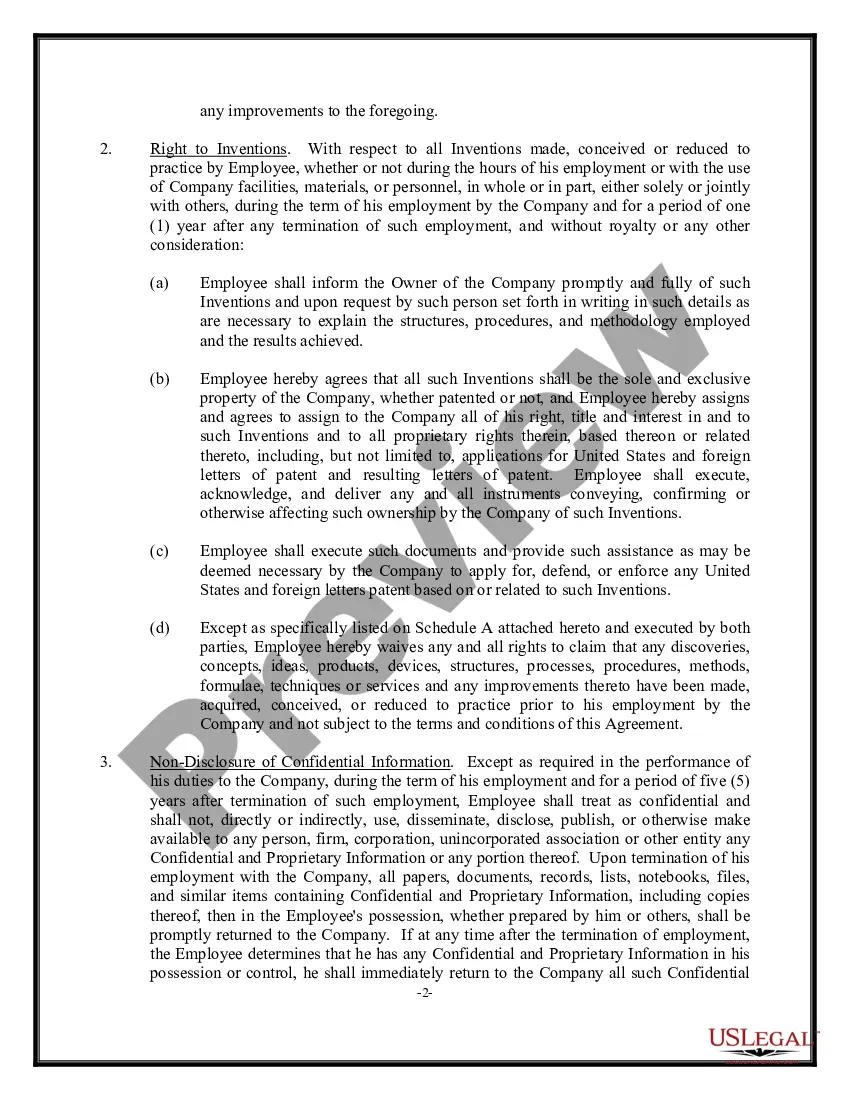
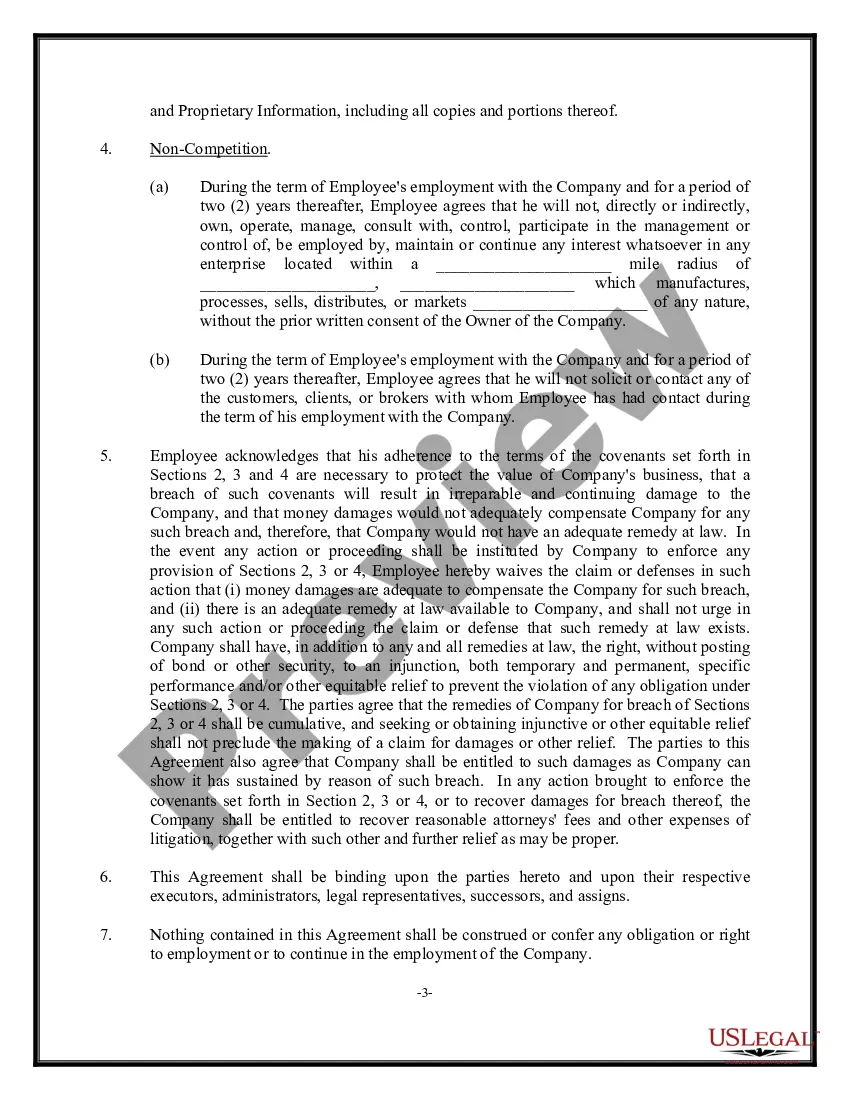
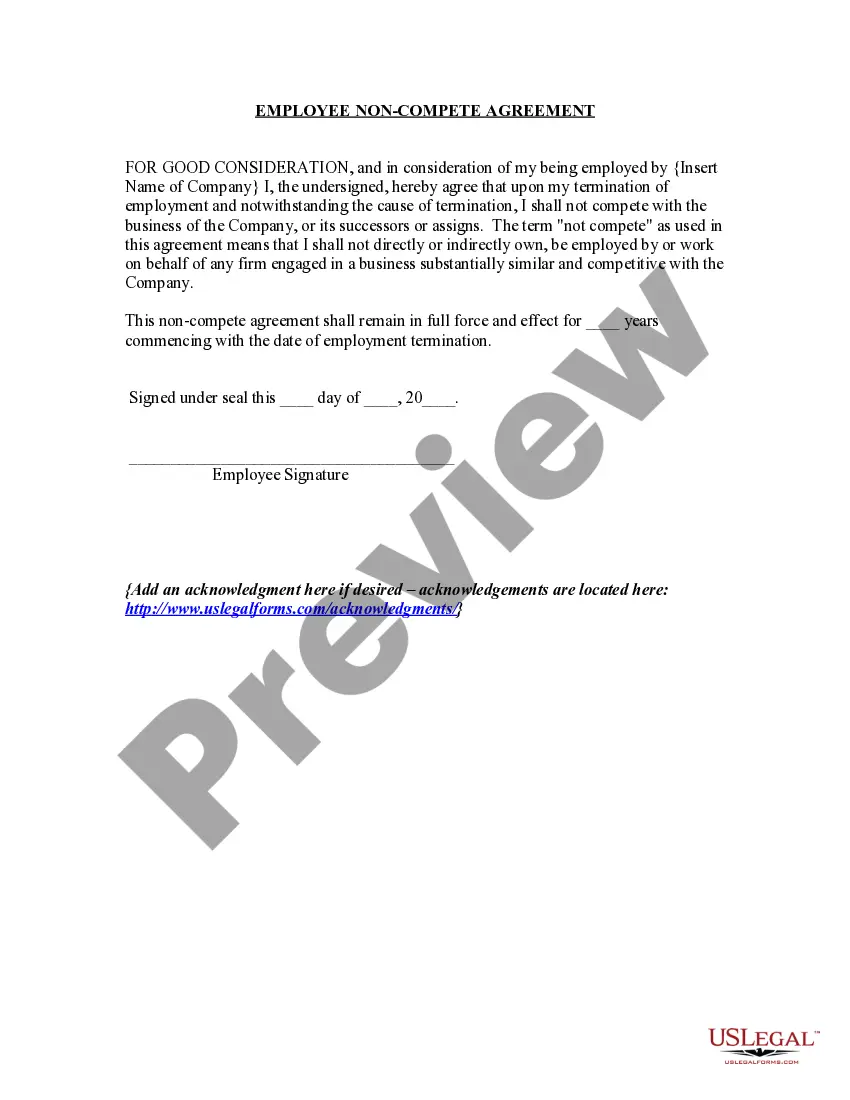
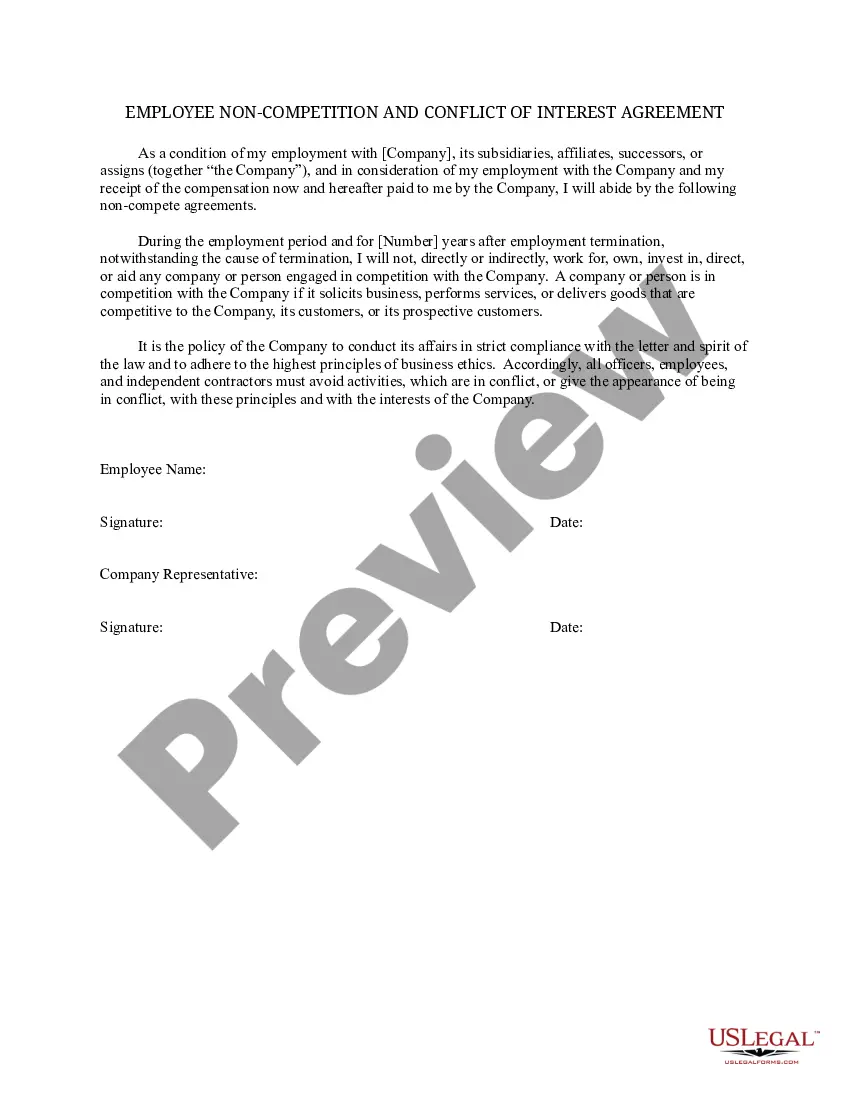
(c) Employee name agrees not to set up in business as a direct competitor of company name within a radius of number miles of company name and location for a period of number and measure of time (e.g., “four months” or “10 years”) following the expiration or termination of this agreement.
Reasonableness: Non-compete agreements must be reasonable in terms of their scope and duration. This means that the restrictions must be no broader than necessary to protect the legitimate business interests of the employer, such as protecting trade secrets, confidential information, and/or customer relationships.
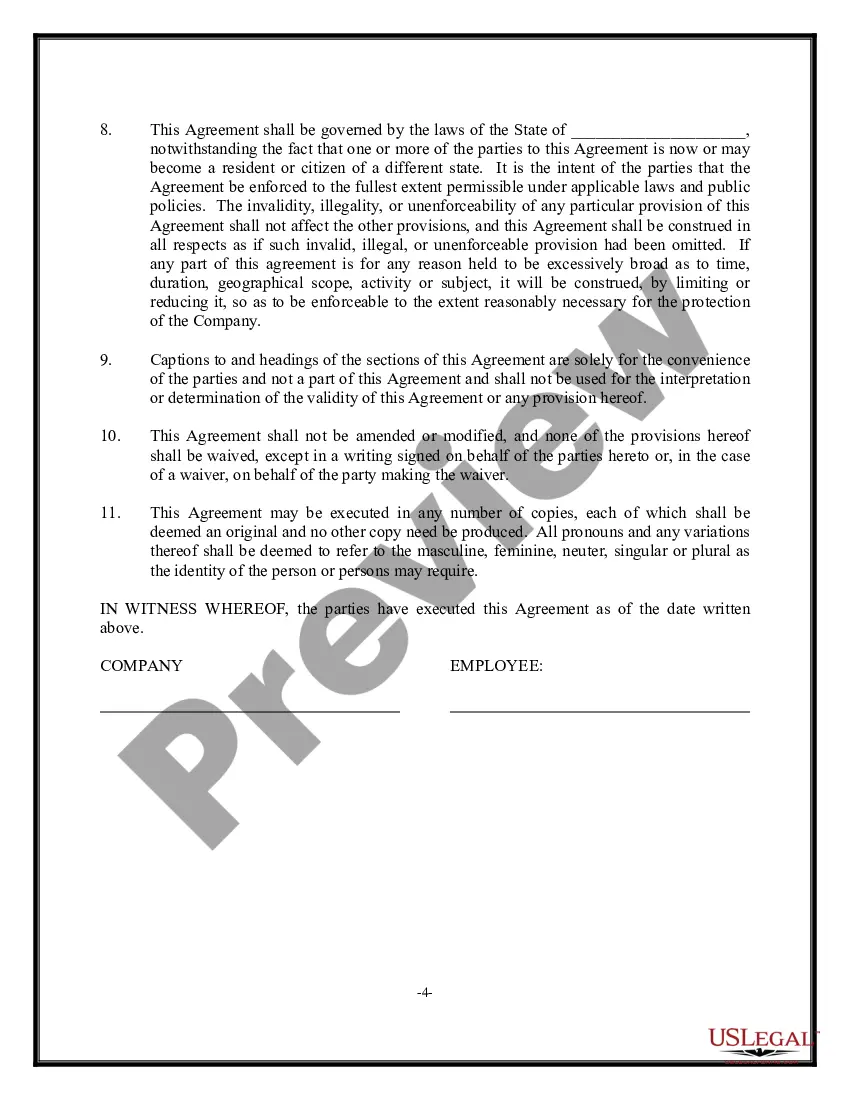
Employers do not need to notarize non-compete agreements. The dated signatures of a company representative, such as a manager or HR representative, and the employee are typically sufficient.
Pennsylvania courts have generally found non-compete agreements to be enforceable if the agreement is incident to an employment relationship between the employer and employee; the restriction imposed is reasonably necessary for the protection of the employer's business interest; and the restrictions imposed are ...
The law, now known as Act 74 of 2024, places, for the first time in Pennsylvania, statutory restrictions on noncompete agreements in physician employment contracts. Act 74 will limit noncompete agreements in physician employment contracts to a maximum duration of one year.
The FTC noncompete rule seeks to ban nearly all noncompete agreements and provisions that function as noncompete agreements between employers and workers as “unfair methods of competition.” The rule would further prohibit employers from enforcing most existing such agreements and notify their employees that any such ...
On April 23, 2024, the FTC announced its Final Non-Compete Clause Rule (“Final Rule”), which bans post-employment non-compete clauses between employers and their workers.
Several factors can void or limit the enforceability of a non-compete agreement, including overly broad restrictions, unreasonable time frames or geographical limits, lack of consideration (such as compensation or job opportunities provided in exchange for the agreement), and violation of public policy.
