Competition Noncompetition For Students In San Diego
Description

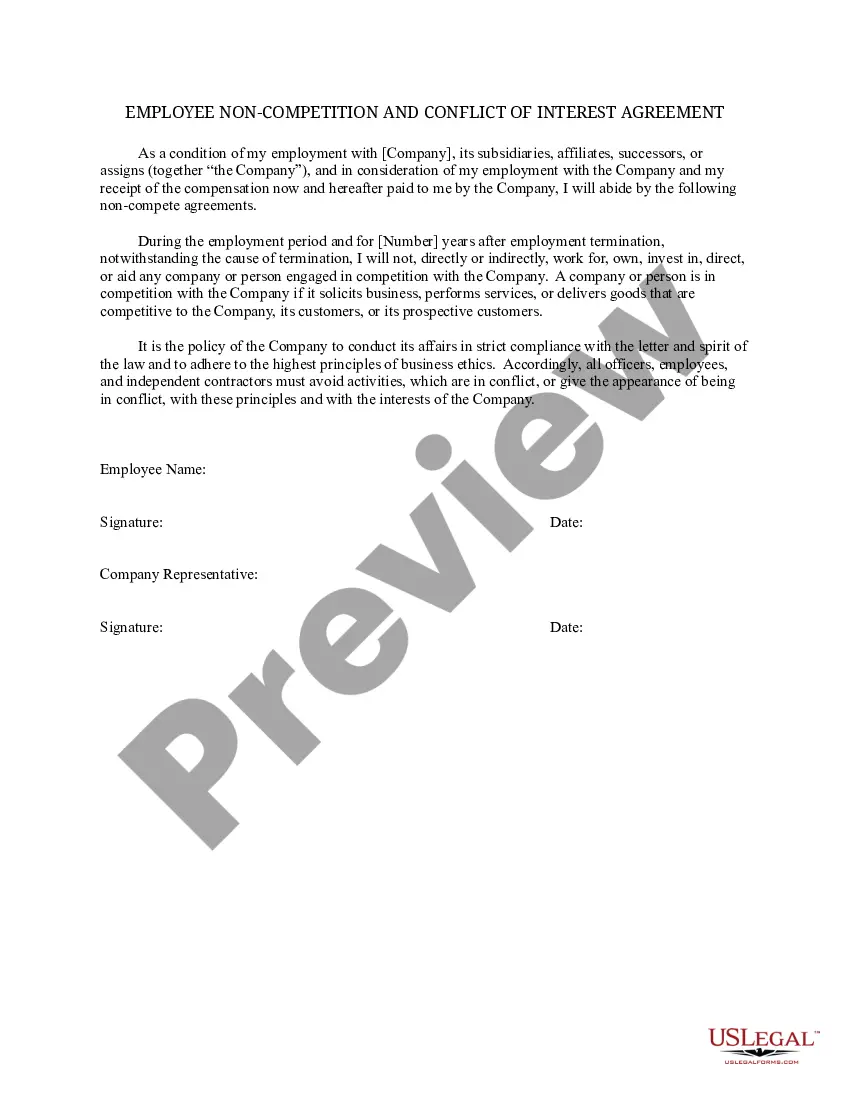
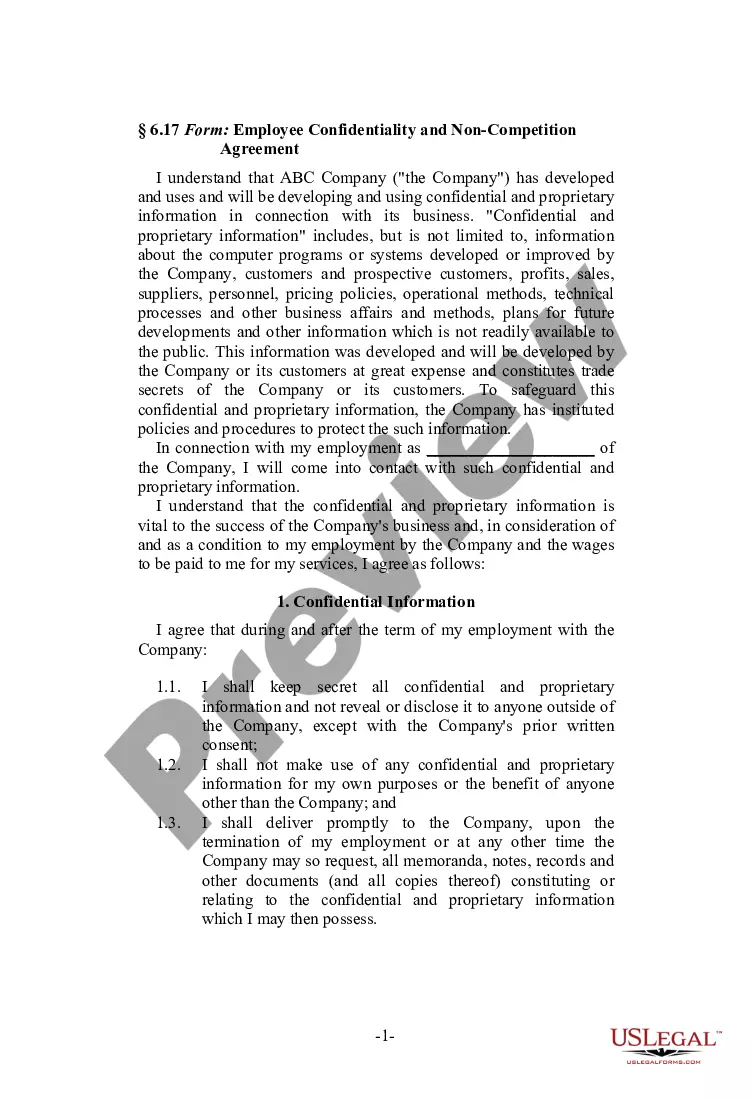
Get your form ready online
Our built-in tools help you complete, sign, share, and store your documents in one place.
Make edits, fill in missing information, and update formatting in US Legal Forms—just like you would in MS Word.
Download a copy, print it, send it by email, or mail it via USPS—whatever works best for your next step.
Sign and collect signatures with our SignNow integration. Send to multiple recipients, set reminders, and more. Go Premium to unlock E-Sign.
If this form requires notarization, complete it online through a secure video call—no need to meet a notary in person or wait for an appointment.
We protect your documents and personal data by following strict security and privacy standards.

Make edits, fill in missing information, and update formatting in US Legal Forms—just like you would in MS Word.

Download a copy, print it, send it by email, or mail it via USPS—whatever works best for your next step.

Sign and collect signatures with our SignNow integration. Send to multiple recipients, set reminders, and more. Go Premium to unlock E-Sign.

If this form requires notarization, complete it online through a secure video call—no need to meet a notary in person or wait for an appointment.

We protect your documents and personal data by following strict security and privacy standards.
Looking for another form?
Form popularity
FAQ
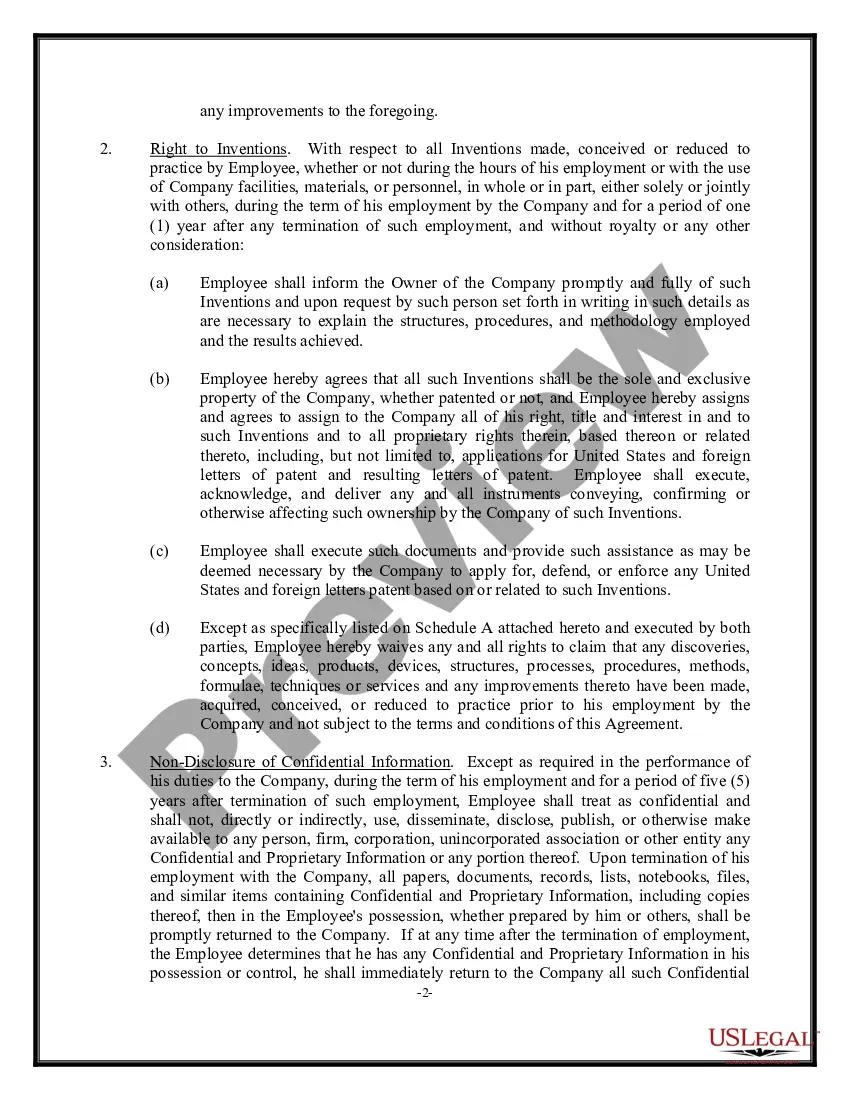
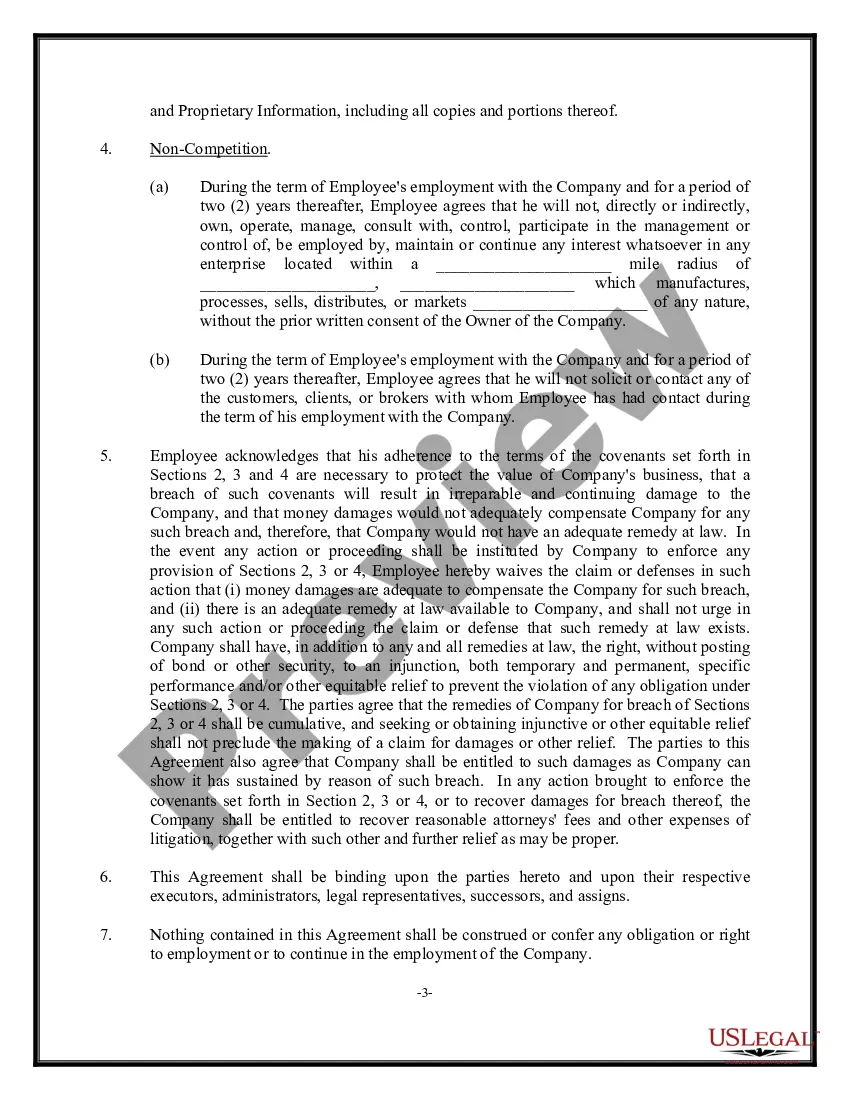
Establishing a breach of a non-compete, non-solicitation, or confidentiality agreement can be demanding. It usually necessitates evidence such as emails, contracts, and other documentation substantiating that the breaching party has misused or disclosed confidential information violating the agreement.
Noncompete agreements are void and prohibited by law in California.
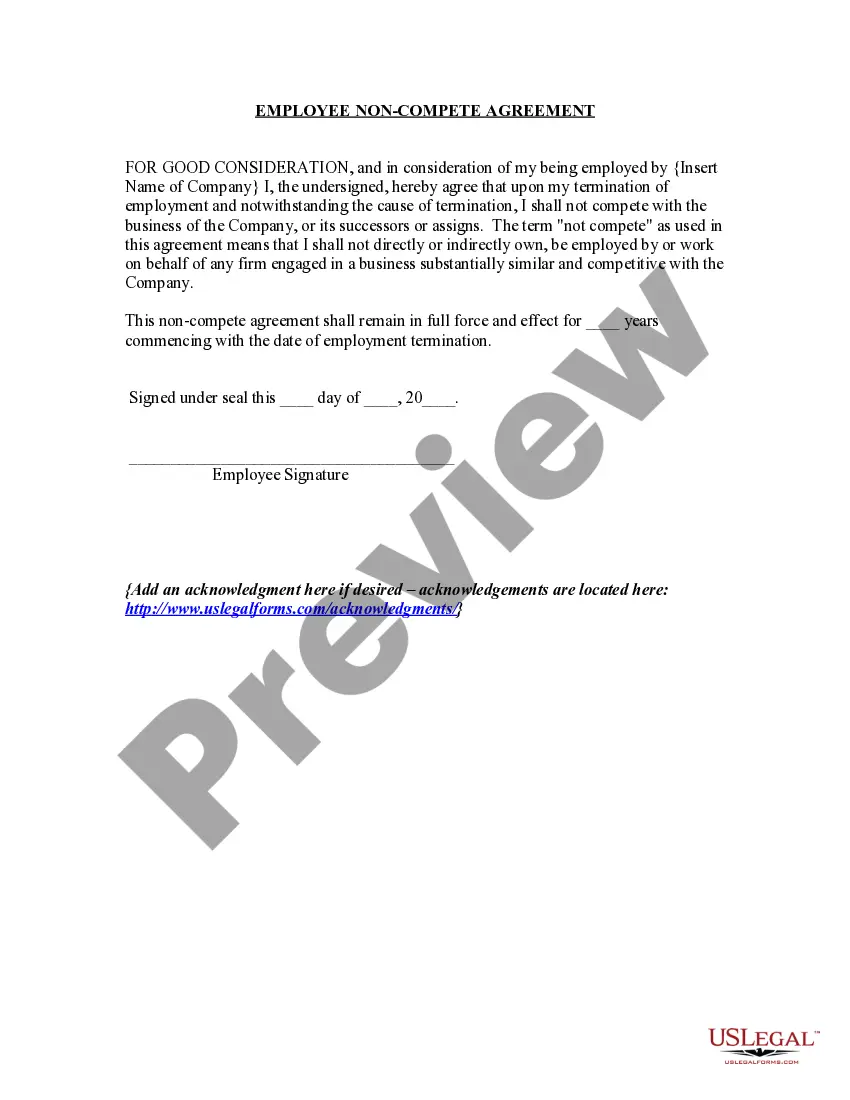
Several factors can void or limit the enforceability of a non-compete agreement, including overly broad restrictions, unreasonable time frames or geographical limits, lack of consideration (such as compensation or job opportunities provided in exchange for the agreement), and violation of public policy.
The notice must be: (1) made by February 14, 2024; (2) a written individualized communication to the employee or former employee; and (3) delivered to the last known address and email address of the employee or former employee.
If the restriction on the employee is for an unusually long period of time, there's going to be a problem. One to two years is typically reasonable, while three to five years is unlikely to be upheld by a court.
Noncompete agreements are void and prohibited by law in California. QUICK SUMMARY: In California, noncompete agreements that are intended to prevent or restrain an employee from engaging in another lawful possession, trade or business during their employment have long been unenforceable.
General Prohibition on Non-Competes and Restrictive Covenants. California has long prohibited employers from entering agreements to prevent their employees from leaving to compete against them.
April 24, 2024 Update Under the new rule, and subject to a few narrow exceptions, companies are banned from entering into new noncompete agreements and enforcing noncompete agreements currently in effect with all workers.
Scheduled to take effect on September 4, 2024, the Non-Compete Rule banned non-compete agreements, including any agreements that “function or prevent” a worker from seeking or accepting work or operating a business; made it unlawful to enter into, enforce, or attempt to enter into or enforce, a non-compete agreement ...
Scheduled to take effect on September 4, 2024, the Non-Compete Rule banned non-compete agreements, including any agreements that “function or prevent” a worker from seeking or accepting work or operating a business; made it unlawful to enter into, enforce, or attempt to enter into or enforce, a non-compete agreement ...
