Volunteer Service Agreement For Support Worker In Virginia
Description

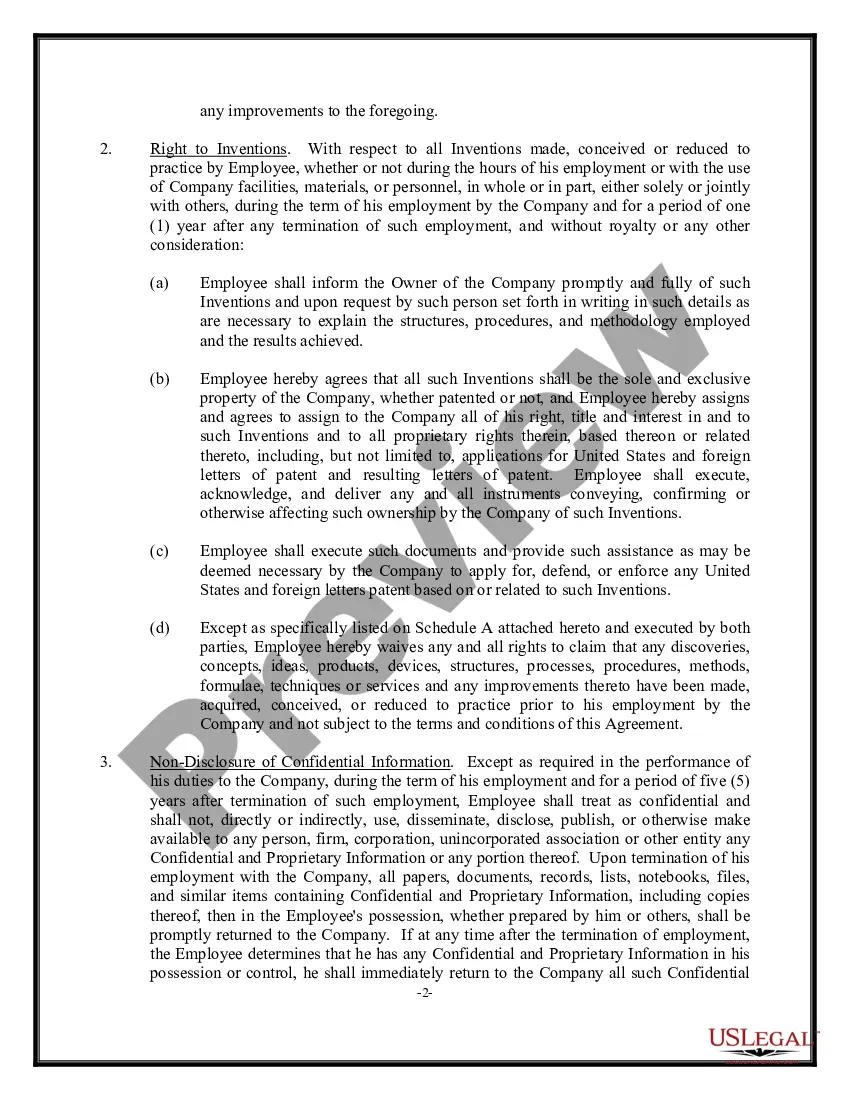
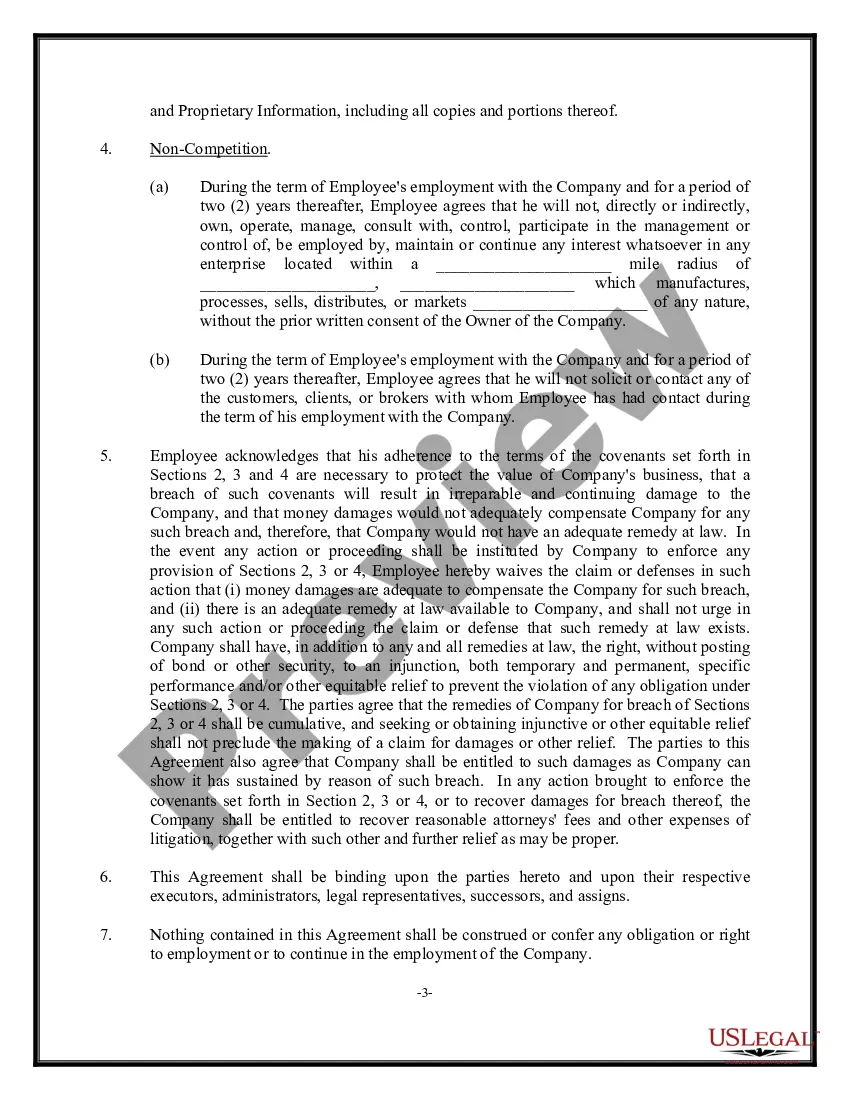
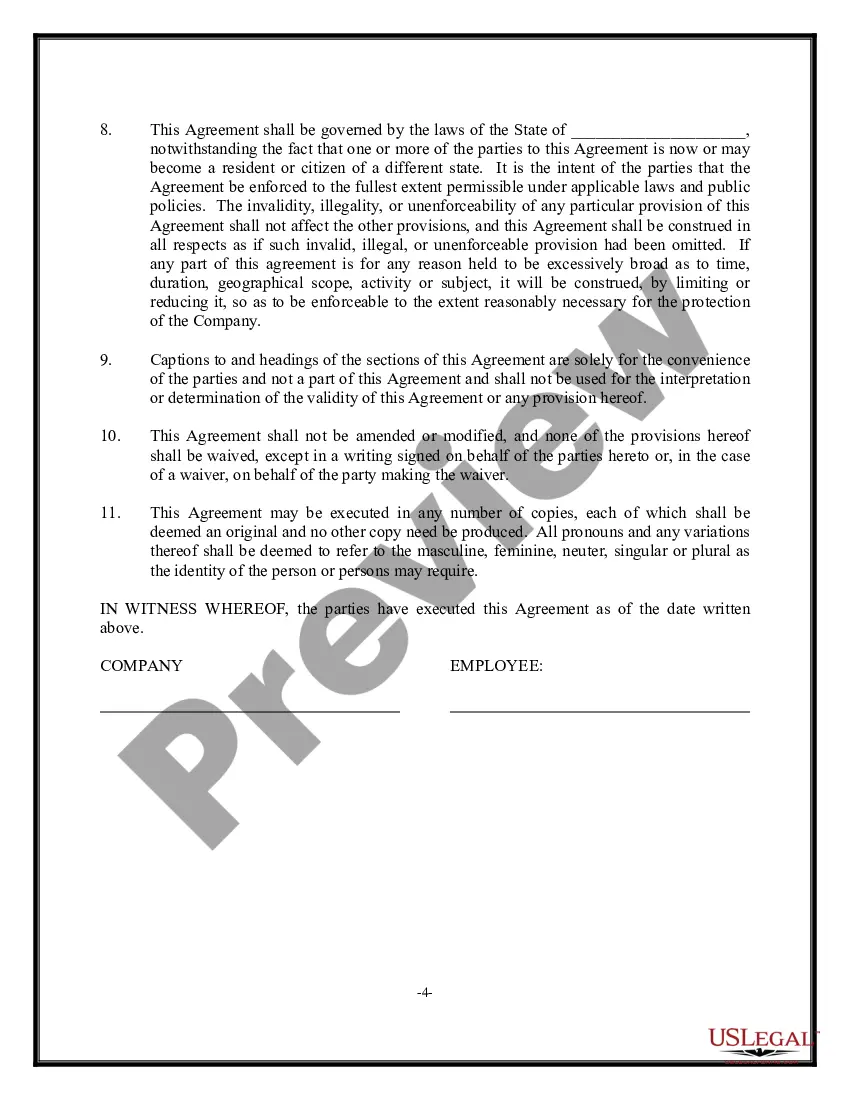
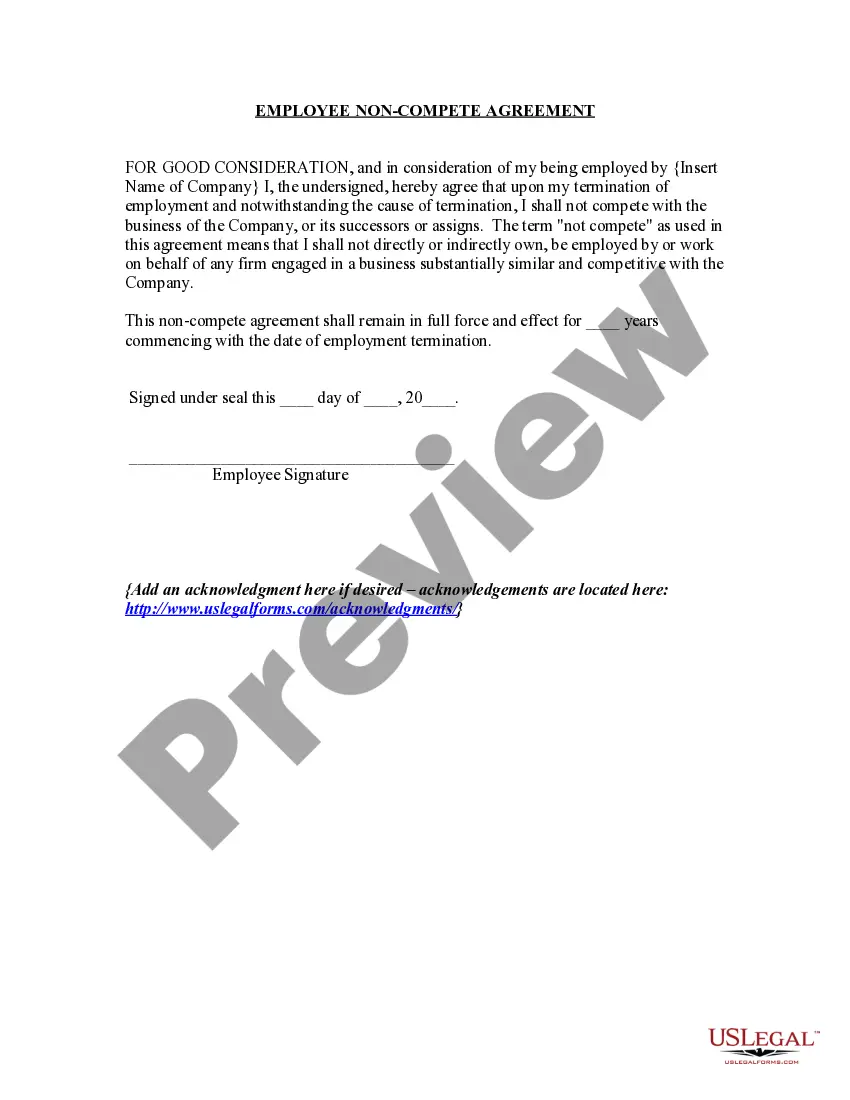
Get your form ready online
Our built-in tools help you complete, sign, share, and store your documents in one place.
Make edits, fill in missing information, and update formatting in US Legal Forms—just like you would in MS Word.
Download a copy, print it, send it by email, or mail it via USPS—whatever works best for your next step.
Sign and collect signatures with our SignNow integration. Send to multiple recipients, set reminders, and more. Go Premium to unlock E-Sign.
If this form requires notarization, complete it online through a secure video call—no need to meet a notary in person or wait for an appointment.
We protect your documents and personal data by following strict security and privacy standards.

Make edits, fill in missing information, and update formatting in US Legal Forms—just like you would in MS Word.

Download a copy, print it, send it by email, or mail it via USPS—whatever works best for your next step.

Sign and collect signatures with our SignNow integration. Send to multiple recipients, set reminders, and more. Go Premium to unlock E-Sign.

If this form requires notarization, complete it online through a secure video call—no need to meet a notary in person or wait for an appointment.

We protect your documents and personal data by following strict security and privacy standards.
Looking for another form?

Form popularity
FAQ
A service agreement is a type of contract that outlines the terms and conditions covering the provision of services between two parties and acts as a reference point for both parties should any questions arise. It serves as a blueprint for the relationship and covers: What work needs to be done and what you'll get.
Businesses who provide or receive services should ensure they have a service agreement in place. A service agreement sets out the rights and obligations of each party to the arrangement and provides a level of legal protection for your business if something goes wrong.
A services agreement is a written contract between a service provider and a client. Also known as a service contract or a general services agreement, this document is legally binding and provides some level of protection for both the provider and the client.
Asking a volunteer to leave should always be a last resort when other ways to solve a problem haven't worked. See our guidance on solving volunteer problems. In rare cases, it's a necessary response to a serious breach of conduct.
You do not have a contract of employment as a volunteer, so you do not have the same rights as an employee or worker. You will usually be given a volunteer agreement that explains: the level of supervision and support you'll get. what training you'll get.
