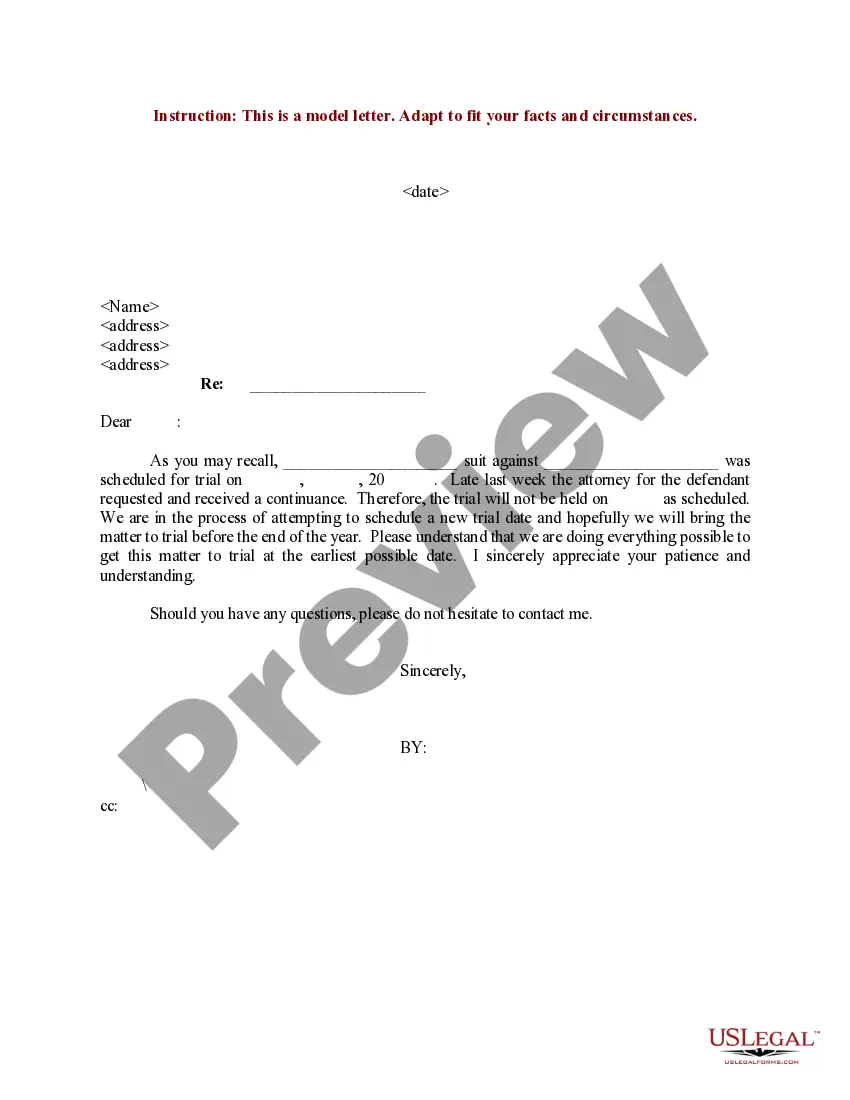
Sample Schedule Form For Employee Evaluation In Salt Lake
Description
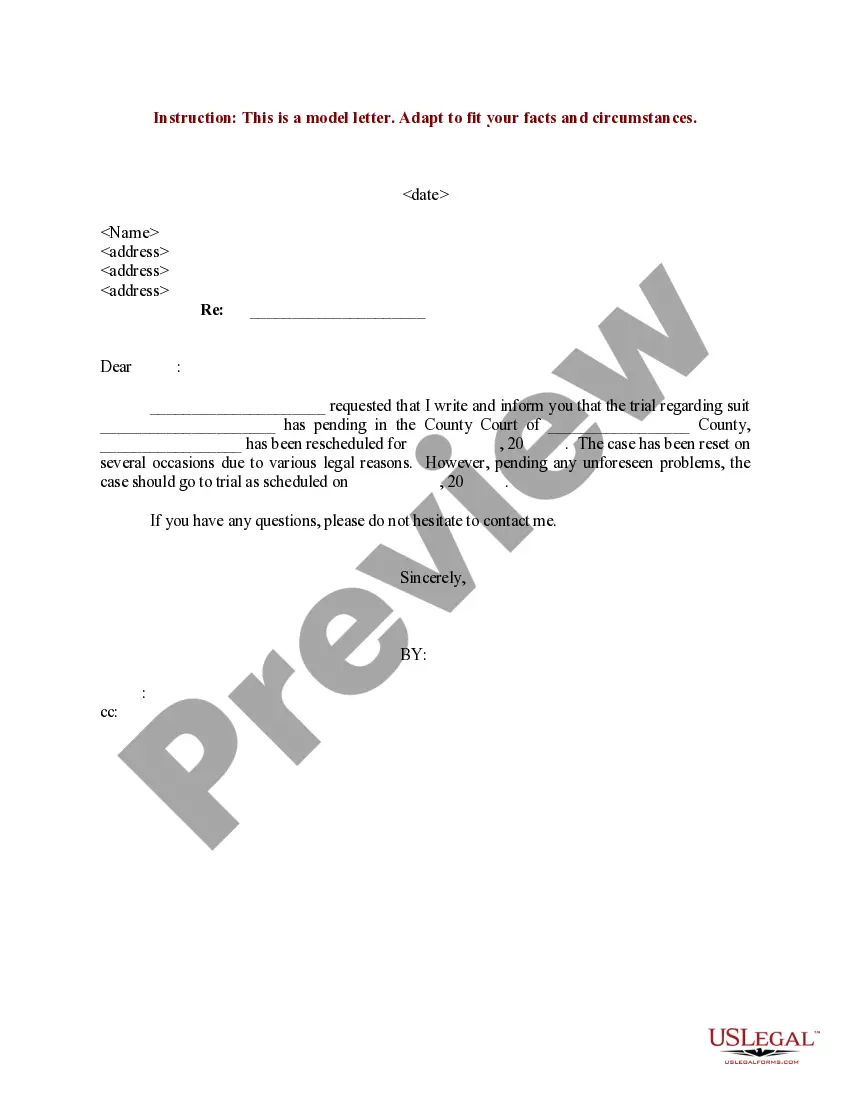
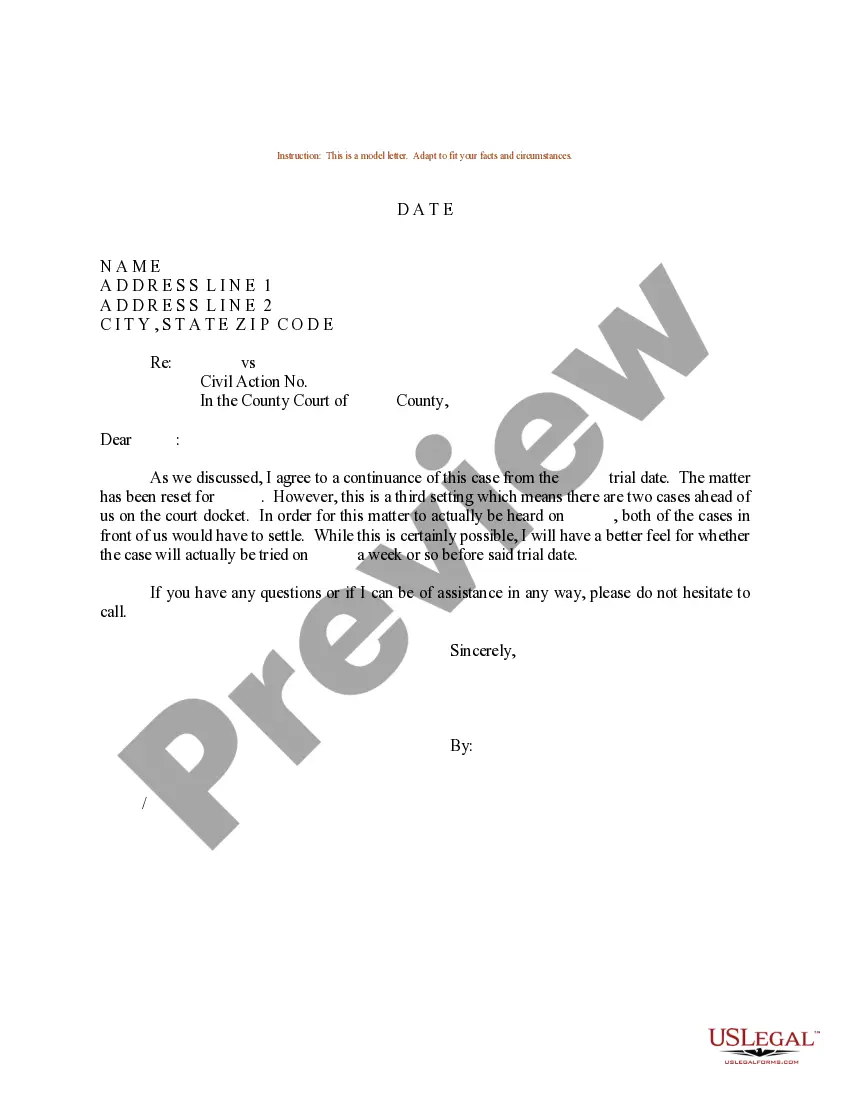

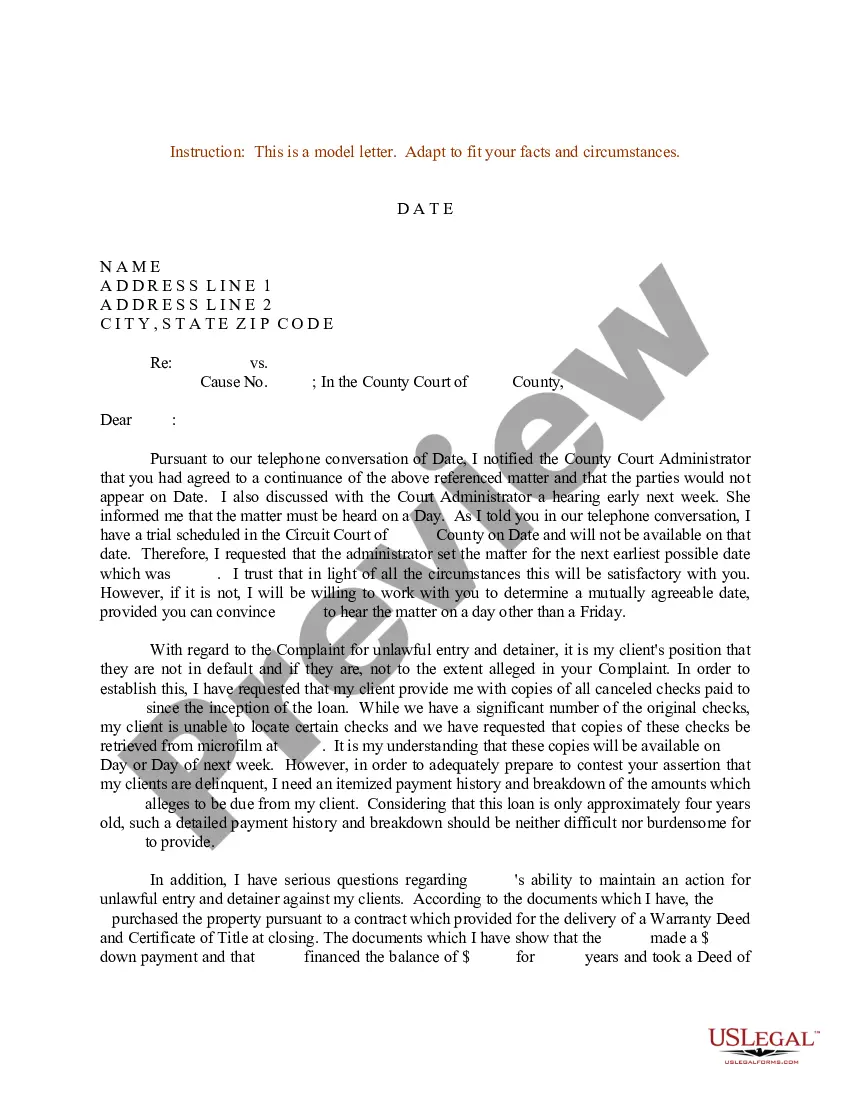
Get your form ready online
Our built-in tools help you complete, sign, share, and store your documents in one place.
Make edits, fill in missing information, and update formatting in US Legal Forms—just like you would in MS Word.
Download a copy, print it, send it by email, or mail it via USPS—whatever works best for your next step.
Sign and collect signatures with our SignNow integration. Send to multiple recipients, set reminders, and more. Go Premium to unlock E-Sign.
If this form requires notarization, complete it online through a secure video call—no need to meet a notary in person or wait for an appointment.
We protect your documents and personal data by following strict security and privacy standards.

Make edits, fill in missing information, and update formatting in US Legal Forms—just like you would in MS Word.

Download a copy, print it, send it by email, or mail it via USPS—whatever works best for your next step.

Sign and collect signatures with our SignNow integration. Send to multiple recipients, set reminders, and more. Go Premium to unlock E-Sign.

If this form requires notarization, complete it online through a secure video call—no need to meet a notary in person or wait for an appointment.

We protect your documents and personal data by following strict security and privacy standards.
Looking for another form?
Form popularity
FAQ
An evaluation form is a tool for providing feedback about performance. These customizable forms include questions that help measure strengths, areas for improvement, and overall progress toward goals. Educators, business owners, and administrators often use evaluation forms in many fields.
How to create an employee evaluation form in 4 simple steps Set goals. Before developing employee evaluation forms, it's important to define your objectives. Set a timeline and establish a process. Next, establish a timeline. Build out form fields. Include instructions.
An evaluation is an appraisal of something to determine its worth or fitness. For example, before you start an exercise program, get a medical evaluation, to make sure you're able to handle the activity.
The main types of evaluation are process, impact, outcome and summative evaluation. Before you are able to measure the effectiveness of your project, you need to determine if the project is being run as intended and if it is reaching the intended audience.
How to write an employee evaluation Gather employee information. Gather required information related to the employee to get the full picture of their value to the company. List employee responsibilities. Use objective language. Use action verbs. Compare performance ratings. Ask open-ended questions. Use a point system.
Examples of Evaluation Questions Were participants satisfied with the delivery of the program? How do staff, community partners and referring agencies feel about the program? How did participants find out about the program? How many children/youth and/or families completed the program?
Evaluation Forms Examples Employee Evaluation Form. Customer Service Evaluation Form. Peer Evaluation Form. Performance Improvement Plan Form. Event Evaluation Form. Training Course Feedback Template.
The most common form for employee evaluation is the performance appraisal form. This form usually includes a mix of quantitative ratings and qualitative feedback on various performance criteria such as job knowledge, quality of work, productivity, teamwork, and communication.
``Please provide your assessment of your overall performance. Include what you accomplished and how well it was completed. Cite your strengths and weaknesses, obstacles you experienced, challenges you overcame, new responsibilities you took on, new skills you acquired and anything else you feel is relevant.''
Never discuss personality traits—especially negative ones. You can say, “You have a fabulous attitude.” But saying, “Your attitude isn't great” focuses on personality, not performance. Maybe your employee does have a bad attitude.