Office Resign Format In Hillsborough
Description

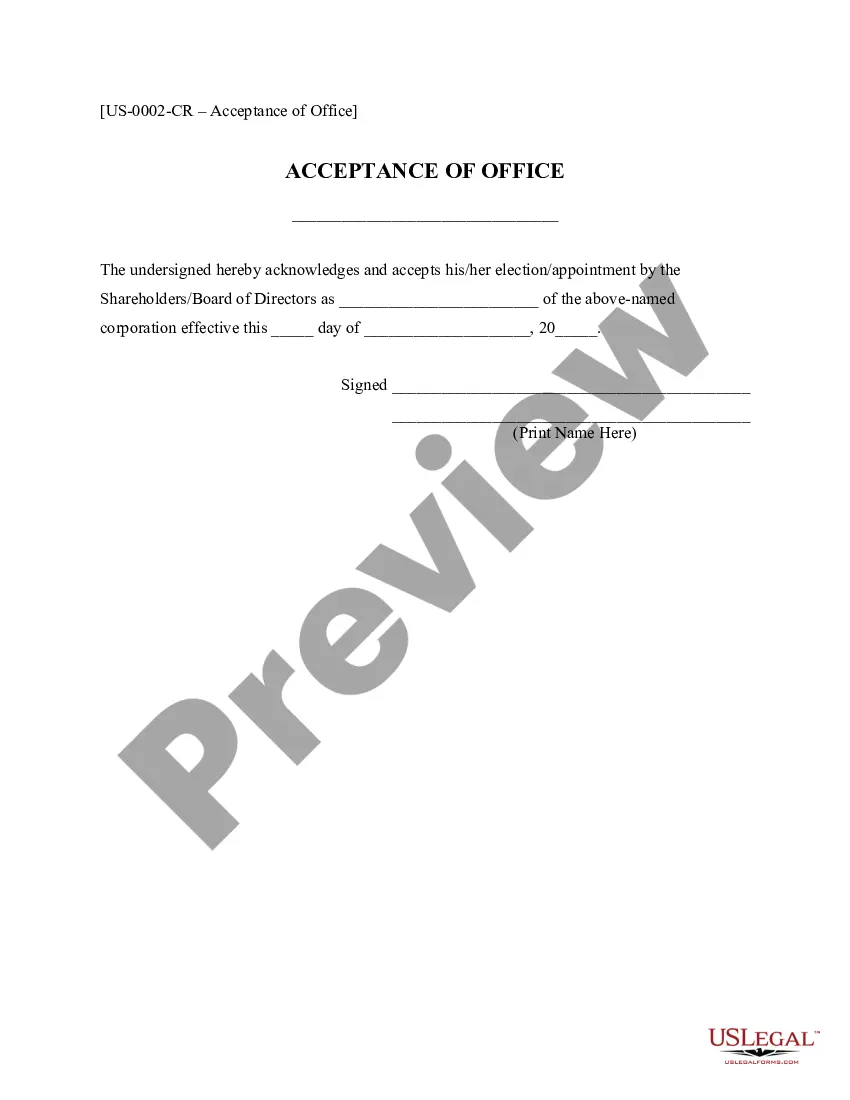
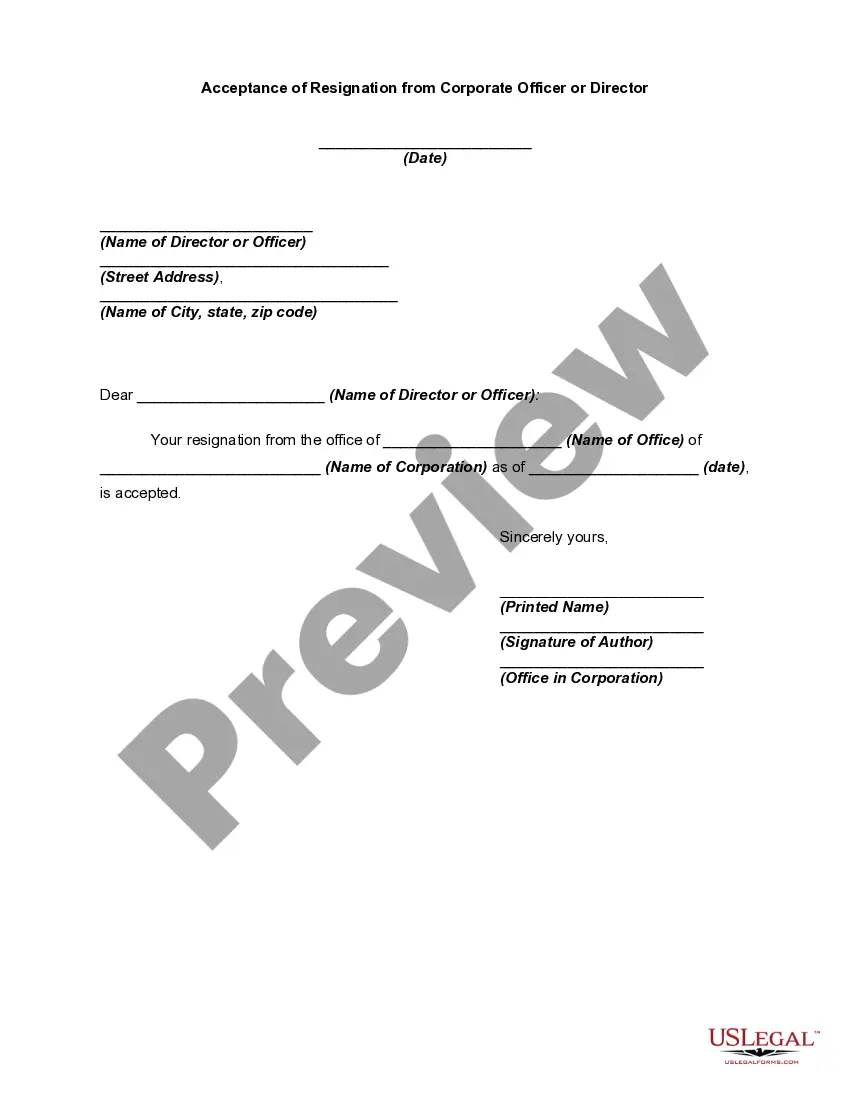
Get your form ready online
Our built-in tools help you complete, sign, share, and store your documents in one place.
Make edits, fill in missing information, and update formatting in US Legal Forms—just like you would in MS Word.
Download a copy, print it, send it by email, or mail it via USPS—whatever works best for your next step.
Sign and collect signatures with our SignNow integration. Send to multiple recipients, set reminders, and more. Go Premium to unlock E-Sign.
If this form requires notarization, complete it online through a secure video call—no need to meet a notary in person or wait for an appointment.
We protect your documents and personal data by following strict security and privacy standards.

Make edits, fill in missing information, and update formatting in US Legal Forms—just like you would in MS Word.

Download a copy, print it, send it by email, or mail it via USPS—whatever works best for your next step.

Sign and collect signatures with our SignNow integration. Send to multiple recipients, set reminders, and more. Go Premium to unlock E-Sign.

If this form requires notarization, complete it online through a secure video call—no need to meet a notary in person or wait for an appointment.

We protect your documents and personal data by following strict security and privacy standards.
Looking for another form?


Form popularity
FAQ
If your mailing address changes, please complete the Designation of Mailing and E-Mail Address Form, and file it with the Clerk's office. By Mail, to Clerk of the Circuit Court -- Traffic, PO Box 3360, Tampa FL 33601-3360. In Person, at any of our locations Monday - Friday.
File a Small Claims Case You, the plaintiff, must file a “Statement of Claim” form, available at your Clerk's office. This must be fully completed and signed to receive a pre-trial conference date. If your claim is based upon written documentation, attach a copy of the contract to the Statement of Claim form.
A small claims case is a legal action filed in county court to settle minor legal disputes where the dollar amount involved is $8,000 or less. This amount does not include filing costs, interest, and attorneys' fees.
A person can file a quitclaim deed by (1) entering the relevant information on a quitclaim deed form, (2) signing the deed with two witnesses and a notary, and (3) recording the deed at the county comptroller's office. In Florida, quitclaim deeds must have the name and address of both the grantor and the grantee.
If your mailing address changes, please complete the Designation of Mailing and E-Mail Address Form, and file it with the Clerk's office. By Mail, to Clerk of the Circuit Court -- Traffic, PO Box 3360, Tampa FL 33601-3360. In Person, at any of our locations Monday - Friday.
A person can file a quitclaim deed by (1) entering the relevant information on a quitclaim deed form, (2) signing the deed with two witnesses and a notary, and (3) recording the deed at the county comptroller's office. In Florida, quitclaim deeds must have the name and address of both the grantor and the grantee.
Recorder Offices Clerk of the Circuit Court. 419 Pierce St, Rm 140 / PO Box 3249, Tampa, Florida 33602 / 33601-3249. Brandon Office - Regional Service Center. 311 Pauls Dr, Brandon, Florida 33511. South Shore Office - Regional Service Center. 410 30th St SE, Ruskin, Florida 33570. Plant City Office.
Recording Department Fees Document TypeCost Letter or Legal Size Documents First page of each document $13.00 Each additional page $5.00 Each additional page larger than legal size $10.006 more rows
Here are the steps: Complete the Quitclaim Deed Form – Include the property's full legal description and the names of all parties involved. You will need the previous deed for reference. Sign the Deed – The grantor must sign the deed in front of two witnesses (at least 18 years old) and a notary public.
A person can file a quitclaim deed by (1) entering the relevant information on a quitclaim deed form, (2) signing the deed with two witnesses and a notary, and (3) recording the deed at the county comptroller's office. In Florida, quitclaim deeds must have the name and address of both the grantor and the grantee.

