Corporation Personal Held Within A Corporation In Massachusetts
Description

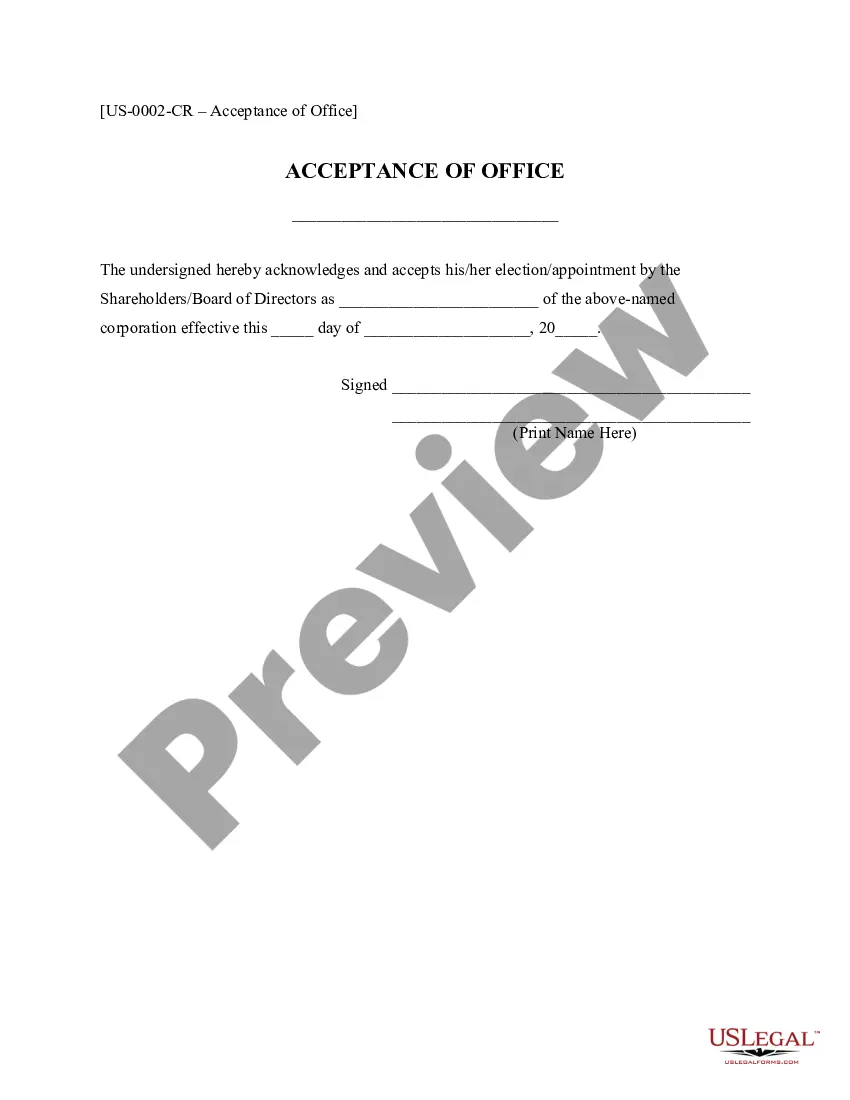
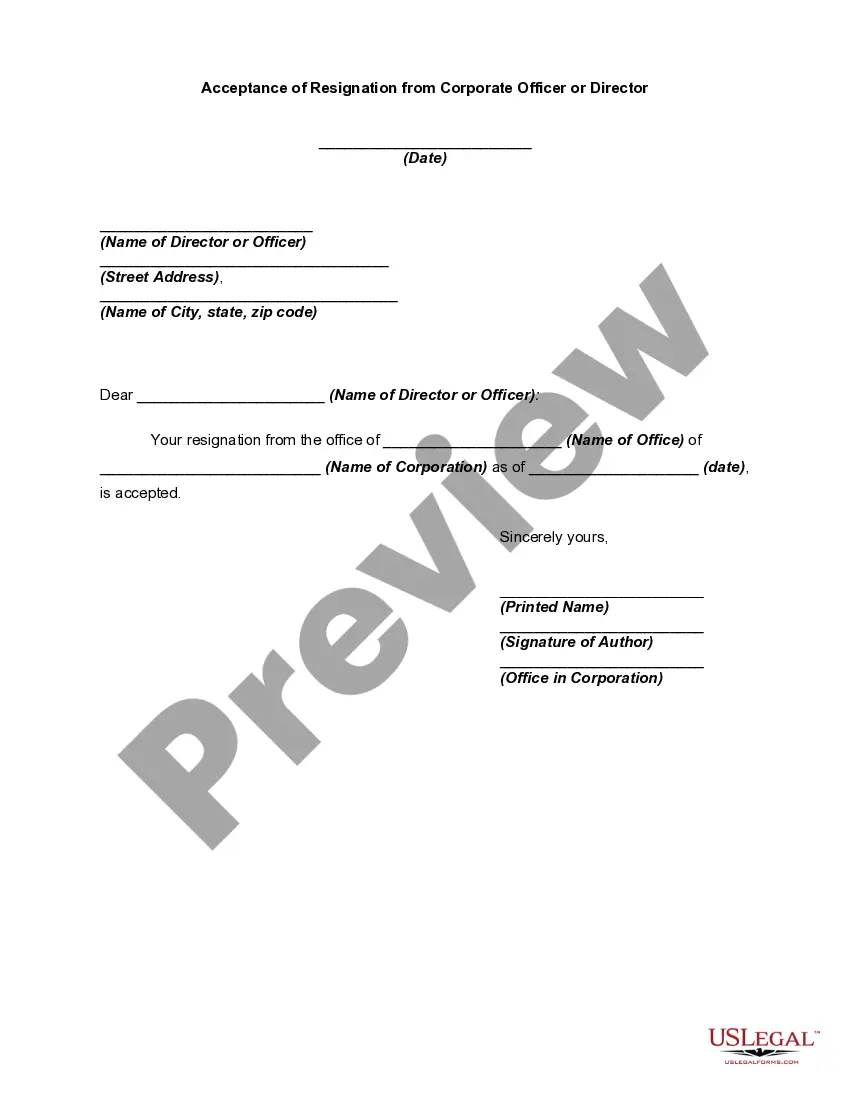
Get your form ready online
Our built-in tools help you complete, sign, share, and store your documents in one place.
Make edits, fill in missing information, and update formatting in US Legal Forms—just like you would in MS Word.
Download a copy, print it, send it by email, or mail it via USPS—whatever works best for your next step.
Sign and collect signatures with our SignNow integration. Send to multiple recipients, set reminders, and more. Go Premium to unlock E-Sign.
If this form requires notarization, complete it online through a secure video call—no need to meet a notary in person or wait for an appointment.
We protect your documents and personal data by following strict security and privacy standards.

Make edits, fill in missing information, and update formatting in US Legal Forms—just like you would in MS Word.

Download a copy, print it, send it by email, or mail it via USPS—whatever works best for your next step.

Sign and collect signatures with our SignNow integration. Send to multiple recipients, set reminders, and more. Go Premium to unlock E-Sign.

If this form requires notarization, complete it online through a secure video call—no need to meet a notary in person or wait for an appointment.

We protect your documents and personal data by following strict security and privacy standards.
Looking for another form?
Form popularity
FAQ
Partnerships and C corporations cannot hold stock in an S corporation. A limited liability company (LLC) with a single individual member that is taxed as a disregarded entity can be a shareholder, with the owner treated as the owner of the S corporation stock.
An S corporation can own shares in another S corporation in specific situations. The subsidiary, in this case, must be a qualified subchapter S corporation (QSUB). The following taxpayers are not allowed to own shares in an S corporation: C corporations.
Yes, a single member LLC can form an S Corp. This structure is popular among solo entrepreneurs who want to benefit from the tax advantages of an S Corporation and the liability protection of an LLC. Remember, while you're the only owner, your LLC is a separate legal entity from yourself for legal purposes.
A corporation that is subject to the tax jurisdiction of Massachusetts is generally required to file returns with DOR.
Shareholders have to be individuals, certain types of trusts, estates, or certain types of tax-exempt organizations. For example, a partnership can't be an S shareholder. The corporation must be a U.S. corporation with no more than 100 shareholders.
Ownership: S corporations cannot be owned by C corporations, other S corporations (with some exceptions), LLCs, partnerships or many trusts. Stock: S corporations can have only one class of stock (disregarding voting rights), while C corporations can have multiple classes.
In most countries, a corporation has the same rights as a natural person to hold property, enter into contracts, and to sue or be sued. Granting non-human entities personhood is a Western concept applied to corporations.
As you might expect, a single-member LLC is a limited liability company that only has one owner. Even with only one member, this type of LLC provides the same benefits of multiple-member LLCs. A single-member LLC's owner is not an employee and they will not receive a salary.
Answer and Explanation: A corporation can have only one owner. This is when only one individual owns all the shares of stocks of a corporation. The corporation, for incorporation purposes, must still comply with the minimum numbers of incorporators in order to establish and start a corporation.
If a corporation is subject to Massachusetts' tax jurisdiction it is said to have nexus with the Commonwealth. Nexus-creating activities can include regular or systematic visits by employees or representatives of the corporation in Massachusetts, or economic or virtual contacts that exceed a certain dollar threshold.

