Corporation Personal Held Without Bail In Queens
Description

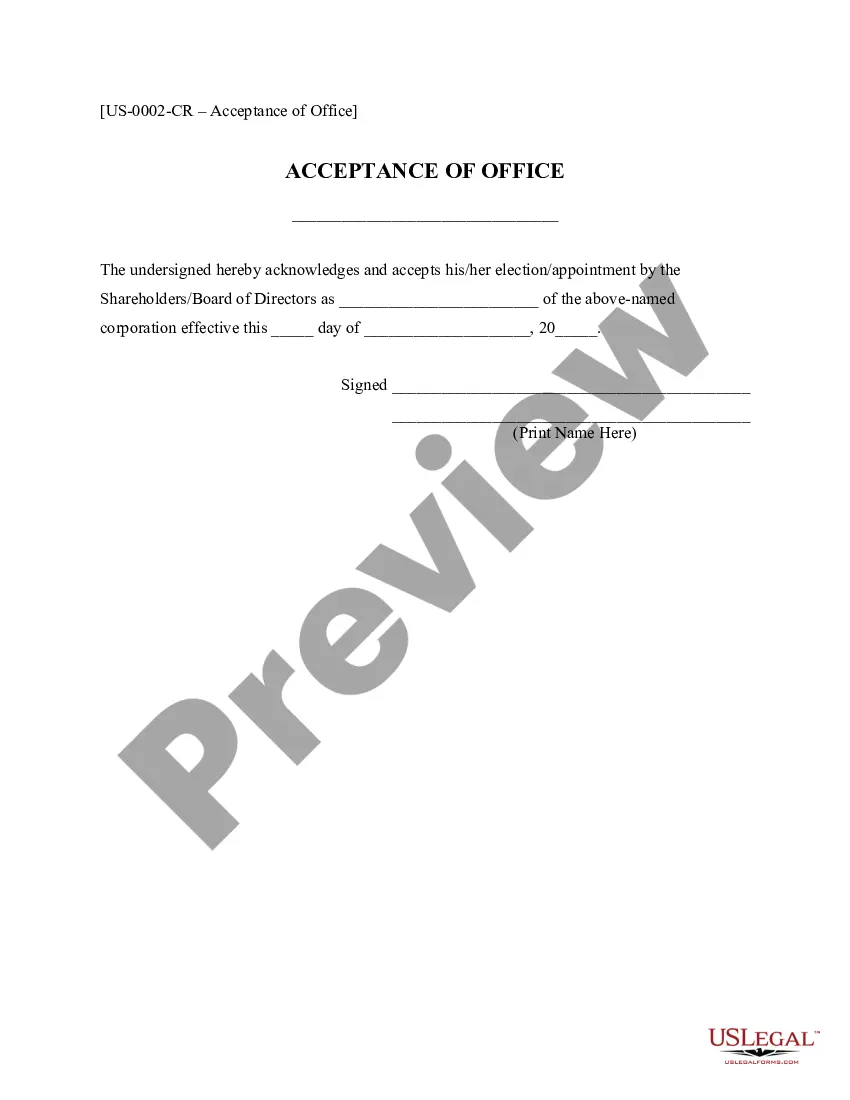
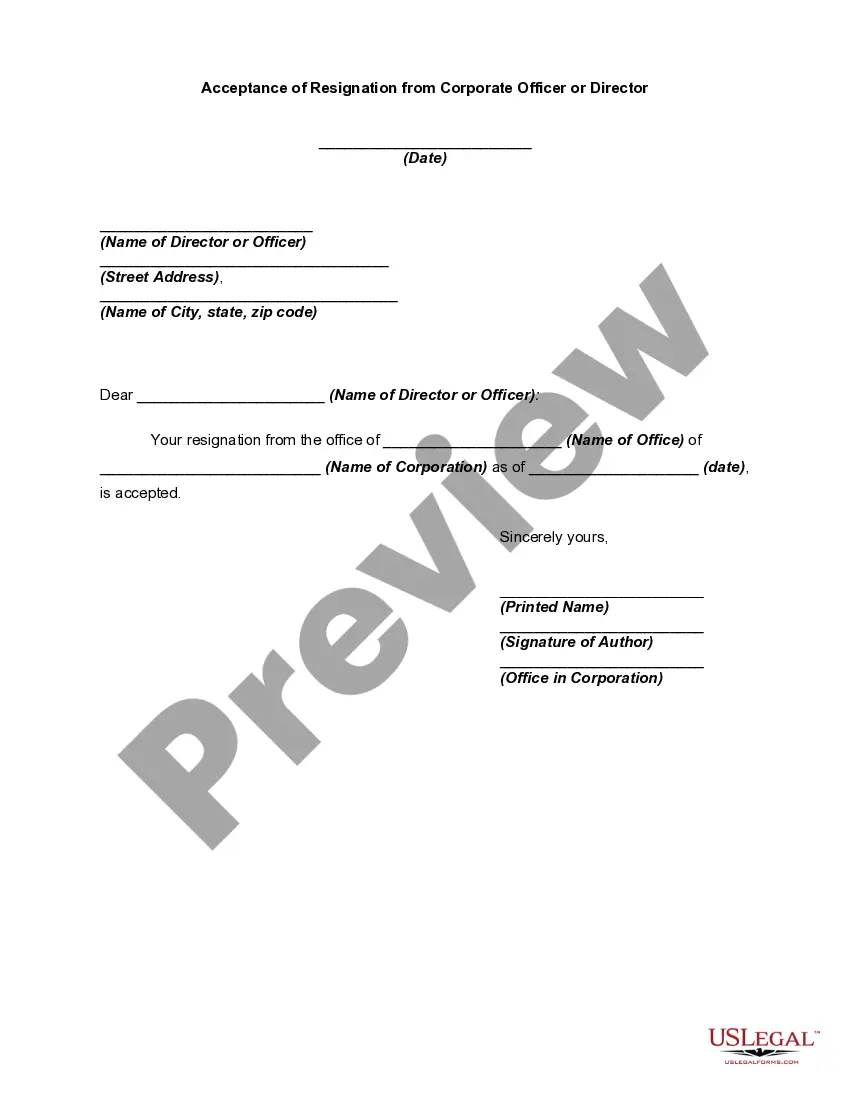
Get your form ready online
Our built-in tools help you complete, sign, share, and store your documents in one place.
Make edits, fill in missing information, and update formatting in US Legal Forms—just like you would in MS Word.
Download a copy, print it, send it by email, or mail it via USPS—whatever works best for your next step.
Sign and collect signatures with our SignNow integration. Send to multiple recipients, set reminders, and more. Go Premium to unlock E-Sign.
If this form requires notarization, complete it online through a secure video call—no need to meet a notary in person or wait for an appointment.
We protect your documents and personal data by following strict security and privacy standards.

Make edits, fill in missing information, and update formatting in US Legal Forms—just like you would in MS Word.

Download a copy, print it, send it by email, or mail it via USPS—whatever works best for your next step.

Sign and collect signatures with our SignNow integration. Send to multiple recipients, set reminders, and more. Go Premium to unlock E-Sign.

If this form requires notarization, complete it online through a secure video call—no need to meet a notary in person or wait for an appointment.

We protect your documents and personal data by following strict security and privacy standards.
Looking for another form?
Form popularity
FAQ
If you or a loved one are remanded without bond, it means there is no chance for release before a trial date. Instead, you will be required to remain in jail until your hearing.
And while some will tell you that you can't remain anonymous, the short answer is actually yes, you can. (But with one major consideration.) The Court is going to need a name and person to return the bond to once the court date has been successfully completed.
In some jurisdictions, the court may also allow you to post a property bond, which will use property that you own as collateral for your conditional release. Unfortunately, though, if your bail amount is high, you may not have the resources to post bail with the court on your own.
Bail information is considered public record in the State of California, meaning that anyone (not only defendants themselves) can request this info. The details can be accessed via the Public Access to Court Electronic Records (PACER) system or the Criminal Intake Section.
And while some will tell you that you can't remain anonymous, the short answer is actually yes, you can. (But with one major consideration.) The Court is going to need a name and person to return the bond to once the court date has been successfully completed.
Service on a corporation shall be made by delivering the process to an officer, director, or general agent, or cashier or assistant cashier (as defined in cases interpreting this law) or any other agent authorized by appointment or by law to receive service. CPLR 311.
If you can't make bail, you remain in custody until your court date—a timeline that could span weeks or months.

