Listing Agreement Contract For Rental Property In Florida
Description
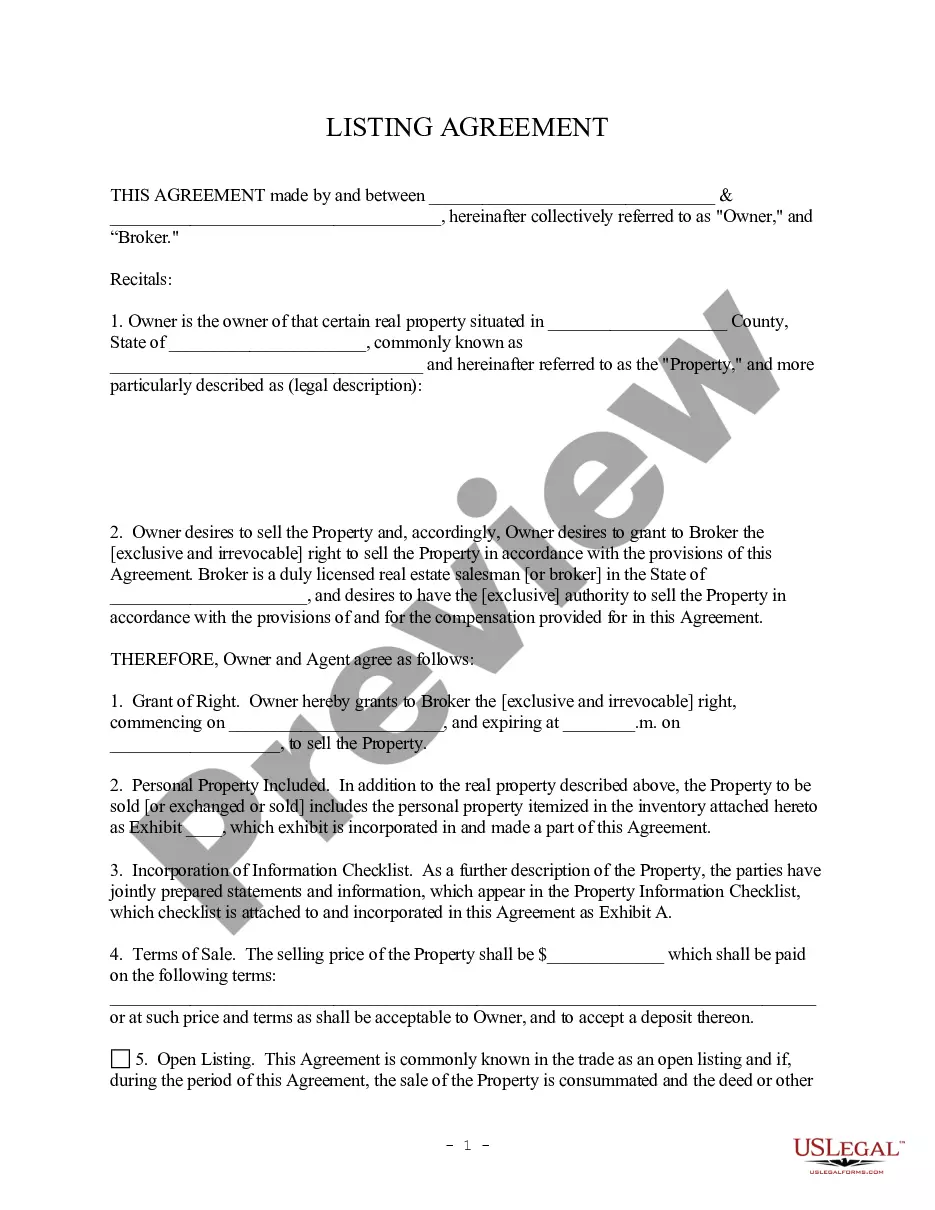
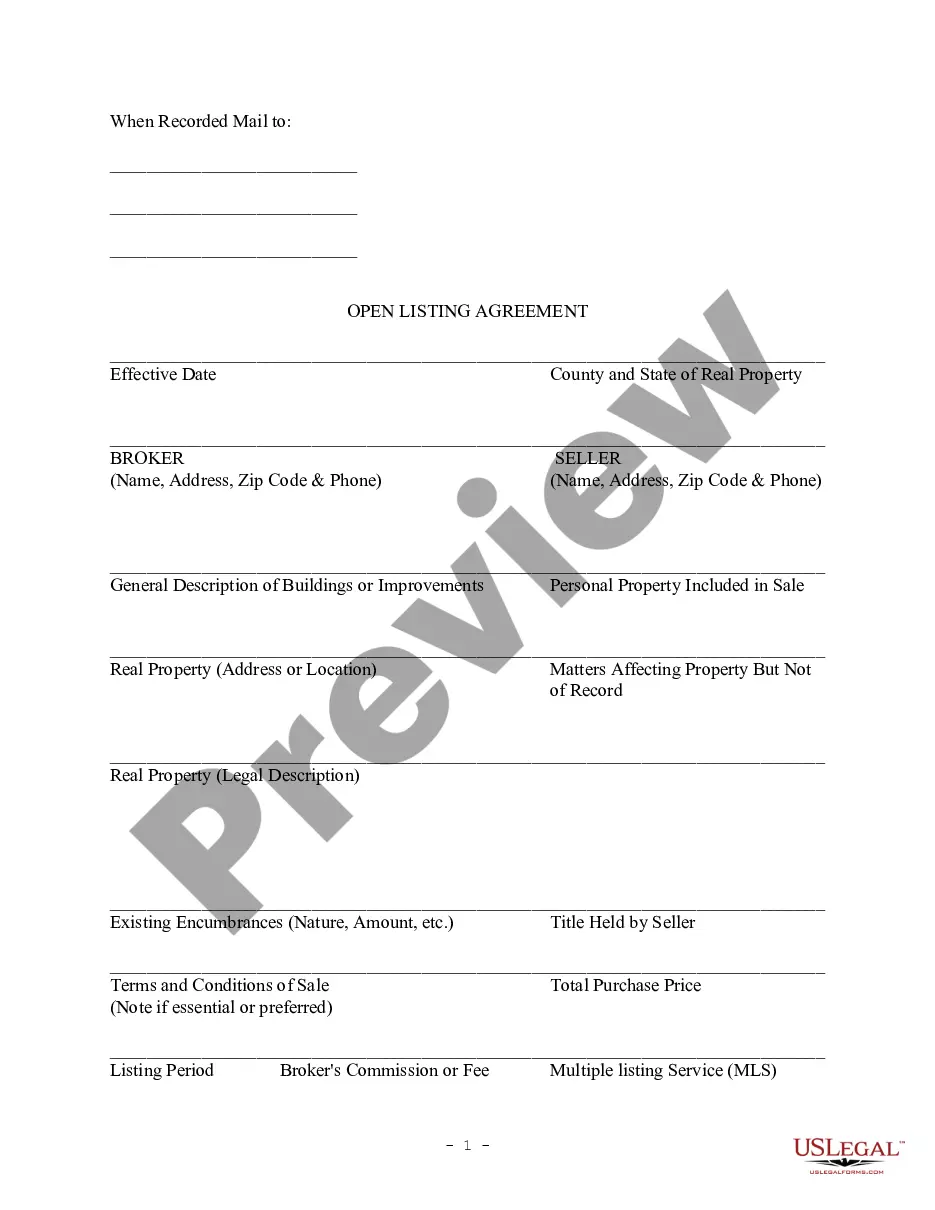

Get your form ready online
Our built-in tools help you complete, sign, share, and store your documents in one place.
Make edits, fill in missing information, and update formatting in US Legal Forms—just like you would in MS Word.
Download a copy, print it, send it by email, or mail it via USPS—whatever works best for your next step.
Sign and collect signatures with our SignNow integration. Send to multiple recipients, set reminders, and more. Go Premium to unlock E-Sign.
If this form requires notarization, complete it online through a secure video call—no need to meet a notary in person or wait for an appointment.
We protect your documents and personal data by following strict security and privacy standards.

Make edits, fill in missing information, and update formatting in US Legal Forms—just like you would in MS Word.

Download a copy, print it, send it by email, or mail it via USPS—whatever works best for your next step.

Sign and collect signatures with our SignNow integration. Send to multiple recipients, set reminders, and more. Go Premium to unlock E-Sign.

If this form requires notarization, complete it online through a secure video call—no need to meet a notary in person or wait for an appointment.

We protect your documents and personal data by following strict security and privacy standards.
Looking for another form?
Form popularity
FAQ
A listing agreement is a contract between a property owner and a real estate broker that authorizes the broker to represent the seller and find a buyer for the property. The three types of real estate listing agreements are open listing, exclusive agency listing, and exclusive right-to-sell listing.
Given the stakes, it's common for property owners to consider whether they can draft this document themselves. While it is legally possible to write your own commercial lease agreement in Florida, doing so involves careful consideration of legal, business, and practical factors.
Explanation: A written listing agreement between a seller and a broker is an example of a bilateral contract. A bilateral contract is a type of contract where both parties make promises to each other. In this case, the seller promises to sell the property and the broker promises to find a buyer.
Net listings are illegal in most states, but the legal states for net listings include Florida, Texas and California. A net listing agreement isn't something that homeowners typically benefit from.
The three types of real estate listing agreements are open listing, exclusive agency listing, and exclusive right-to-sell listing.
Net listing is legal in just 3 states. They are Florida, Texas, and California. This is done to protect the interests of sellers. Furthermore, in the three states where net listing is legal, it is regulated strictly.
Here's a list of standard fields that you should include in your lease agreement: Tenant information. Include each tenant's full name and contact information. Rental property description. Security deposit. Monthly rent amount. Utilities. Lease term. Policies. Late fees.
On August 17, 2024, Realtors that represent Sellers are no longer required to offer commission to the Buyer's Agents. As a result, Buyers will have to sign a separate agreement with a Realtor.
Net listings are not allowed on the MLS databases. Lack of Realtors: Over 70% of realtors are members of NAR. However, the organization does not allow realtors from offering net listings.
Net listing Due to these concerns, net listings are illegal in all states except California, Florida, and Texas. In rare cases where one is used, the advantage for sellers is that it guarantees a minimum profit.

