All Business Purchase With Seller Financing In Allegheny
Description

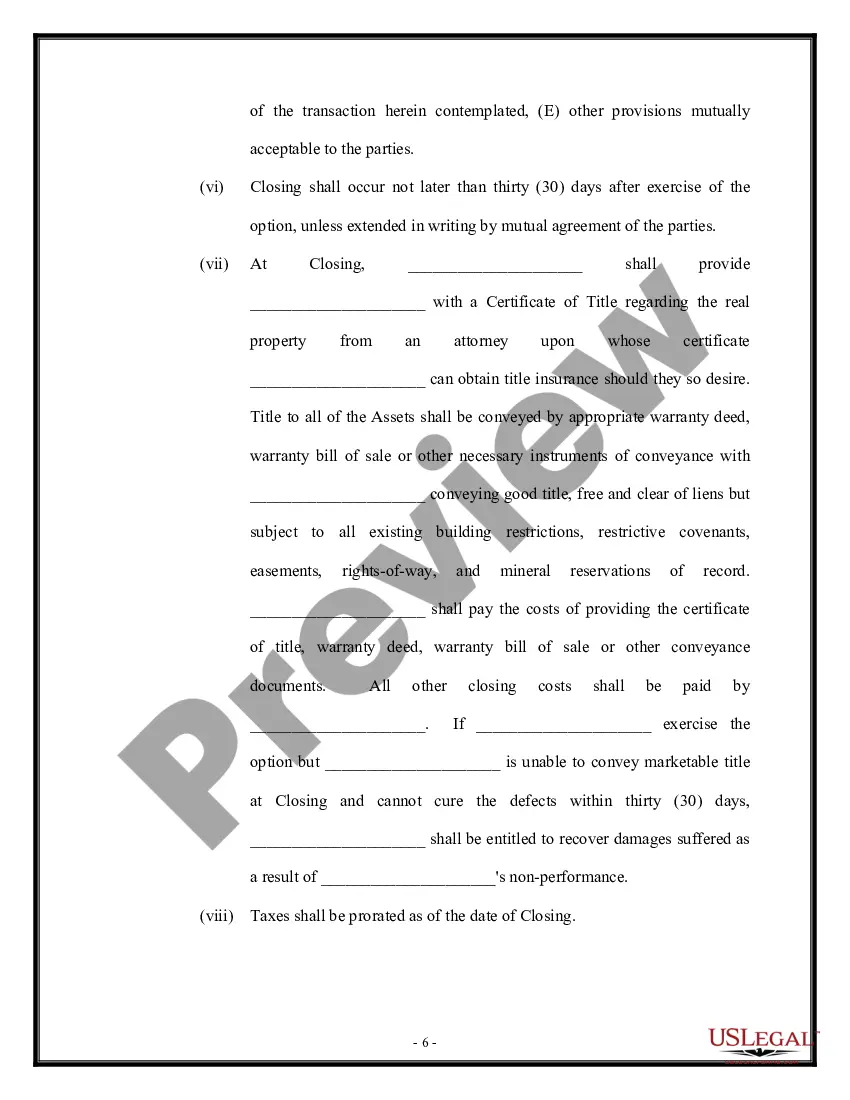
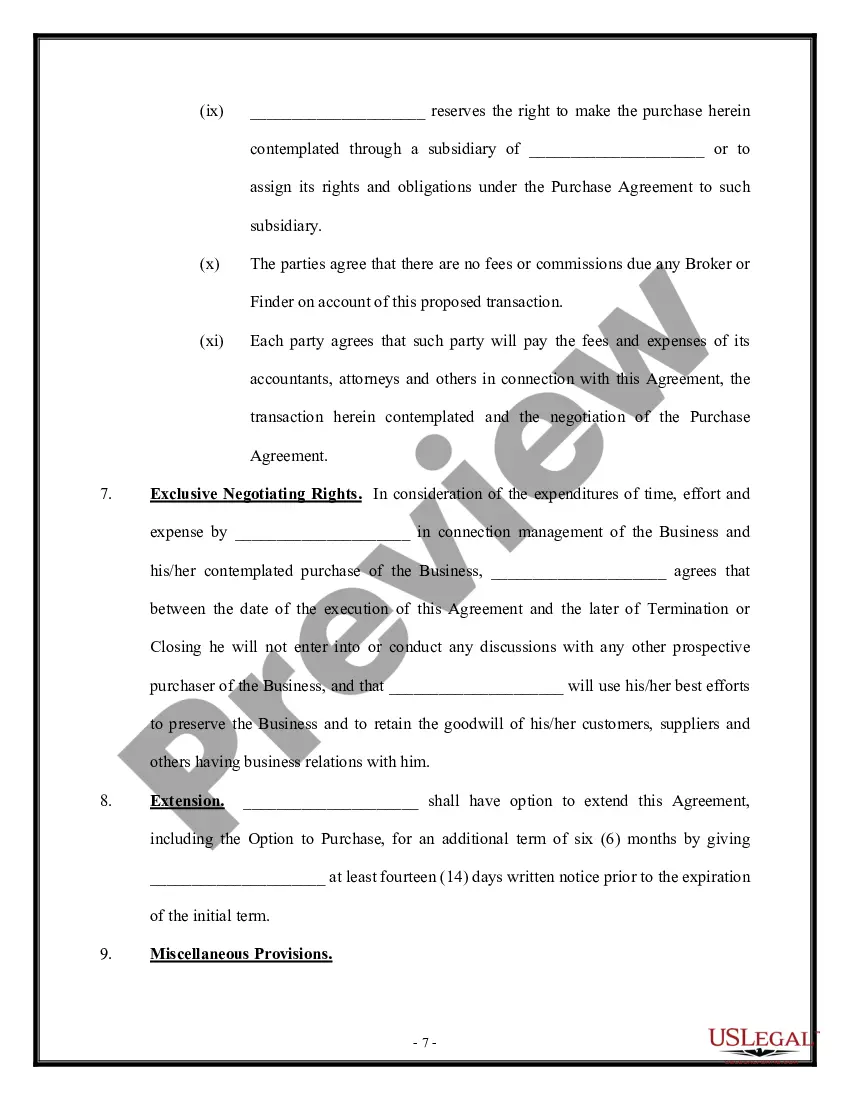
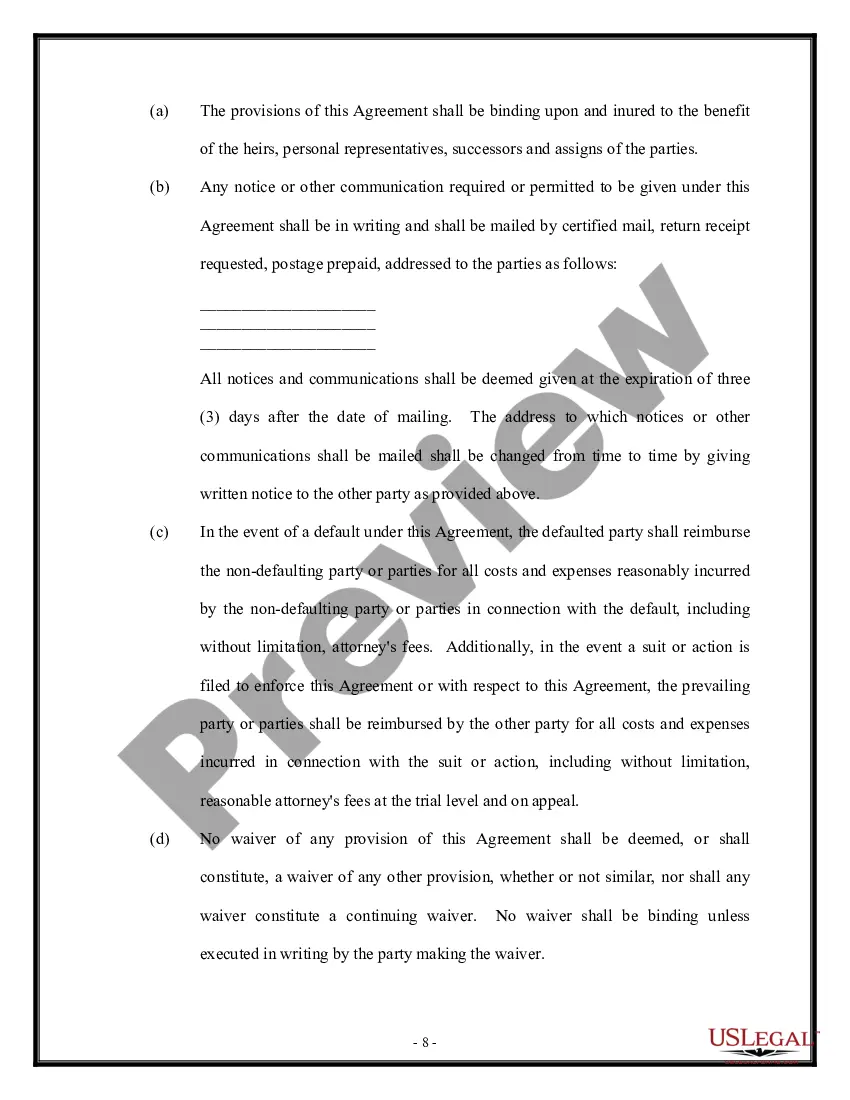
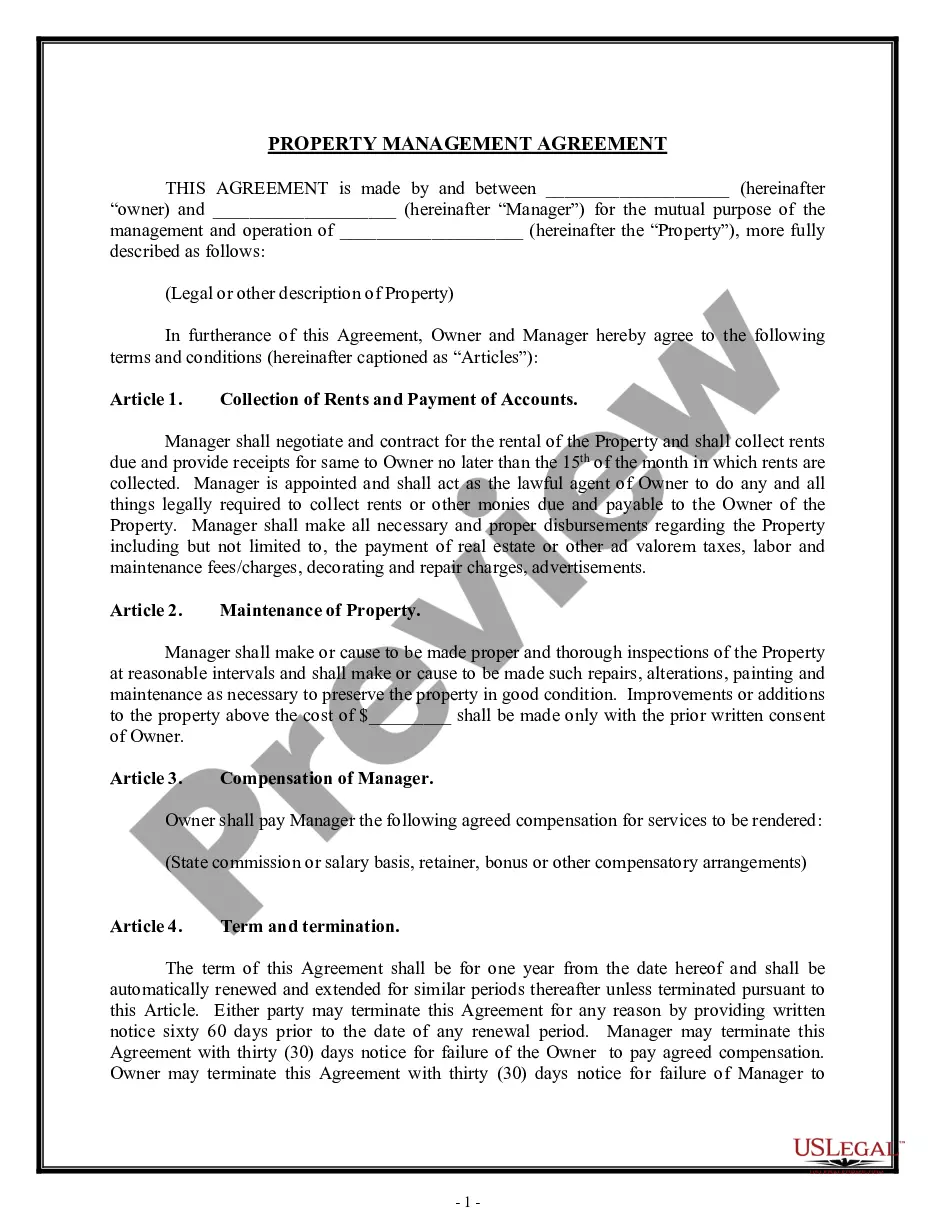
Get your form ready online
Our built-in tools help you complete, sign, share, and store your documents in one place.
Make edits, fill in missing information, and update formatting in US Legal Forms—just like you would in MS Word.
Download a copy, print it, send it by email, or mail it via USPS—whatever works best for your next step.
Sign and collect signatures with our SignNow integration. Send to multiple recipients, set reminders, and more. Go Premium to unlock E-Sign.
If this form requires notarization, complete it online through a secure video call—no need to meet a notary in person or wait for an appointment.
We protect your documents and personal data by following strict security and privacy standards.

Make edits, fill in missing information, and update formatting in US Legal Forms—just like you would in MS Word.

Download a copy, print it, send it by email, or mail it via USPS—whatever works best for your next step.

Sign and collect signatures with our SignNow integration. Send to multiple recipients, set reminders, and more. Go Premium to unlock E-Sign.

If this form requires notarization, complete it online through a secure video call—no need to meet a notary in person or wait for an appointment.

We protect your documents and personal data by following strict security and privacy standards.
Looking for another form?
Form popularity
FAQ
While the buyer is primarily responsible for property tax payments in owner financing arrangements, sellers are not entirely exempt from tax implications. The interest income received from the financing arrangement is typically treated as ordinary income and subject to taxation at the seller's marginal tax rate.
Seller financing is becoming more and more common in small business sales and offers a bevy of benefits to both sellers and buyers. The process may be a bit more intensive for sellers as it involves vetting potential buyers for financing worthiness, but the value it provides often outweighs any downside.
He's an experienced business acquisitions expert who said the two easiest ways to get 100% seller financing is to either be way richer than the seller or be the child of the seller. The first point is straightforward: if a buyer is much richer than the seller, the seller may feel comfortable offering 100% financing.
How Does Seller Financing Work? A bank isn't involved in a seller-financed sale; the buyer and seller make the arrangements themselves. They draw up a promissory note setting out the interest rate, the schedule of payments from buyer to seller, and the consequences should the buyer default on those obligations.
If the buyer is using the property as a first or second home, also report the interest on Schedule B (Form 1040), Interest and Ordinary Dividends, to Form 1040 or 1040-SR and provide the buyer's name, address, and social security number.
It has traditionally been a common practice for the sale of a privately-held small business to include some seller financing as part of the deal structure as a key to getting a deal done. In the U.S., about 60% to 90% of business sales involve seller financing when bank financing is not an option.