All Business Purchase Formulas A Level In Franklin
Description

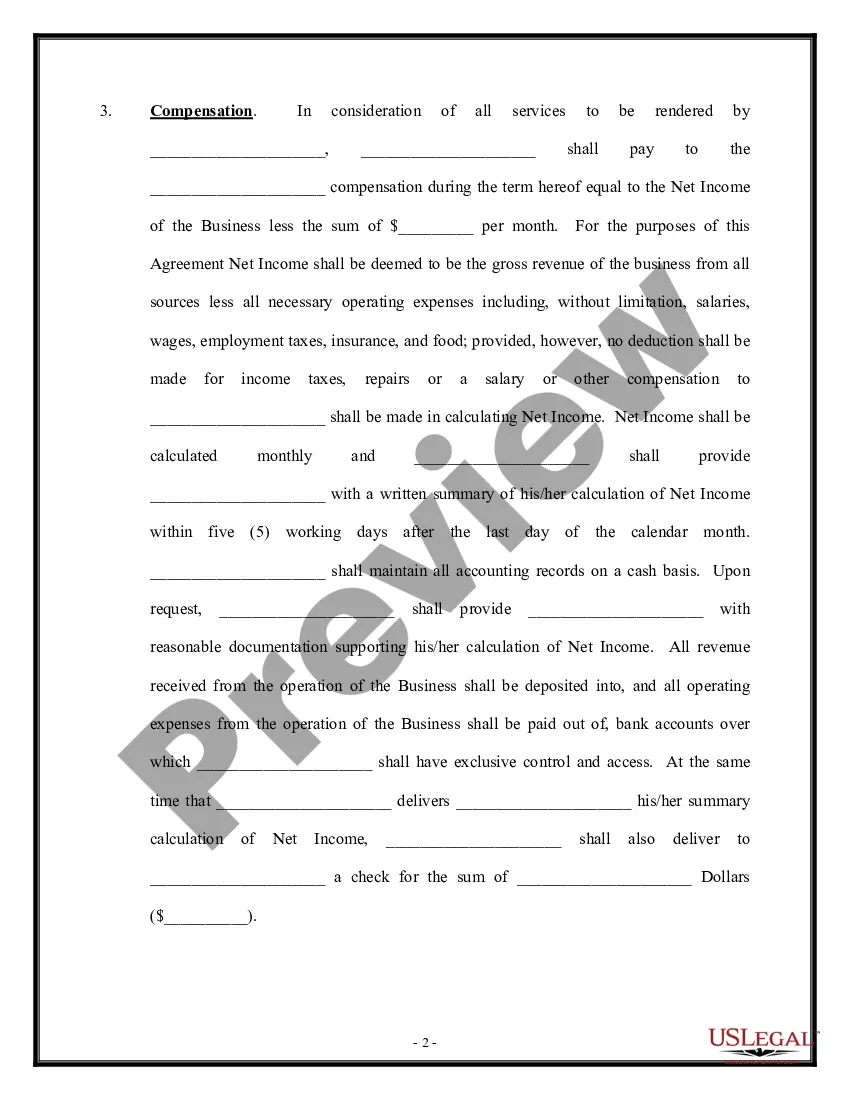
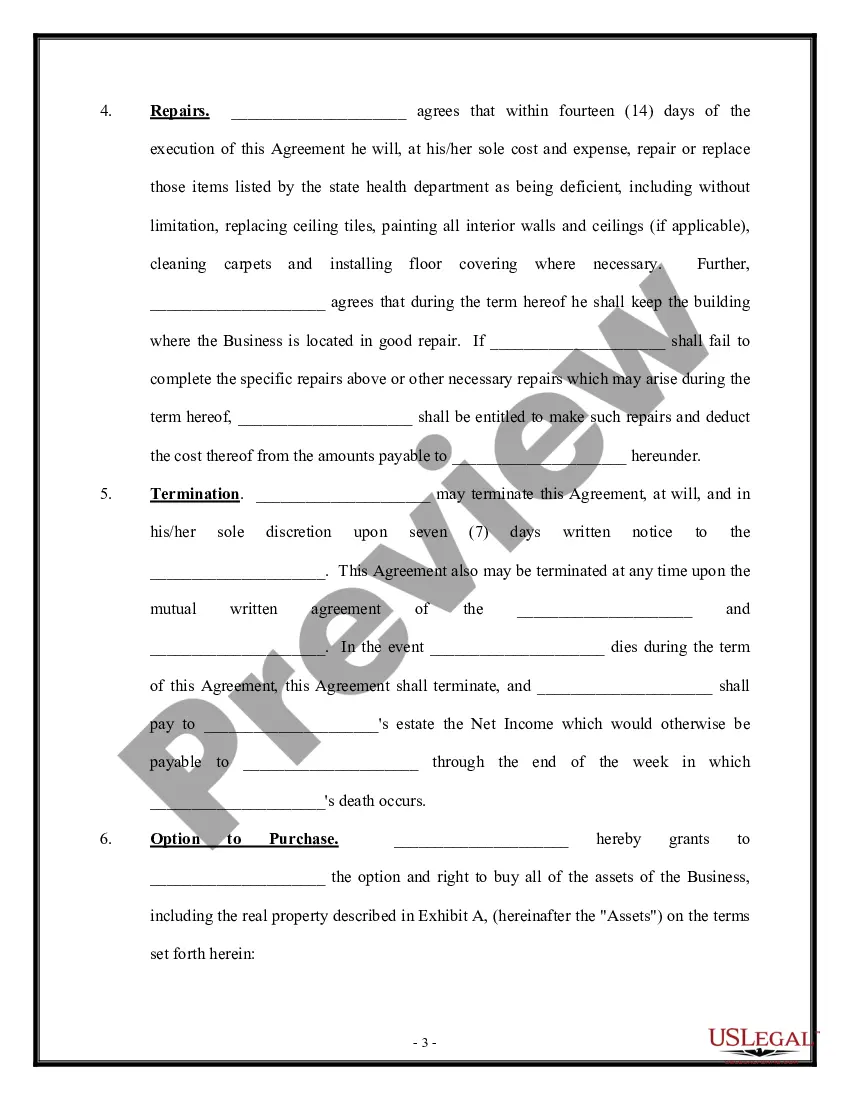
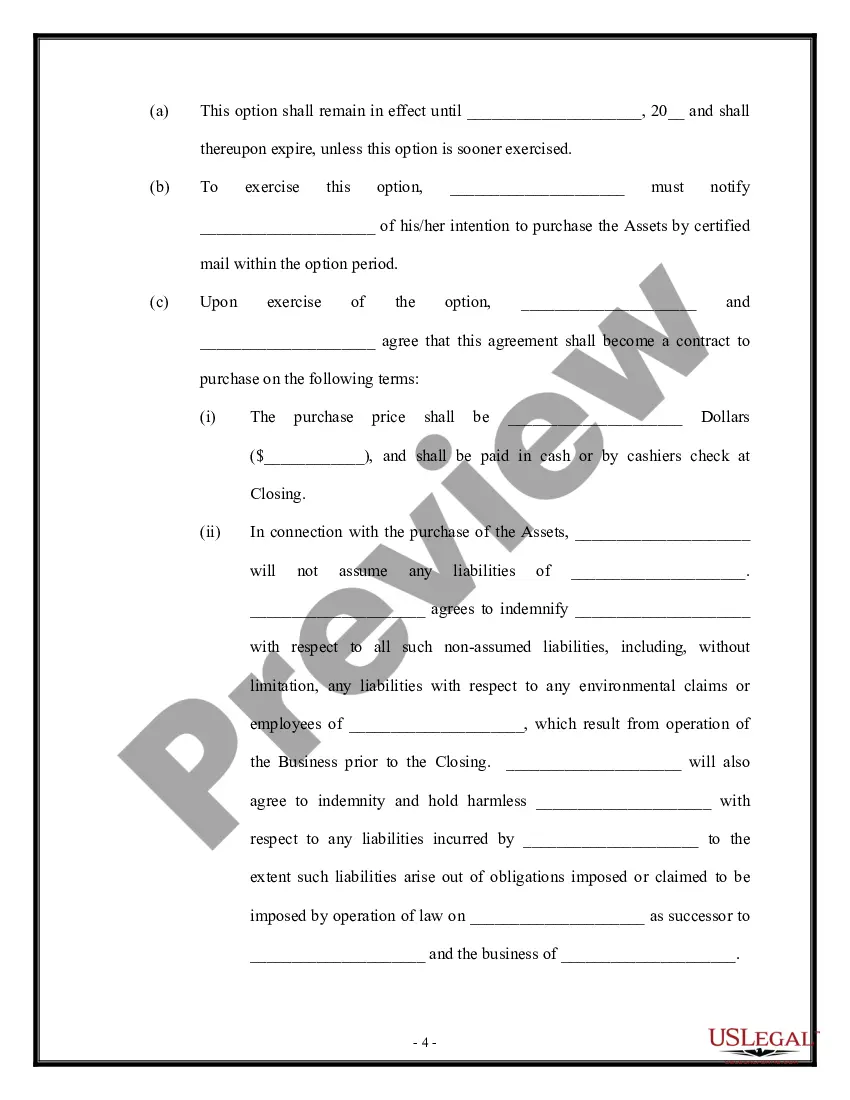
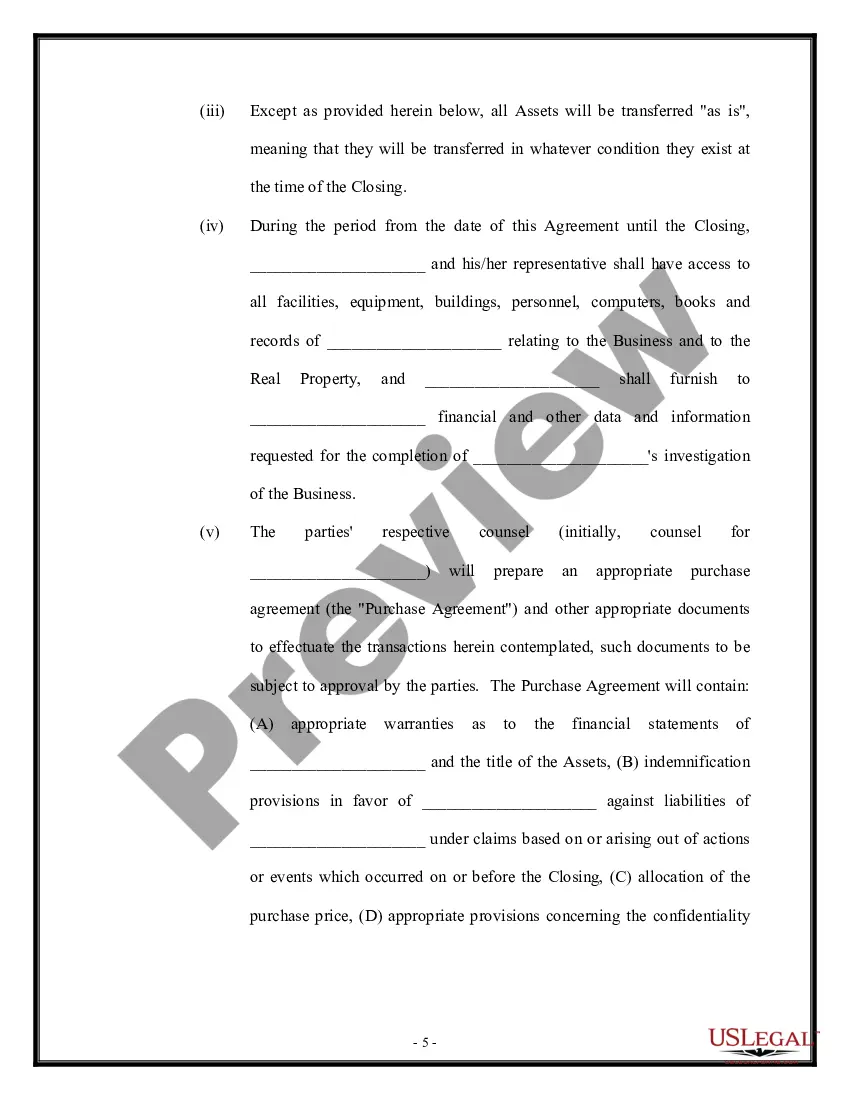
Get your form ready online
Our built-in tools help you complete, sign, share, and store your documents in one place.
Make edits, fill in missing information, and update formatting in US Legal Forms—just like you would in MS Word.
Download a copy, print it, send it by email, or mail it via USPS—whatever works best for your next step.
Sign and collect signatures with our SignNow integration. Send to multiple recipients, set reminders, and more. Go Premium to unlock E-Sign.
If this form requires notarization, complete it online through a secure video call—no need to meet a notary in person or wait for an appointment.
We protect your documents and personal data by following strict security and privacy standards.

Make edits, fill in missing information, and update formatting in US Legal Forms—just like you would in MS Word.

Download a copy, print it, send it by email, or mail it via USPS—whatever works best for your next step.

Sign and collect signatures with our SignNow integration. Send to multiple recipients, set reminders, and more. Go Premium to unlock E-Sign.

If this form requires notarization, complete it online through a secure video call—no need to meet a notary in person or wait for an appointment.

We protect your documents and personal data by following strict security and privacy standards.
Looking for another form?
Form popularity
FAQ
Meet size standards SBA assigns a size standard to each NAICS code. Most manufacturing companies with 500 employees or fewer, and most non-manufacturing businesses with average annual receipts under $7.5 million, will qualify as a small business.
QSBS Eligibility Rules The stock must have been issued by a US C-corporation after August 10, 1993 and the issuing company must have aggregate gross assets of $50 million or less immediately following issuance.
A "New York State Small Business" is defined under New York State Finance Law §160(8) as a business that is resident in New York State, independently owned and operated, not dominant in its field and employs one hundred persons or less.
It defines small business by firm revenue (ranging from $1 million to over $40 million) and by employment (from 100 to over 1,500 employees). For example, ing to the SBA definition, a roofing contractor is defined as a small business if it has annual revenues of $16.5 million or less.
1 The SBA uses various standards for determining small business status based on numbers of employees, ranging from 50 to 1,500 depending on industry sector. In New York, Section 131 of the Economic Development Law defines a small business as one that has fewer than 100 employees and is independently owned and operated.
To calculate the required sales level, the targeted income is added to fixed costs, and the total is divided by the contribution margin ratio to determine required sales dollars, or the total is divided by contribution margin per unit to determine the required sales level in units.
