Letters Of Appreciation For Donations In Broward
Description
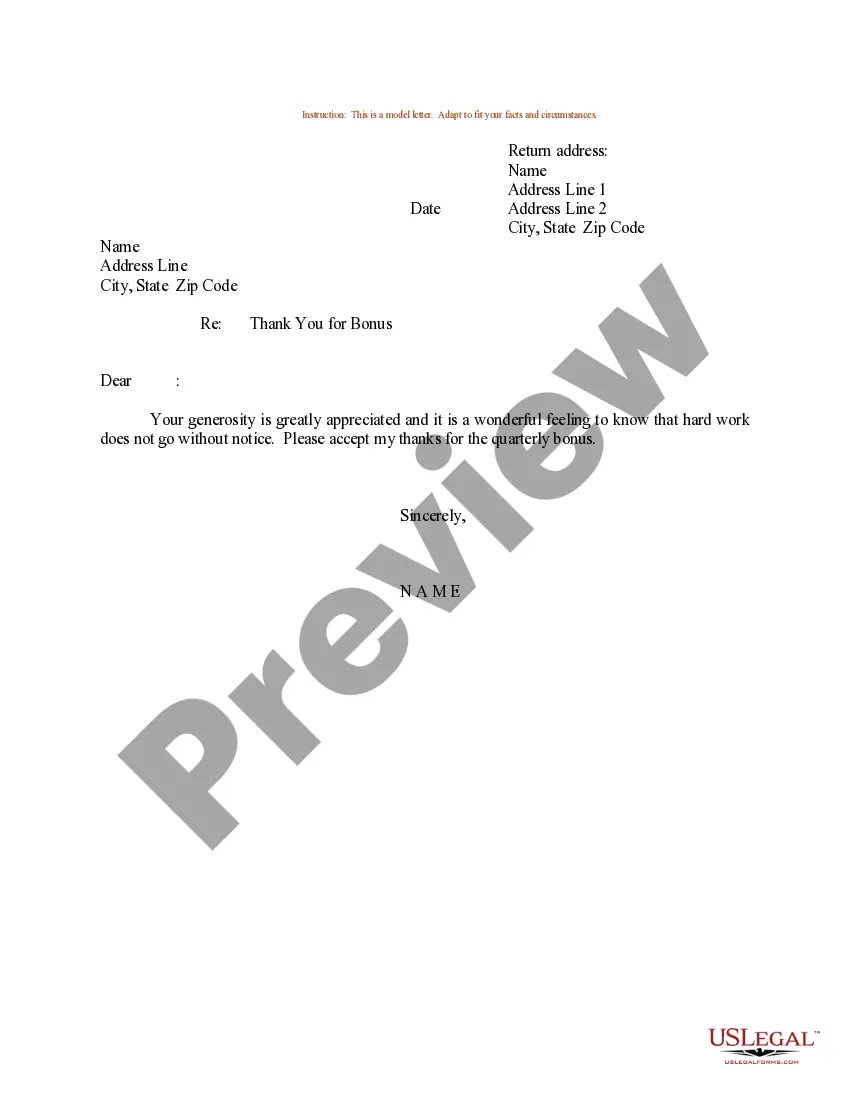
Get your form ready online
Our built-in tools help you complete, sign, share, and store your documents in one place.
Make edits, fill in missing information, and update formatting in US Legal Forms—just like you would in MS Word.
Download a copy, print it, send it by email, or mail it via USPS—whatever works best for your next step.
Sign and collect signatures with our SignNow integration. Send to multiple recipients, set reminders, and more. Go Premium to unlock E-Sign.
If this form requires notarization, complete it online through a secure video call—no need to meet a notary in person or wait for an appointment.
We protect your documents and personal data by following strict security and privacy standards.

Make edits, fill in missing information, and update formatting in US Legal Forms—just like you would in MS Word.

Download a copy, print it, send it by email, or mail it via USPS—whatever works best for your next step.

Sign and collect signatures with our SignNow integration. Send to multiple recipients, set reminders, and more. Go Premium to unlock E-Sign.

If this form requires notarization, complete it online through a secure video call—no need to meet a notary in person or wait for an appointment.

We protect your documents and personal data by following strict security and privacy standards.
Looking for another form?


Form popularity
FAQ
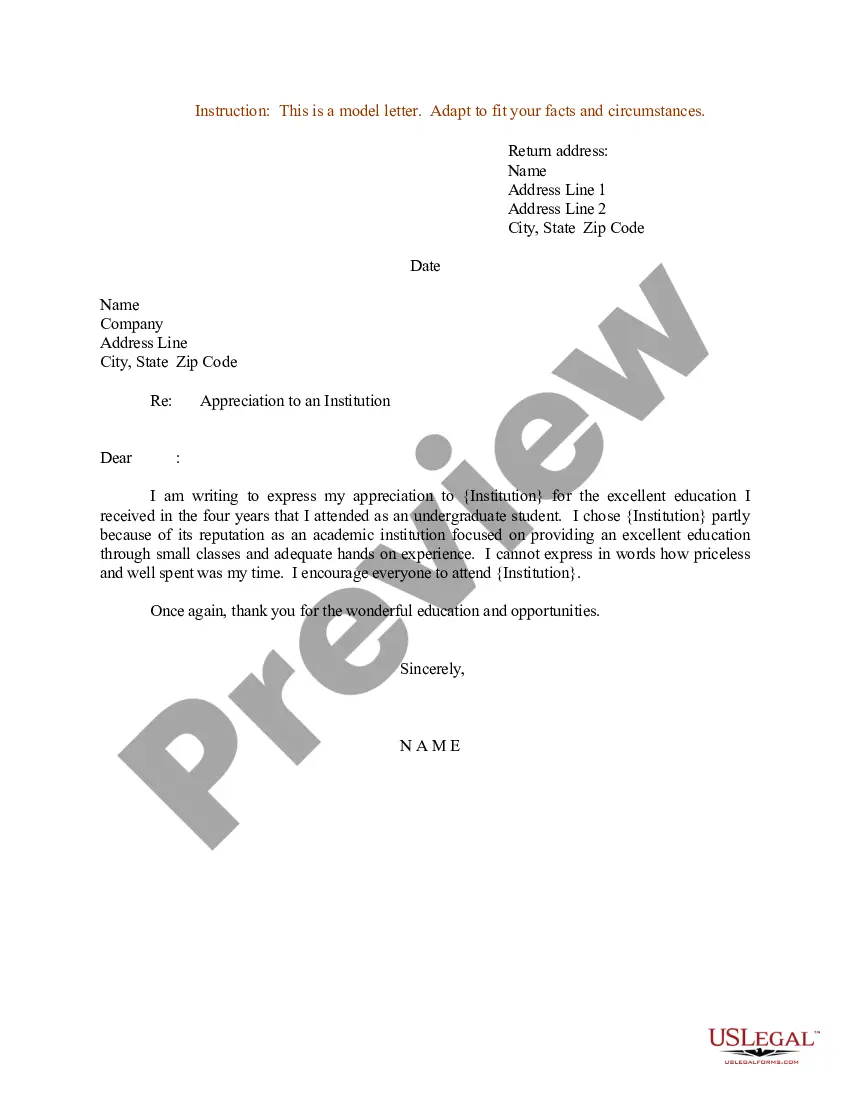
Guidelines for writing appreciation letters: State what you appreciate and briefly explain why. Do not add other news or information not related to the appreciative gesture. The message of appreciation should stand alone. Be brief, warm, and sincere.
What To Include in Donor Acknowledgement Letters Donor's name. Address the donor by name. Organization's name. Clearly state your nonprofit's name to make the letter official and avoid confusion. Donation amount and date. Be specific about the gift. Type of donation. Tax information. Mission impact. Closing with gratitude.
Generic donation thank you quotes “Thank you so much for your donation. “We know you have a lot of choices when it comes to donating, and we are so grateful that you chose to donate to our cause. “We have a lot of work to do, and your generous donation helps us get that important work done.”
What to say in a thank you letter: Use a formal salutation with appropriate titles. Do not use first names. Begin by introducing yourself and thanking the donor. Tell something about yourself. Explain how this scholarship will benefit you. Say “thank you” once again. Sign your letter.
Dear (Name of Recipient), We are so pleased to donate to your cause. Your organization is making a difference in the community, and we would like to be part of it. However, we prefer our donation to be anonymous as we do not like to be publicly associated with this donation.
A Thank You From Donation Campaign Head to a Major Donor Dear first name, Thank you for being a major donor to our annual campaign for your cause. Your concern for cause's goal is above and beyond. Thanks to your continued support, we've been able to help list who, what, or how your organization is helping.
Easy ways to personalize a donation letter: Use the second person “you” and the first person “I” and “we” Address the letter to the donor's full name. Include the donation amount and the date it was given. Explain how their donation made an impact.
Guidelines for writing appreciation letters: State what you appreciate and briefly explain why. Do not add other news or information not related to the appreciative gesture. The message of appreciation should stand alone. Be brief, warm, and sincere.
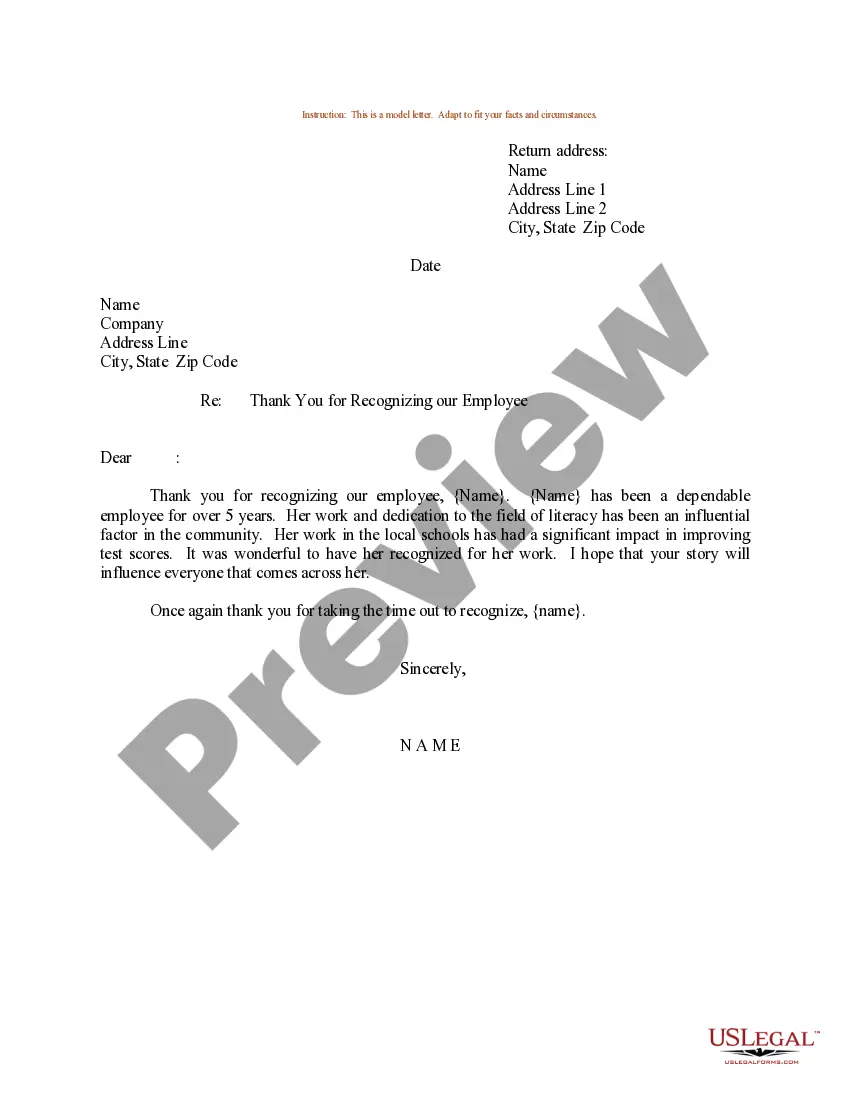
I am very grateful for the numerous financial contributions you have made in support of my education. Without your help, I may never have been able to complete my studies. Your generosity and help have been an inspiration to me. Again, thank you for your encouragement and financial support.