Sample Letter To Customer For Business In Franklin
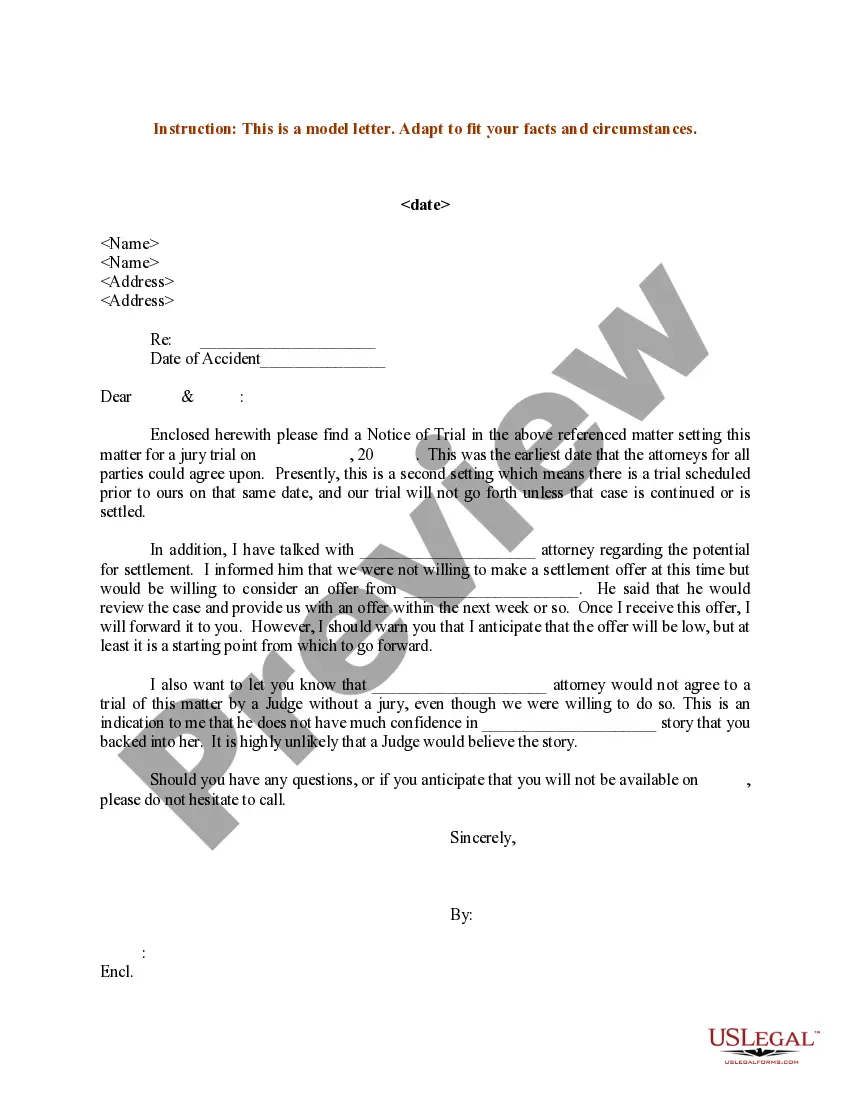
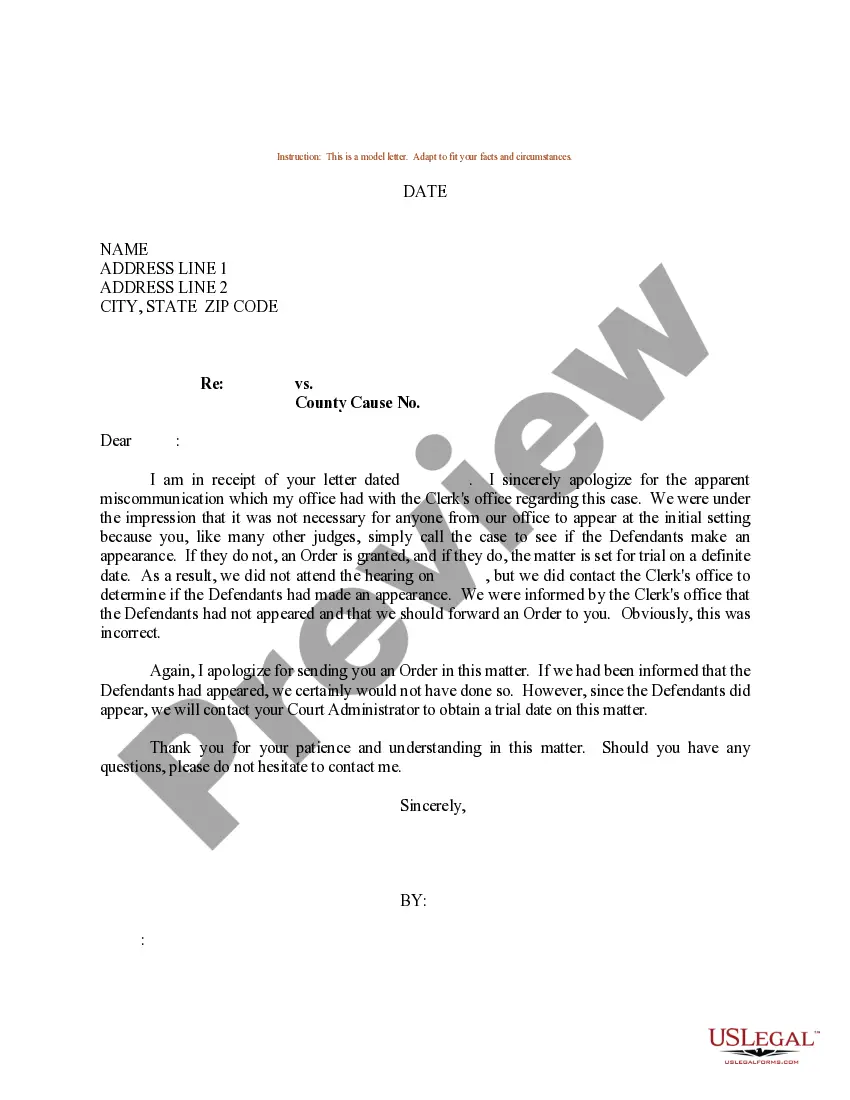
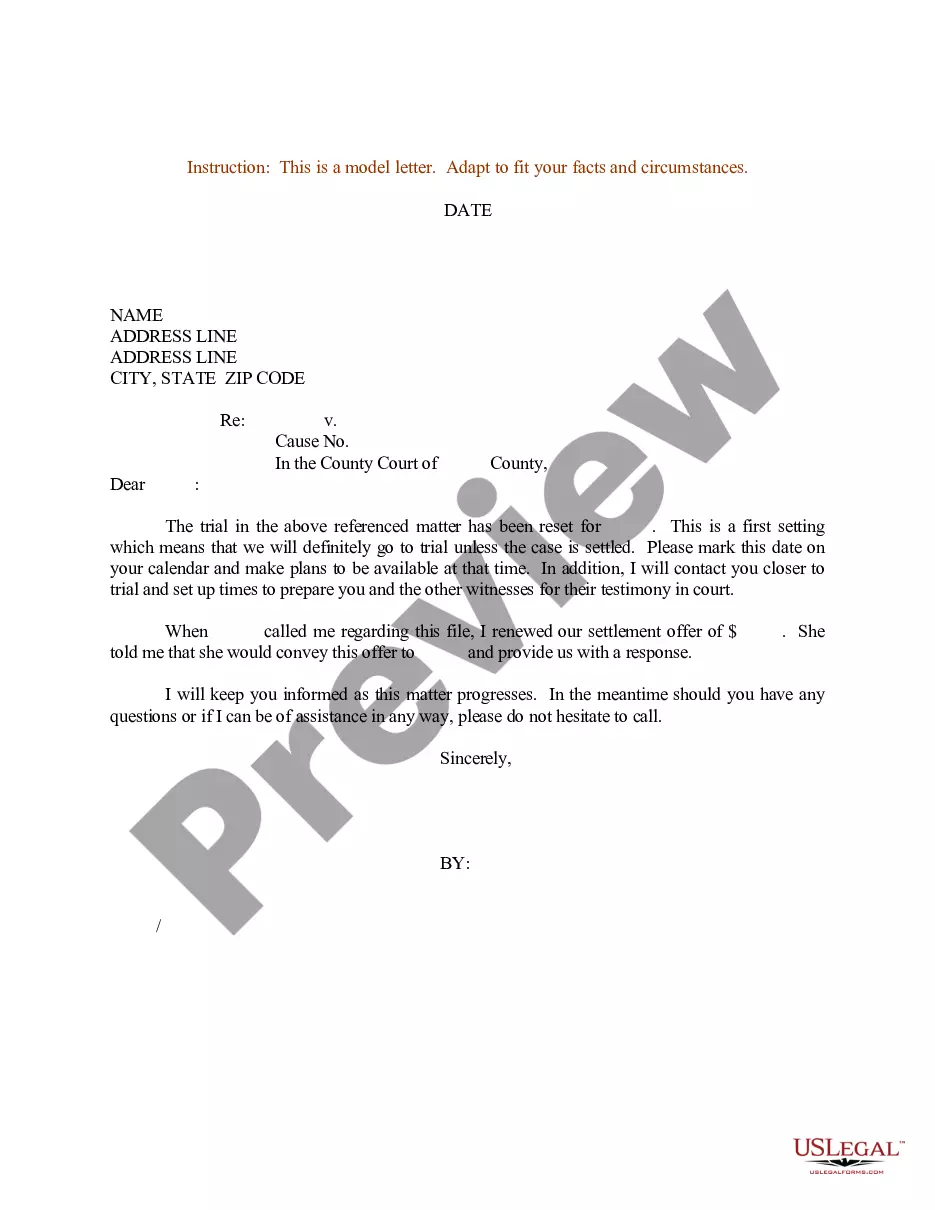
Description

Get your form ready online
Our built-in tools help you complete, sign, share, and store your documents in one place.
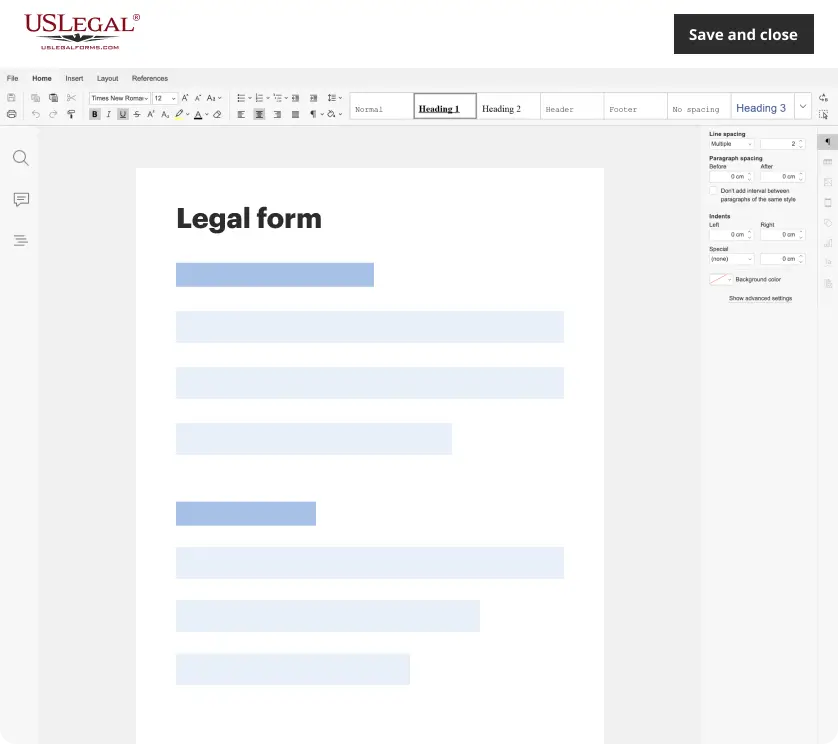
Make edits, fill in missing information, and update formatting in US Legal Forms—just like you would in MS Word.
Download a copy, print it, send it by email, or mail it via USPS—whatever works best for your next step.
Sign and collect signatures with our SignNow integration. Send to multiple recipients, set reminders, and more. Go Premium to unlock E-Sign.
If this form requires notarization, complete it online through a secure video call—no need to meet a notary in person or wait for an appointment.
We protect your documents and personal data by following strict security and privacy standards.
Make edits, fill in missing information, and update formatting in US Legal Forms—just like you would in MS Word.
Download a copy, print it, send it by email, or mail it via USPS—whatever works best for your next step.
Sign and collect signatures with our SignNow integration. Send to multiple recipients, set reminders, and more. Go Premium to unlock E-Sign.
If this form requires notarization, complete it online through a secure video call—no need to meet a notary in person or wait for an appointment.
We protect your documents and personal data by following strict security and privacy standards.
Looking for another form?

Form popularity
FAQ
Follow these steps for how to write a letter to clients and customers: Determine the audience. Write the date and address. Include a salutation. State the purpose of your letter. Refer to previous communication if necessary. Offer help or make a request. Conclude the letter.
For the salutation, “Dear name:” is most common, although some writers choose to omit “Dear.” Do your best to identify the name of the person to whom you're sending the letter; “To Whom It May Concern” is outdated. If you don't know the name, you can use the person's title (e.g., “Dear Hiring Manager”).
Here is how to craft a letter offering services to maximize your chances for success: Consider whether the letter is solicited. Research the potential client. Choose a subject line if using email. Introduce yourself and your company. Describe the project or problem.
1 Know your purpose. Before you start writing, you need to have a clear goal for your letter. 2 Research your client. 3 Use a professional format. 4 Write a catchy opening. 5 Provide clear and concise information. 6 End with a strong call to action. 7 Here's what else to consider.
I'm contacting you to introduce our latest (name of product/service). I'm contacting you as I've been talking to other (the person's job title in the plural form) and I believe our (name of product/service) can help to (name a typical client goal).
The first paragraph of a business letter should state the letter's purpose. While a first sentence may establish goodwill – e.g., “I hope this letter finds you well” – you should arrive quickly at the reason you're writing. Don't be impolite but do be concise and professional in tone.
The person who will read it probably didn't cause the problem, but may be very helpful in resolving it. Give the basics. Tell your story. Explain how you want to resolve the problem. Describe your next steps. Send your complaint letter. Your Mailing Address Your City, State, Zip Code Your email address
Tips to Remember regarding Notice Writing Be precise and to the point. The ideal length of notice is 50 words, so precise language is appreciated. It is a formal form of communication so the language used should be formal as well. No flowery text.
Business Letter format is simple. The letter starts with the date, letter number, recipient name, postal address and phone number. After that comes the subject line. Next is the salutation and then the body of the message. End the letter with a thank you. Put your name and signature.

