Corporation Corporate Officer For Llc In Orange
Description





Form popularity
FAQ
Officers & Directors Company Web Pages. This should be the first stop for anyone researching the executives and directors. SEC Filings. The Proxy (or DEF14A) is the annual filing that goes with the 10K that lists the officers and directors. LinkedIn. The Internet. Articles.
To find the organizing members of an LLC, the LLC owners, instead of finding the registered agent, you will have to look up the LLC's articles of organization with the office of the Sec. of State in the state the business was formed. In most states this can be done through the local Sec. of State website.
Some states, such as California, only publish limited information about LLCs online to protect the privacy of LLC owners. For those states, you can only get this information through a formal request.
Some choices for a single-member LLC title are “Owner,” “President,” or “CEO” (Chief Executive Officer). For multi-member LLCs, you might use other corporate titles for LLC owners. These titles can include a COO (Chief Operating Officer) and CFO (Chief Financial Officer).
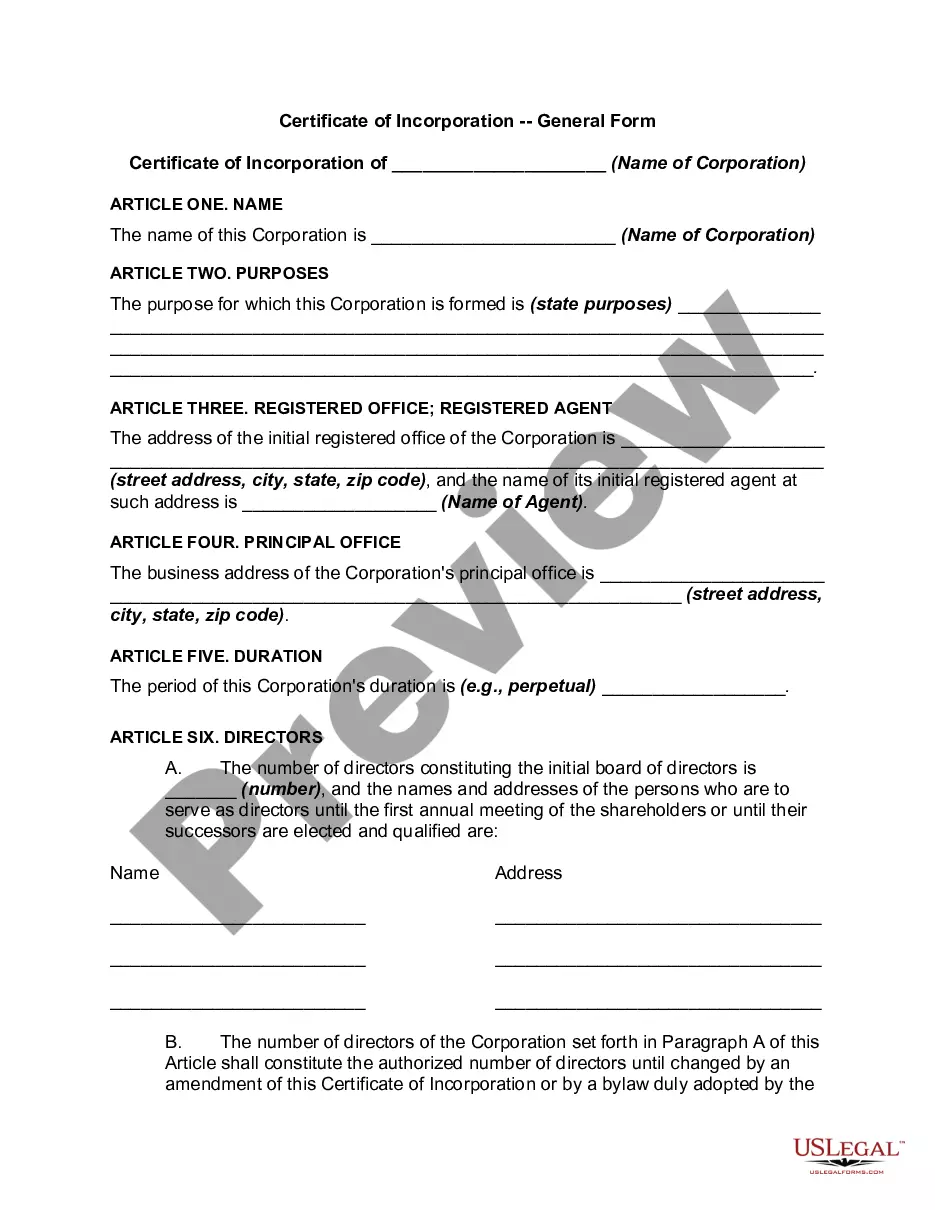
As an LLC, your company may decide to appoint corporate officers, such as a president, vice president, or treasurer to handle certain jobs or tasks within the company.
Corporate officers colloquially refers to the people in a corporation that run the company's daily operations. The corporate officers are chosen by the board of directors.
4 Ways to Look Up LLC Owners Search State Databases. LLCs submit articles of organization and other public filings with the state's Secretary of State office or a comparable state agency. Submit a Public Information Request. Check the Company Website. Dig into Alternative Public Records.
The states where LLC owners are public record include: Arizona. Arkansas. California.
The 7 steps of creating an LLC Choose your business name. Designate a registered agent. Determine your LLC's management structure. Prepare an LLC operating agreement. File your articles of organization. Get an EIN and business bank account. Obtain business licenses and permits. Get LLC-specific tax advice.
Most legal entities like corporations have officers and directors who, together, run the business. Directors sit on the board of directors and collectively govern and oversee the entity. In contrast, officers generally implement the board's vision and manage the day-to-day operations of the business.

