Sample Judge Order With A Credit Card In Arizona
Description


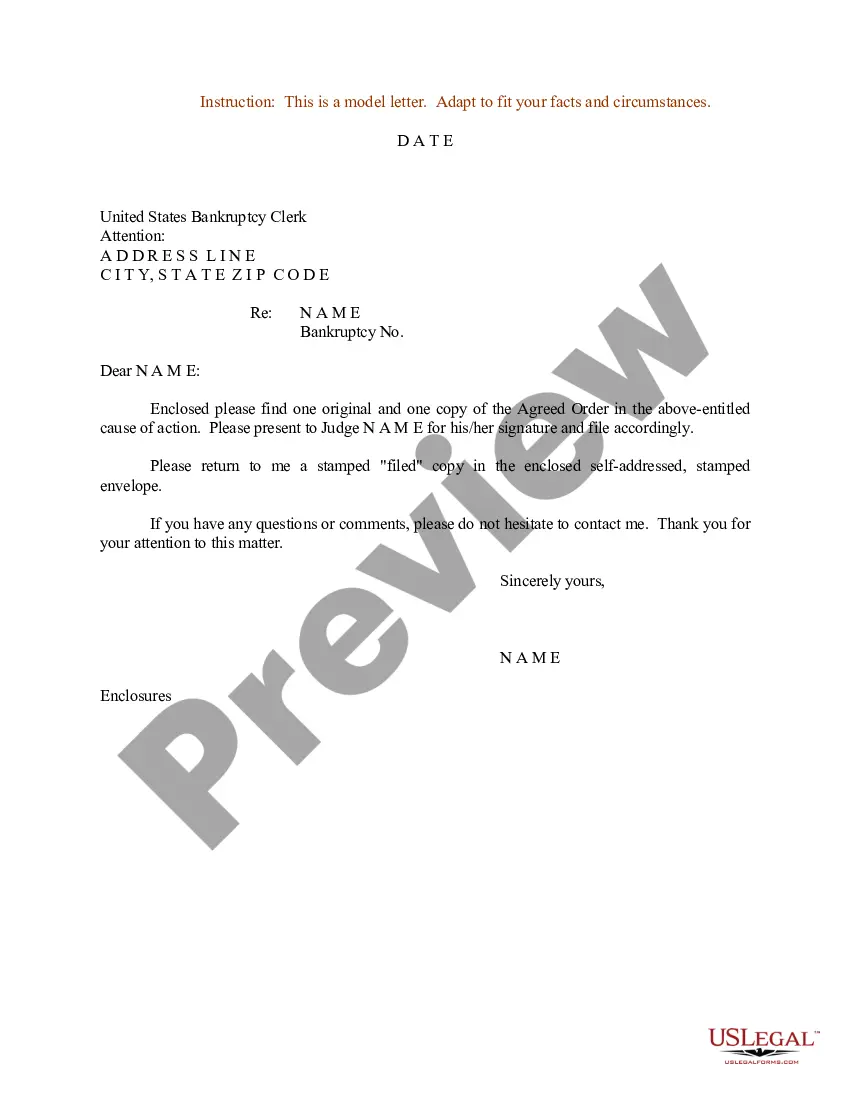
Get your form ready online
Our built-in tools help you complete, sign, share, and store your documents in one place.
Make edits, fill in missing information, and update formatting in US Legal Forms—just like you would in MS Word.
Download a copy, print it, send it by email, or mail it via USPS—whatever works best for your next step.
Sign and collect signatures with our SignNow integration. Send to multiple recipients, set reminders, and more. Go Premium to unlock E-Sign.
If this form requires notarization, complete it online through a secure video call—no need to meet a notary in person or wait for an appointment.
We protect your documents and personal data by following strict security and privacy standards.

Make edits, fill in missing information, and update formatting in US Legal Forms—just like you would in MS Word.

Download a copy, print it, send it by email, or mail it via USPS—whatever works best for your next step.

Sign and collect signatures with our SignNow integration. Send to multiple recipients, set reminders, and more. Go Premium to unlock E-Sign.

If this form requires notarization, complete it online through a secure video call—no need to meet a notary in person or wait for an appointment.

We protect your documents and personal data by following strict security and privacy standards.
Looking for another form?
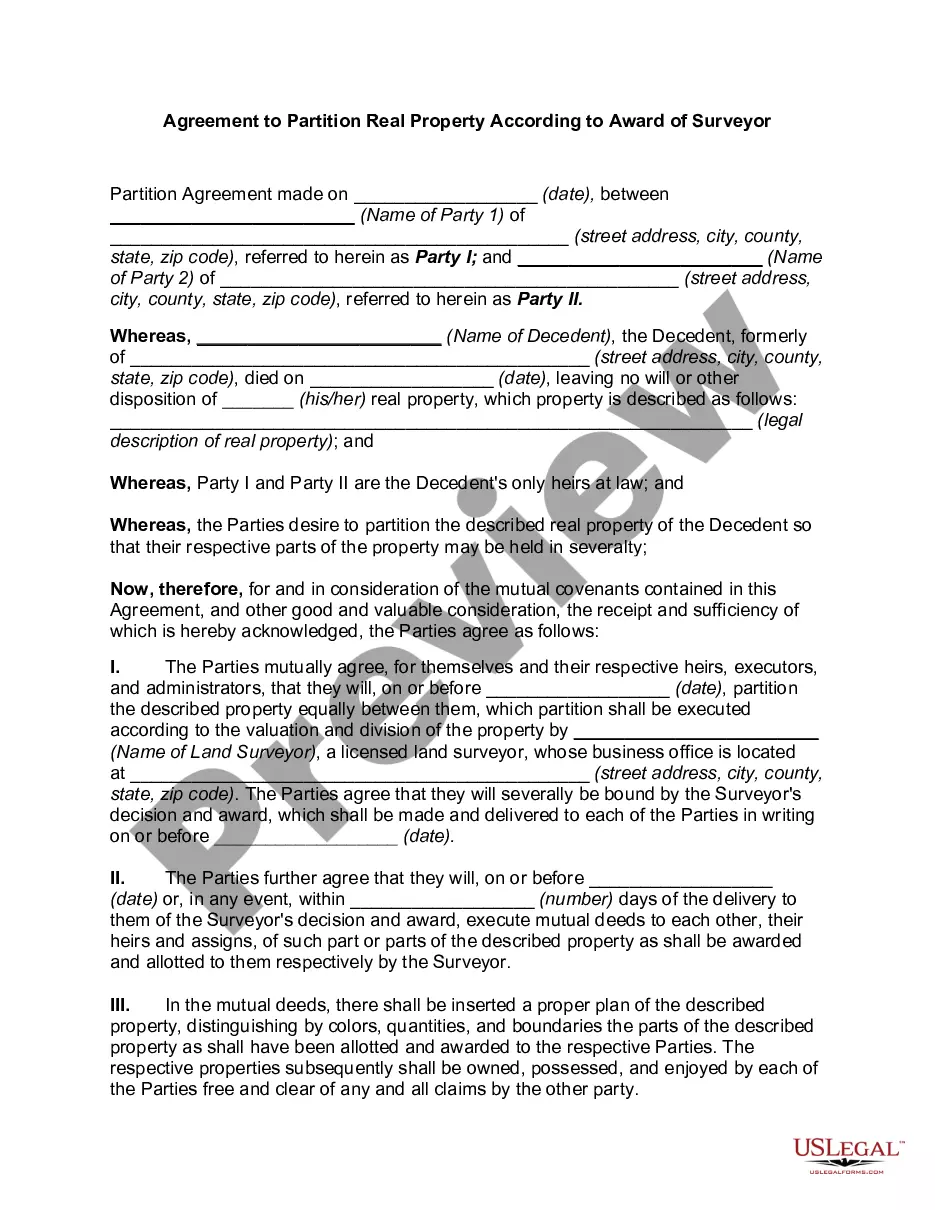
Form popularity
FAQ
There are four primary steps involved in Answering or responding to a debt collection case in Arizona. Step 1: Create the Answer Document. Step 2: Answer Each Item in the Complaint. Step 3: List Affirmative Defenses if Applicable. Step 4: File with the Court and Serve the Plaintiff.
A Judgment is enforceable for ten (10) years from date of Judgment. The Judgment may be renewed prior to the expiration of the Judgment date for an additional ten (10) years. The Judgment belongs to you, the Judgment Creditor. You may or may not collect.
Most states or jurisdictions have statutes of limitations between three and six years for debts, but some may be longer. This may also vary depending, for instance, on the: Type of debt. State where you live.
Old (Time-Barred) Debts In California, there is generally a four-year limit for filing a lawsuit to collect a debt based on a written agreement.
Your answer should include the court name, case name, case number, and your affirmative defenses. Print three copies of your answer. File one with the clerk's office and mail (or “serve”) one to the plaintiff or plaintiff's attorney. The plaintiff is the debt collector, creditor, or law firm suing you.
Defenses you can use in a debt lawsuit Defense: Running the statute of limitations. The plaintiff must file a lawsuit within a set amount of time. Breach of contract by Plaintiff. No breach by Defendant. Discharge by bankruptcy. Statute of frauds. Satisfaction. Cancelation of contract. Lack of Consideration.
ADDITIONAL INFORMATION ABOUT PROTECTIVE ORDERS: PUBLIC ACCESS: Only the information contained in the served protective order, not the petition, will be entered into the state computer system and will be made public on the internet.
It's important to respond to (or answer) the lawsuit. You do this by filing official paperwork with the court. Be sure to address every point in the complaint, raise any defenses you have, and file the paperwork within the time frame provided.
Rule 78(c) Language: When all issues in a case are decided, the Court certifies the decision as final and appealable by using Rule 78(c) language. See Rule 78 Arizona Rules of Family Law Procedure.

