Sample Character Letter To A Judge For My Brother In Chicago
Description


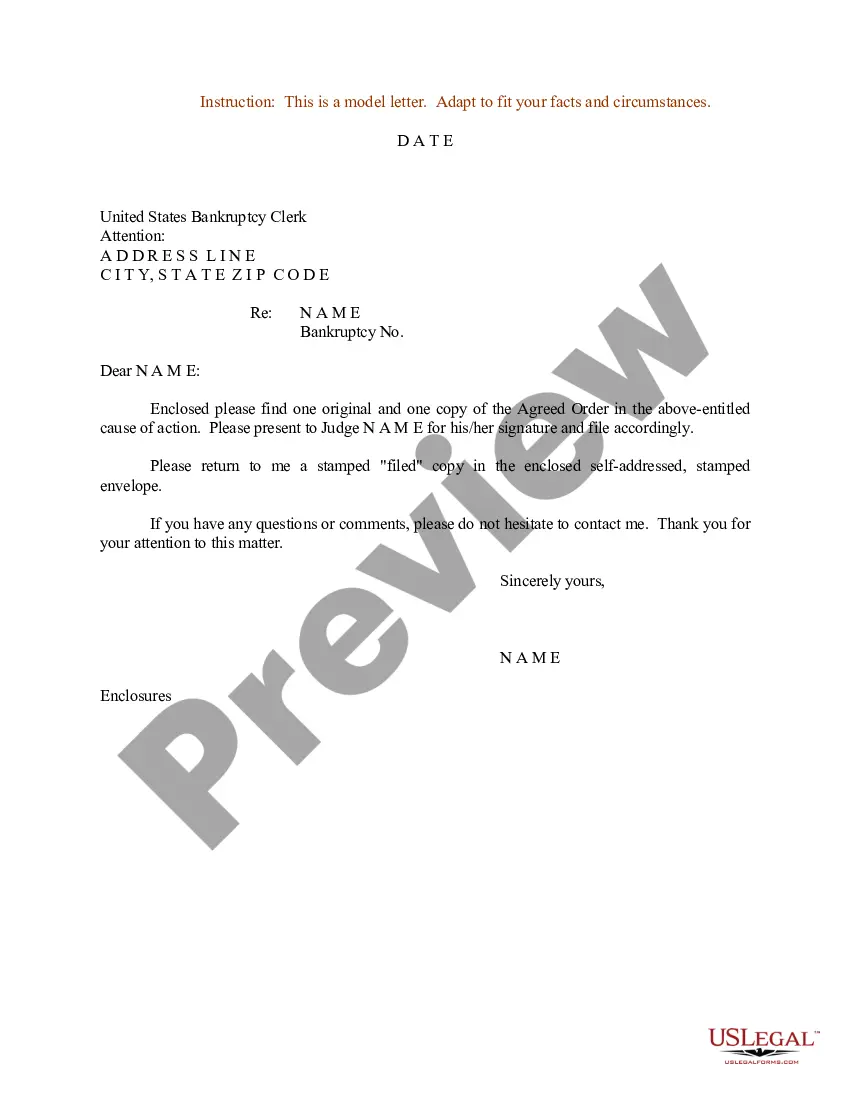
Get your form ready online
Our built-in tools help you complete, sign, share, and store your documents in one place.
Make edits, fill in missing information, and update formatting in US Legal Forms—just like you would in MS Word.
Download a copy, print it, send it by email, or mail it via USPS—whatever works best for your next step.
Sign and collect signatures with our SignNow integration. Send to multiple recipients, set reminders, and more. Go Premium to unlock E-Sign.
If this form requires notarization, complete it online through a secure video call—no need to meet a notary in person or wait for an appointment.
We protect your documents and personal data by following strict security and privacy standards.

Make edits, fill in missing information, and update formatting in US Legal Forms—just like you would in MS Word.

Download a copy, print it, send it by email, or mail it via USPS—whatever works best for your next step.

Sign and collect signatures with our SignNow integration. Send to multiple recipients, set reminders, and more. Go Premium to unlock E-Sign.

If this form requires notarization, complete it online through a secure video call—no need to meet a notary in person or wait for an appointment.

We protect your documents and personal data by following strict security and privacy standards.
Looking for another form?
Form popularity
FAQ
Content of the reference Tell the court that you're aware of the proceedings. Give some background surrounding your relationship with the defendant. What are the defendant's good qualities (think family or employment) Do they do outside charity work?
When writing, avoid simply describing the defendant in terms like “he is loyal.” Instead, tell a story about his loyalty, or how he has been an upstanding member of the community. A story will stand out in the judge's mind more than adjectives will, making your letter more effective.
Start by introducing yourself and your relationship to the person you are writing about. Be specific and provide examples of the person's good character. Focus on the person's positive qualities and achievements. Be honest and objective. Proofread your letter carefully before submitting it.
Start by introducing yourself and your relationship to the person you are writing about. Be specific and provide examples of the person's good character. Focus on the person's positive qualities and achievements. Be honest and objective. Proofread your letter carefully before submitting it.
How to effectively convey positive qualities about my brother in a character letter? Express deep admiration. Mention shared childhood adventures and life's challenges. Appreciate his loyalty and humor. Celebrate his achievements. Share happy memories spent together. Thank him for being a reliable person.
Use formal language and avoid slang. Thank the judge for their time and consideration. Offer your willingness to provide further information if needed. Use a formal closing such as ``Sincerely'' or ``Respectfully,'' followed by your name. Dear Honorable (Judge's Last Name),
Character Letter Template Dear Judge Name or Honorable Name, I am writing to you in my capacity as Your Relationship to the Person, to advocate for Name of the Person, whom I have known for Number of Years years. It is an honor to vouch for their character and integrity in my time knowing them.

