Sample Letter To Judge For Drug Charges In Florida
Description


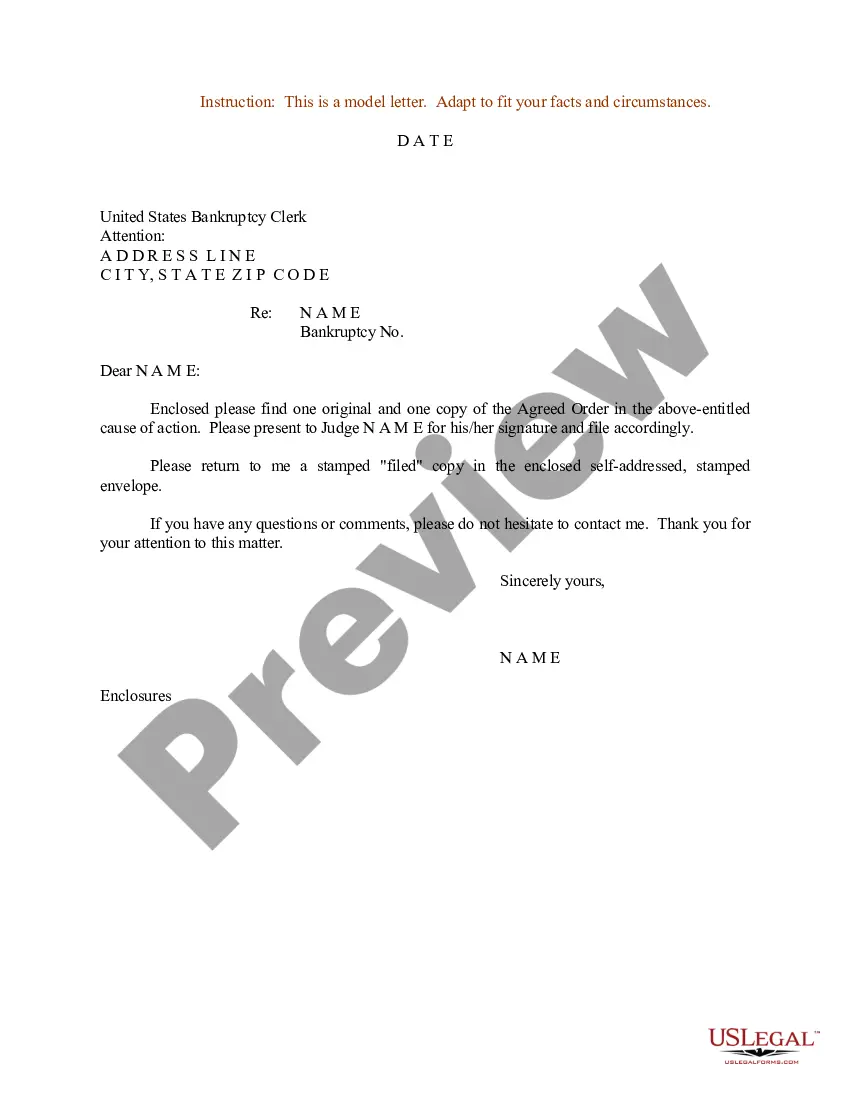
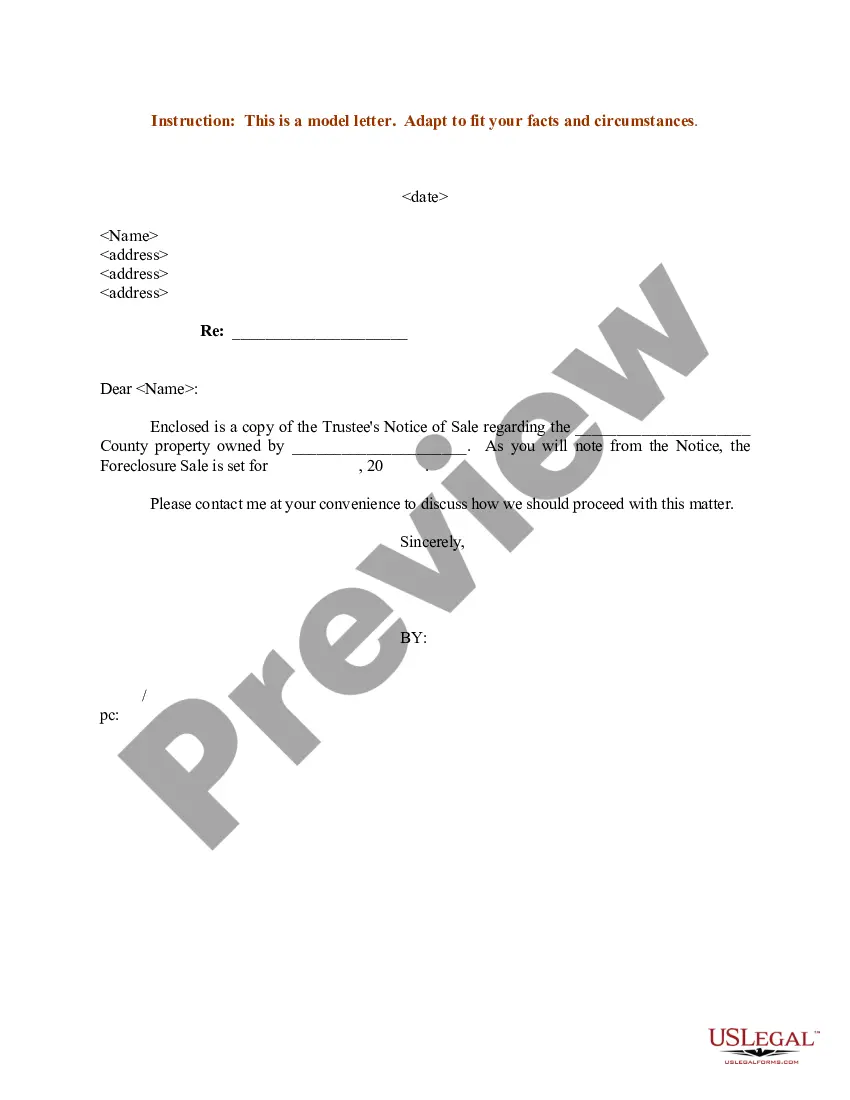
Form popularity
FAQ
Contact Chambers Law Firm at 714-760-4088 for support from a criminal defense attorney. Start with a Clear Introduction. Introduce Yourself and Establish Credibility. Provide Reasons for Leniency. Tell a Story or Give Specific Examples. Provide Your Contact Information. Not the Same as a Motion to Modify a Sentence.
Writing the Content of the Letter Write who you are and what your profession is. Explain how you know the defendant. Provide a general statement of support. Write a statement on the defendant's character. Add additional information. Write the conclusion. Avoid improper remarks.
Person's name has always been a loving and caring friend/family member/co-worker since we first met. That is why I am writing this letter to defend person's name, because he/she has always been a respected person in the community, and a genuine person to everyone he/she has come across.
For individuals writing character letters, the goal should be to first establish your credibility as a reference for the defendant. Next, the letter should describe the defendant, in order to help the judge better understand him or her beyond the offense committed.
As the referee, outline your name, age, occupation and how you know the person you are writing this letter about (the offender). Express how long you have known the offender for, and how you got to know him/her. Briefly outline how often you and him/her contact or communicate with each other.
I appreciate your thoughtfulness, respect, and fairness throughout my trial. I was convicted of shoplifting, and I plan to own up to my actions and make amends for my mistakes. While I can't go back in time and reverse what I did, you can rest assured that this will never happen again.
How to write a character reference letter? Start by explaining your relationship to the candidate. How do you know the candidate? ... Include how long you've known the candidate. Add positive personal qualities with specific examples. Close with a statement of recommendation. Offer your contact information.
Tip Three: Avoid Undermining the Case It is often tempting for a person writing a character letter to discuss how the defendant isn't really guilty, how this “isn't like him,” how the defendant only pleaded guilty to the crime to get a better sentence, or even how the jury got it wrong.
Character reference letters are usually a page long (two pages max). As you prepare to write, brainstorm what you know about the parent and make a list of information and examples you want to include. Create an outline to organize your ideas.
Tips for an Effective Character Letter To a Judge in California Understand the Purpose of a Character Letter. Use Specific Anecdotes Over General Praise. Address the Impact on the Defendant's Support Network. Maintain Respect For the Court. Respect the Judge's Time. Align Your Expectations with Reality.

