Sample Letter To Judge For Early Release From Jail In Georgia
Description


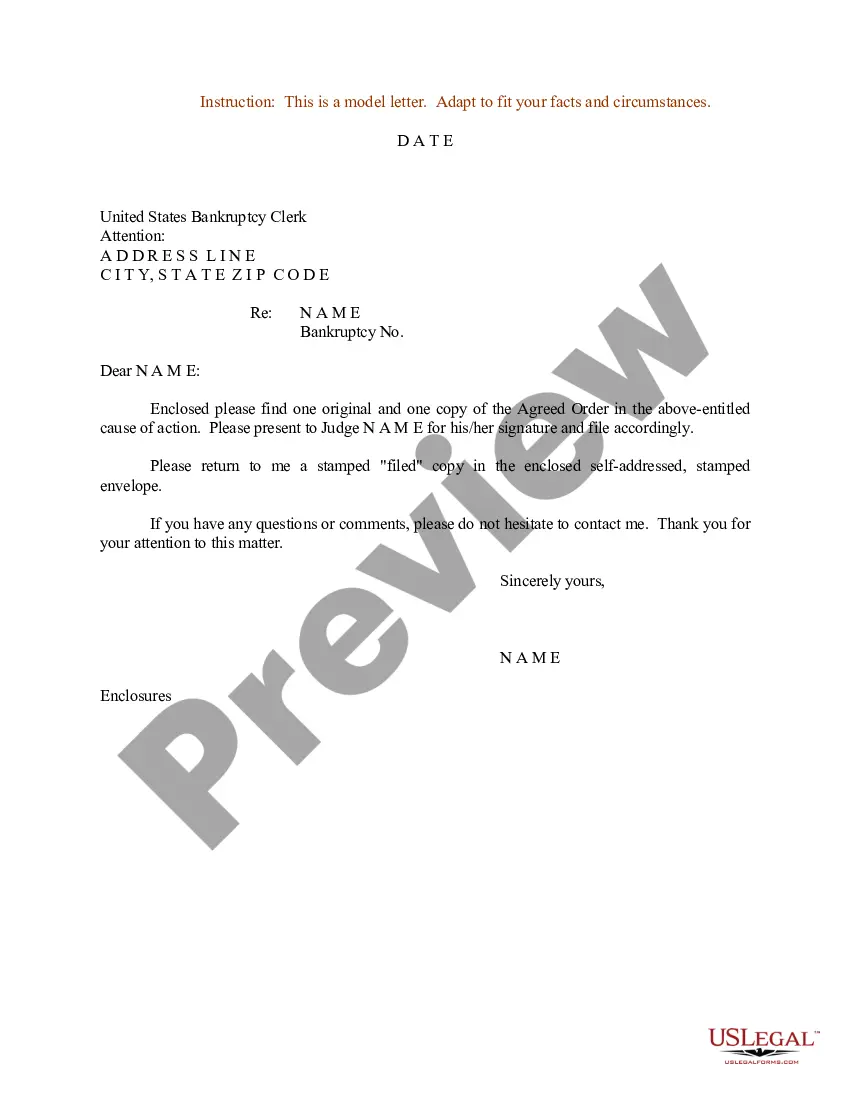
Get your form ready online
Our built-in tools help you complete, sign, share, and store your documents in one place.
Make edits, fill in missing information, and update formatting in US Legal Forms—just like you would in MS Word.
Download a copy, print it, send it by email, or mail it via USPS—whatever works best for your next step.
Sign and collect signatures with our SignNow integration. Send to multiple recipients, set reminders, and more. Go Premium to unlock E-Sign.
If this form requires notarization, complete it online through a secure video call—no need to meet a notary in person or wait for an appointment.
We protect your documents and personal data by following strict security and privacy standards.

Make edits, fill in missing information, and update formatting in US Legal Forms—just like you would in MS Word.

Download a copy, print it, send it by email, or mail it via USPS—whatever works best for your next step.

Sign and collect signatures with our SignNow integration. Send to multiple recipients, set reminders, and more. Go Premium to unlock E-Sign.

If this form requires notarization, complete it online through a secure video call—no need to meet a notary in person or wait for an appointment.

We protect your documents and personal data by following strict security and privacy standards.
Looking for another form?

Form popularity
FAQ
You Honor, I am writing you this letter to ask for leniency in the sentencing of my husband and that your sentence be merciful and not punitive. My husband has always obtained to working hard for our family and giving us the best support possible. My son and I love my husband very much.
Crafting an Effective Leniency Letter to a Judge: Five Essential... Start with a Clear Introduction. Introduce Yourself and Establish Credibility. Provide Reasons for Leniency. Tell a Story or Give Specific Examples. Provide Your Contact Information. Not the Same as a Motion to Modify a Sentence.
Be humble, remorseful and honest. Simply tell the judge that you want the chance to prove you are deserving of leniency, and ask what you must do to have that chance. Be willing to give more than they are asking you to do, and they often will ask less of you.
Acknowledge the gravity of their past mistakes and their impact on others. Encourage the individual to reflect on their actions and take responsibility for the harm they have caused. Highlight instances where they have demonstrated genuine remorse and a sincere desire to make amends for their past behavior.
Tips for an Effective Character Letter for a Judge Address Your Letter to the Judge. Establish a Clear Relationship with the Defendant. Be Truthful. Be Positive. Include a Discussion of the Crime. Do Not Suggest Penalties for the Crime.
The 5 most common tips in writing an effective leniency letter to a judge include: write a clear introduction, introduce yourself and establish credibility, provide reasons for leniency, tell a story, and. provide contact information.
Start with a Clear Introduction In your introduction, clearly state the purpose of your letter. Mention that you are writing on behalf of the defendant and are requesting leniency. Be concise and to the point, and include the case number to ensure the judge knows which case you are referring to.
Your letter can be typed or neatly handwritten. You should date and sign your letter. You don't need to write formal words to the Court, just make sure everything in your letter is genuine. It is usually a good idea to keep your letter to a page in length, and no more than two pages.
Be sure to include the case name and case number on both the letter and the envelope. The salutation (opener) is either ``May it please the Court'' (preferred) or ``May it please Your Honour'' (``Your Honor'') -- this wording works for any jurisdiction in the world in a letter from a non-lawyer.
Character Letter for Court Sample Template First Paragraph: Begin by introducing yourself. Then, describe your relationship with the individual for whom you are writing the letter, including how long you've known them and the nature of your connection. Second Paragraph: State the purpose of your letter.

