Sample Letter To Judge For Missing Court Date In Palm Beach
Description


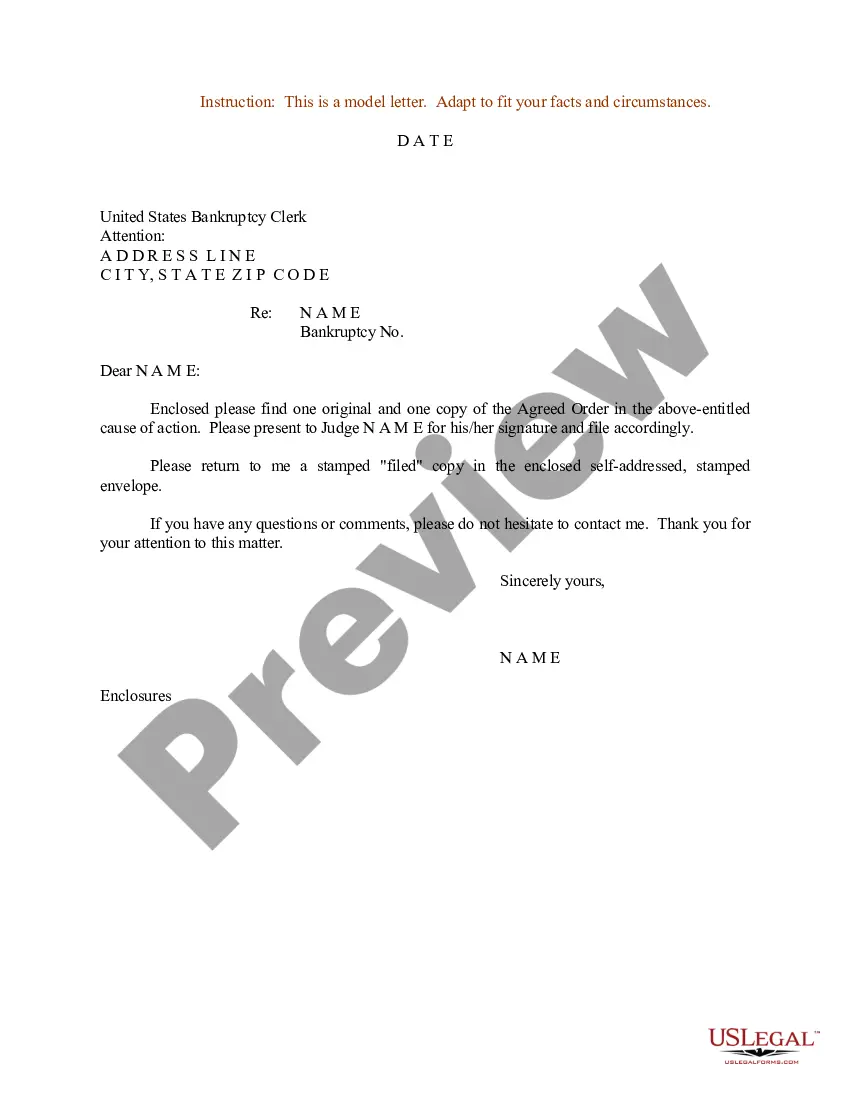
Get your form ready online
Our built-in tools help you complete, sign, share, and store your documents in one place.
Make edits, fill in missing information, and update formatting in US Legal Forms—just like you would in MS Word.
Download a copy, print it, send it by email, or mail it via USPS—whatever works best for your next step.
Sign and collect signatures with our SignNow integration. Send to multiple recipients, set reminders, and more. Go Premium to unlock E-Sign.
If this form requires notarization, complete it online through a secure video call—no need to meet a notary in person or wait for an appointment.
We protect your documents and personal data by following strict security and privacy standards.

Make edits, fill in missing information, and update formatting in US Legal Forms—just like you would in MS Word.

Download a copy, print it, send it by email, or mail it via USPS—whatever works best for your next step.

Sign and collect signatures with our SignNow integration. Send to multiple recipients, set reminders, and more. Go Premium to unlock E-Sign.

If this form requires notarization, complete it online through a secure video call—no need to meet a notary in person or wait for an appointment.

We protect your documents and personal data by following strict security and privacy standards.
Looking for another form?
Form popularity
FAQ
You should file an appropriate motion requesting a continuance with your reason to reschedule with the Clerk of Courts and with the State Attorney's office. You then should schedule a hearing prior to your court date with the Judge's Judicial assistant.
In legal terms, a change in a hearing date to a date in the future is called a “continuance” of the hearing.
Writing Your Letter Search for a form letter. Some courts print off forms that you can use to request a hearing. Open a word processing document. Insert a salutation. Add a heading. Begin the letter with your request. Explain why you need the hearing. Provide a contact number. Sign the letter.
More commonly, valid excuses might include serious illness, a family emergency, or a scheduling conflict that was well-documented. Courts typically require evidence for these excuses, such as medical records or proof of an emergency, to consider rescheduling the hearing.
Crafting an Effective Leniency Letter to a Judge: Five Essential... Start with a Clear Introduction. Introduce Yourself and Establish Credibility. Provide Reasons for Leniency. Tell a Story or Give Specific Examples. Provide Your Contact Information. Not the Same as a Motion to Modify a Sentence.
Begin with a formal salutation, such as "Dear Judge Last Name," and introduce yourself and your case. Clearly state your reasons for requesting a continuance and provide supporting evidence. Conclude your letter by expressing your gratitude and willingness to cooperate with the court's decision.
Writing Your Letter Search for a form letter. Some courts print off forms that you can use to request a hearing. Open a word processing document. Insert a salutation. Add a heading. Begin the letter with your request. Explain why you need the hearing. Provide a contact number. Sign the letter.
Writing the Letter Insert your address and the date. Add the judge's name and address. Open the letter with a salutation. Explain why you will miss the court date. Mention any supporting documentation. Request a new court date. Conclude the letter. Add your name.
Reason for the Request: Courts typically require a valid reason for rescheduling, such as illness, emergencies, or prior commitments like holidays. Timing of the Request: You should make your request as soon as you become aware of the conflict. Last-minute requests are less likely to be granted.
Some common synonyms of excuse are alibi, apologia, apology, plea, and pretext. While all these words mean "matter offered in explanation or defense," excuse implies an intent to avoid or remove blame or censure.

