Sample Letter To Judge For Missing Court Date In Philadelphia
Description


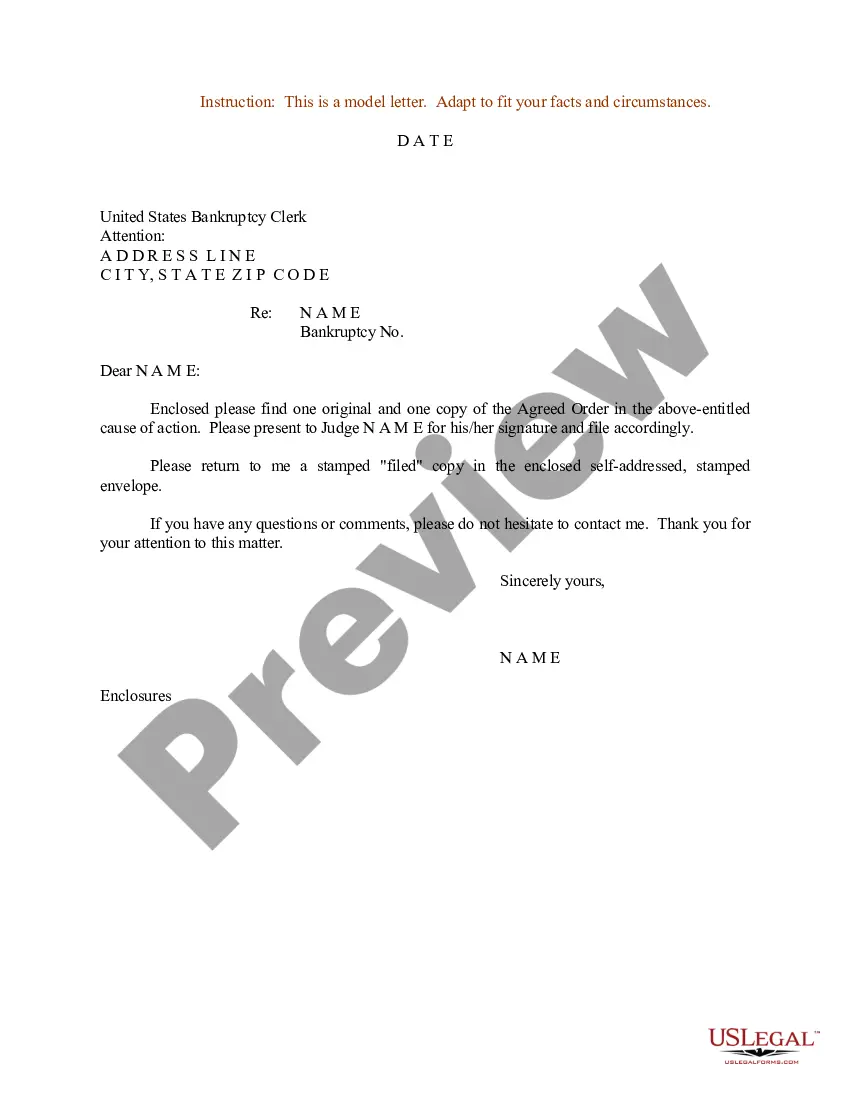
Get your form ready online
Our built-in tools help you complete, sign, share, and store your documents in one place.
Make edits, fill in missing information, and update formatting in US Legal Forms—just like you would in MS Word.
Download a copy, print it, send it by email, or mail it via USPS—whatever works best for your next step.
Sign and collect signatures with our SignNow integration. Send to multiple recipients, set reminders, and more. Go Premium to unlock E-Sign.
If this form requires notarization, complete it online through a secure video call—no need to meet a notary in person or wait for an appointment.
We protect your documents and personal data by following strict security and privacy standards.

Make edits, fill in missing information, and update formatting in US Legal Forms—just like you would in MS Word.

Download a copy, print it, send it by email, or mail it via USPS—whatever works best for your next step.

Sign and collect signatures with our SignNow integration. Send to multiple recipients, set reminders, and more. Go Premium to unlock E-Sign.

If this form requires notarization, complete it online through a secure video call—no need to meet a notary in person or wait for an appointment.

We protect your documents and personal data by following strict security and privacy standards.
Looking for another form?
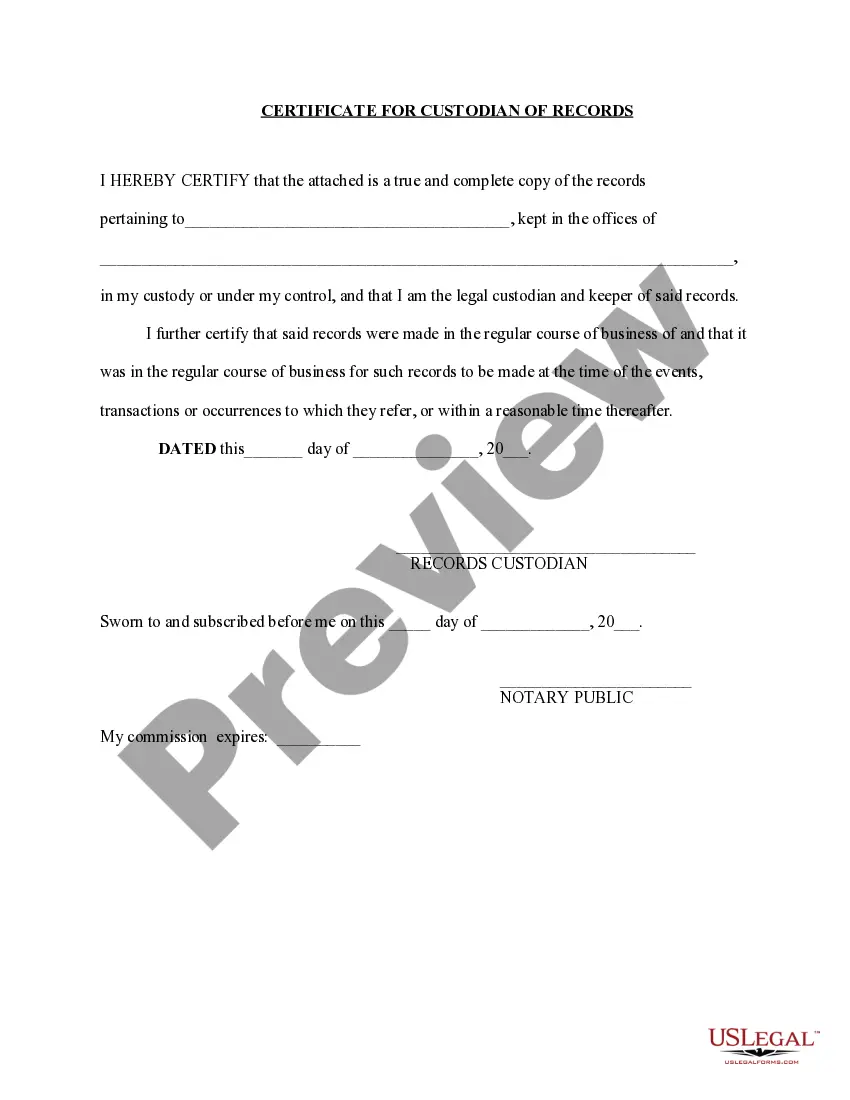
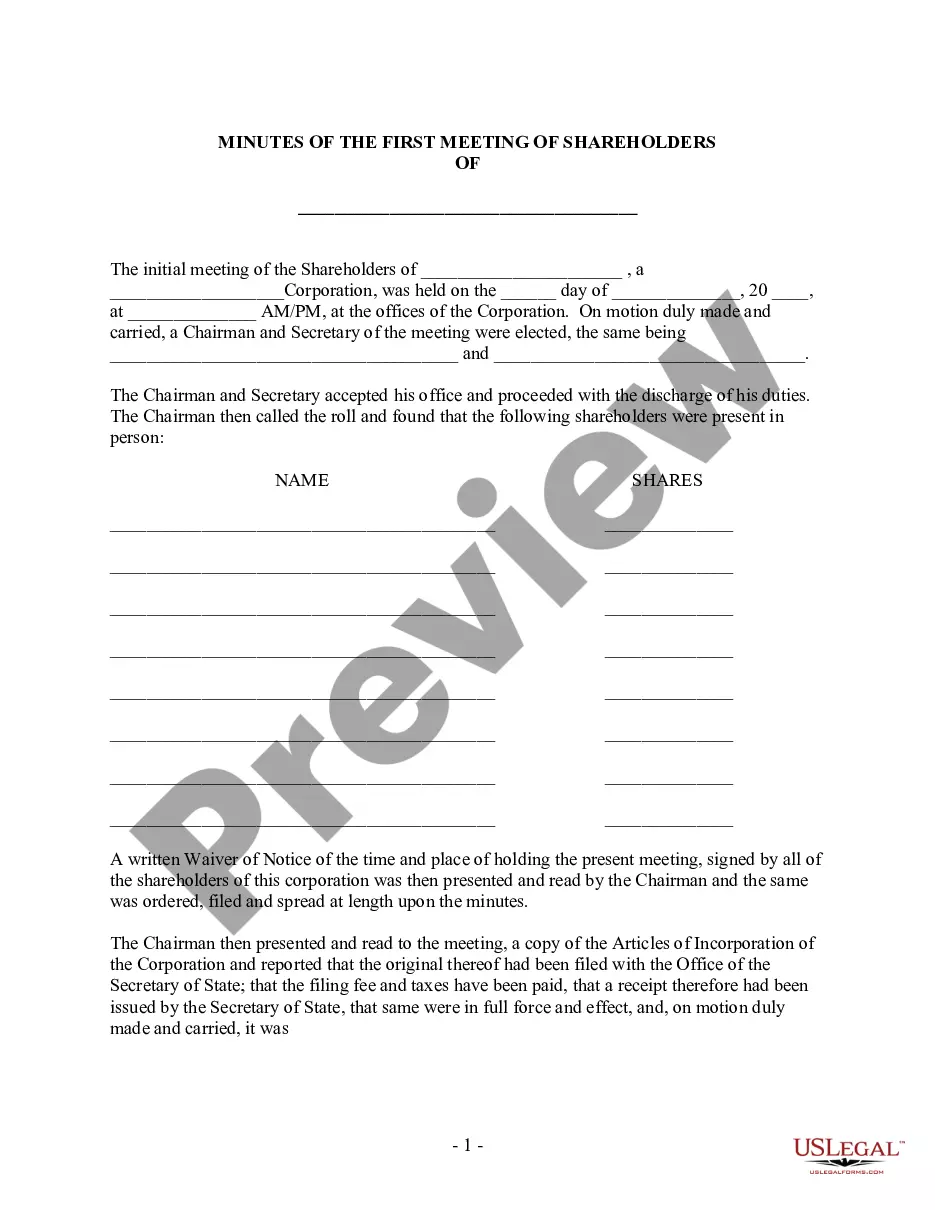
Form popularity
FAQ
If you need to miss a court case, a valid excuse might include something like a sudden illness, a family emergency, or an unavoidable conflict, like a pre-scheduled medical procedure. It's important to inform the court right away and provide any supporting documentation, or you risk facing penalties for not attending.
Some common synonyms of excuse are alibi, apologia, apology, plea, and pretext. While all these words mean "matter offered in explanation or defense," excuse implies an intent to avoid or remove blame or censure.
Failure to appear in court without a reasonable excuse, such as being sick in hospital, is an offence and the accused can be given a fine of R300. 00 or imprisonment for a period of 3 months.
The letter should be addressed to the Judge, but mailed to the defendant's attorney. Who are you? ... Make it personal when describing the defendant's characteristics. Only talk about what you know. Be truthful. Never attack the victims or law enforcement. Never allow the defendant to write the letter for you.
In absentia is usually a legal way to describe someone as being absent, especially during a courtroom trial that the defendant doesn't attend.
Reason for the Request: Courts typically require a valid reason for rescheduling, such as illness, emergencies, or prior commitments like holidays. Timing of the Request: You should make your request as soon as you become aware of the conflict. Last-minute requests are less likely to be granted.
If you need to miss a court case, a valid excuse might include something like a sudden illness, a family emergency, or an unavoidable conflict, like a pre-scheduled medical procedure. It's important to inform the court right away and provide any supporting documentation, or you risk facing penalties for not attending.
Example: “I am writing to apologize for my failure to appear in court on date for case number case number.” Explanation and Responsibility:Briefly explain the circumstances that led to your failure to appear, but avoid making excuses. Take full responsibility for your actions.
Use formal language and avoid slang. Thank the judge for their time and consideration. Offer your willingness to provide further information if needed. Use a formal closing such as ``Sincerely'' or ``Respectfully,'' followed by your name. Dear Honorable (Judge's Last Name),
Tips for an Effective Character Letter Tip One: Setting the Stage. As an initial matter, a character letter should only come from people who actually know the defendant. Tip Two: Tell a Story. Tip Three: Avoid Undermining the Case. Tip Four: Formatting Considerations. Tip Five: Understand a Realistic Outcome.

