Sample Letters To Judges From Family Members For Divorce In Phoenix
Description


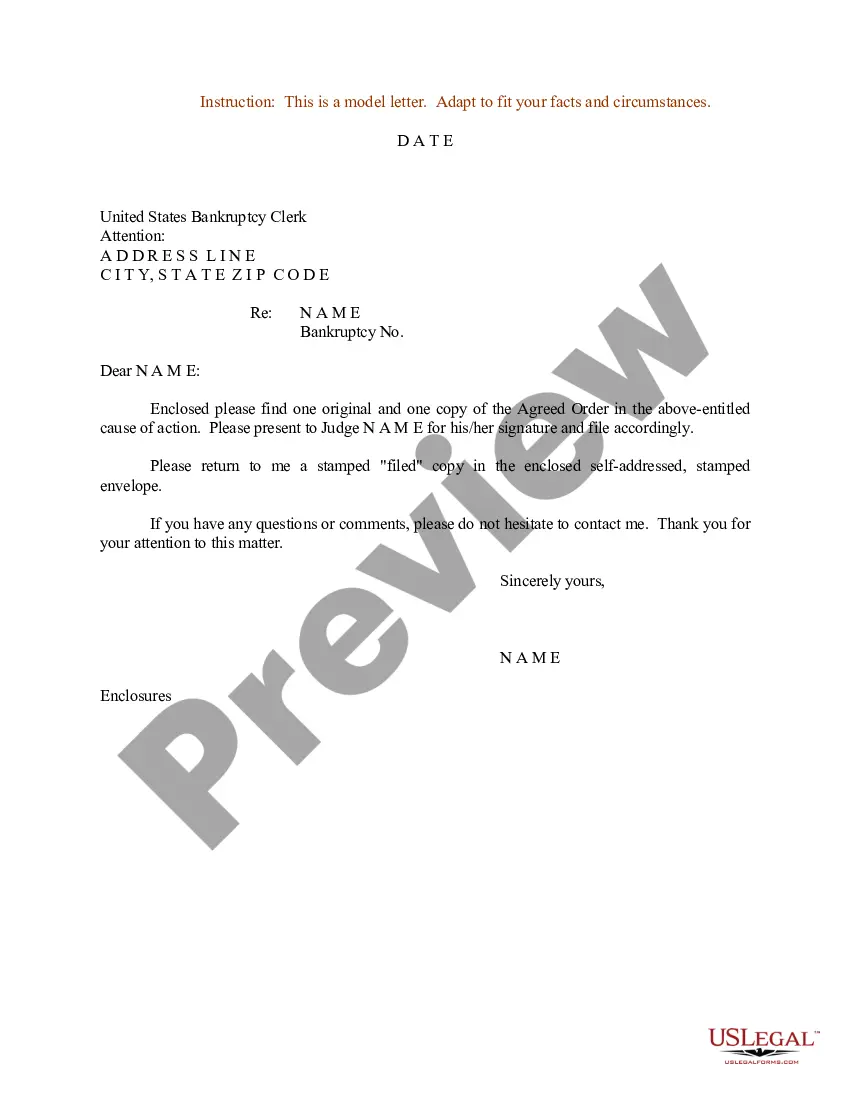
Get your form ready online
Our built-in tools help you complete, sign, share, and store your documents in one place.
Make edits, fill in missing information, and update formatting in US Legal Forms—just like you would in MS Word.
Download a copy, print it, send it by email, or mail it via USPS—whatever works best for your next step.
Sign and collect signatures with our SignNow integration. Send to multiple recipients, set reminders, and more. Go Premium to unlock E-Sign.
If this form requires notarization, complete it online through a secure video call—no need to meet a notary in person or wait for an appointment.
We protect your documents and personal data by following strict security and privacy standards.
Make edits, fill in missing information, and update formatting in US Legal Forms—just like you would in MS Word.
Download a copy, print it, send it by email, or mail it via USPS—whatever works best for your next step.
Sign and collect signatures with our SignNow integration. Send to multiple recipients, set reminders, and more. Go Premium to unlock E-Sign.

If this form requires notarization, complete it online through a secure video call—no need to meet a notary in person or wait for an appointment.
We protect your documents and personal data by following strict security and privacy standards.
Looking for another form?



Form popularity
FAQ
Individuals with close, personal relationships with the defendant are ideal for writing character letters. This group can include family members, friends, or anyone who has known the defendant for a considerable period. Their insights into the defendant's personality and morals can be particularly impactful.
Character letters, which are also known as “sentencing letters,” are written by the defendant's friends and family members in an effort to convince the judge to assess a lower sentence. These are a mainstay of federal criminal cases.
Requesting Leniency or Reduced Sentencing If your family member has already been convicted, a letter to a judge can help you advocate for reduced sentencing or a more lenient punishment.
The judge will read the letters of support before the sentencing hearing and will consider them in deciding the defendant's sentence. Some letters of support can be very effective in persuading a judge to give the defendant a shorter sentence. The person who will read the letters is the sentencing judge.
- Sign your name. Be Respectful: Use polite language and show respect for the judge and the court. Stay Honest: Share your true feelings, but avoid exaggeration or negative comments about others. Keep It Clear and Concise: Try to keep the letter to one page and focus on your main points.
Tips for Writing a Letter to a Judge: Be Respectful: Use formal language and address the judge appropriately. Be Concise: Keep the letter focused and to the point. Provide Relevant Information: Stick to facts and avoid emotional appeals that lack substance.
I appreciate your thoughtfulness, respect, and fairness throughout my trial. I was convicted of shoplifting, and I plan to own up to my actions and make amends for my mistakes. While I can't go back in time and reverse what I did, you can rest assured that this will never happen again.
Writing a letter to a judge can be extremely impactful if it is written properly. Whether you are writing as a victim or on behalf of a defendant, it must be written in business-style and in a professional tone in order for the judge to take the letter seriously.
These letters have the potential to influence the court, and may even impact the ultimate sentence in a criminal case. For this reason, character letters should be carefully drafted in order to maximize their utility.

