Sample Letter To Judge For Guardianship In Riverside
Description


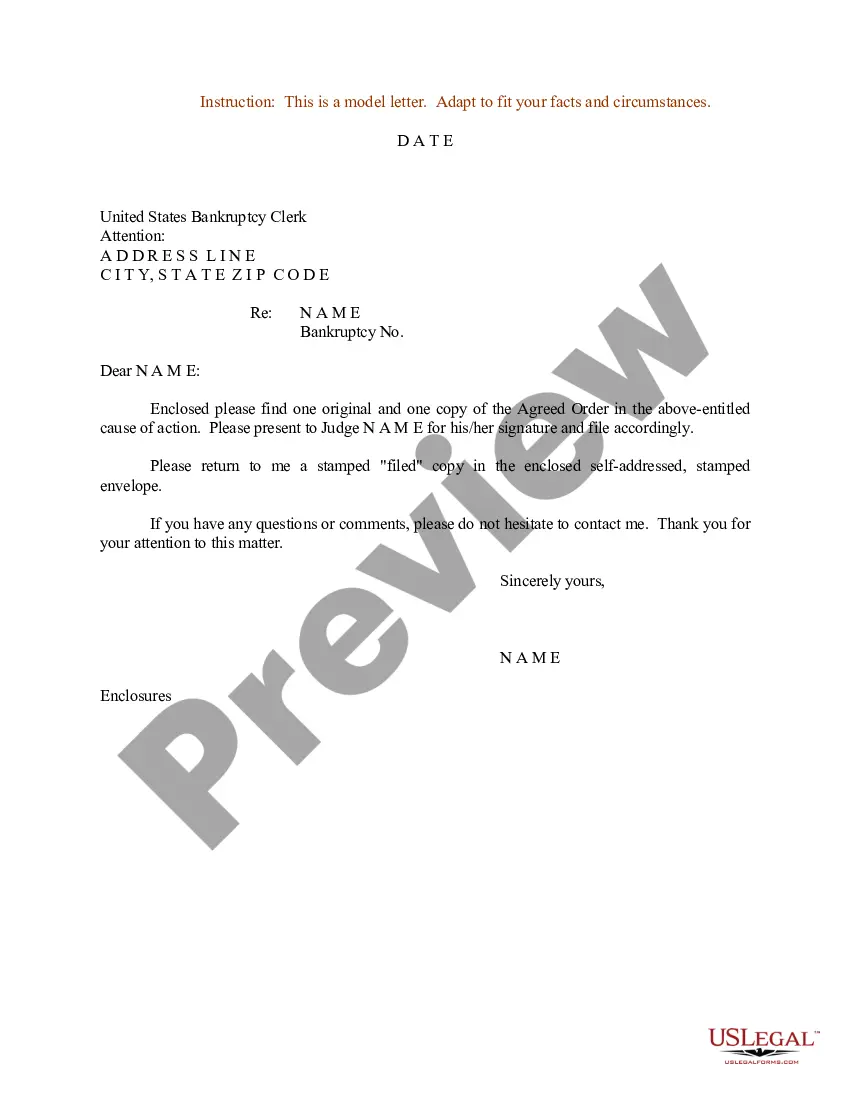
Get your form ready online
Our built-in tools help you complete, sign, share, and store your documents in one place.
Make edits, fill in missing information, and update formatting in US Legal Forms—just like you would in MS Word.
Download a copy, print it, send it by email, or mail it via USPS—whatever works best for your next step.
Sign and collect signatures with our SignNow integration. Send to multiple recipients, set reminders, and more. Go Premium to unlock E-Sign.
If this form requires notarization, complete it online through a secure video call—no need to meet a notary in person or wait for an appointment.
We protect your documents and personal data by following strict security and privacy standards.

Make edits, fill in missing information, and update formatting in US Legal Forms—just like you would in MS Word.

Download a copy, print it, send it by email, or mail it via USPS—whatever works best for your next step.

Sign and collect signatures with our SignNow integration. Send to multiple recipients, set reminders, and more. Go Premium to unlock E-Sign.

If this form requires notarization, complete it online through a secure video call—no need to meet a notary in person or wait for an appointment.

We protect your documents and personal data by following strict security and privacy standards.
Looking for another form?
Form popularity
FAQ
You do not write letters to judges. Judges cannot read letters written to them by parties in a case. It's called ex parte communication and it is forbidden.
To Guide for Guardianship Letters Basic Information. In the letter heading, include basic details like names and addresses. Statement of Consent. Grant Powers to Guardian. Describe Your Absence. Provide Contact Details. Get Letter Notarized.
Here's a list of five specific types of guardianship court evidence that could be necessary for such cases: Document 1: Medical Reports/Evaluations. Document 2: Letters of Recommendation. Document 3: Background Check/Criminal Record. Document 4: Financial Statements. Document 5: Previous Guardianship/Custody Orders.
At the hearing, you should present valid and strong evidence. It's the most important factor and will help the court decide whether you still need a guardian or not. Additionally, you can ask people that know you and your abilities to come and testify on your behalf.
Introduction: - Introduce yourself (your name and age). - Briefly state the purpose of your letter (to request a change in custody). Body: - Explain Your Situation: Describe your current living situation and why you feel a change is necessary. Be honest about your feelings and experiences. Reasons for Change:
Contact Chambers Law Firm at 714-760-4088 for support from a criminal defense attorney. Start with a Clear Introduction. Introduce Yourself and Establish Credibility. Provide Reasons for Leniency. Tell a Story or Give Specific Examples. Provide Your Contact Information. Not the Same as a Motion to Modify a Sentence.
You should list the name of each child and then include the child's permanent address, phone number, and date of birth. Underneath the information on your children, include information about the temporary guardian: name, address, phone number, email, and relationship to the child.
If sufficiently well-written, even one letter could make an impression on a judge. If more than one, or many more than one, this will always make a favorable impression. It is not a guarantee of more favorable treatment at sentencing, but it sure won't hurt.
A guardianship letter is a document that allows you to transfer guardianship of a child temporarily. A guardianship letter allows you to give grandparents or other close friends or relatives legal custody and guardianship over your children.

