Sample Letter For Judge In Salt Lake
Description



Form popularity
FAQ
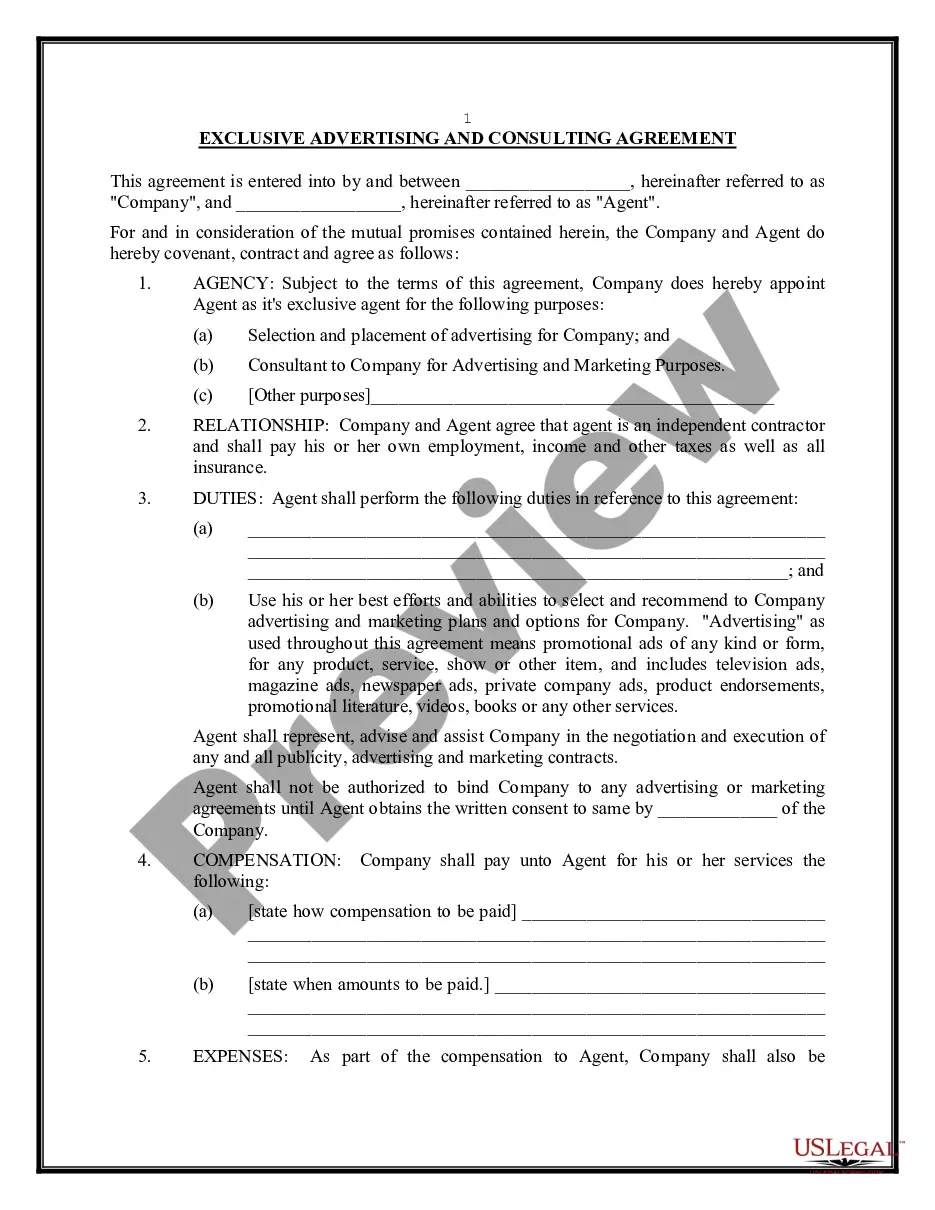
Follow the order of this format, leaving a space in between each section: Your Information (first thing that goes on the inside of the letter) Name. The Date. The Judge's Information. Honorable Judge First Name Last Name. What the Letter Is Going to Address. Salutation. Body. Signature.
Start the address on the envelope with "The Honorable (full name)." For example, on the envelope addressed to Judge John Matthew Pool, write "The Honorable John M. Pool." X Research source You will need to include a second line with the judge's title, so do not write the court address yet.
Sample Letter Dear Your Honour, I am writing to request the dismissal of case number case number, involving names of parties involved, which is currently being heard in your court. I am explain your relationship to the case, if relevant. The reason for this request is briefly explain the reason.
Begin with a clear and concise introduction, stating the grounds for dismissal. Follow with a detailed argument section that outlines why the complaint should be dismissed, supported by legal authorities.
I appreciate your thoughtfulness, respect, and fairness throughout my trial. I was convicted of shoplifting, and I plan to own up to my actions and make amends for my mistakes. While I can't go back in time and reverse what I did, you can rest assured that this will never happen again.
Your letter should contain essential elements such as your contact information, the date, the name of the person or department you're addressing, the case number, a formal request for the dismissal of charges, and your reasons for the request.
Writing the Content of the Letter Write who you are and what your profession is. Explain how you know the defendant. Provide a general statement of support. Write a statement on the defendant's character. Add additional information. Write the conclusion. Avoid improper remarks.
When writing, avoid simply describing the defendant in terms like “he is loyal.” Instead, tell a story about his loyalty, or how he has been an upstanding member of the community. A story will stand out in the judge's mind more than adjectives will, making your letter more effective.
Most often for a character reference letter, this will be a generic salutation such as “To Whom It May Concern.” Start your letter with a comprehensive thesis statement about the quality contribution and exemplary character of the applicant.
More specifically, explain how you met him and how well you feel you know him. Your letter will carry more weight with the judge if you explain exactly how you have been able to form an impression about the defendant, for example, because you worked with him for several years or you have known him since childhood.