Sample Letter To Judge For Drug Charges In Travis
Description


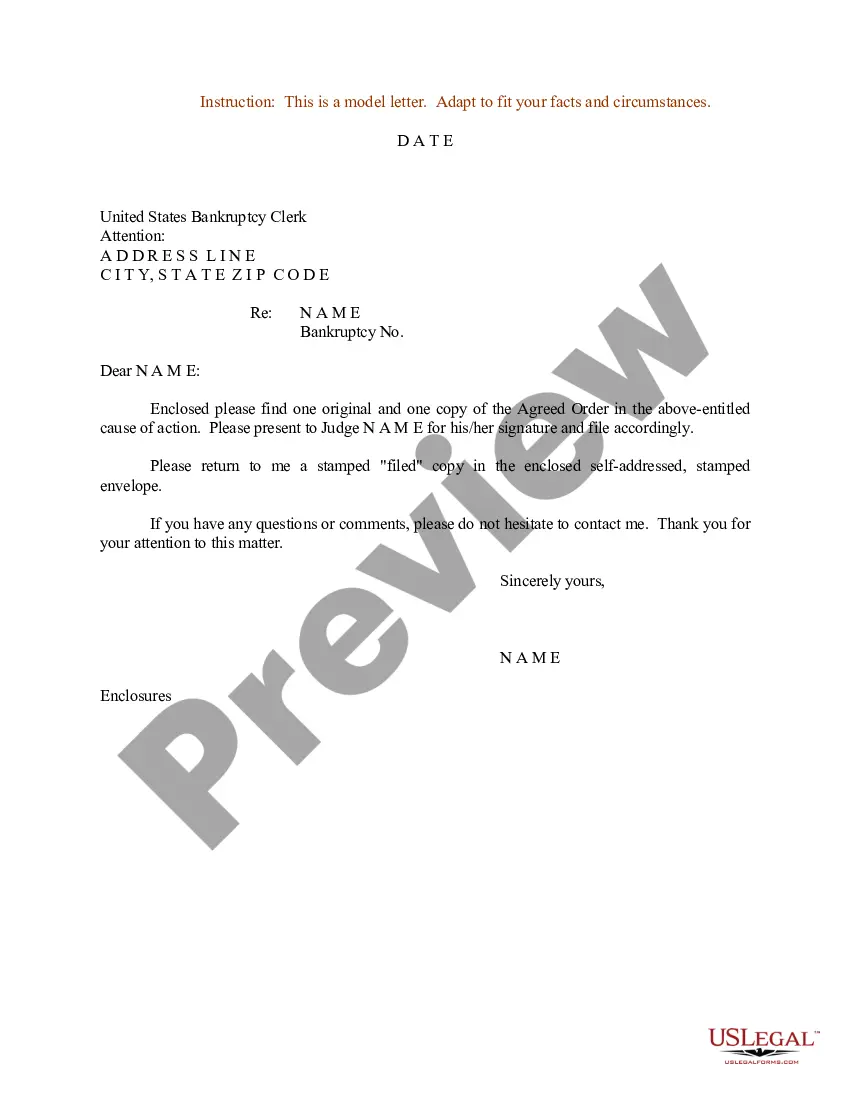
Get your form ready online
Our built-in tools help you complete, sign, share, and store your documents in one place.
Make edits, fill in missing information, and update formatting in US Legal Forms—just like you would in MS Word.
Download a copy, print it, send it by email, or mail it via USPS—whatever works best for your next step.
Sign and collect signatures with our SignNow integration. Send to multiple recipients, set reminders, and more. Go Premium to unlock E-Sign.
If this form requires notarization, complete it online through a secure video call—no need to meet a notary in person or wait for an appointment.
We protect your documents and personal data by following strict security and privacy standards.

Make edits, fill in missing information, and update formatting in US Legal Forms—just like you would in MS Word.

Download a copy, print it, send it by email, or mail it via USPS—whatever works best for your next step.

Sign and collect signatures with our SignNow integration. Send to multiple recipients, set reminders, and more. Go Premium to unlock E-Sign.

If this form requires notarization, complete it online through a secure video call—no need to meet a notary in person or wait for an appointment.

We protect your documents and personal data by following strict security and privacy standards.
Looking for another form?
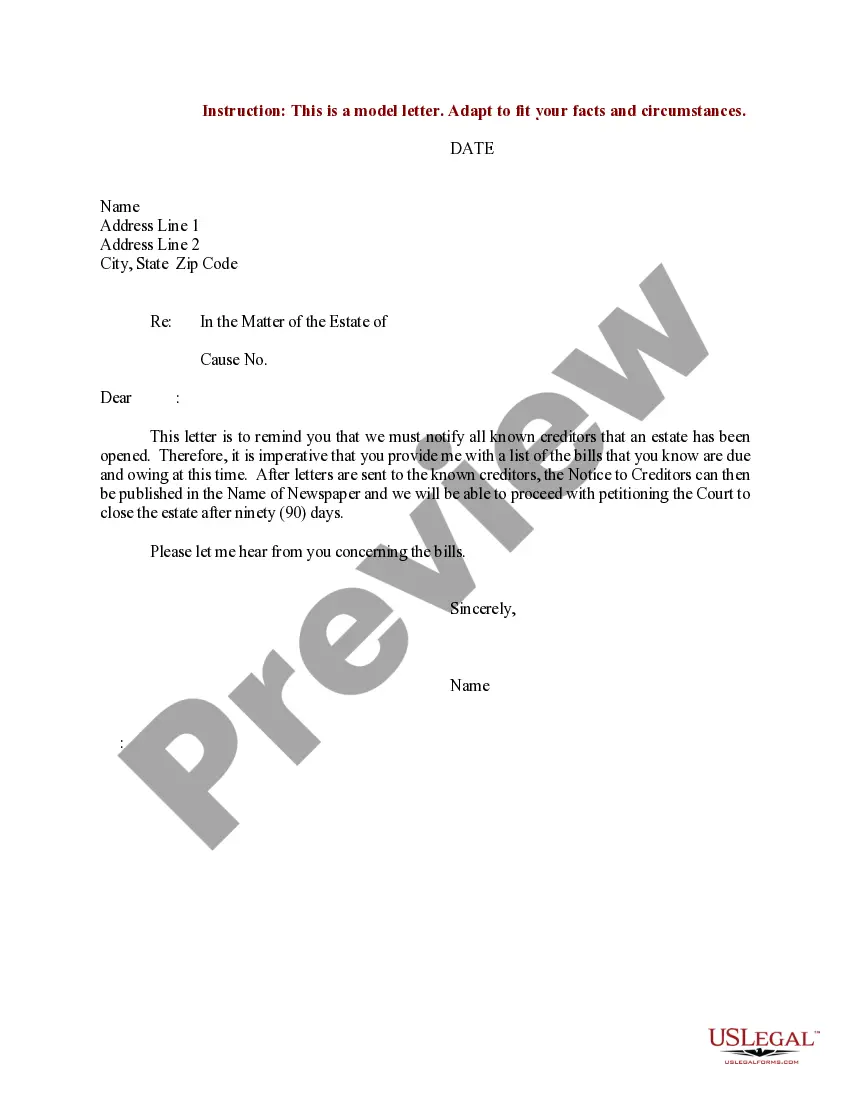
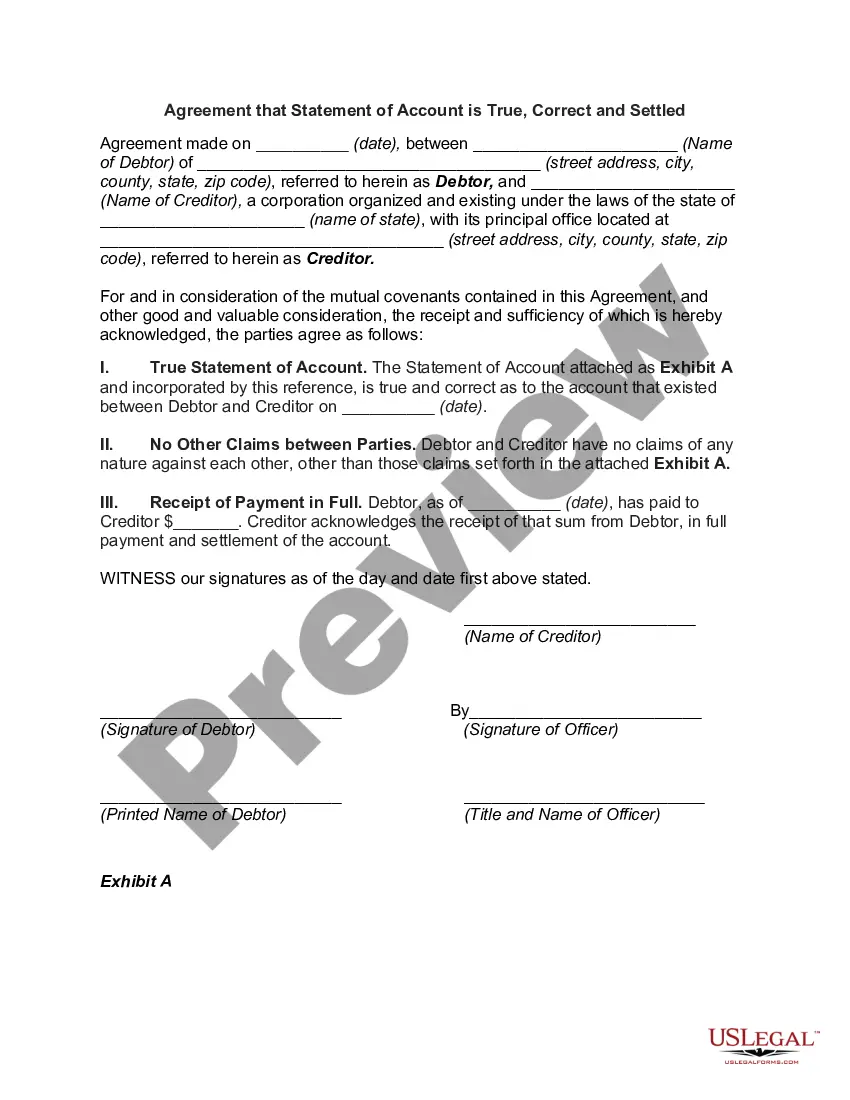
Form popularity
FAQ
Not all courts will accept a letter. Instead, the court might grant a continuance over the phone, or the court could require that you have a representative appear before the judge in your place.
Here are five things all defendants will want to avoid saying to a criminal judge: 'I Did It. ' ... 'They Didn't Tell Me...' ... Expletives. Lies, Lies, Lies. 'I Will Represent Myself.
Tip Three: Avoid Undermining the Case It is often tempting for a person writing a character letter to discuss how the defendant isn't really guilty, how this “isn't like him,” how the defendant only pleaded guilty to the crime to get a better sentence, or even how the jury got it wrong.
Treat the judge's staff with impeccable courtesy. Be prompt. Be prepared and organized. Nothing irritates a judge as much as a lawyer fumbling for papers. Speak loudly and clearly. Respect any time limits set by the judge. Answer a judge's question directly. Don't evade. If you don't know an answer, say so.
I appreciate your thoughtfulness, respect, and fairness throughout my trial. I was convicted of shoplifting, and I plan to own up to my actions and make amends for my mistakes. While I can't go back in time and reverse what I did, you can rest assured that this will never happen again.
Tip Three: Avoid Undermining the Case It is often tempting for a person writing a character letter to discuss how the defendant isn't really guilty, how this “isn't like him,” how the defendant only pleaded guilty to the crime to get a better sentence, or even how the jury got it wrong.
Follow the order of this format, leaving a space in between each section: Your Information (first thing that goes on the inside of the letter) Name. The Date. The Judge's Information. Honorable Judge First Name Last Name. What the Letter Is Going to Address. Salutation. Body. Signature.
Contact Chambers Law Firm at 714-760-4088 for support from a criminal defense attorney. Start with a Clear Introduction. Introduce Yourself and Establish Credibility. Provide Reasons for Leniency. Tell a Story or Give Specific Examples. Provide Your Contact Information. Not the Same as a Motion to Modify a Sentence.
Begin your letter by addressing the judge formally, using ``Honorable (Judge's Name)''. In the opening lines, make sure to mention your case number any pertinent details to help the judge quickly identify your matter.

