Meeting Minutes Corporate With Action Items In Illinois
Description

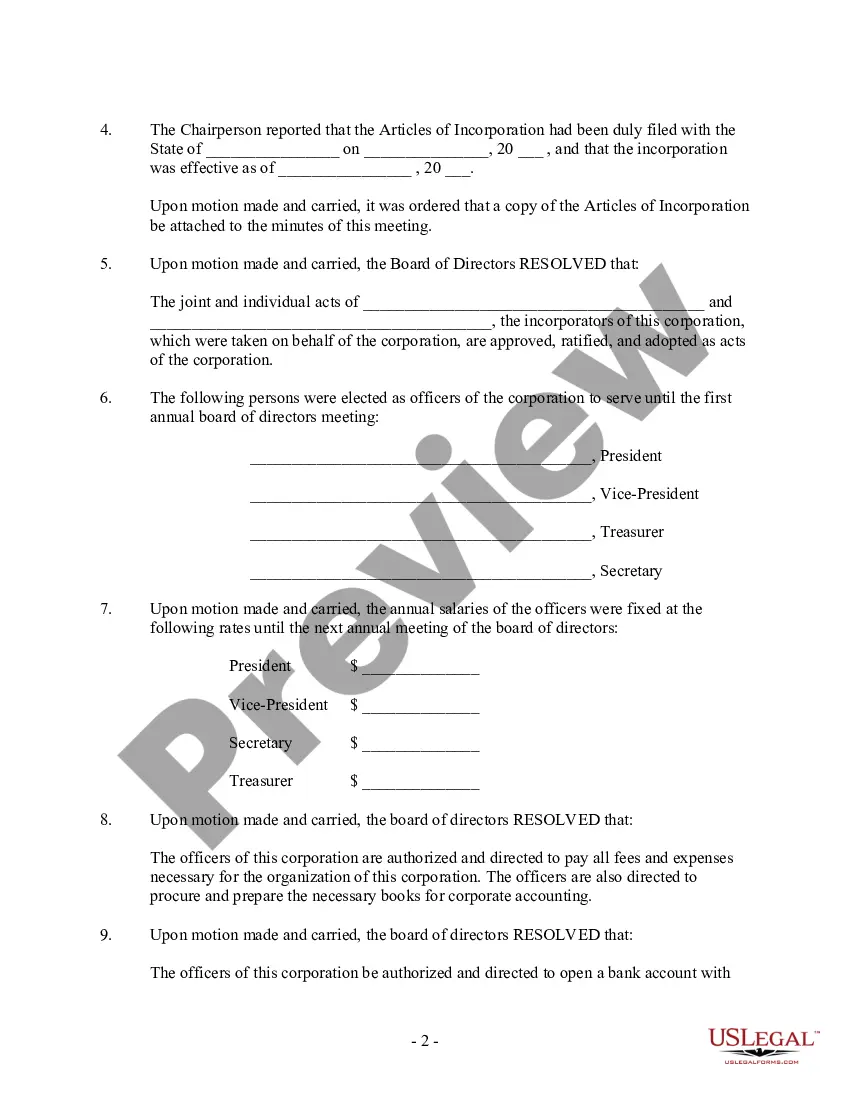
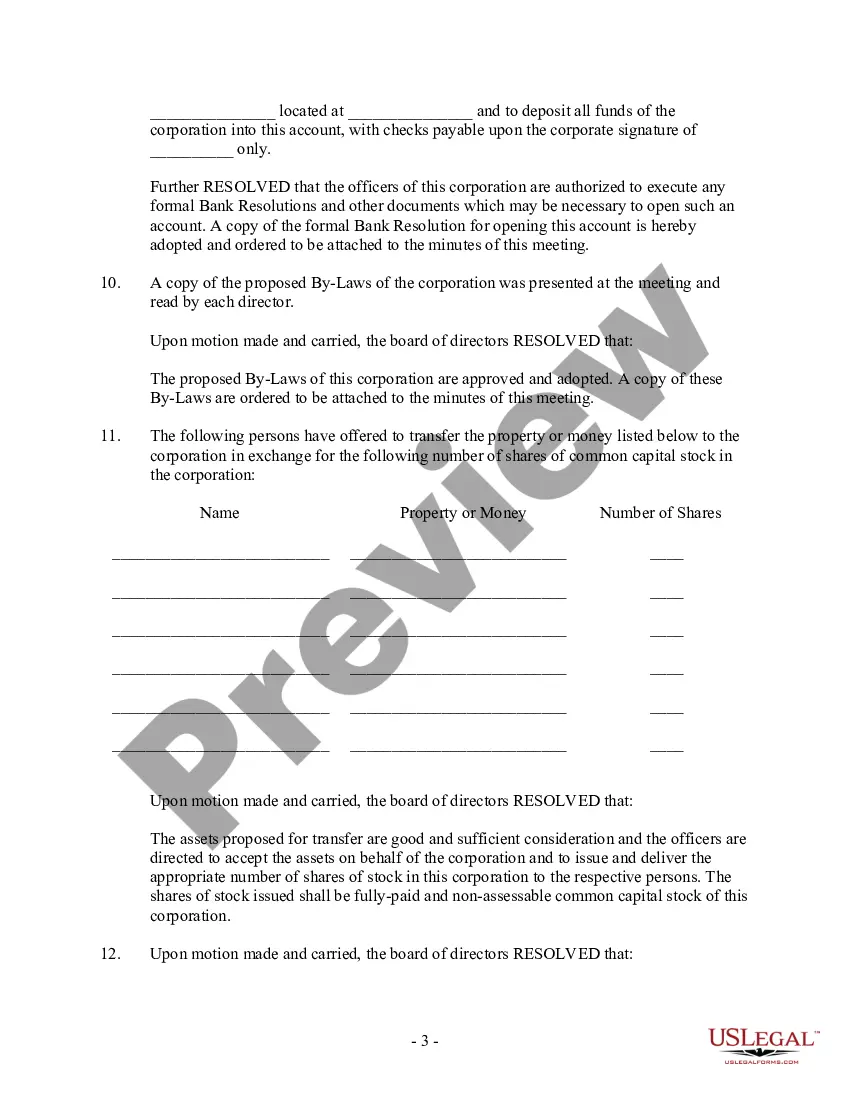
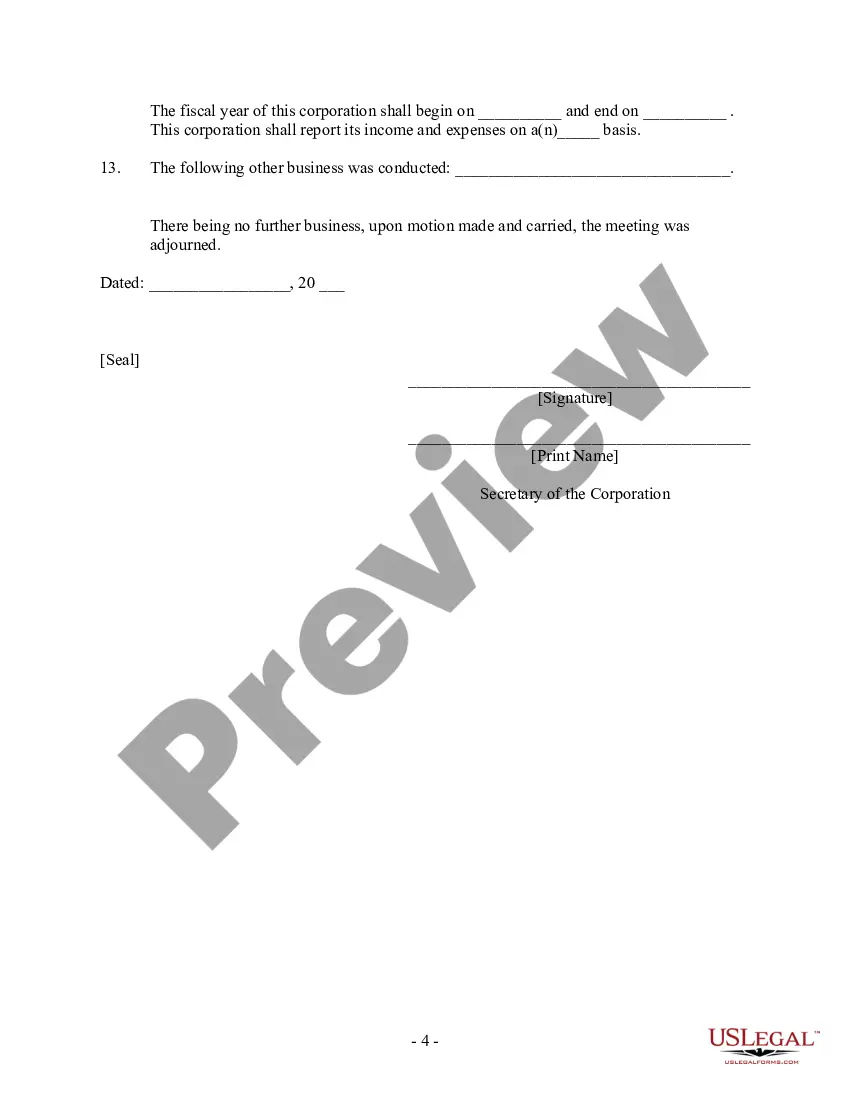

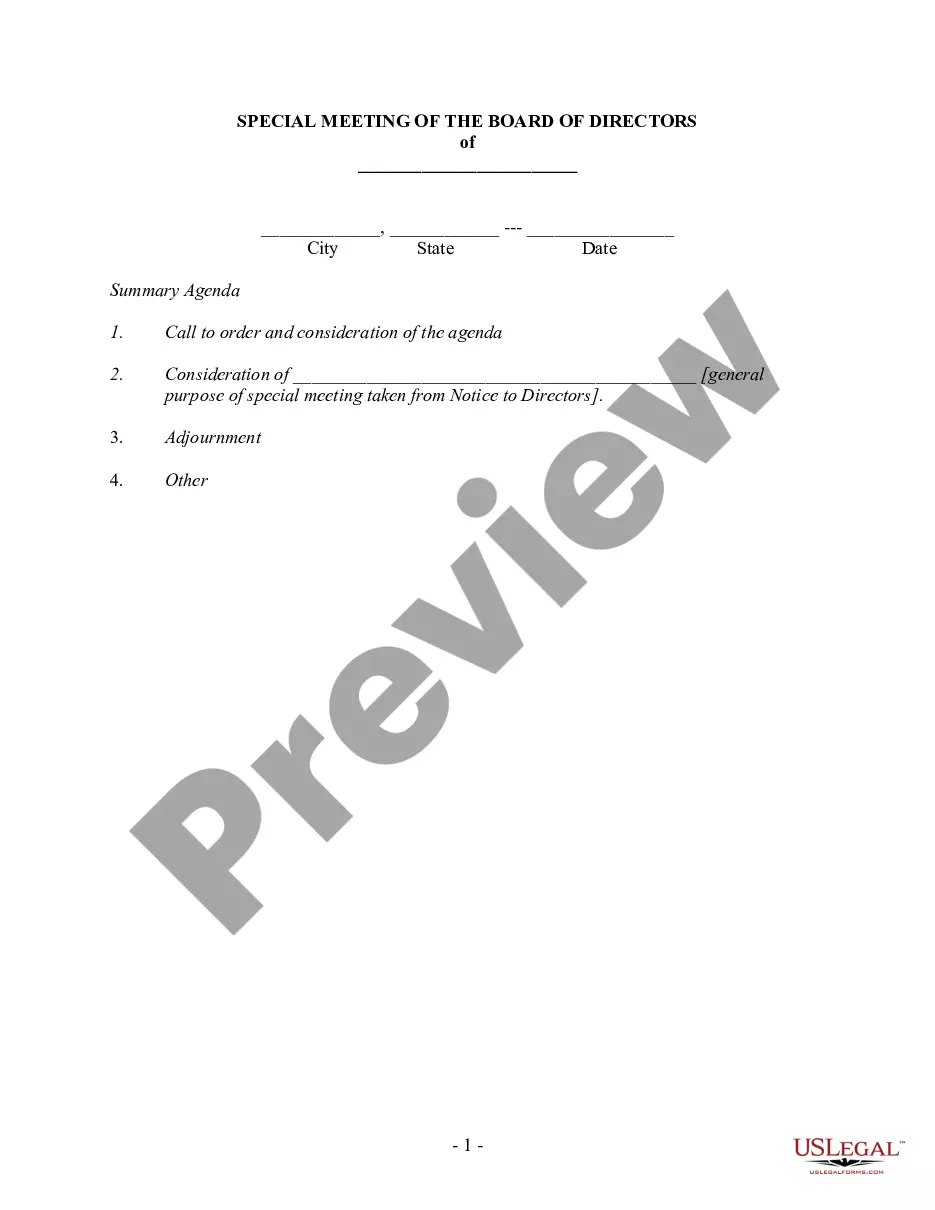
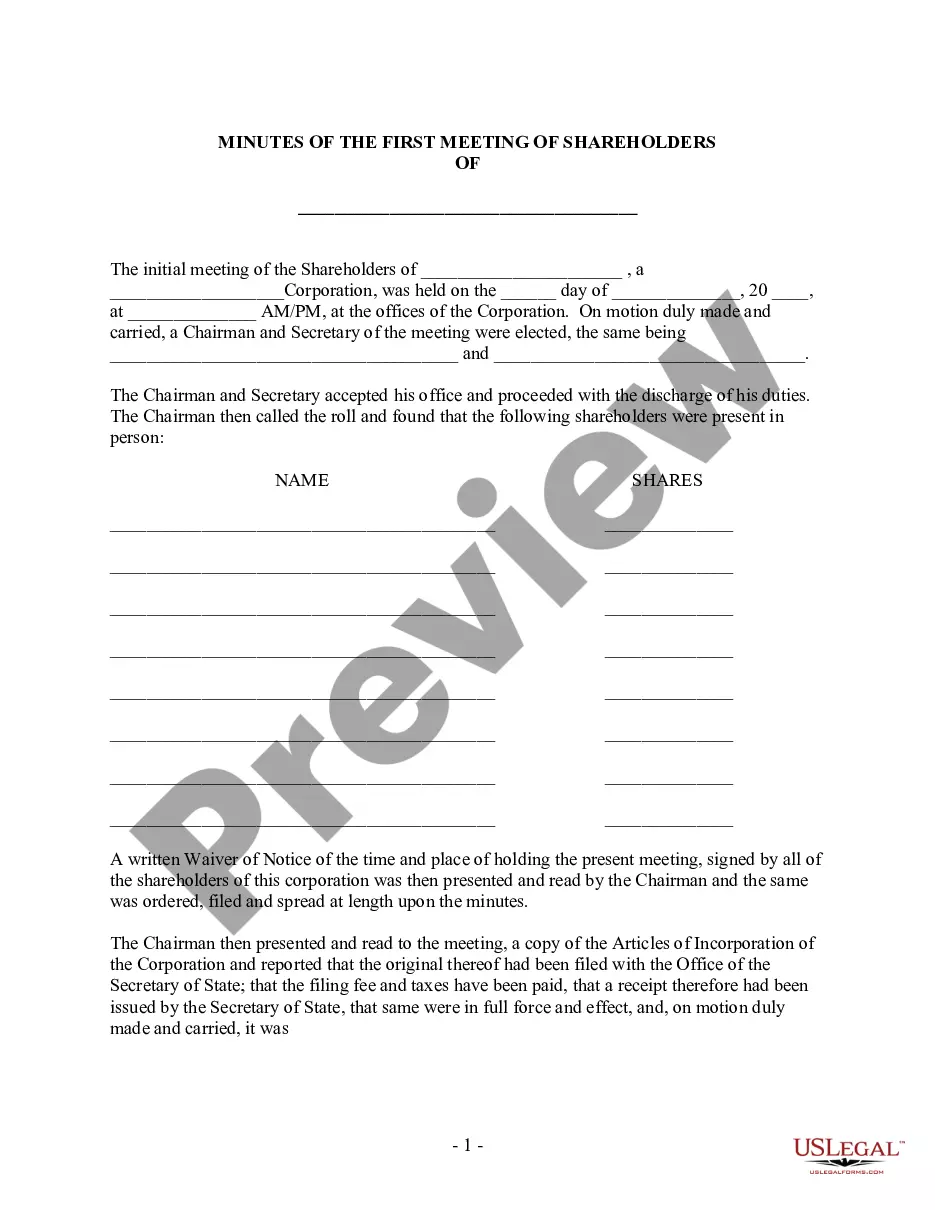
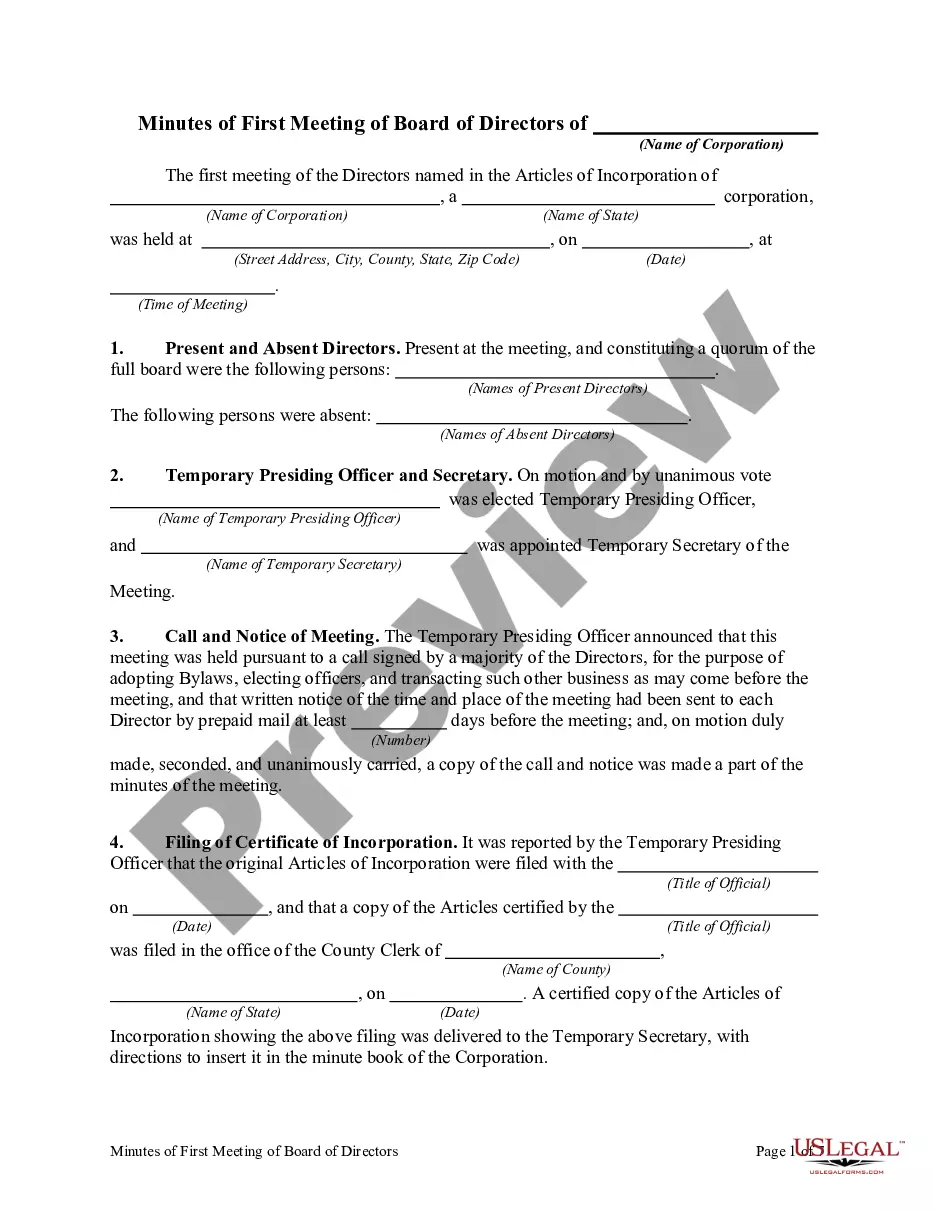
Get your form ready online
Our built-in tools help you complete, sign, share, and store your documents in one place.
Make edits, fill in missing information, and update formatting in US Legal Forms—just like you would in MS Word.
Download a copy, print it, send it by email, or mail it via USPS—whatever works best for your next step.
Sign and collect signatures with our SignNow integration. Send to multiple recipients, set reminders, and more. Go Premium to unlock E-Sign.
If this form requires notarization, complete it online through a secure video call—no need to meet a notary in person or wait for an appointment.
We protect your documents and personal data by following strict security and privacy standards.

Make edits, fill in missing information, and update formatting in US Legal Forms—just like you would in MS Word.

Download a copy, print it, send it by email, or mail it via USPS—whatever works best for your next step.

Sign and collect signatures with our SignNow integration. Send to multiple recipients, set reminders, and more. Go Premium to unlock E-Sign.

If this form requires notarization, complete it online through a secure video call—no need to meet a notary in person or wait for an appointment.

We protect your documents and personal data by following strict security and privacy standards.
Looking for another form?
Form popularity
FAQ
Writing meeting minutes with action items can transform those directionless meetings into productive discussions. It's important to start out with a meeting structure so you can keep your meeting focused. Then, write minutes that highlight the key parts of the conversation.
5 steps to write impactful meeting action items Write the action item (what) Discuss the purpose (why) Set a due date (when) Assign a person to every action item (who) Think about what happens next.
Are board meeting minutes confidential? Yes. The board should assume the minutes are confidential and, in most cases, they will remain so.
Corporate meeting minutes typically include: The meeting's date, time and location. A list of attendees and absentees, including any present board members or officers. Agenda items. Summaries of all discussion points. Details of all activities completed or agreed upon. Results of any votes or motions.
2. What should be excluded in the meeting minutes? Avoid switching tenses in your writing. Avoid recording the debate; just record the outcome. Avoid making personal observations or opinions. Avoid verbatim quotes. Avoid letting the meeting move on if you're confused.
Meeting “minutes” are the official written records of company meetings, including topics discussed and decisions made. Corporate meeting minutes typically include: The meeting's date, time and location. A list of attendees and absentees, including any present board members or officers.
Agendas most often include: Informational items - sharing out updates regarding a topic for the group. For example, a manager may provide an update on the year-end planning process. Action items - items that you expect the group will want to review during the meeting.
Below are some tips to help you document action minutes effectively. Be Specific About the Task. Assign Responsibility. Set Clear Deadlines. Provide Context When Necessary. Use a Standard Format for Consistency. Actively Listen During the Meeting. Keep the Format Simple and Consistent.