Board Meetings In Corporate Governance In Queens
Description


Get your form ready online
Our built-in tools help you complete, sign, share, and store your documents in one place.
Make edits, fill in missing information, and update formatting in US Legal Forms—just like you would in MS Word.
Download a copy, print it, send it by email, or mail it via USPS—whatever works best for your next step.
Sign and collect signatures with our SignNow integration. Send to multiple recipients, set reminders, and more. Go Premium to unlock E-Sign.
If this form requires notarization, complete it online through a secure video call—no need to meet a notary in person or wait for an appointment.
We protect your documents and personal data by following strict security and privacy standards.

Make edits, fill in missing information, and update formatting in US Legal Forms—just like you would in MS Word.

Download a copy, print it, send it by email, or mail it via USPS—whatever works best for your next step.

Sign and collect signatures with our SignNow integration. Send to multiple recipients, set reminders, and more. Go Premium to unlock E-Sign.

If this form requires notarization, complete it online through a secure video call—no need to meet a notary in person or wait for an appointment.

We protect your documents and personal data by following strict security and privacy standards.
Looking for another form?
Form popularity
FAQ
Board meeting definition A board meeting is a regular formal gathering of a board of directors in order to discuss strategic matters of a company. This includes the corporate policies and issues, company performance reports and future endeavors.
5 tips for opening a board meeting: Allow time for members to get settled and focused. Provide a way for members to share what's weighing on their minds. Include time for socializing. Clarify each person's specific role for the meeting. Take time to formally review and approve the agenda.
A Board Meeting is a formal meeting of the board of directors of an organization and any invited guests, held at definite intervals and as needed to review performance, consider policy issues, address major problems and perform the legal business of the board.
Becoming a Community Board Member or Re-Appointing Members To qualify for a particular board, you must live, work in, or have a professional or other significant interest in that board's district. Do not leave any areas blank.
The board has a fiduciary duty to make decisions and take actions in the interest of shareholders and stakeholders. It operates independently of management and focuses on a company's major issues rather than its day-to-day operations.
It is the core activity in corporate governance, from which most other directors' duties originate. Typically held at fixed intervals, these meetings are essential for decision-making and compliance with legal and regulatory responsibilities.
The Directors shall attend Board Meetings in person. If unable to attend, a Director may appoint another Director to attend on his behalf by proxy which specifies the scope of authorization; any appointee shall not act as proxy for more than one Director.
A Board Meeting is a formal meeting of the board of directors of an organization and any invited guests, held at definite intervals and as needed to review performance, consider policy issues, address major problems and perform the legal business of the board.
The chair should invite discussion and facilitate debate, drawing out a full range of opinions. If the discussion is lengthy, the chair may limit the discussion for a certain period. At the end of the discussion, the board may agree to vote, amend, table, postpone or move it to a committee for consideration.
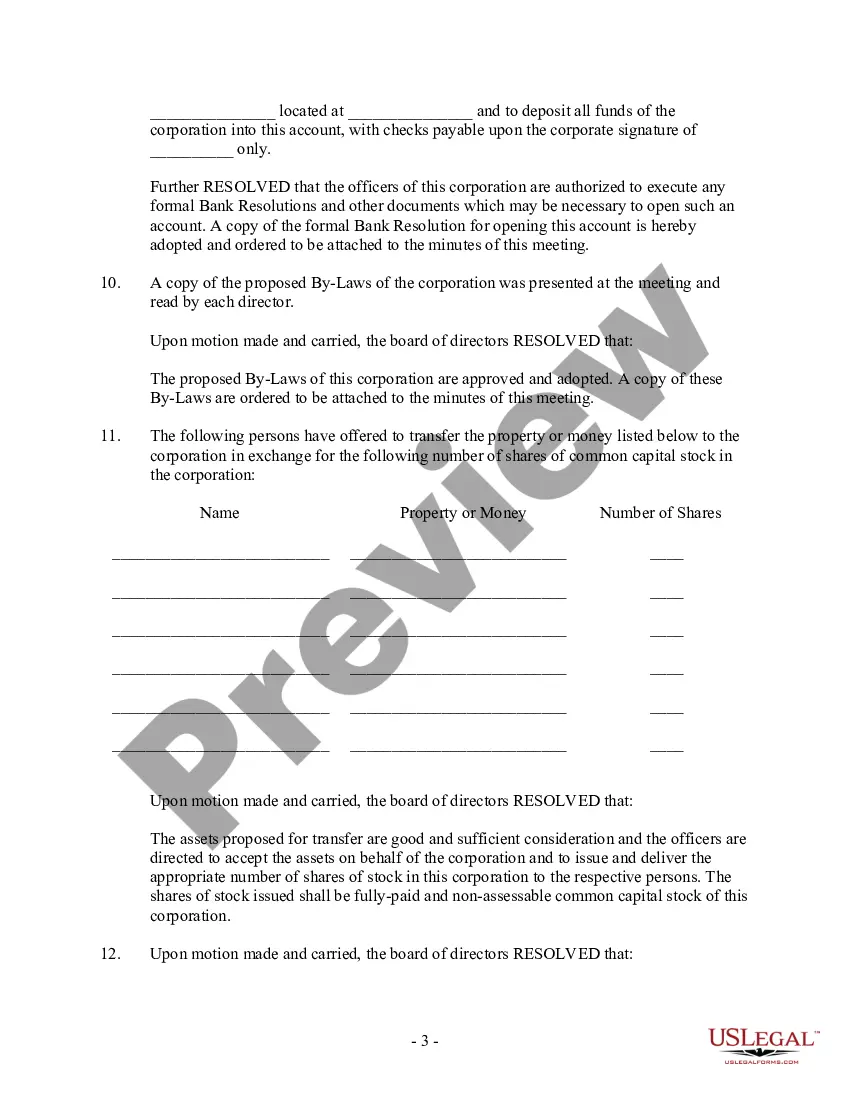
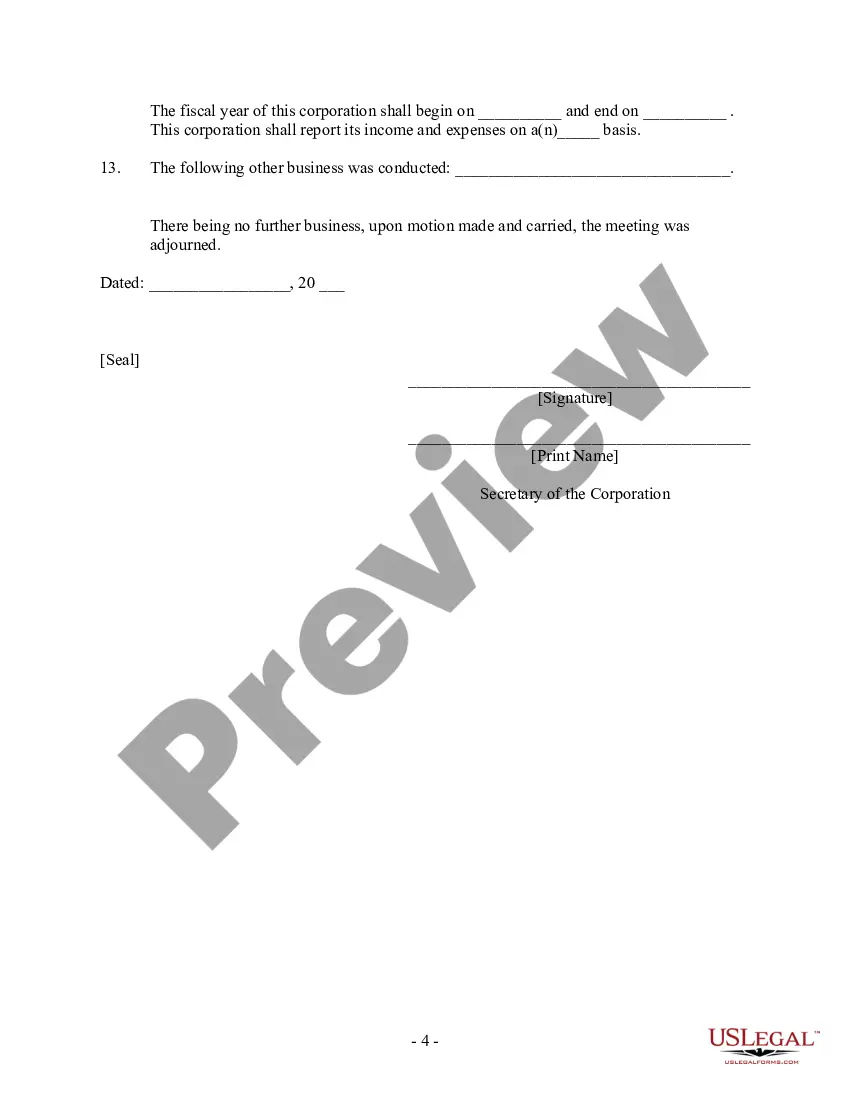
What Are the Steps to Conduct a Board Meeting? Call the meeting to order. The presiding officer kicks off the meeting at the designated start time. Call roll. Approve the agenda and previous meeting's minutes. Officer and committee reports. Old Business. New Business. Adjourn the meeting.