Chattel Form Paper With Code In Pennsylvania
Description

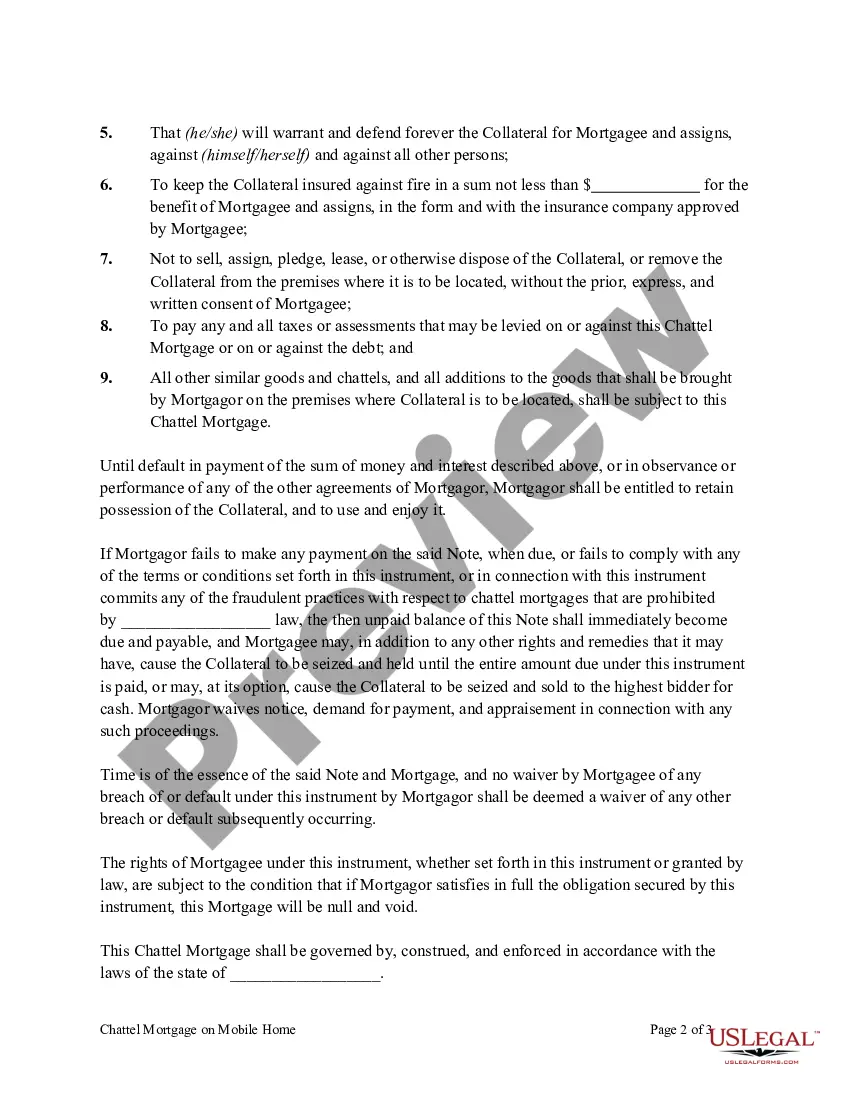
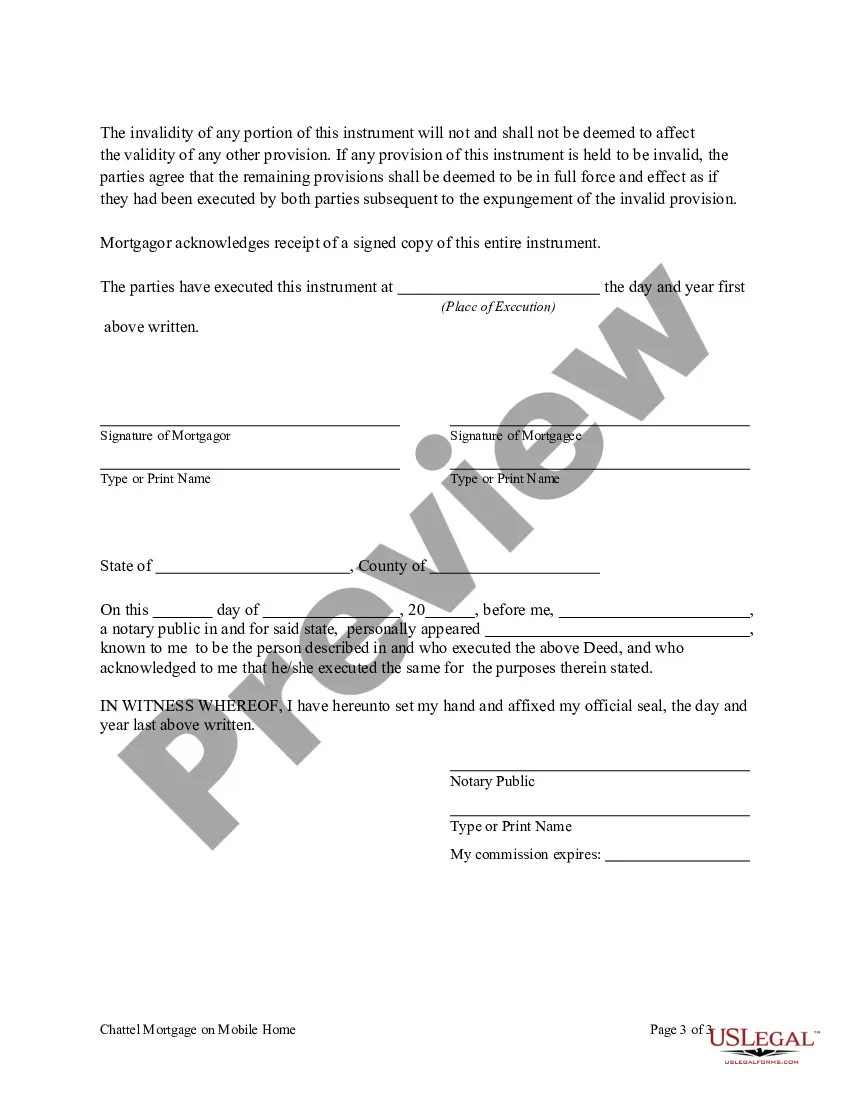
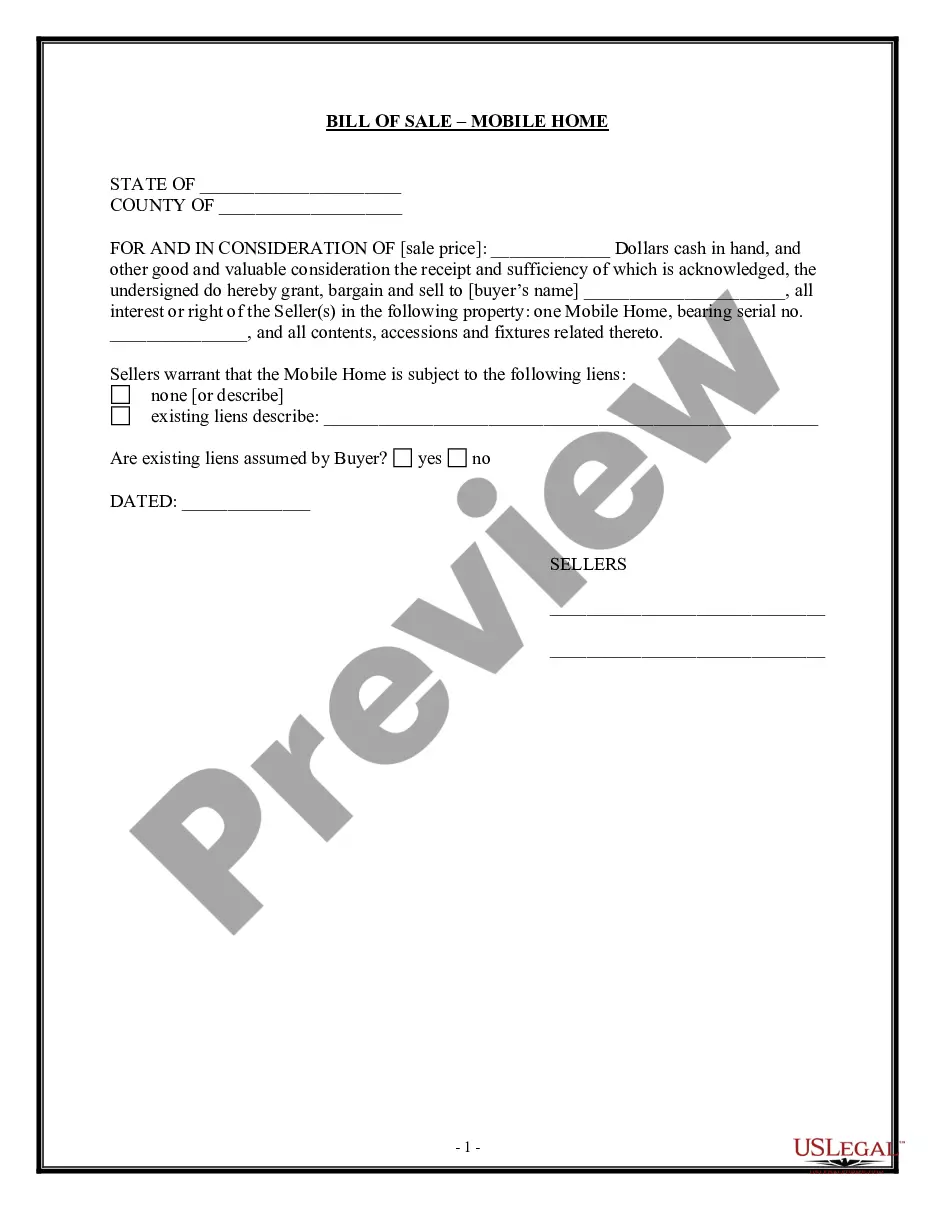
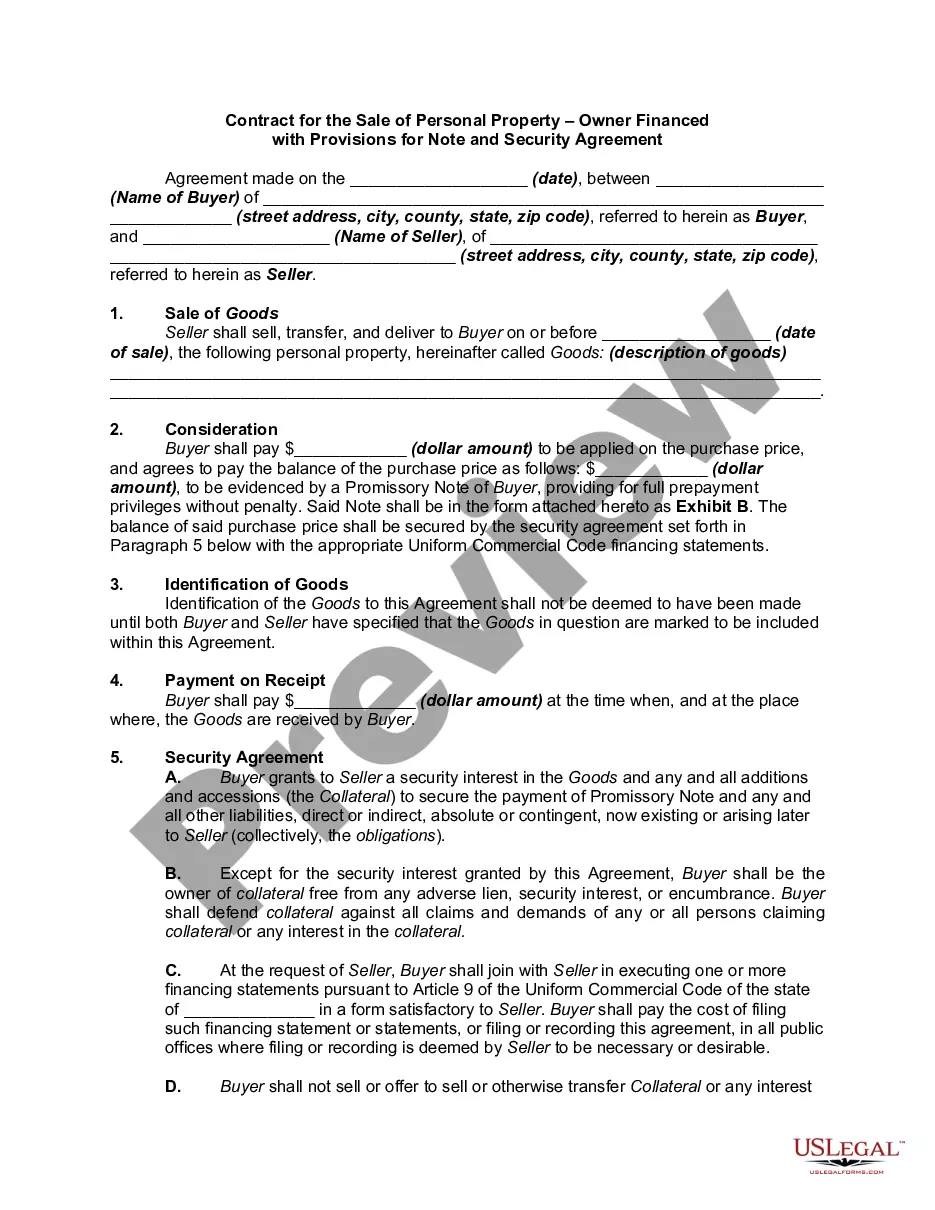
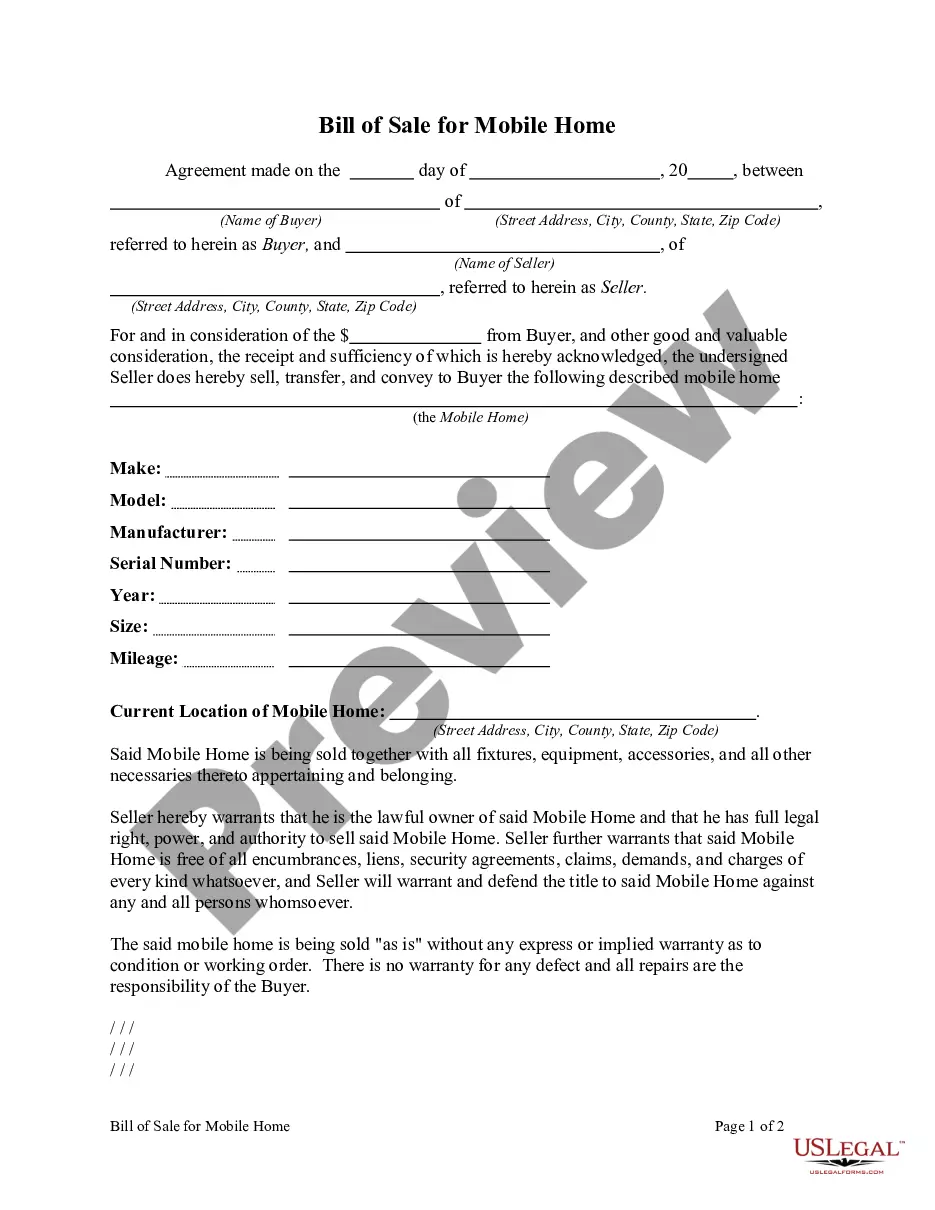
Get your form ready online
Our built-in tools help you complete, sign, share, and store your documents in one place.
Make edits, fill in missing information, and update formatting in US Legal Forms—just like you would in MS Word.
Download a copy, print it, send it by email, or mail it via USPS—whatever works best for your next step.
Sign and collect signatures with our SignNow integration. Send to multiple recipients, set reminders, and more. Go Premium to unlock E-Sign.
If this form requires notarization, complete it online through a secure video call—no need to meet a notary in person or wait for an appointment.
We protect your documents and personal data by following strict security and privacy standards.

Make edits, fill in missing information, and update formatting in US Legal Forms—just like you would in MS Word.

Download a copy, print it, send it by email, or mail it via USPS—whatever works best for your next step.

Sign and collect signatures with our SignNow integration. Send to multiple recipients, set reminders, and more. Go Premium to unlock E-Sign.

If this form requires notarization, complete it online through a secure video call—no need to meet a notary in person or wait for an appointment.

We protect your documents and personal data by following strict security and privacy standards.
Looking for another form?
Form popularity
FAQ
Chattel paper is an asset type over which an entity can grant a security interest under Article 9 of the UCC. For more information on security interests in chattel paper, see Practice Note, UCC Creation, Perfection, and Priority of Security Interests.
This fine work, written by one of the reporters for article 9, may become the appropriate starting place for anyone with an article 9 problem. "'Chattel paper' means a writing or writings which evidence both a mone- tary obligation and a security interest in or a lease of specific goods." UCC § 9-105 (1) (b).
Chattel paper refers to a document used in secured transactions to sell property on credit while retaining some interest in the property.
Tangible chattel paper is sometimes delivered to the assignee, and sometimes left in the hands of the assignor for collection. Subsection (a) allows the assignee to perfect its security interest by filing in the latter case. Alternatively, the assignee may perfect by taking possession.
How long does a UCC filing last? A UCC-1 filing is good for five years. After five years, it is considered lapsed and no longer valid.
Typically, states require that UCCs be renewed every 5 years; as such, recipients that have recorded UCC documentation for property with a BTOP useful life of more than 5 years will need to file a renewal of that documentation.
Under Section 9‐515(a), a filed financing statement is effective for 5 years after the date of filing. The secured party may extend the effectiveness of the financing statement for additional 5‐year periods by filing a continuation statement within 6 months before the lapse date of each 5‐year period.
UCC - Frequently Asked Questions - UCC-1 and UCC-3. Most filings last for five (5) years from the date of filing. Filings for a debtor that is a transmitting utility have no expiration date. Manufactured Home filings last 30 years from the date of filing – appropriate box must be marked.
Currently, every U.S. state and the District of Columbia have individually adopted at least part of the UCC.
