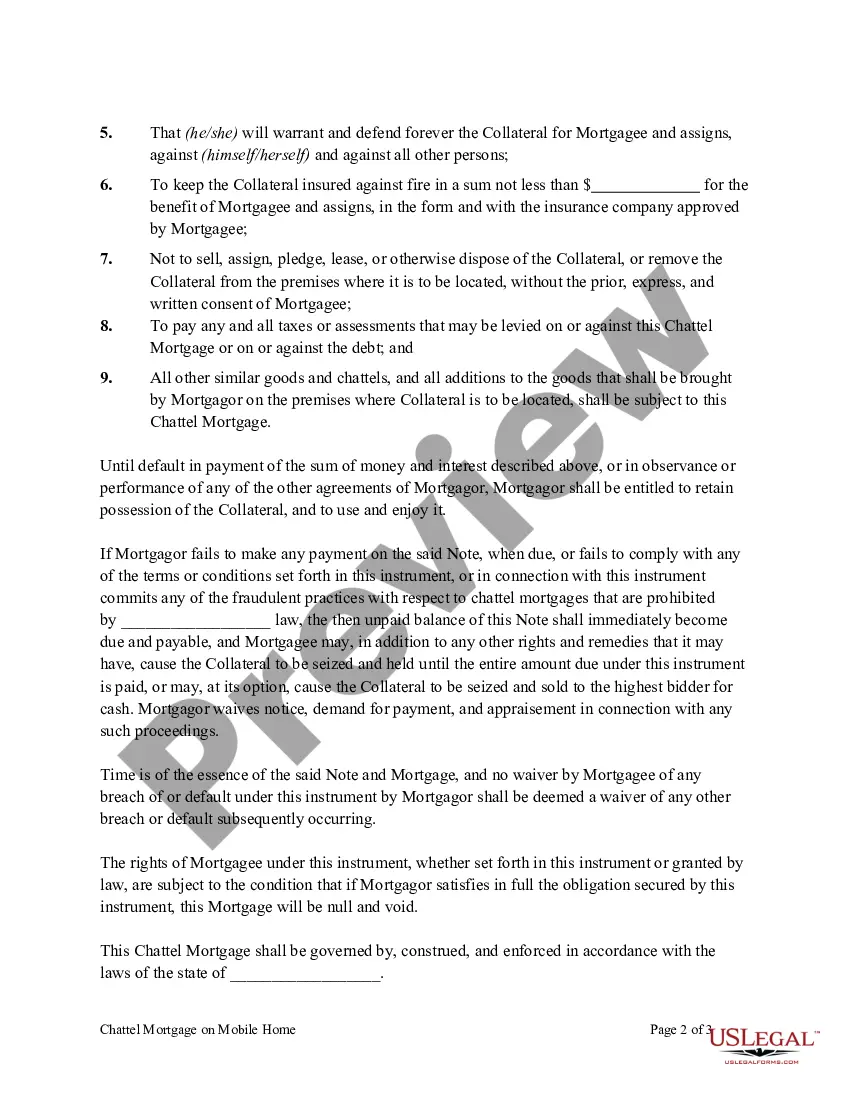
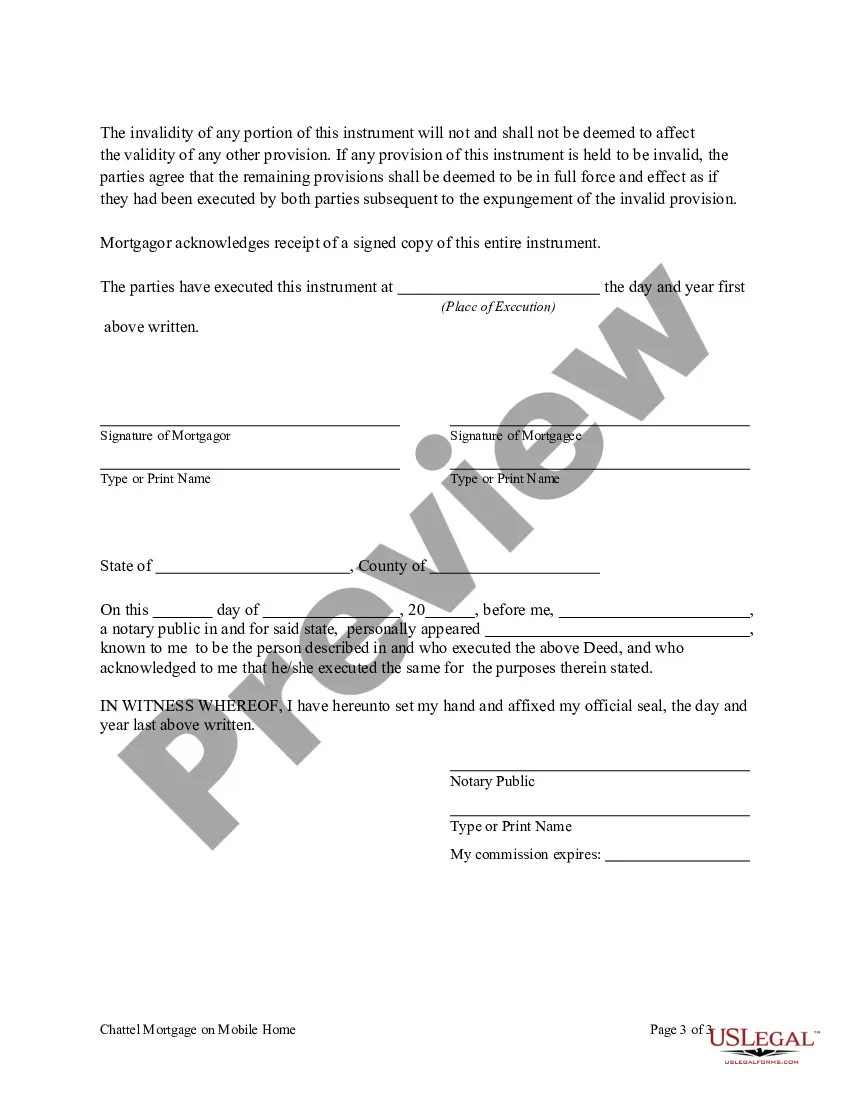
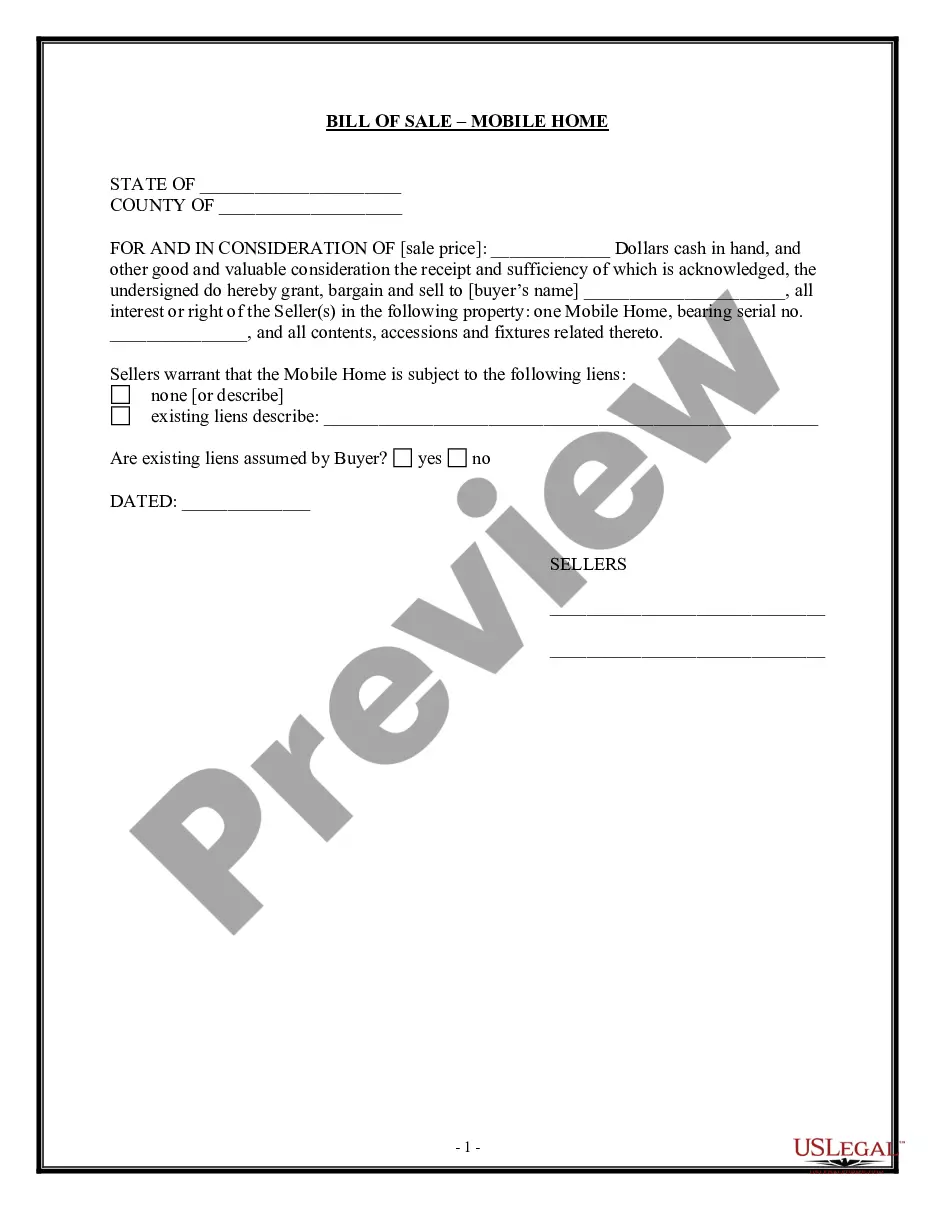
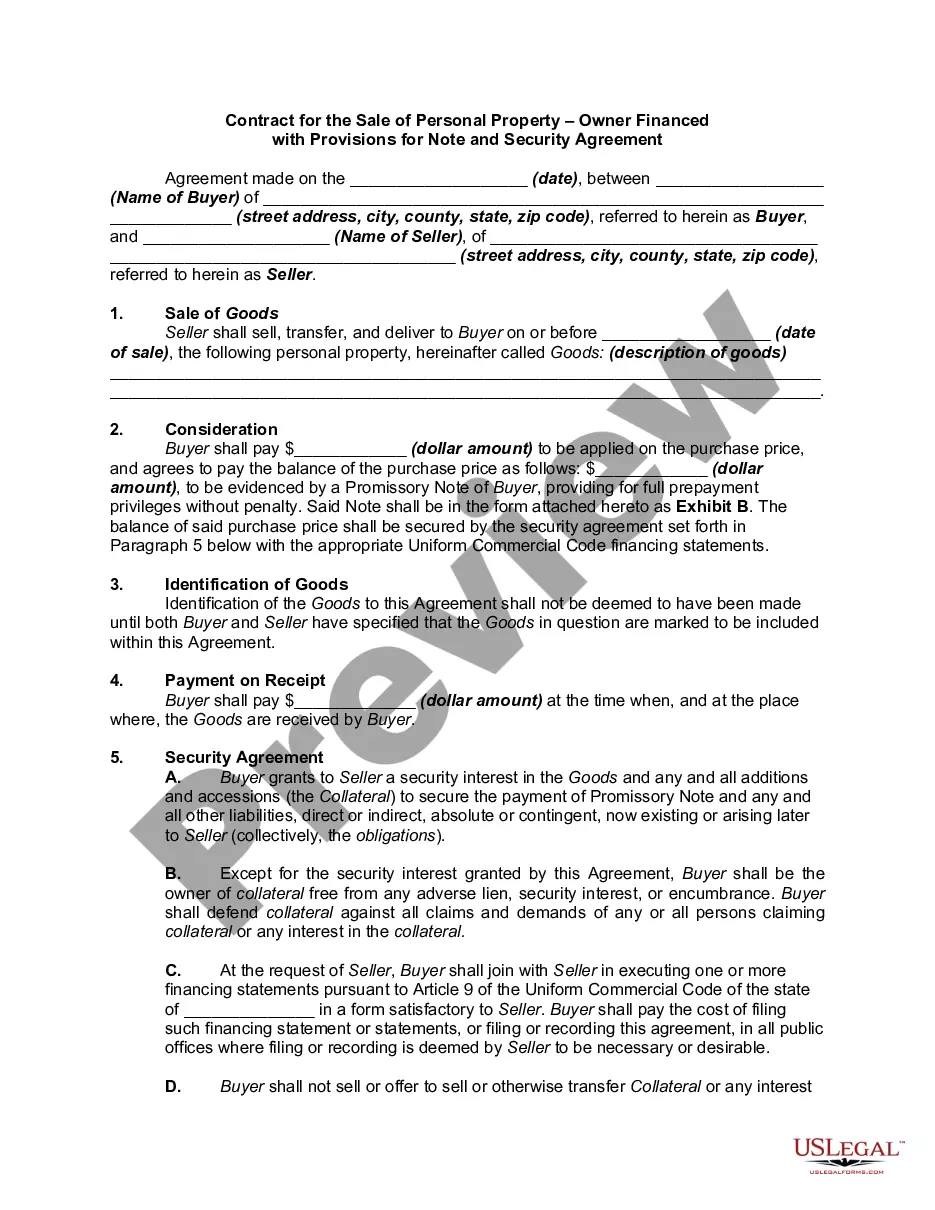
Chattel Mortgage Form Foreclose In Washington
Description

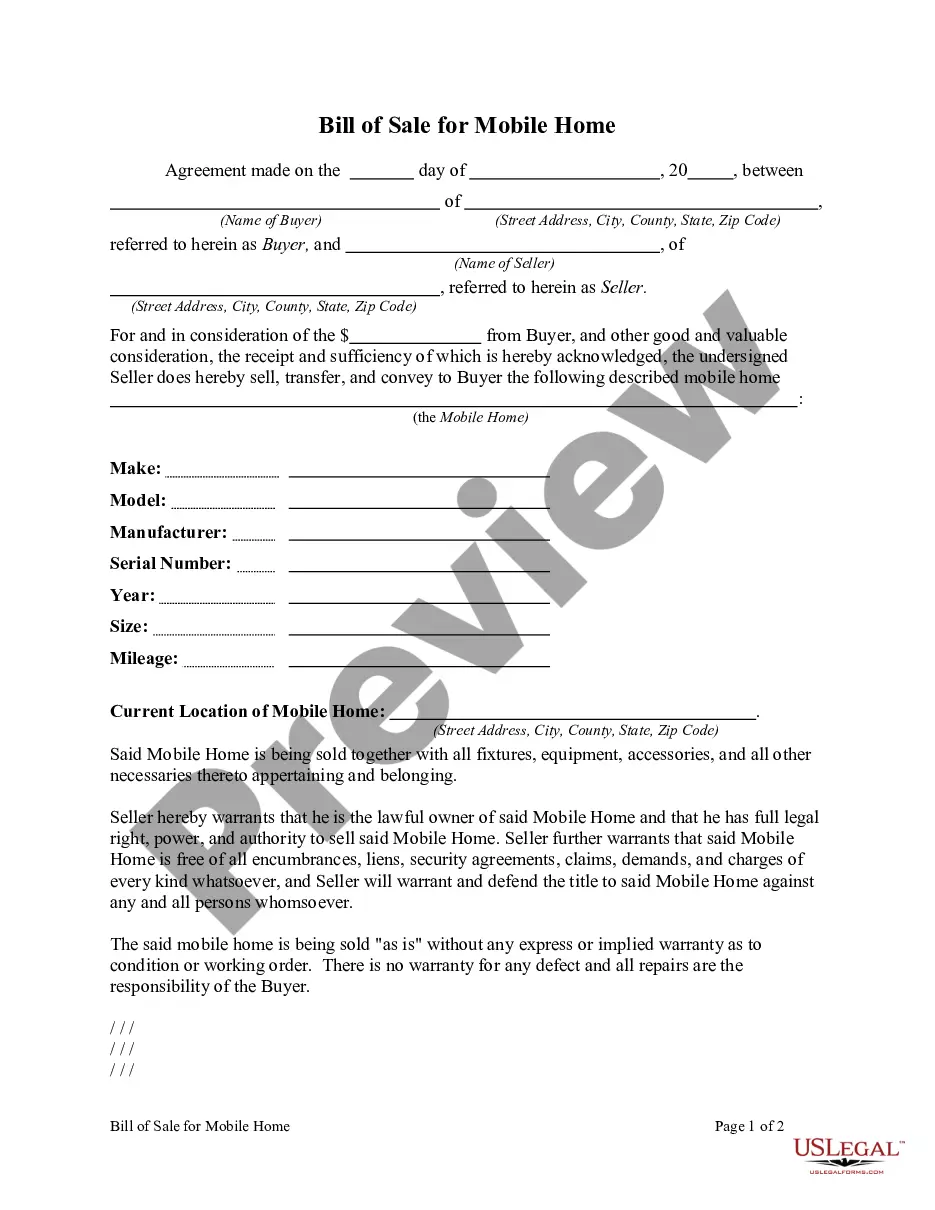
Get your form ready online
Our built-in tools help you complete, sign, share, and store your documents in one place.
Make edits, fill in missing information, and update formatting in US Legal Forms—just like you would in MS Word.
Download a copy, print it, send it by email, or mail it via USPS—whatever works best for your next step.
Sign and collect signatures with our SignNow integration. Send to multiple recipients, set reminders, and more. Go Premium to unlock E-Sign.
If this form requires notarization, complete it online through a secure video call—no need to meet a notary in person or wait for an appointment.
We protect your documents and personal data by following strict security and privacy standards.

Make edits, fill in missing information, and update formatting in US Legal Forms—just like you would in MS Word.

Download a copy, print it, send it by email, or mail it via USPS—whatever works best for your next step.

Sign and collect signatures with our SignNow integration. Send to multiple recipients, set reminders, and more. Go Premium to unlock E-Sign.

If this form requires notarization, complete it online through a secure video call—no need to meet a notary in person or wait for an appointment.

We protect your documents and personal data by following strict security and privacy standards.
Looking for another form?

Form popularity
FAQ
A party seeking disbursement of the surplus funds shall file a motion requesting disbursement in the superior court for the county in which the surplus funds are deposited. Notice of the motion shall be personally served upon, or mailed in the manner specified in RCW 61.24.
The required documents include: (a) A completed Vehicle/Vessel Chattel Lien Sale Affidavit form provided or approved by the department; and (b) A certified copy of the lien filing that is filed with the county auditor; and (c) A copy of the letter(s) sent by the lien applicant via first class mail, and certified or ...
Generally you do not need a lawyer to place a lien on someone's property. However, you should check your local laws. In some states, if you place a lien on someone's property without cause, you can be sued by that person for slander of title.
Under federal law, the servicer usually can't officially begin a foreclosure until you're more than 120 days past due on payments, subject to a few exceptions. (12 C.F.R. § 1024.41 (2024).) This 120-day period provides most homeowners ample opportunity to submit a loss mitigation application to the servicer.
In some states, the borrower can redeem the home within a specific amount of time after the foreclosure. In Washington, however, the borrower doesn't get a redemption period following a nonjudicial foreclosure.
The right of redemption gives mortgagors the opportunity to reclaim their property and stop a foreclosure sale from happening, or, in some cases, even repurchase their property after a sale has occurred.
The actual amount of time that it takes for a foreclosure to start is up to the lender, but most lenders are going to wait at least 90 days -— or the time it takes for three missed payments to add up -— before they start the lawsuit.
093 et seq., the judgment debtor or any redemptioner may redeem the property from the purchaser at any time (a) within eight months after the date of the sale if the sale is pursuant to judgment and decree of foreclosure of any mortgage executed after June 30, 1961, which mortgage declares in its terms that the ...
