Admission Letter For Form One In Fairfax
Description
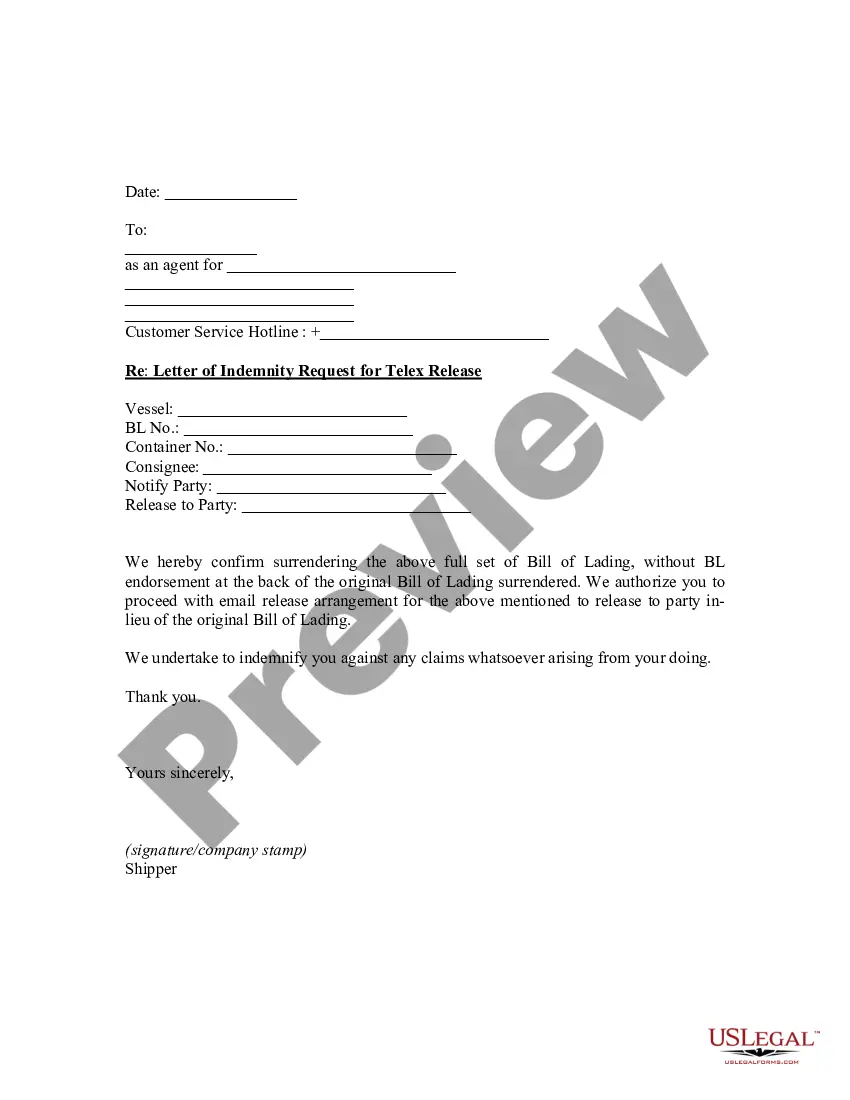
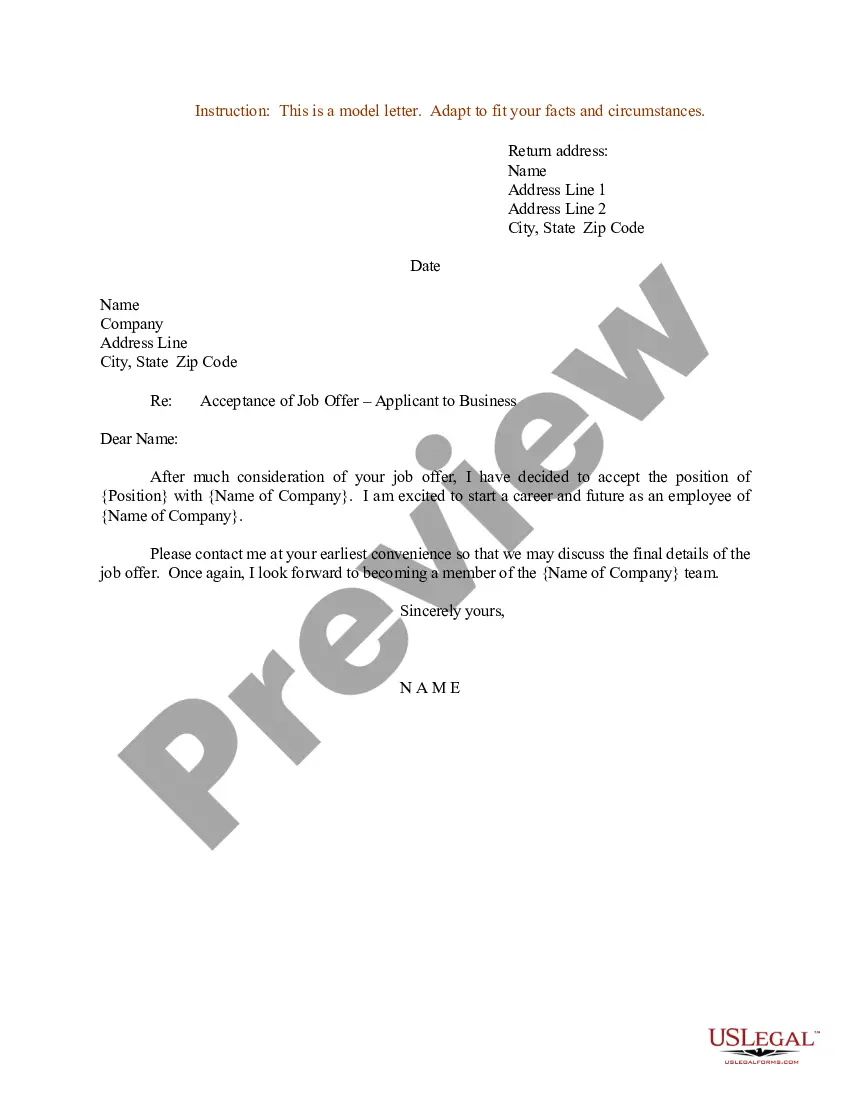
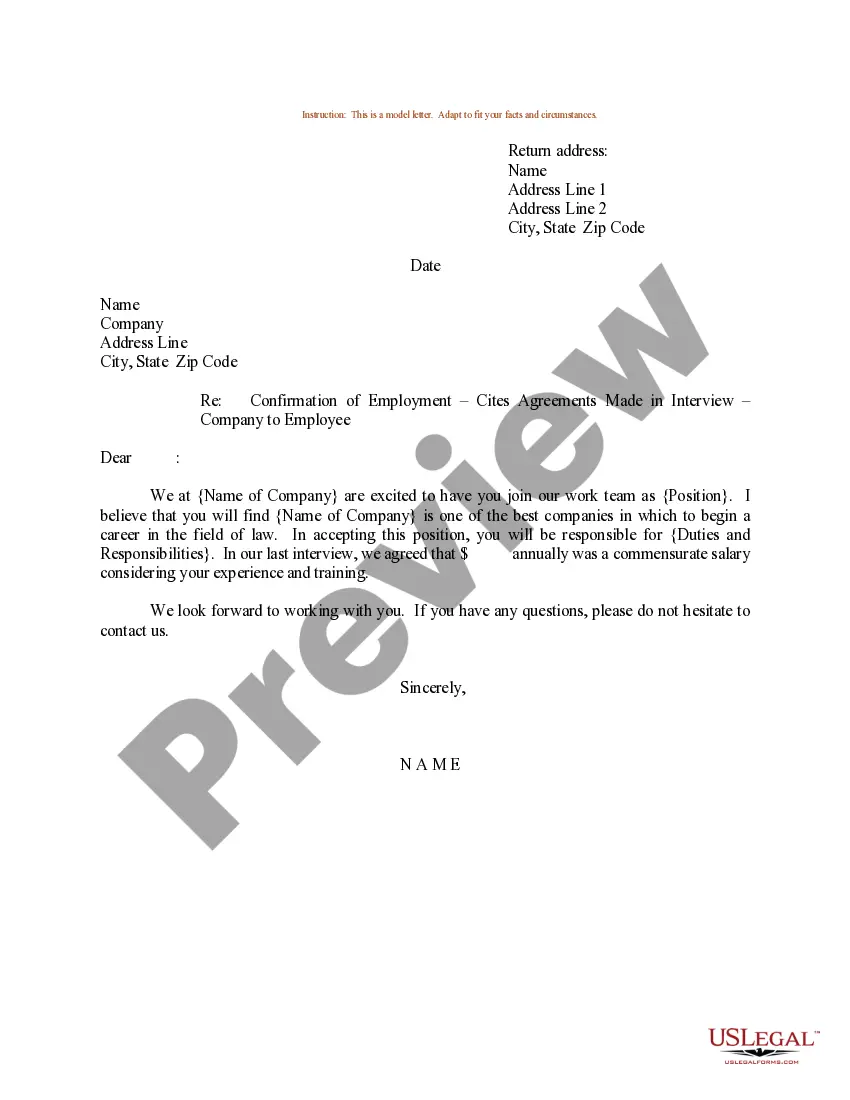
Get your form ready online
Our built-in tools help you complete, sign, share, and store your documents in one place.
Make edits, fill in missing information, and update formatting in US Legal Forms—just like you would in MS Word.
Download a copy, print it, send it by email, or mail it via USPS—whatever works best for your next step.
Sign and collect signatures with our SignNow integration. Send to multiple recipients, set reminders, and more. Go Premium to unlock E-Sign.
If this form requires notarization, complete it online through a secure video call—no need to meet a notary in person or wait for an appointment.
We protect your documents and personal data by following strict security and privacy standards.

Make edits, fill in missing information, and update formatting in US Legal Forms—just like you would in MS Word.

Download a copy, print it, send it by email, or mail it via USPS—whatever works best for your next step.

Sign and collect signatures with our SignNow integration. Send to multiple recipients, set reminders, and more. Go Premium to unlock E-Sign.

If this form requires notarization, complete it online through a secure video call—no need to meet a notary in person or wait for an appointment.

We protect your documents and personal data by following strict security and privacy standards.
Looking for another form?


Form popularity
FAQ
The Virginia 19th Judicial Circuit is a circuit court in Virginia. It is home to the Fairfax Circuit Court, which serves Fairfax County and the City of Fairfax.
Proof of Residency in Fairfax County Deed of parent's house. Lease agreement in parent's name signed by rental management office. A resident manager's letter with company letterhead stating residence of parent.
The Fairfax Circuit Court (19th Judicial Circuit) is the trial court of general jurisdiction and is the largest trial court in Virginia, composed of fifteen full-time trial judges.
Chris Falcon, clerk of the Fairfax County Circuit Court, is transforming how residents access court services through technology and community outreach.
Children who will be 5 years old by September 30 of a given year are eligible to enter kindergarten. By the previous March, families should determine the school that their child will attend and contact the school to make arrangements for enrollment.
Virginia's compulsory attendance law (§22.1-254, subsection A) states that all children who are 5 years old on or before September 30 of the school year must attend school. This could include public school, private school, a public or private preschool program, a private tutor, or home instruction.
Virginia law states that parents must ensure a child attends school, if he or she will be five years old on or before September 30. However, if, in your opinion as a parent, your child is not mentally, physically, or emotionally prepared to attend school, he or she may be exempted for that year.
PreK is a full-day program that primarily serves income-eligible children who are four years old by September 30. There are limited spaces available in select schools for children who are three years old by September 30.
StateCompulsory school ageKindergarten entrance age California 6 5 on or before 9/1 Colorado 6 5 on or before 10/1 Connecticut 5 5 on or before 1/1 Delaware 5 5 on or before 8/3159 more rows

