Letter Offer To Purchase Property In Massachusetts
Description

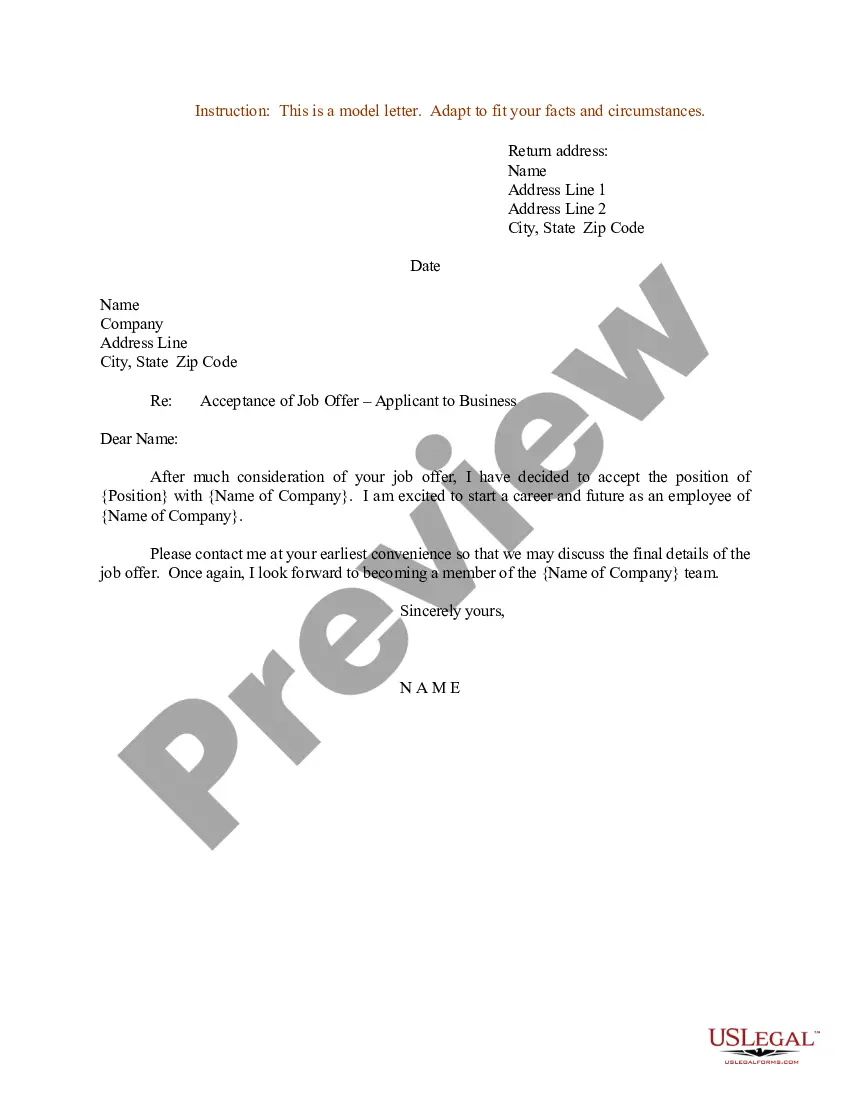
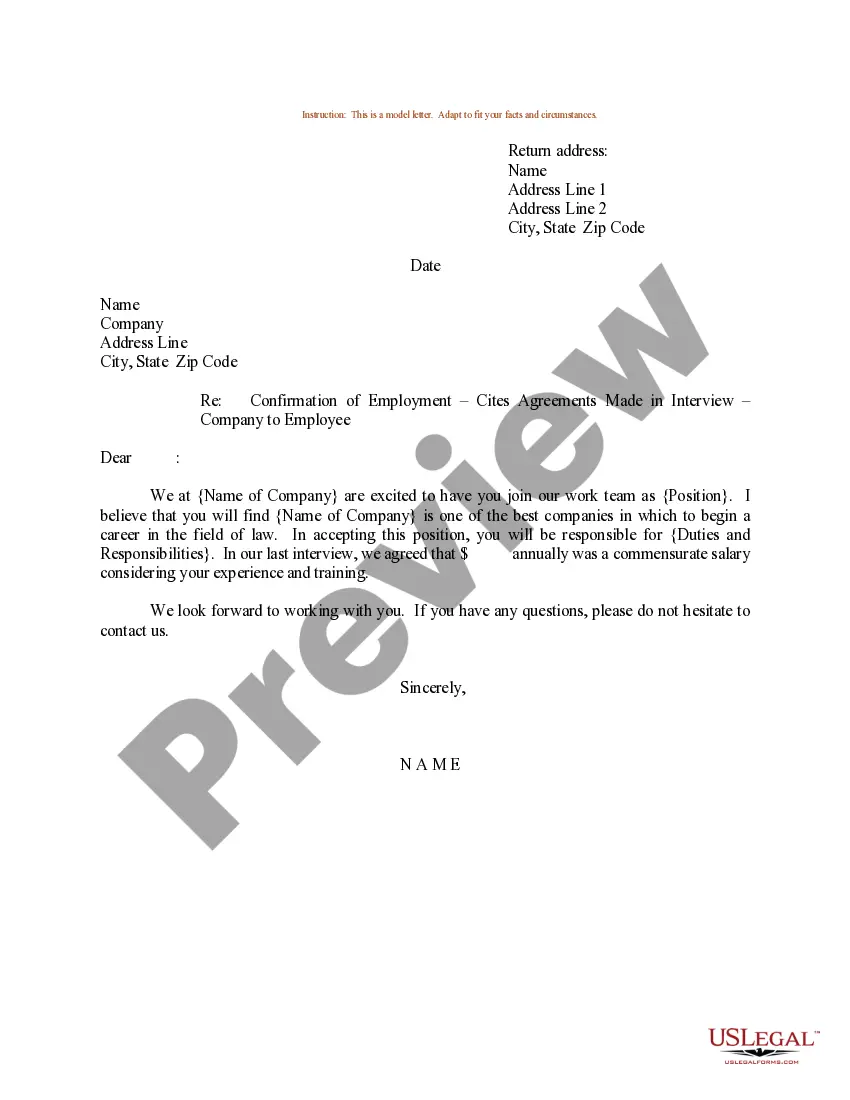
Get your form ready online
Our built-in tools help you complete, sign, share, and store your documents in one place.
Make edits, fill in missing information, and update formatting in US Legal Forms—just like you would in MS Word.
Download a copy, print it, send it by email, or mail it via USPS—whatever works best for your next step.
Sign and collect signatures with our SignNow integration. Send to multiple recipients, set reminders, and more. Go Premium to unlock E-Sign.
If this form requires notarization, complete it online through a secure video call—no need to meet a notary in person or wait for an appointment.
We protect your documents and personal data by following strict security and privacy standards.

Make edits, fill in missing information, and update formatting in US Legal Forms—just like you would in MS Word.

Download a copy, print it, send it by email, or mail it via USPS—whatever works best for your next step.

Sign and collect signatures with our SignNow integration. Send to multiple recipients, set reminders, and more. Go Premium to unlock E-Sign.

If this form requires notarization, complete it online through a secure video call—no need to meet a notary in person or wait for an appointment.

We protect your documents and personal data by following strict security and privacy standards.
Looking for another form?
Form popularity
FAQ
A signed offer letter can serve as a contract, but many offer letters include language giving the employer the right to modify terms. While specific promises made by the employer are not the same as an employment contract, they may be enforced under certain limited circumstances if you reasonably relied on them.
Tips For Writing An Offer Letter For a House Confirm You Can Submit A Letter. Address The Seller(s) By Name And Introduce Yourself. Highlight What You Like Best About The House. Keep It Short. Avoid Talking About Planned Changes To The House. Don't Talk About Financials. End With A Thank You. Proofread Your Letter.
Consider working with a financial advisor as you make the decision to invest in a real estate asset. Address the Seller By Name. Highlight What You Like Most About the Home. Share Something About Yourself. Throw in a Personal Picture. Discuss What You Have in Common. Keep it Short. Close the Letter Appropriately.
A letter can be in violation of fair housing laws. Seller's agents who accept them are opening themselves and the sellers up to lawsuits. If you are prejudiced toward one type of buyer or another, fine - just don't let it get put into writing.
You don't always have to send in an offer letter, but it helps if you think your bid will be lower than those of other prospective buyers. Writing a heartfelt, sincere offer letter could help you stand out from the crowd and sway a buyer. It doesn't need to be verbose or beautifully written, it just needs to be honest.
While a letter of intent is not a legal document and need not be notarized, it is wise to discuss what it should include with a well-informed estate planning attorney before you begin.
You should follow a professional and standard business letter format for your LOI. Include a professional heading with your name, address, contact details, and the date. Organise your letter of intent into clear and concise paragraphs.
Tips For Writing An Offer Letter For a House Confirm You Can Submit A Letter. Address The Seller(s) By Name And Introduce Yourself. Highlight What You Like Best About The House. Keep It Short. Avoid Talking About Planned Changes To The House. Don't Talk About Financials. End With A Thank You. Proofread Your Letter.

