Offer Letter With Terms And Conditions In Minnesota
Description
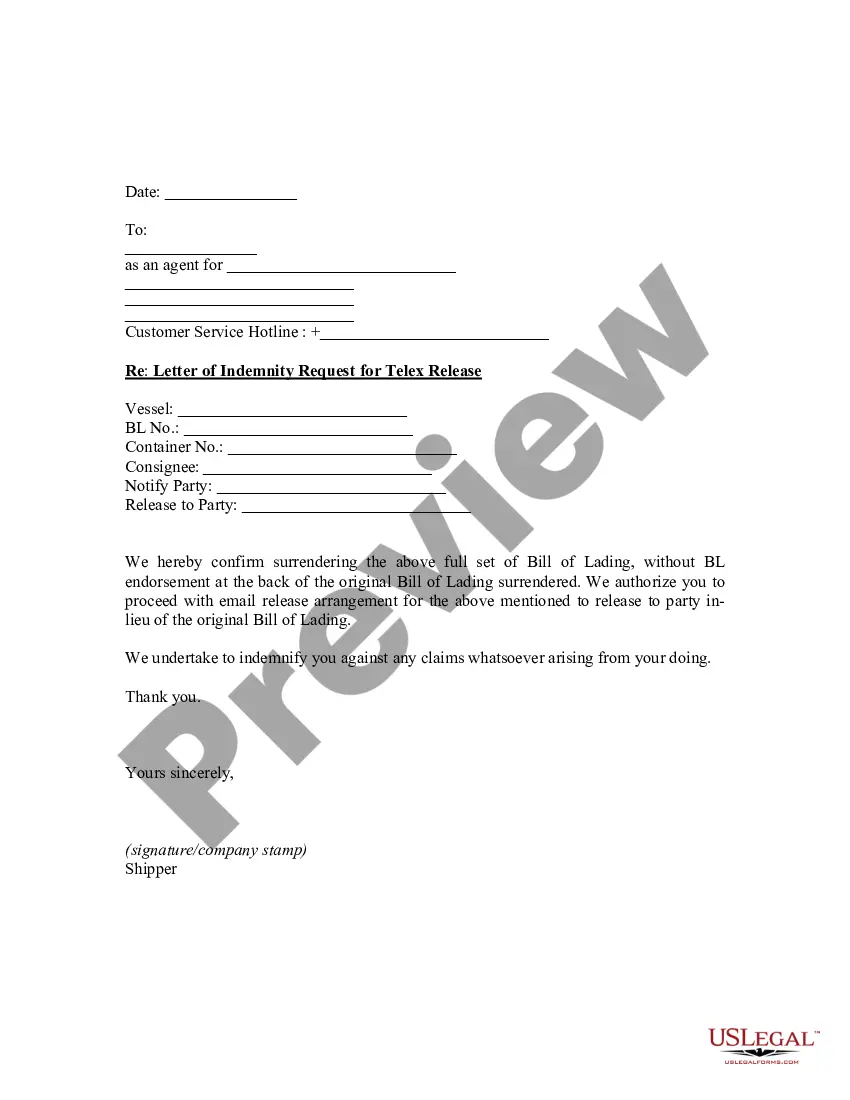
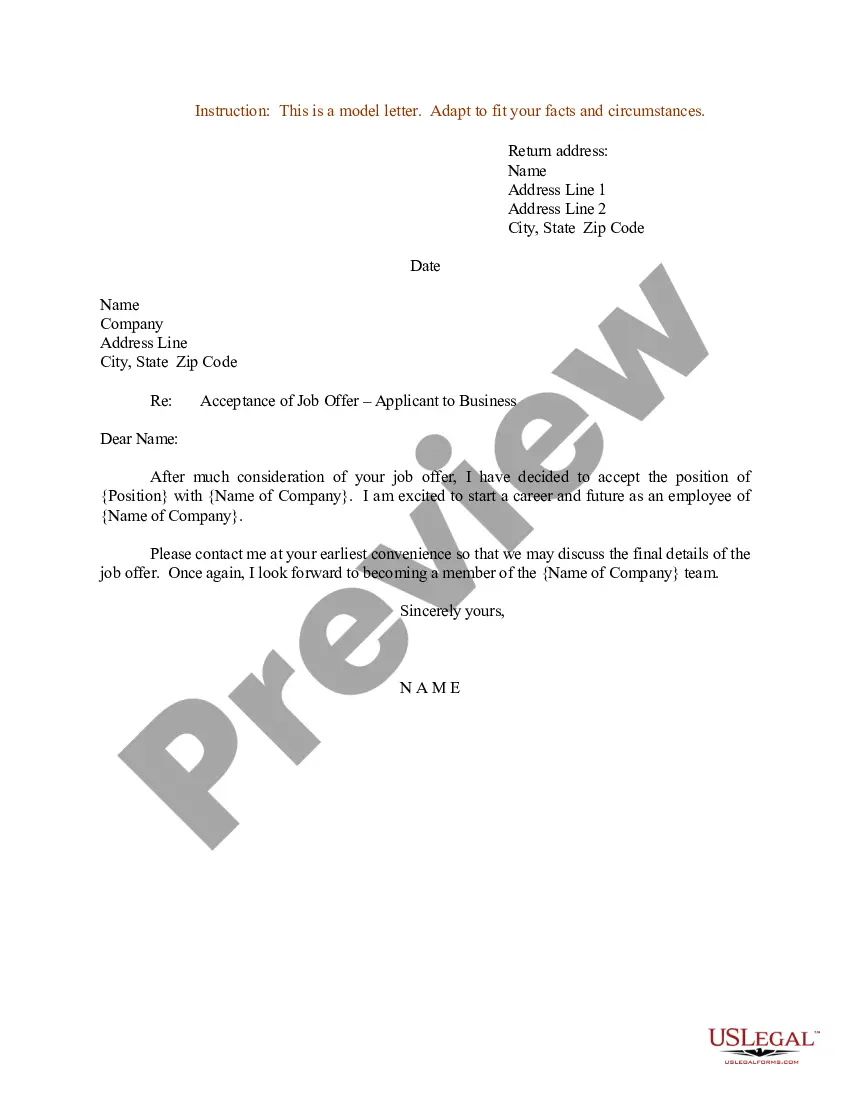
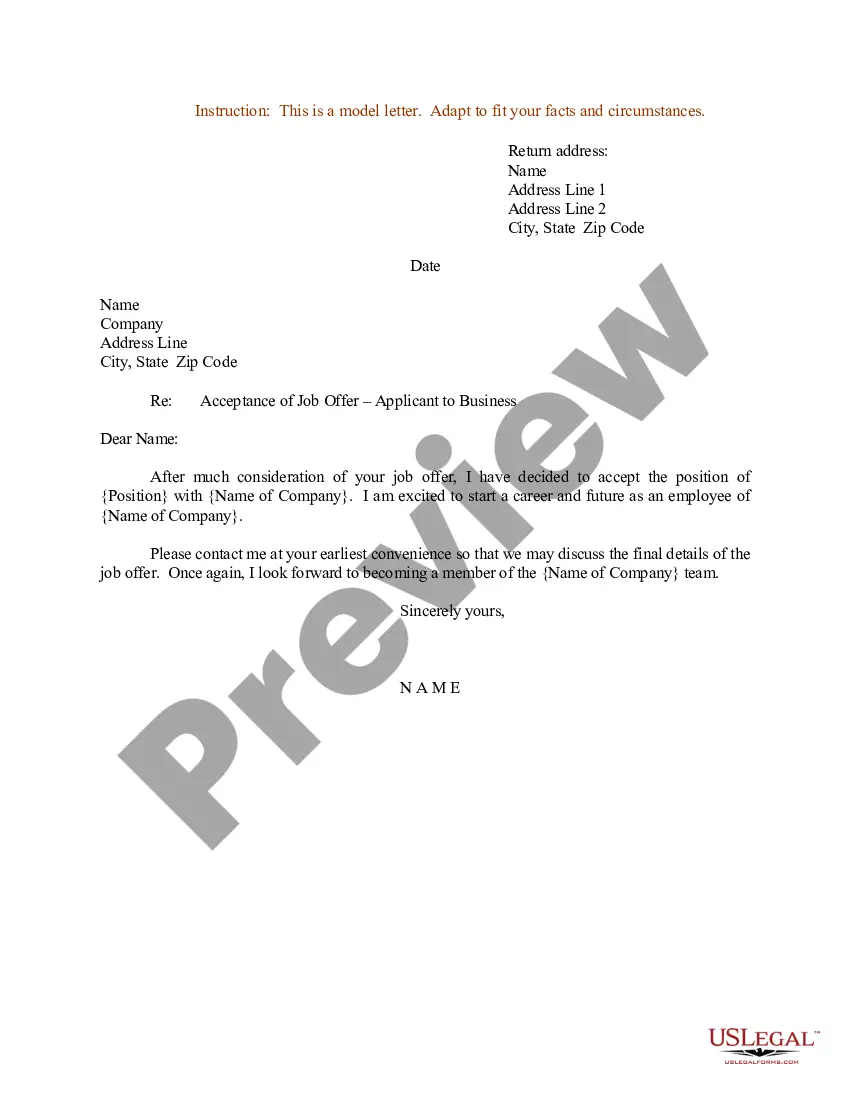
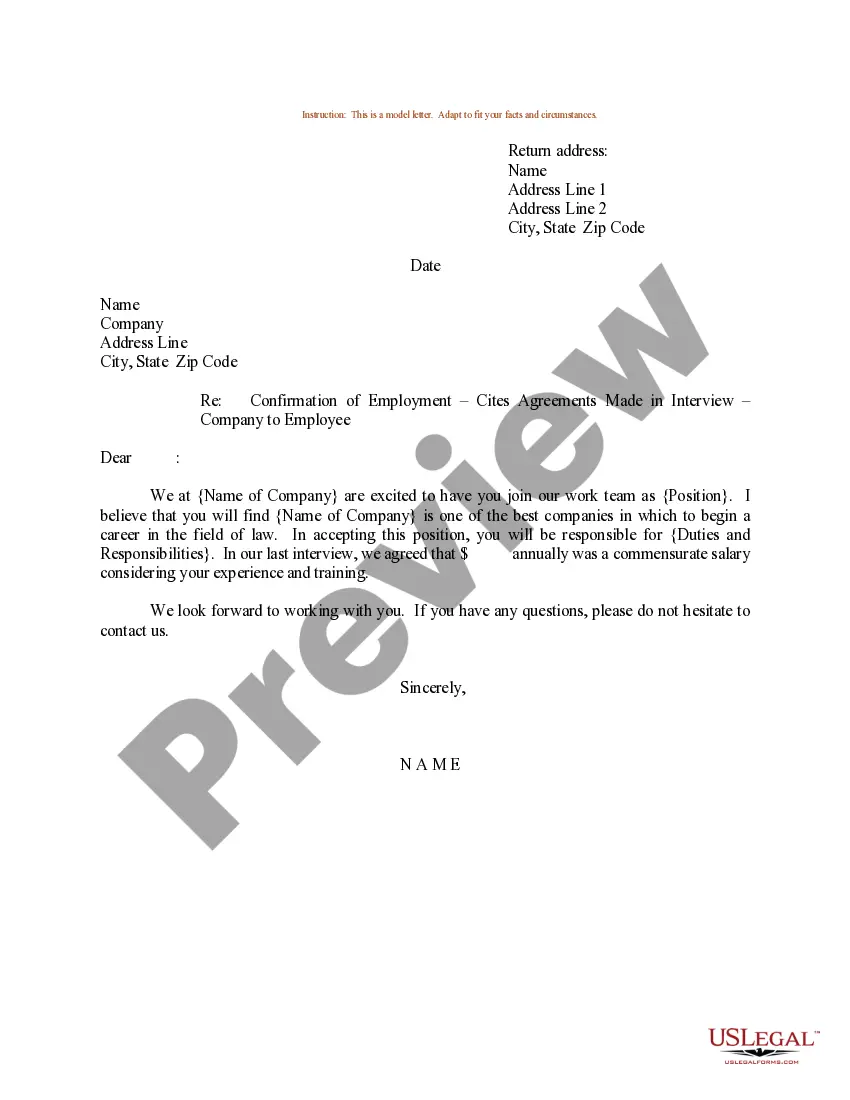
Get your form ready online
Our built-in tools help you complete, sign, share, and store your documents in one place.
Make edits, fill in missing information, and update formatting in US Legal Forms—just like you would in MS Word.
Download a copy, print it, send it by email, or mail it via USPS—whatever works best for your next step.
Sign and collect signatures with our SignNow integration. Send to multiple recipients, set reminders, and more. Go Premium to unlock E-Sign.
If this form requires notarization, complete it online through a secure video call—no need to meet a notary in person or wait for an appointment.
We protect your documents and personal data by following strict security and privacy standards.

Make edits, fill in missing information, and update formatting in US Legal Forms—just like you would in MS Word.

Download a copy, print it, send it by email, or mail it via USPS—whatever works best for your next step.

Sign and collect signatures with our SignNow integration. Send to multiple recipients, set reminders, and more. Go Premium to unlock E-Sign.

If this form requires notarization, complete it online through a secure video call—no need to meet a notary in person or wait for an appointment.

We protect your documents and personal data by following strict security and privacy standards.
Looking for another form?


Form popularity
FAQ
What is included in an offer letter? A job offer letter provides an overview of the job position and company as well as specific job details such as the start rate, remuneration, work schedule, benefits, and more.
To ensure your offer letter or summary of terms of employment satisfies the written agreement requirement in Minnesota, the letter must be in writing and signed by both the employer and employee. It needs to have key terms of the employment, including: The date the agreement was entered into.
A conditional offer of employment should be written like a traditional job offer, with a full description of the job responsibilities, salary, etc. However, it also lays out conditions that must be met in order for the employee to start work.
An employment letter contains a revised version of the offer letter as well as the employer's signature, stamp, and conditions for retention and termination. If the employer doesn't sign the letter, it is not legally binding.
A job offer acceptance letter can be fairly brief, but needs to contain the following: An expression of your gratitude for the job offer and the opportunity. Written formal acceptance of the job offer. The terms and conditions (your salary, job title, and any other benefits) Clarification on your starting date.
An offer letter is generally not considered a legal contract in the traditional sense. It outlines the terms of employment but usually doesn't bind the employee or employer legally, especially in at-will employment scenarios.
Once you agree to the terms in an offer letter by signing it, it becomes binding and official. Your signature shows you're on board with what the employer is offering. It's a simple way of saying both sides are clear on what's being offered and agreed upon.
Unless you're signing a contract of employment or are being given some kind of sign on bonus that needs to be repaid, there is nothing to stop you from accepting a job offer and then backing out.

