Letter Acceptance Job Template With Email In Queens
Description
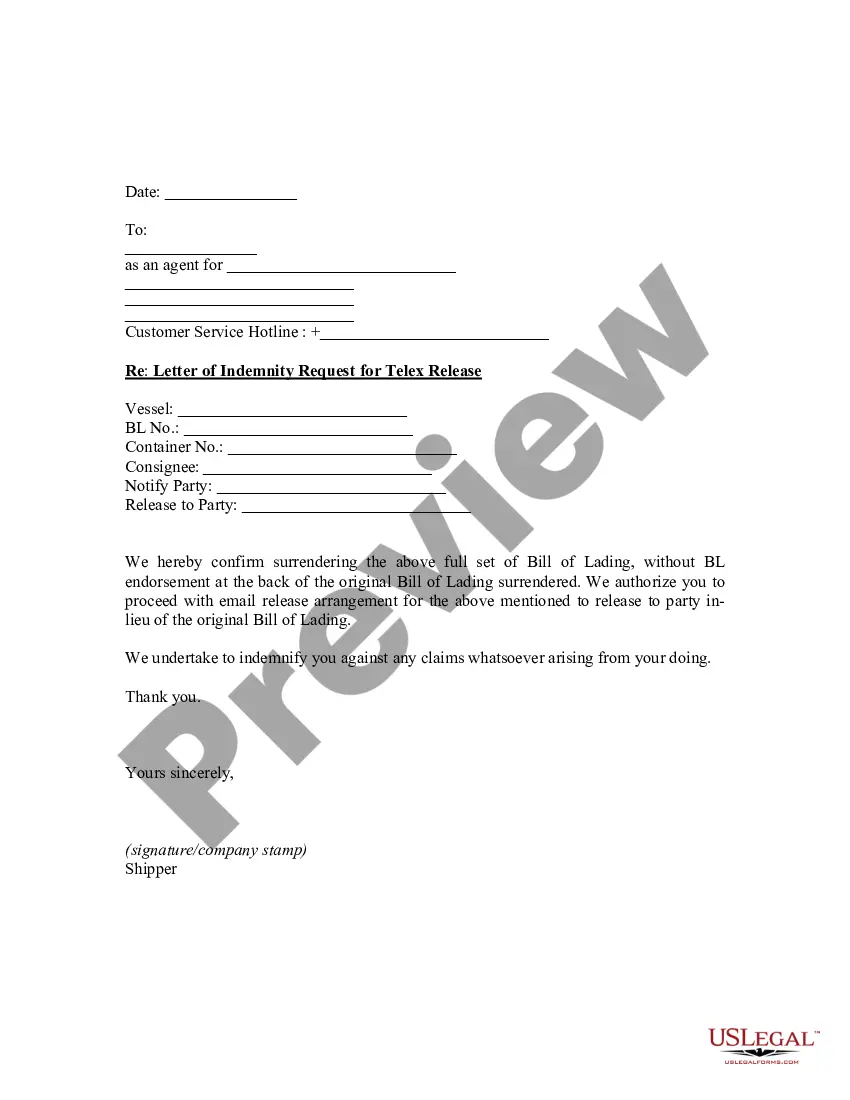
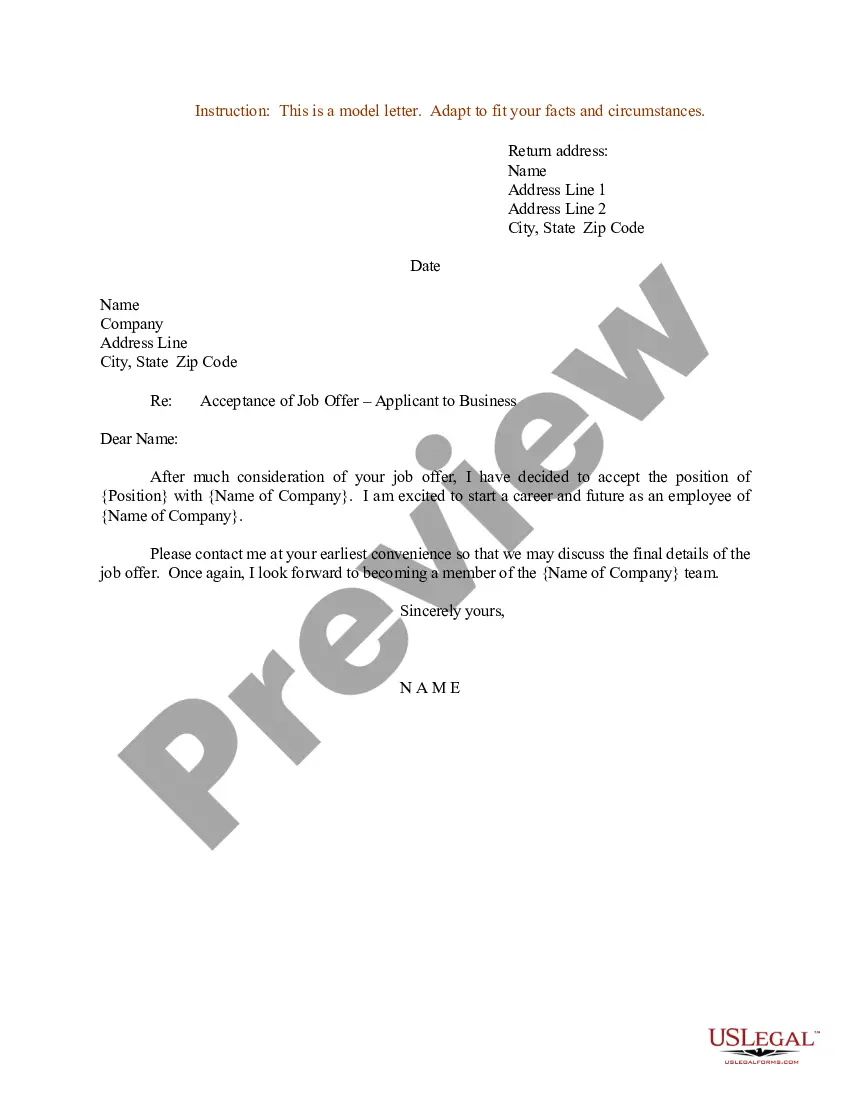
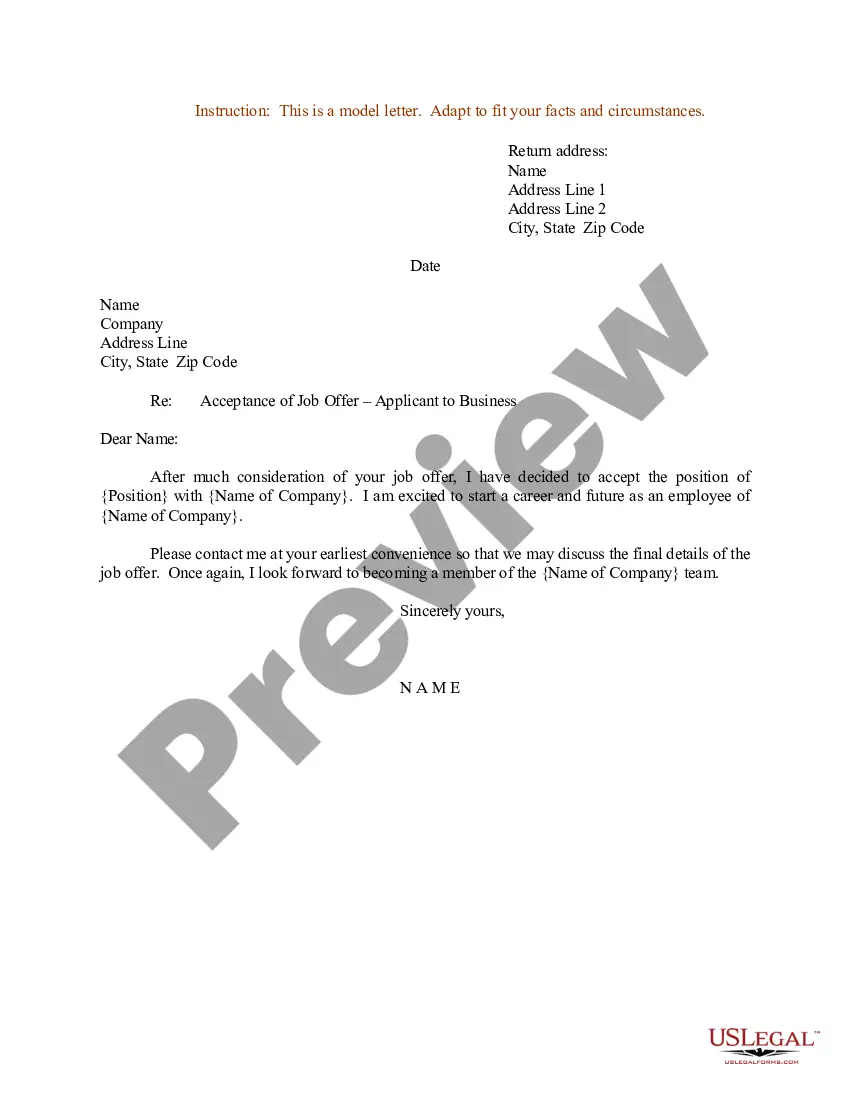
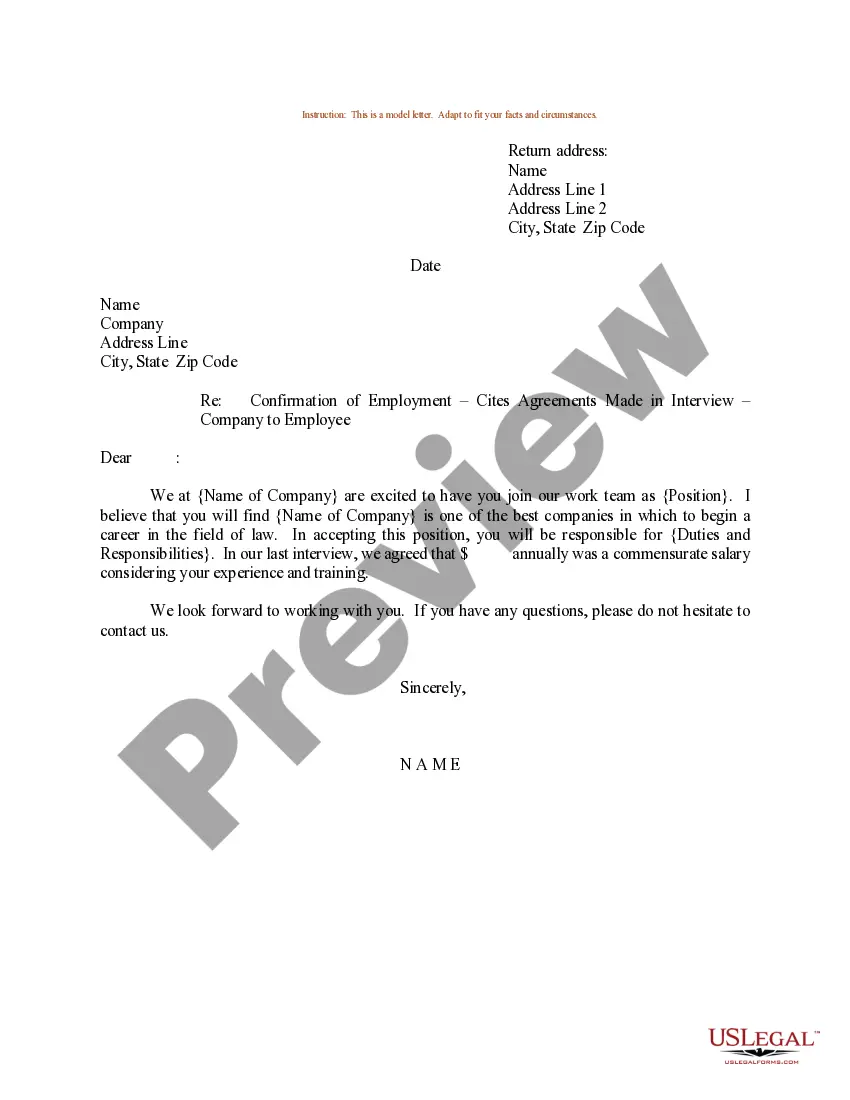
Get your form ready online
Our built-in tools help you complete, sign, share, and store your documents in one place.
Make edits, fill in missing information, and update formatting in US Legal Forms—just like you would in MS Word.
Download a copy, print it, send it by email, or mail it via USPS—whatever works best for your next step.
Sign and collect signatures with our SignNow integration. Send to multiple recipients, set reminders, and more. Go Premium to unlock E-Sign.
If this form requires notarization, complete it online through a secure video call—no need to meet a notary in person or wait for an appointment.
We protect your documents and personal data by following strict security and privacy standards.
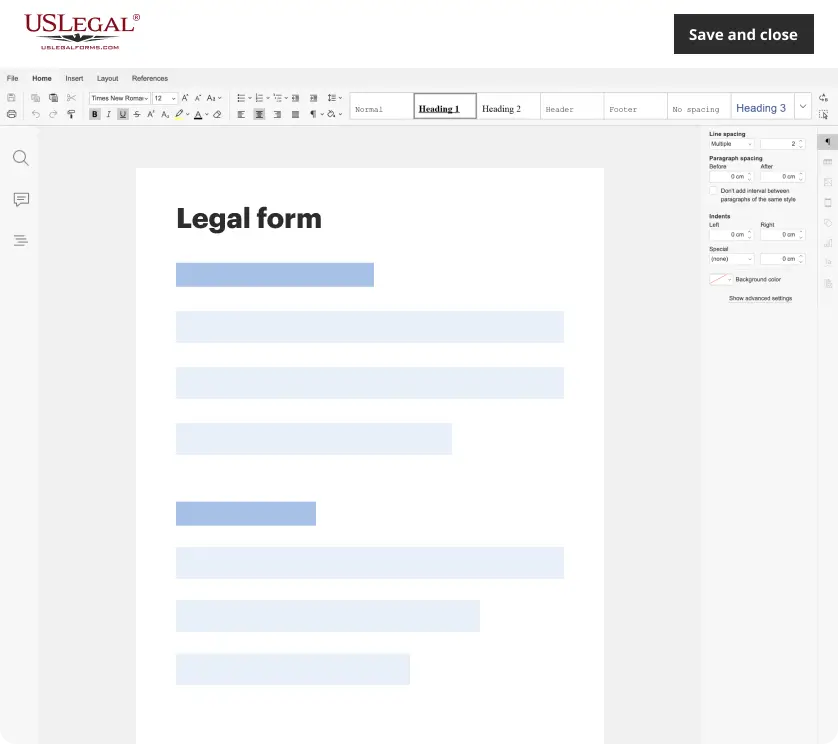
Make edits, fill in missing information, and update formatting in US Legal Forms—just like you would in MS Word.
Download a copy, print it, send it by email, or mail it via USPS—whatever works best for your next step.
Sign and collect signatures with our SignNow integration. Send to multiple recipients, set reminders, and more. Go Premium to unlock E-Sign.
If this form requires notarization, complete it online through a secure video call—no need to meet a notary in person or wait for an appointment.
We protect your documents and personal data by following strict security and privacy standards.
Looking for another form?
Form popularity
FAQ
Offer and acceptance via email Similar to traditional contracts, email agreements require a clear offer and acceptance. The terms of the offer must be sufficiently definite and communicated to the other party. Once the offer is accepted without any modifications, a legally binding agreement is formed.
Most of the time, the court doesn't recognize an employment offer letter as a legally binding document.
While an offer letter is a formal job offer, it is usually considered as an invitation to enter into a contract rather than a binding agreement. On the other hand, employment contracts are legally binding documents that establish the rights and obligations of both parties and are enforceable by law.
Dear (Employer's Name), Thank you for offering me the position of (Job Title) at (Company Name). I am delighted and grateful to accept this offer and I look forward to joining your team. I appreciate the opportunity you have given me to work with such a reputable and respected organization.
How to accept a job offer via e-mail Make sure e-mail is an appropriate way to respond. Write a clear subject line. Address your e-mail to the appropriate party. Thank the recipient for the job offer. State that you accept the terms of employment. Sign your e-mail. Proofread your e-mail.
Yes, an offer (or any other contract) delivered via email is as valid as one sent on paper, and more valid than one delivered verbally.
Dear Mr/Ms {Recipient's Name}, I extend my gratitude to you for offering me the position of {Title} in {Company's name}. I am delighted to accept your offer and look forward to commencing work with your company from {Date}.
Emails can definitely be considered legally binding, but for this to be the case, they need to meet the typical requirements of a contract.
How to write a letter of acceptance Address the letter to the recruiter. Express your gratitude for the offer. Confirm the terms of employment. Format your letter appropriately. Proofread your letter. Send your letter and follow up with the recruiter.
Follow these steps when writing an email to confirm your first day of work: Express your excitement. Start your email by reiterating how exciting you are to start your new job. Confirm your first day. Use this email to confirm the start day you both agreed upon. Ask any additional questions. End with a friendly sign-off.

