Offer Letter With Terms And Conditions In Santa Clara
Description

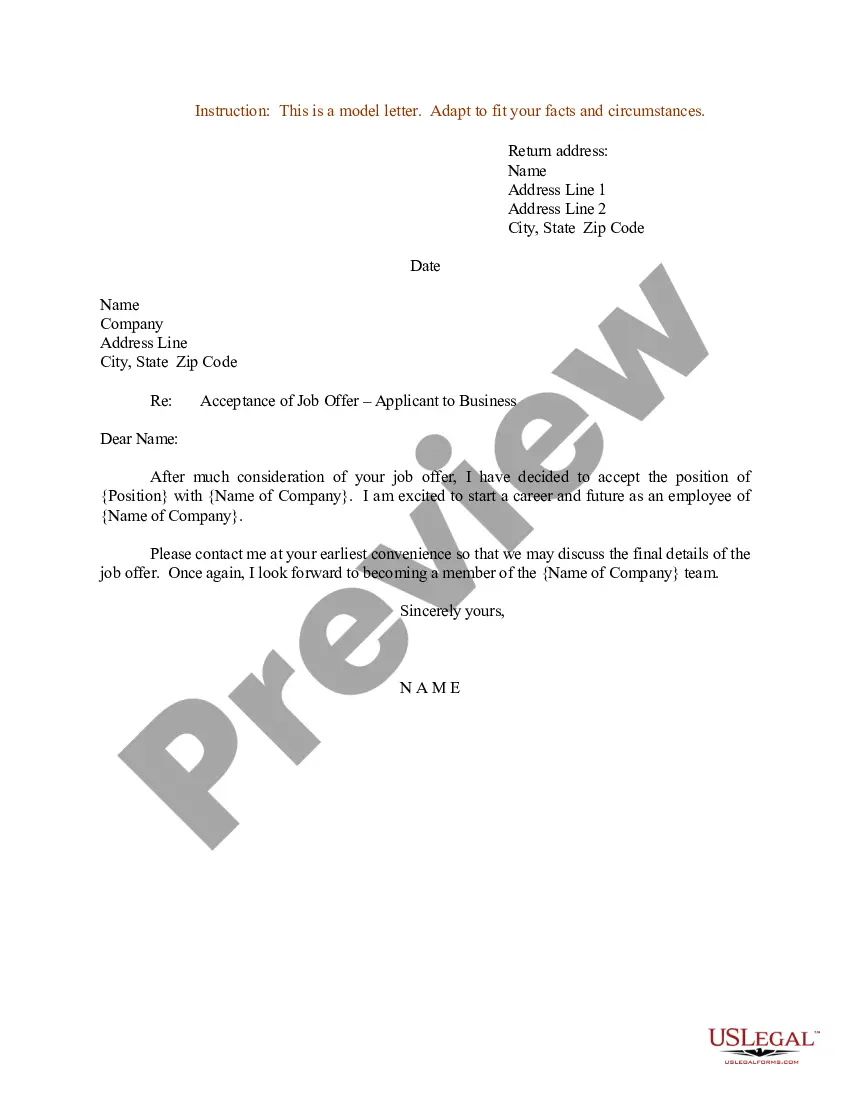
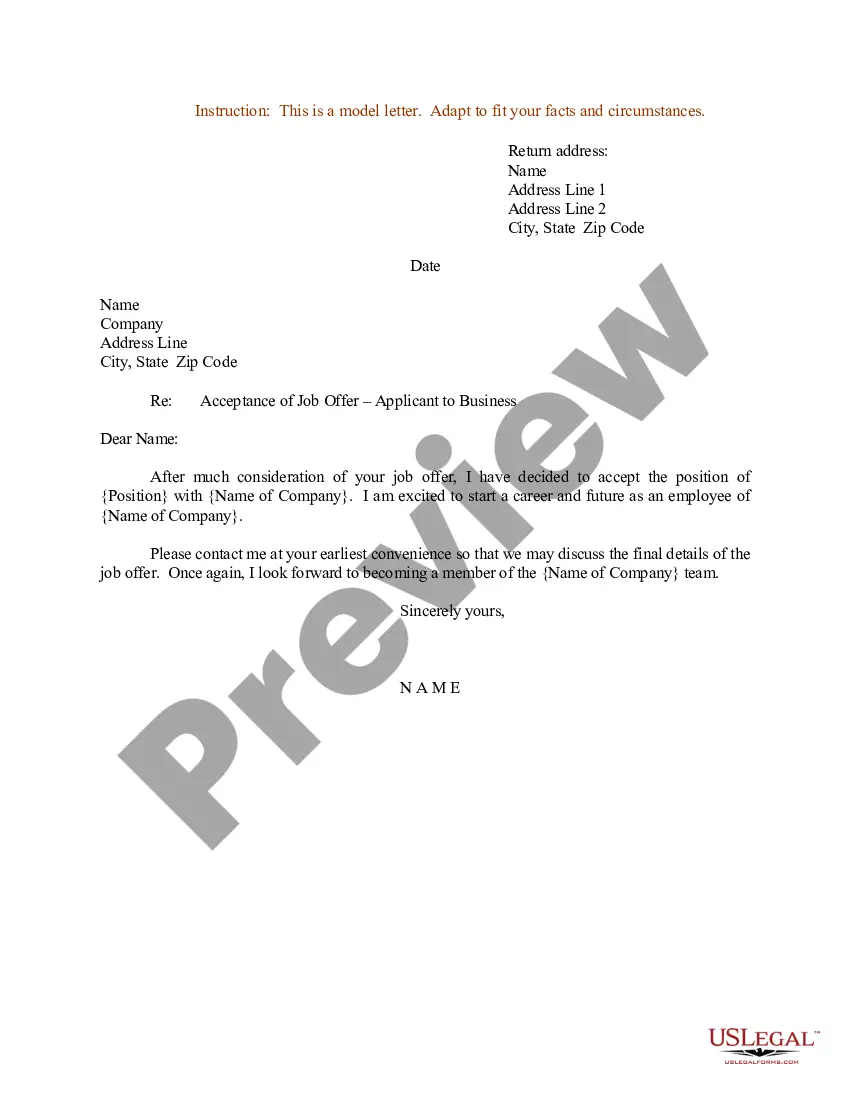
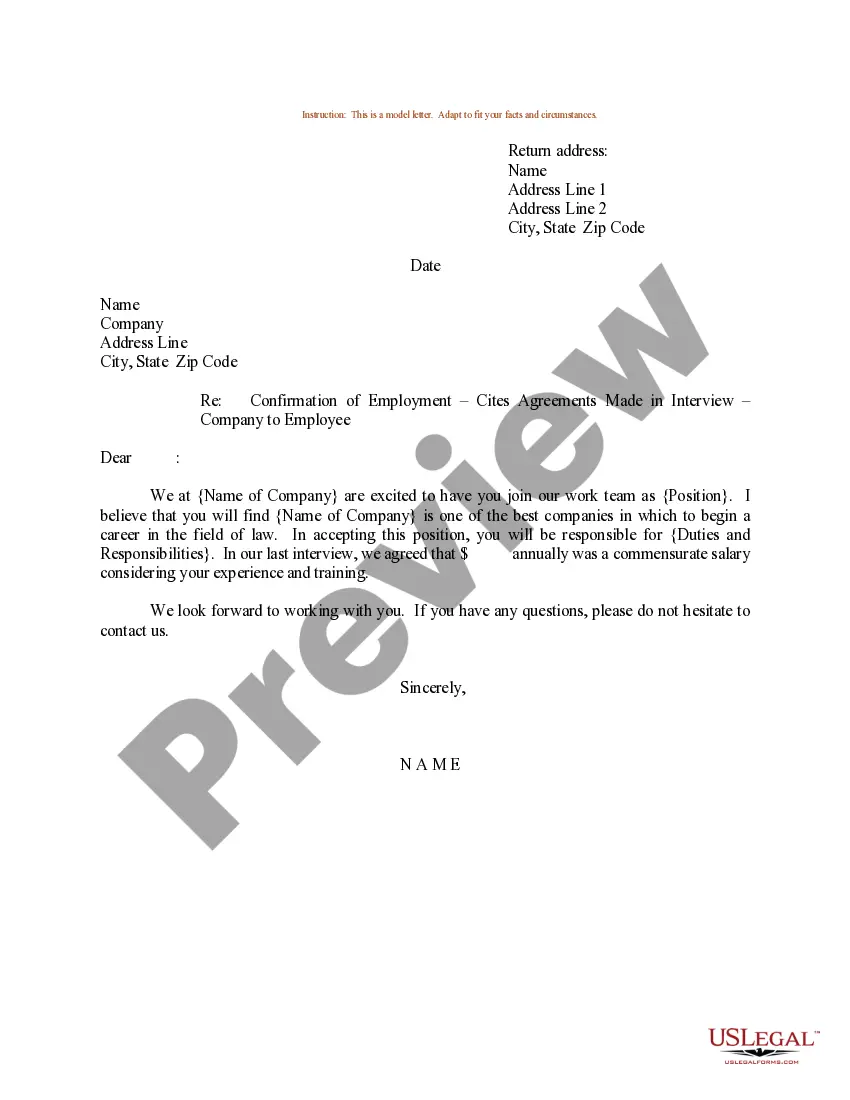
Get your form ready online
Our built-in tools help you complete, sign, share, and store your documents in one place.
Make edits, fill in missing information, and update formatting in US Legal Forms—just like you would in MS Word.
Download a copy, print it, send it by email, or mail it via USPS—whatever works best for your next step.
Sign and collect signatures with our SignNow integration. Send to multiple recipients, set reminders, and more. Go Premium to unlock E-Sign.
If this form requires notarization, complete it online through a secure video call—no need to meet a notary in person or wait for an appointment.
We protect your documents and personal data by following strict security and privacy standards.
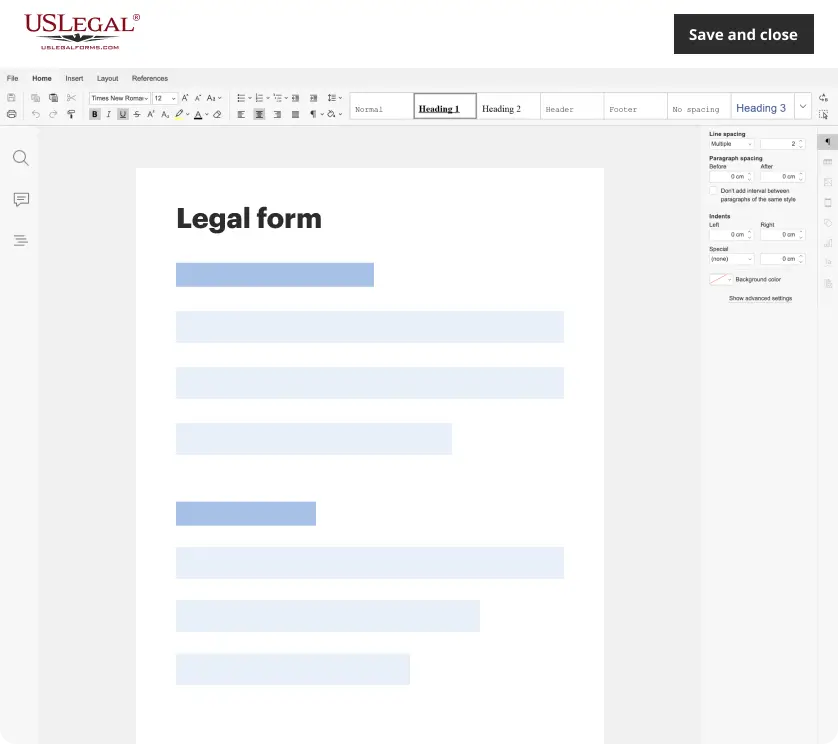
Make edits, fill in missing information, and update formatting in US Legal Forms—just like you would in MS Word.
Download a copy, print it, send it by email, or mail it via USPS—whatever works best for your next step.
Sign and collect signatures with our SignNow integration. Send to multiple recipients, set reminders, and more. Go Premium to unlock E-Sign.
If this form requires notarization, complete it online through a secure video call—no need to meet a notary in person or wait for an appointment.
We protect your documents and personal data by following strict security and privacy standards.
Looking for another form?
Form popularity
FAQ
If you haven't received an offer letter after two months, here are some steps you can take: Follow Up with the Employer: Reach out to the HR representative or the hiring manager via email or phone. Politely inquire about the status of your application and express your continued interest in the position.
An offer letter can be legally binding, depending on the issuing authority and the contents. This letter notifies you, the potential employee, that the company is ready to accept you into the fold.
Although not required in the U.S., providing a candidate a written job offer is considered a good practice. Following up a verbal offer with a written offer will not only set expectations for the new employee, but also clarify any matters that were discussed during the interview phase.
Nope. An offer letter just spells out what the terms of your employment will be. You could just as easily start a job without an offer letter - restaurants, hotels, retail stores and so on never bother with them.
Although not required in the U.S., providing a candidate a written job offer is considered a good practice. Following up a verbal offer with a written offer will not only set expectations for the new employee, but also clarify any matters that were discussed during the interview phase.
Dear Employee Name, We are thrilled to extend an offer of employment to you at Company Name for the position of Designation. Your performance during the interview process has impressed us, and we believe you will be a valuable addition to our team. Your Total Compensation (CTC) for the year will be Rs.
You don't have the job yet: Although delivering additional documents is usually just a formality, receiving a conditional job offer rarely equals signing an employment contract and getting the job. It's important that you take advantage of this time to apply to different jobs just in case.
Dear APPLICANT NAME: We are writing to make you a conditional offer of employment for the position of INSERT POSITION. Before this job offer becomes final, we will check your conviction history.
Start by addressing the letter to the appropriate recipient or organization. Clearly state the purpose of the letter, which is to provide conditional acceptance for a particular situation or circumstance. Include the specific conditions or requirements that need to be met in order for the acceptance to be finalized.
A job offer acceptance letter can be fairly brief, but needs to contain the following: An expression of your gratitude for the job offer and the opportunity. Written formal acceptance of the job offer. The terms and conditions (your salary, job title, and any other benefits) Clarification on your starting date.

