Offer Letter With Signature In Texas
Description
Get your form ready online
Our built-in tools help you complete, sign, share, and store your documents in one place.
Make edits, fill in missing information, and update formatting in US Legal Forms—just like you would in MS Word.
Download a copy, print it, send it by email, or mail it via USPS—whatever works best for your next step.
Sign and collect signatures with our SignNow integration. Send to multiple recipients, set reminders, and more. Go Premium to unlock E-Sign.
If this form requires notarization, complete it online through a secure video call—no need to meet a notary in person or wait for an appointment.
We protect your documents and personal data by following strict security and privacy standards.

Make edits, fill in missing information, and update formatting in US Legal Forms—just like you would in MS Word.

Download a copy, print it, send it by email, or mail it via USPS—whatever works best for your next step.

Sign and collect signatures with our SignNow integration. Send to multiple recipients, set reminders, and more. Go Premium to unlock E-Sign.

If this form requires notarization, complete it online through a secure video call—no need to meet a notary in person or wait for an appointment.

We protect your documents and personal data by following strict security and privacy standards.
Looking for another form?

Form popularity
FAQ
Some important details about an offer letter are: It is NOT a legally binding contract. It does NOT include promises of future employment or wages. It includes an employment “at-will” statement.
It doesn't currently work like that under Texas law. So typically, the promises in the offer letter are only enforceable if you've already performed what is required.
Unless you're signing a contract of employment or are being given some kind of sign on bonus that needs to be repaid, there is nothing to stop you from accepting a job offer and then backing out.
While offer letters are typically not legally binding contracts, they do carry significant weight in terms of professional ethics and personal reputation.
While a signed offer letter is a formal part of the hiring process, it is not a legally binding contract in the same way that an employment contract is.
Understanding the legal status of offer letters is essential for both employers and employees. Contrary to common belief, an offer letter is not a legally binding employment contract but rather a formal job offer. Its purpose is to outline the terms of employment, but it does not guarantee employment for a fixed term.
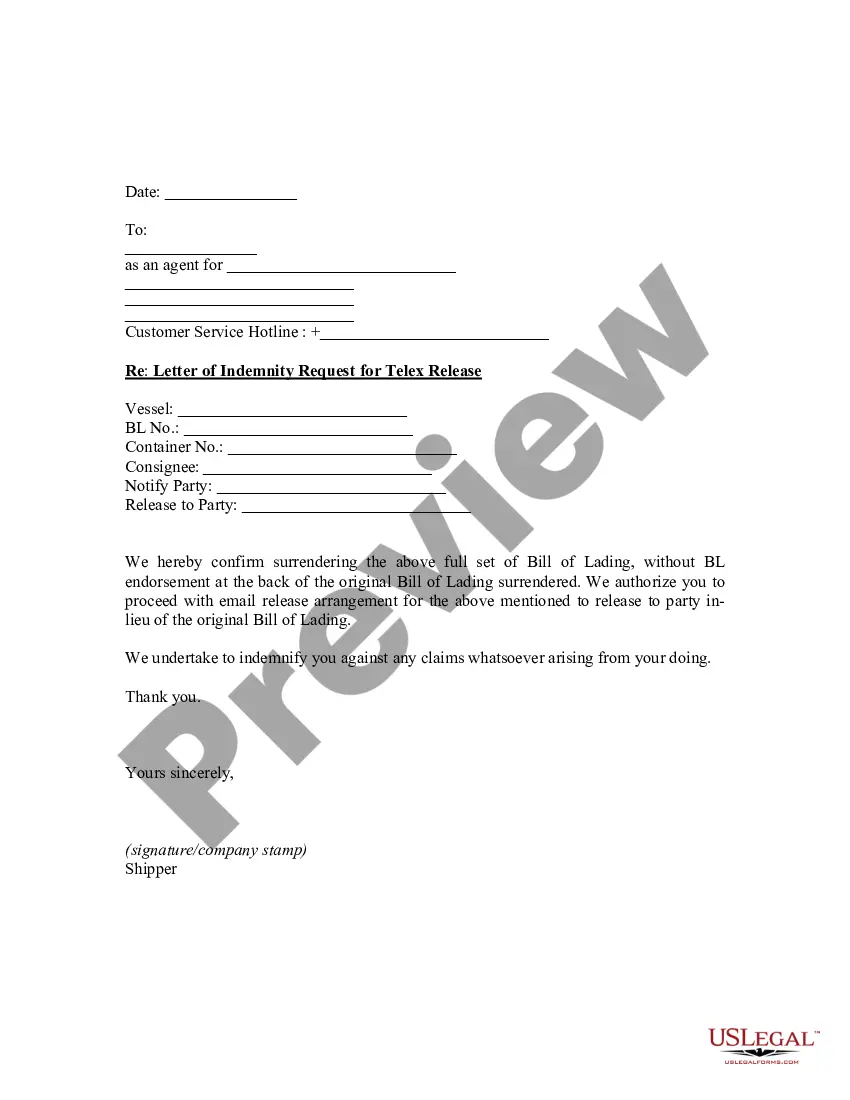
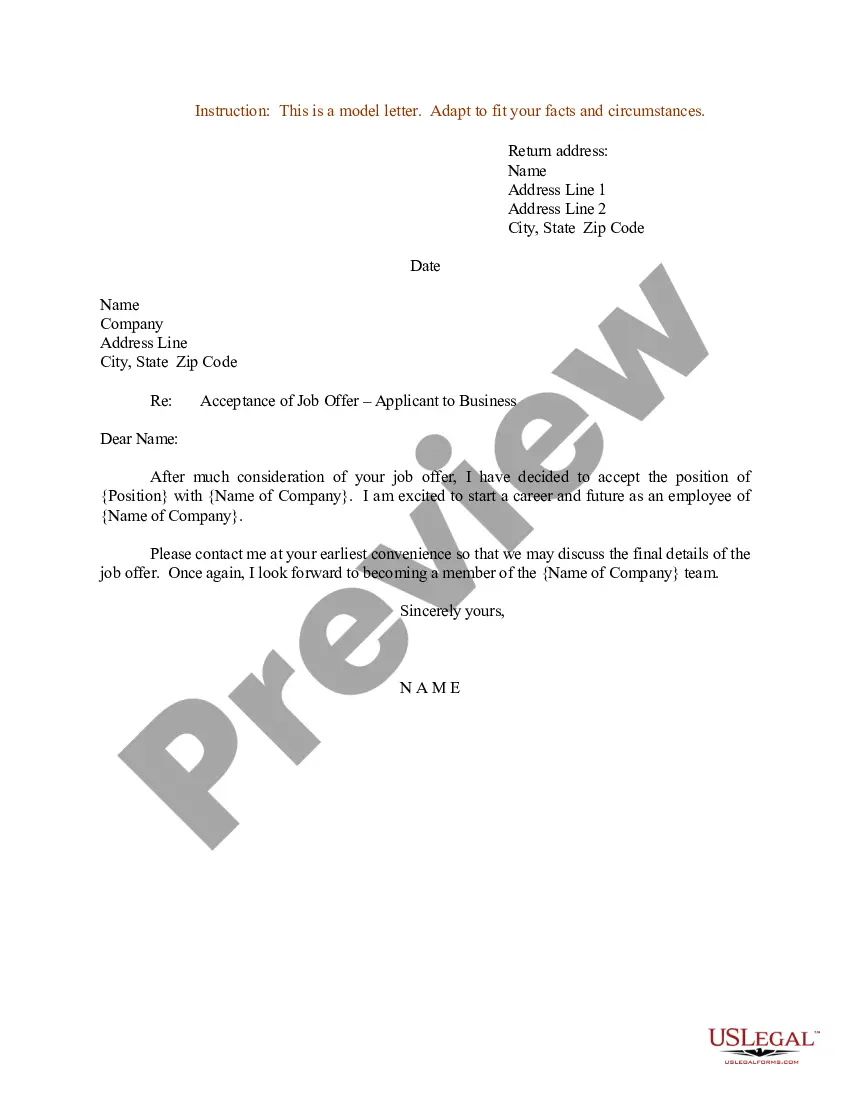
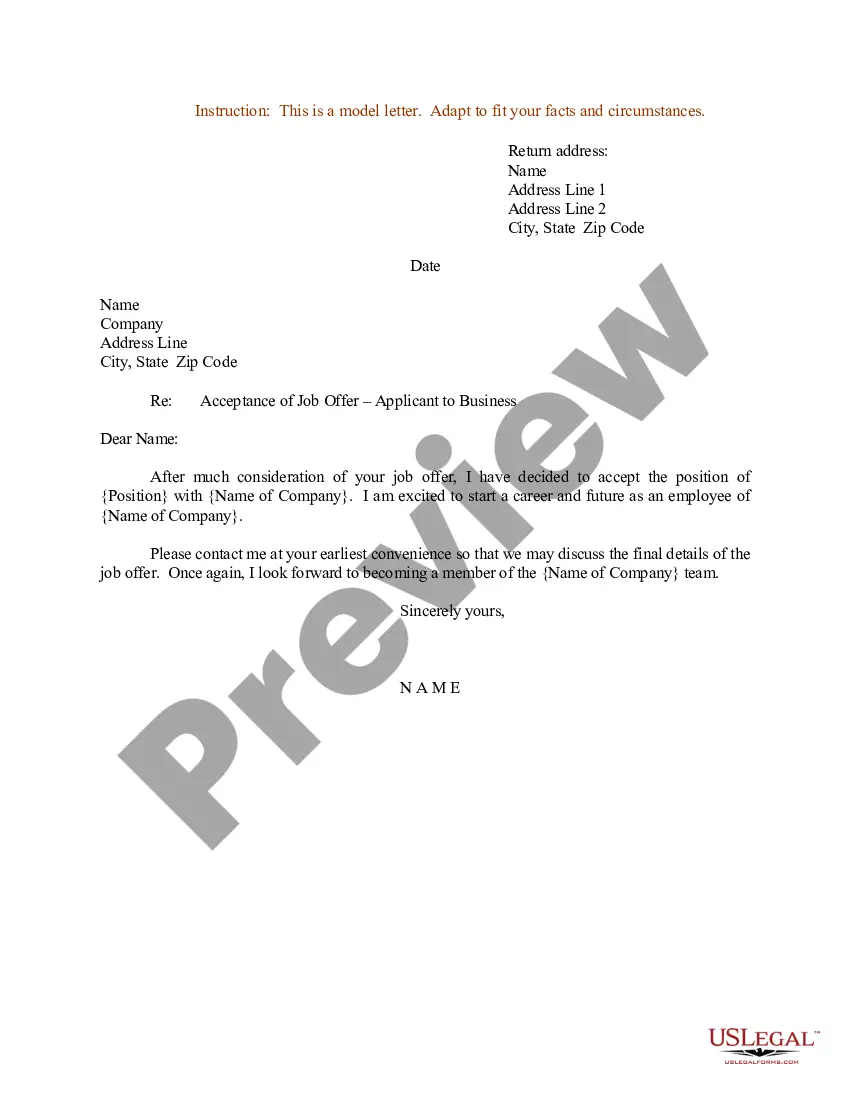
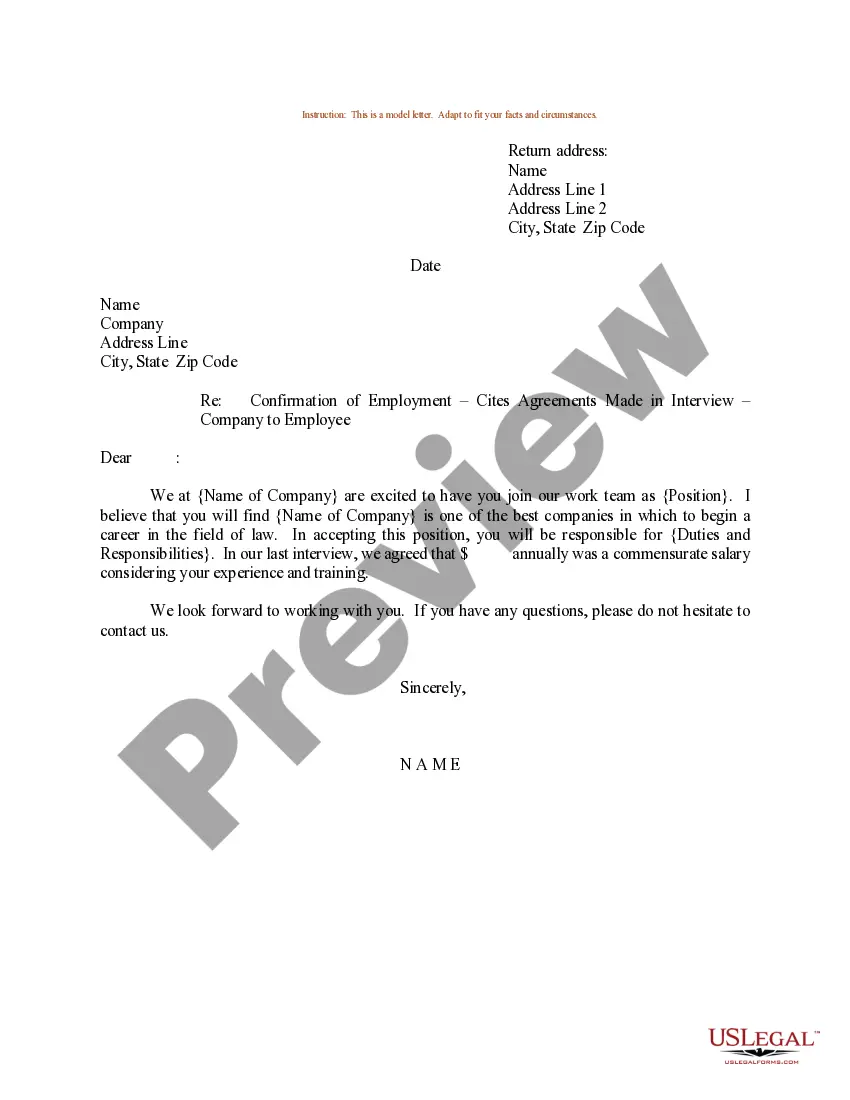
After the employee receives the offer letter, they should sign their signature indicating that they agree with the terms and formally accept the position. Most offer letters are also reviewed and signed by the hiring manager or a senior member of the company.
A written offer can also be an important piece of documentation in the event the new hire wants to negotiate salary or benefits. A candidate's signature on the final offer confirms he or she has accepted the position and its terms.
Choose appropriate salutations. For formal offer letters, you may want to use a salutation like "Dear" and a title indicator like "Mr.," "Mrs.," "Ms." or "Dr." In informal acceptance letters, you may simply opt to use the candidate's first and last name. Either is fine.

