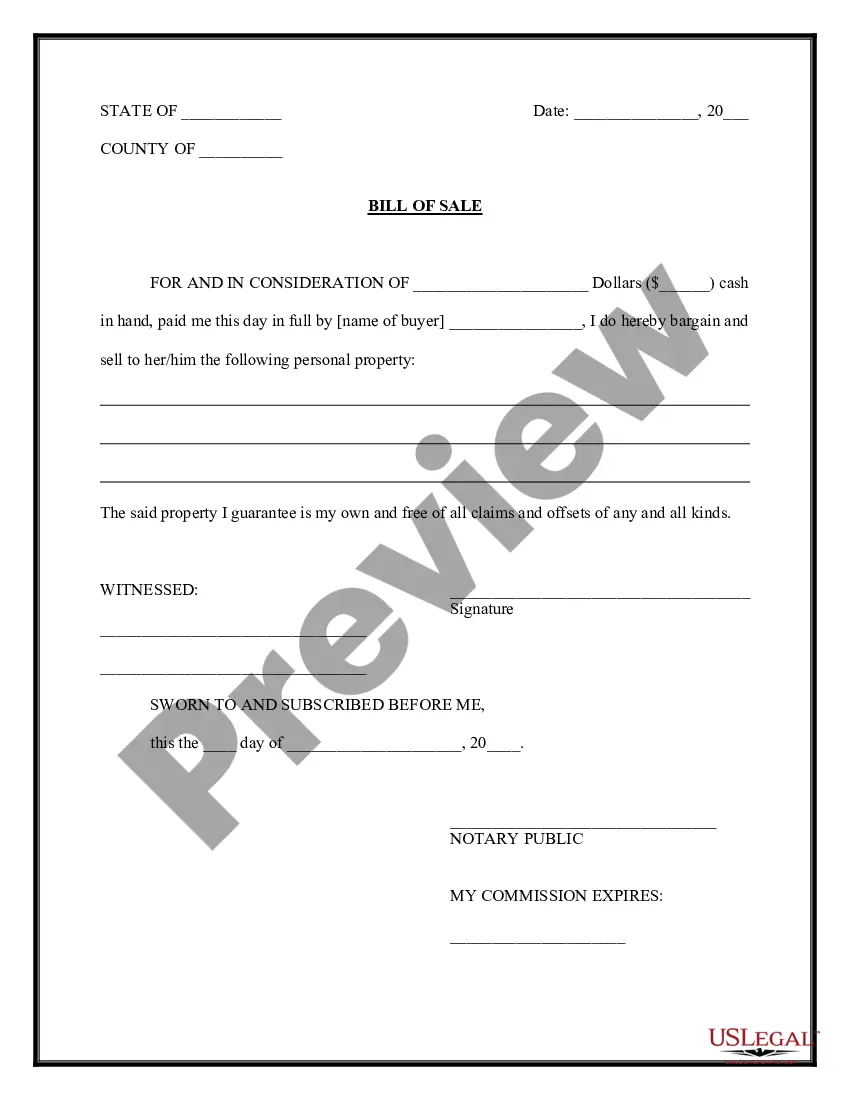
Minutes Writing In Swahili In Bronx
Description

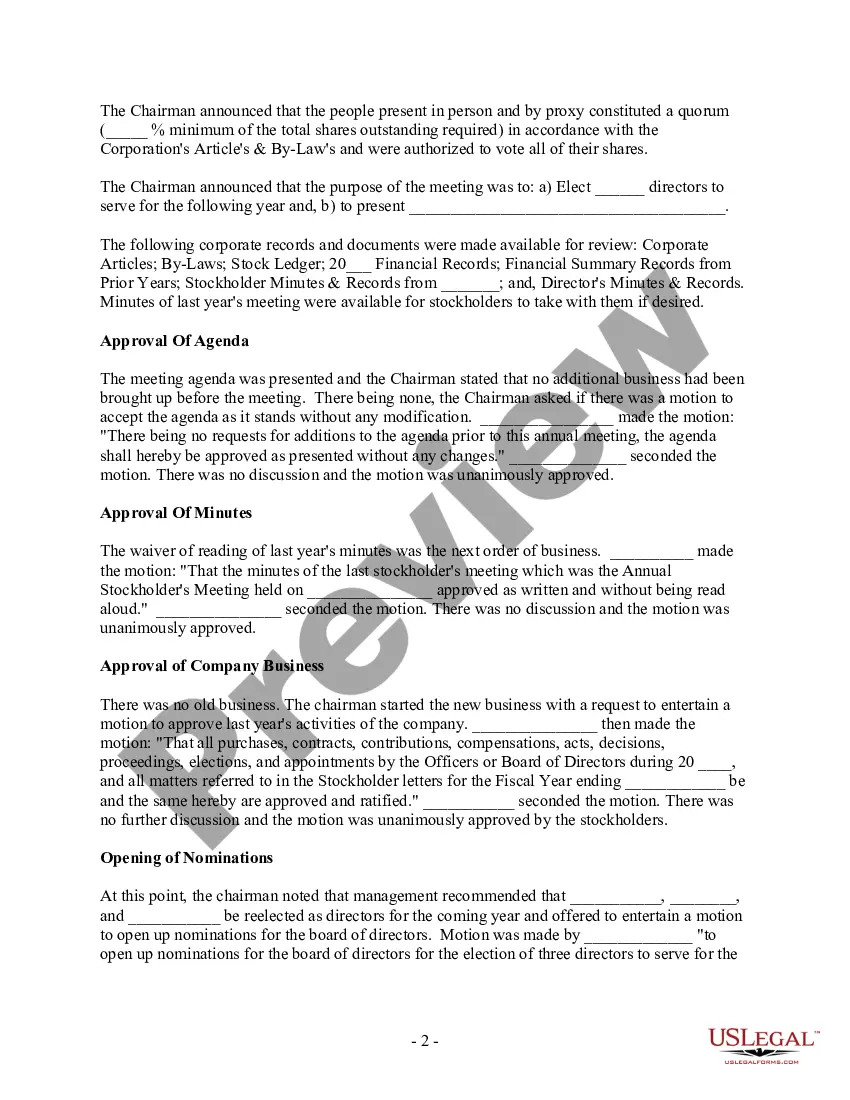
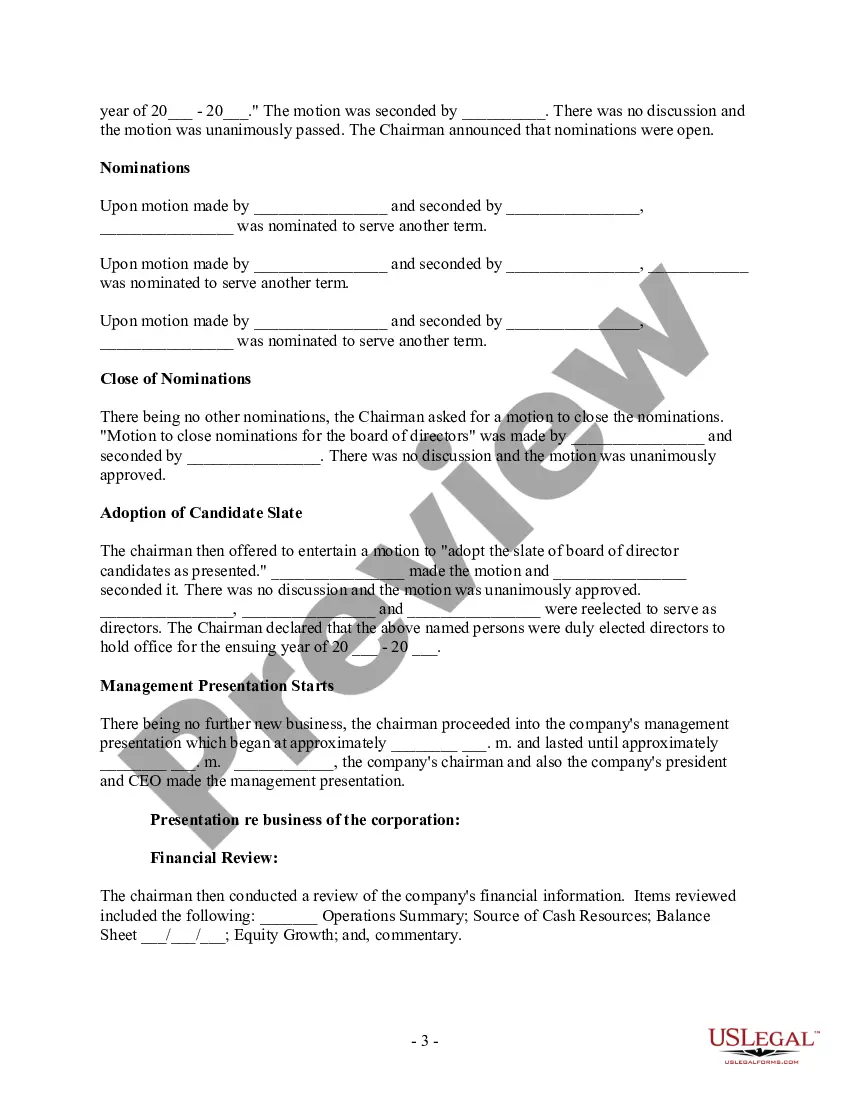
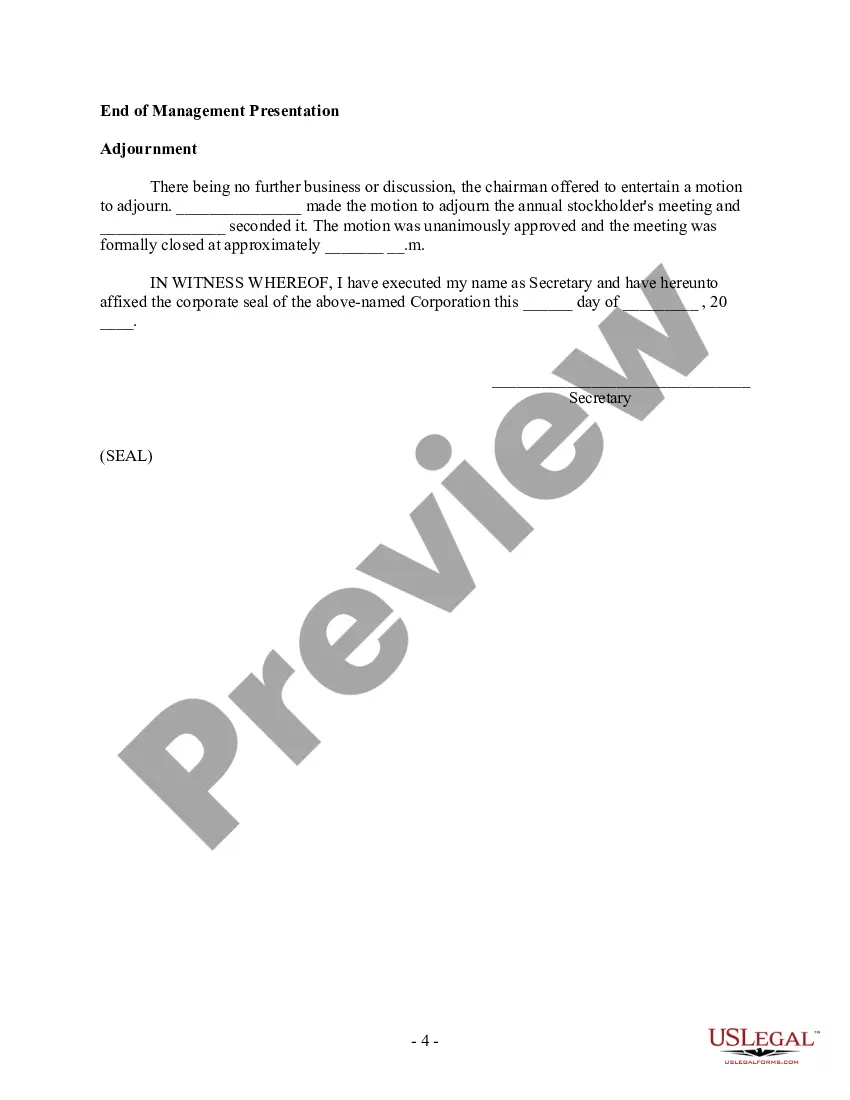

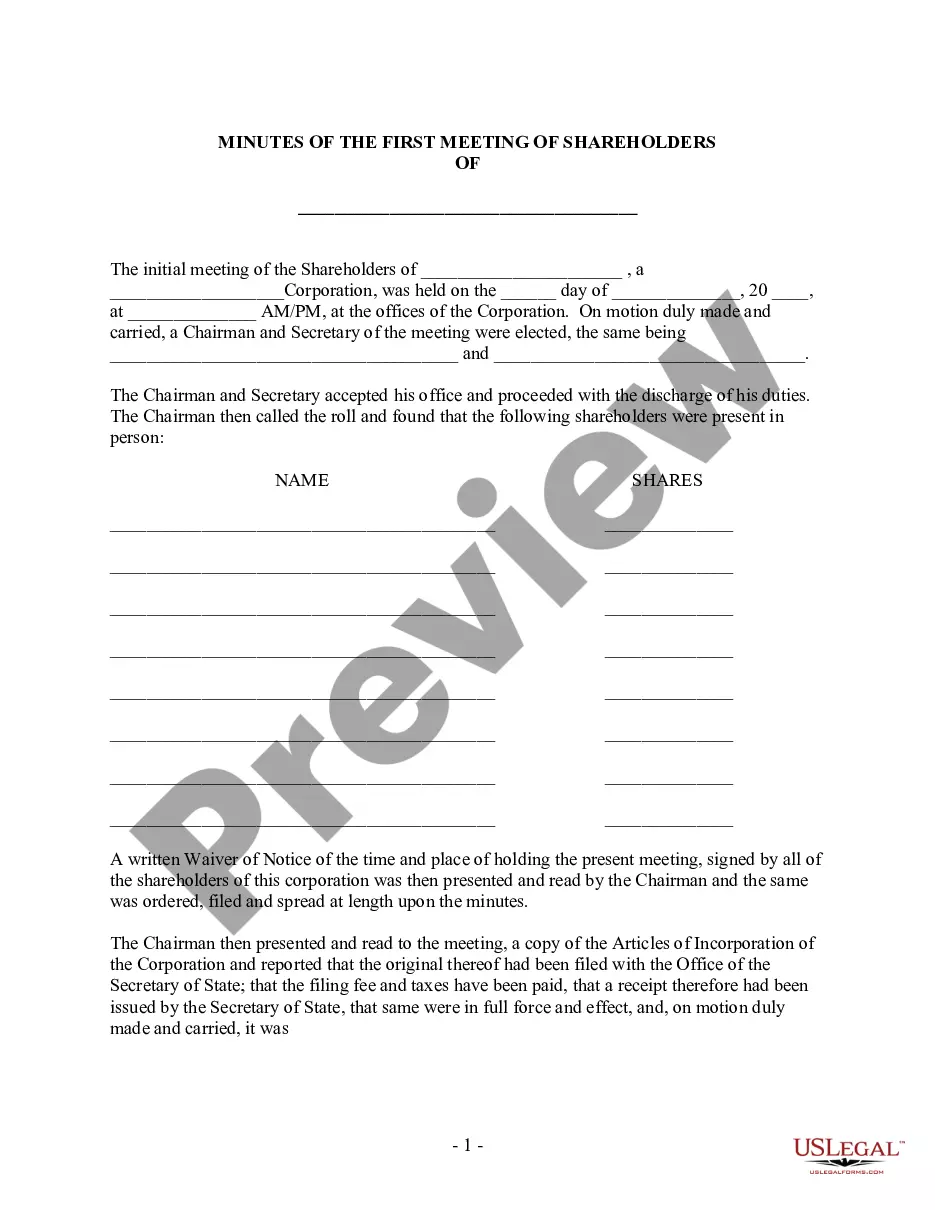

Get your form ready online
Our built-in tools help you complete, sign, share, and store your documents in one place.
Make edits, fill in missing information, and update formatting in US Legal Forms—just like you would in MS Word.
Download a copy, print it, send it by email, or mail it via USPS—whatever works best for your next step.
Sign and collect signatures with our SignNow integration. Send to multiple recipients, set reminders, and more. Go Premium to unlock E-Sign.
If this form requires notarization, complete it online through a secure video call—no need to meet a notary in person or wait for an appointment.
We protect your documents and personal data by following strict security and privacy standards.
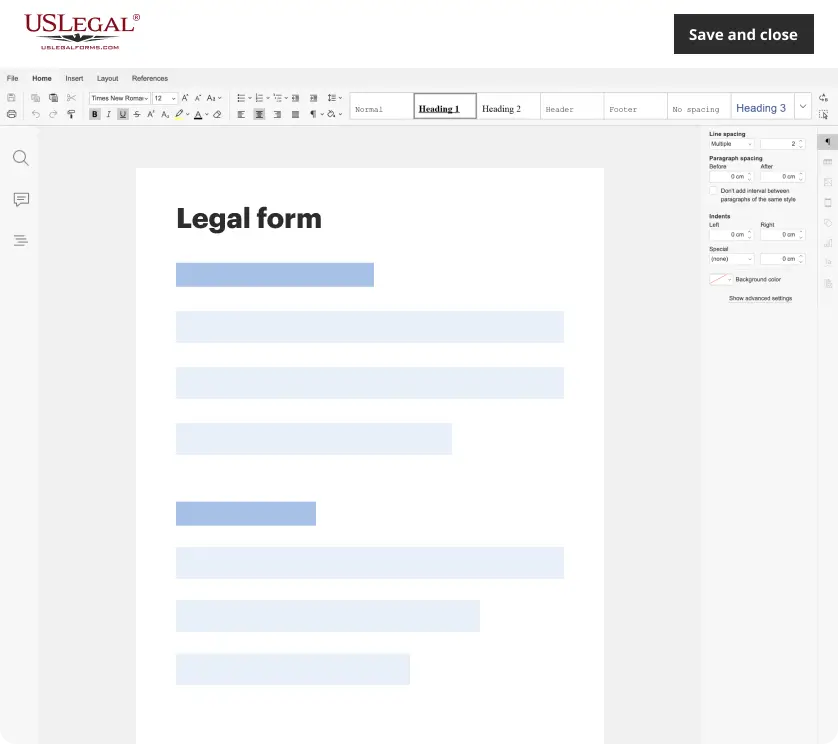
Make edits, fill in missing information, and update formatting in US Legal Forms—just like you would in MS Word.
Download a copy, print it, send it by email, or mail it via USPS—whatever works best for your next step.
Sign and collect signatures with our SignNow integration. Send to multiple recipients, set reminders, and more. Go Premium to unlock E-Sign.
If this form requires notarization, complete it online through a secure video call—no need to meet a notary in person or wait for an appointment.
We protect your documents and personal data by following strict security and privacy standards.
Looking for another form?

Form popularity
FAQ
Whatever your language background is, Swahili is fairly easy to learn. This is because the alphabet is largely similar to the English alphabet, making word recognition simpler.
Although originally written with the Arabic script, Swahili is now written in a Latin alphabet introduced by Christian missionaries and colonial administrators.
Also, Swahili is taught in many institutions in the U.S., Europe and Asia. It is estimated that about 100 universities in the U.S. offer Swahili courses.
New York (state) New York • Spoken language English 69.6% Spanish 15.2% Chinese 3.1% Tagalog 2.5% French 1.6% Russian 1.2% Italian 0.9% Yiddish 0.7% Hindi/Urdu 0.6% Arabic 0.5% Korean 0.5% Time zone UTC− (EST) • Summer (DST) UTC− (EDT) USPS abbreviation NY47 more rows
Utendi wa Tambuka, History of Tambuka which is in Swahili, but written in the Arabic script. Due to the influence of European colonial rule, Latin script (the same script used in English and other European languages) is now used for writing Swahili.
Language. The Swahili language is the native tongue, and it is a member of the Bantu subgroup of the Niger-Congo family. Its closest relatives include Comorian spoken on the Comoros Islands and the Mijikenda language of the Mijikenda people in Kenya.