Stockholder Meeting With Example In Clark
Description



Form popularity
FAQ
AGMs must be held within six months of the end of the financial year, with no more than 15 months allowed between two AGMs. All companies are required to hold AGMs except for one-person companies (OPCs). The legal requirements for AGMs are primarily outlined in Section 96 of the Companies Act, 2013.
Key Takeaways. An annual general meeting (AGM) is the yearly gathering of a company's interested shareholders. At an annual general meeting (AGM), directors of the company present the company's financial performance and shareholders vote on the issues at hand.
Directors who do not ensure the approval of the annual accounts by the AGM face several sanctions: No Discharge: Without the approval of the accounts, directors cannot seek discharge for the past financial year.
General meetings are formal meetings of a company's shareholders or guarantors (aka its members). These meetings are optional for private companies but compulsory for public companies.
Notification of the meeting's date and time will include a copy of the meeting's agenda, which is often centered around the election of members to the board of directors, approval of an accounting firm to review the company's financial records, and an opportunity to vote on any proposals that are put before the board, ...
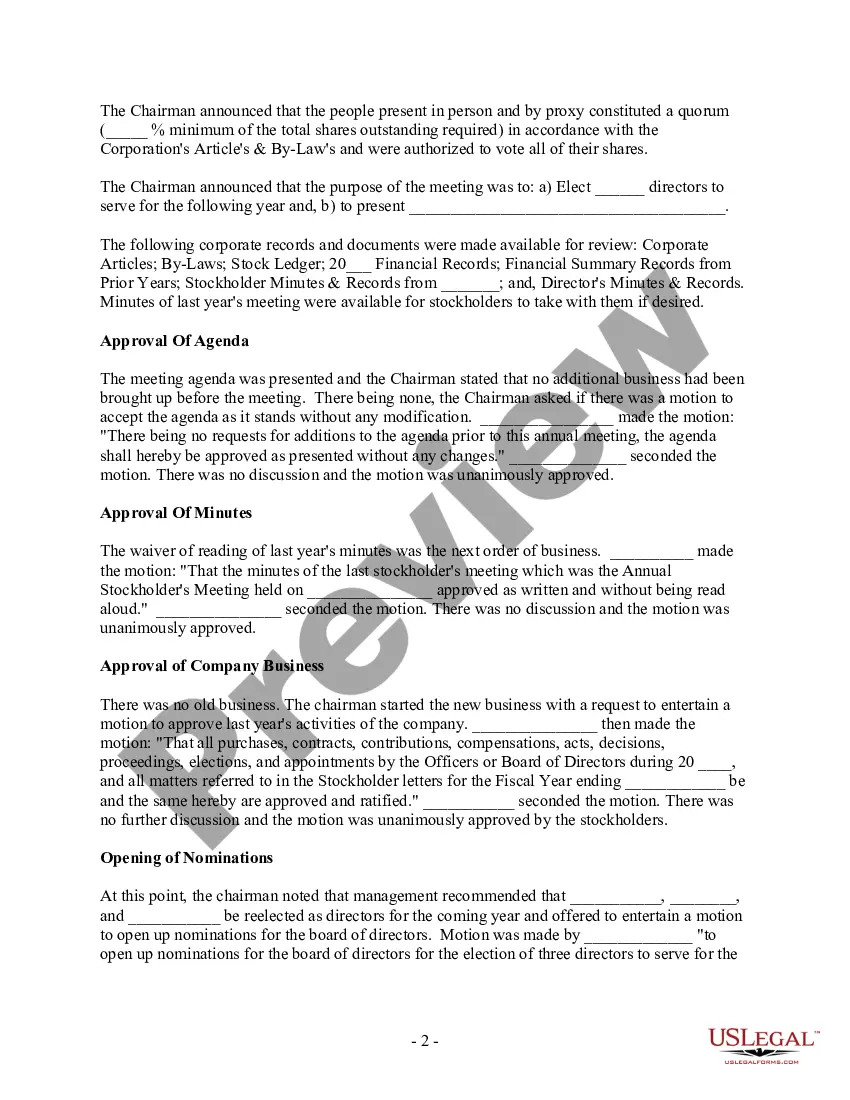
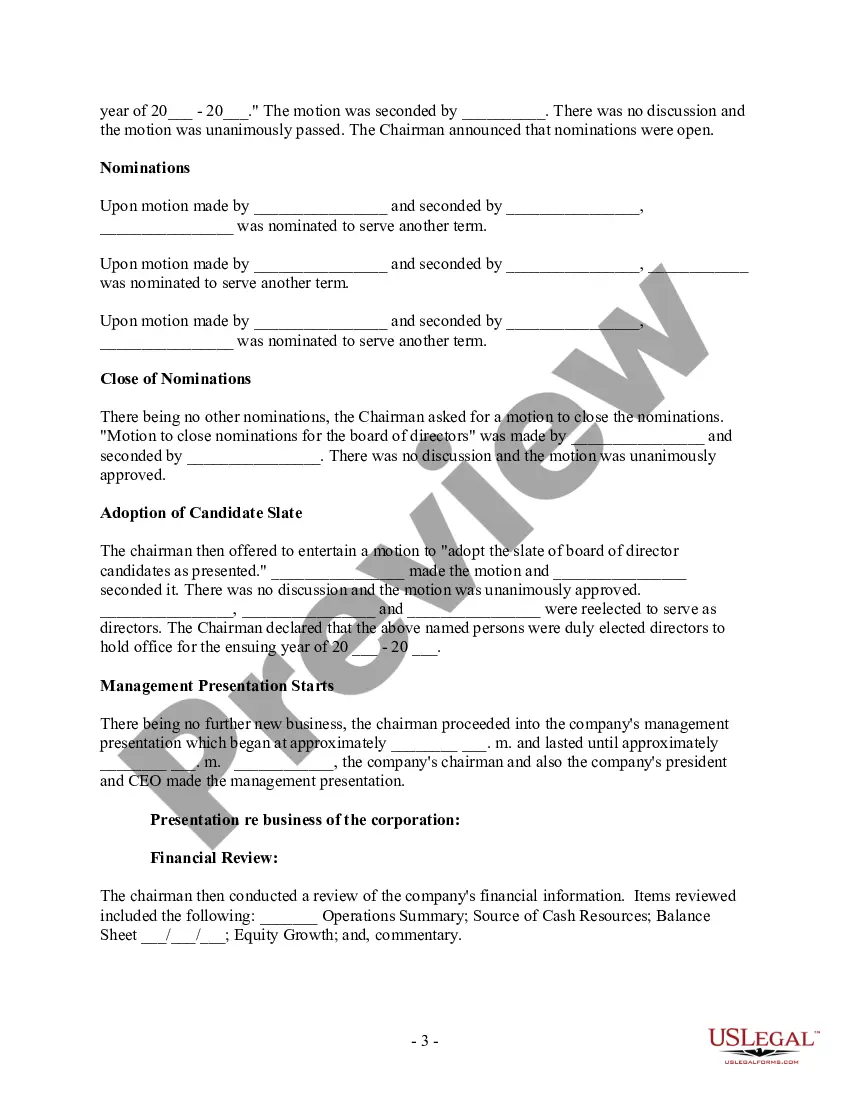
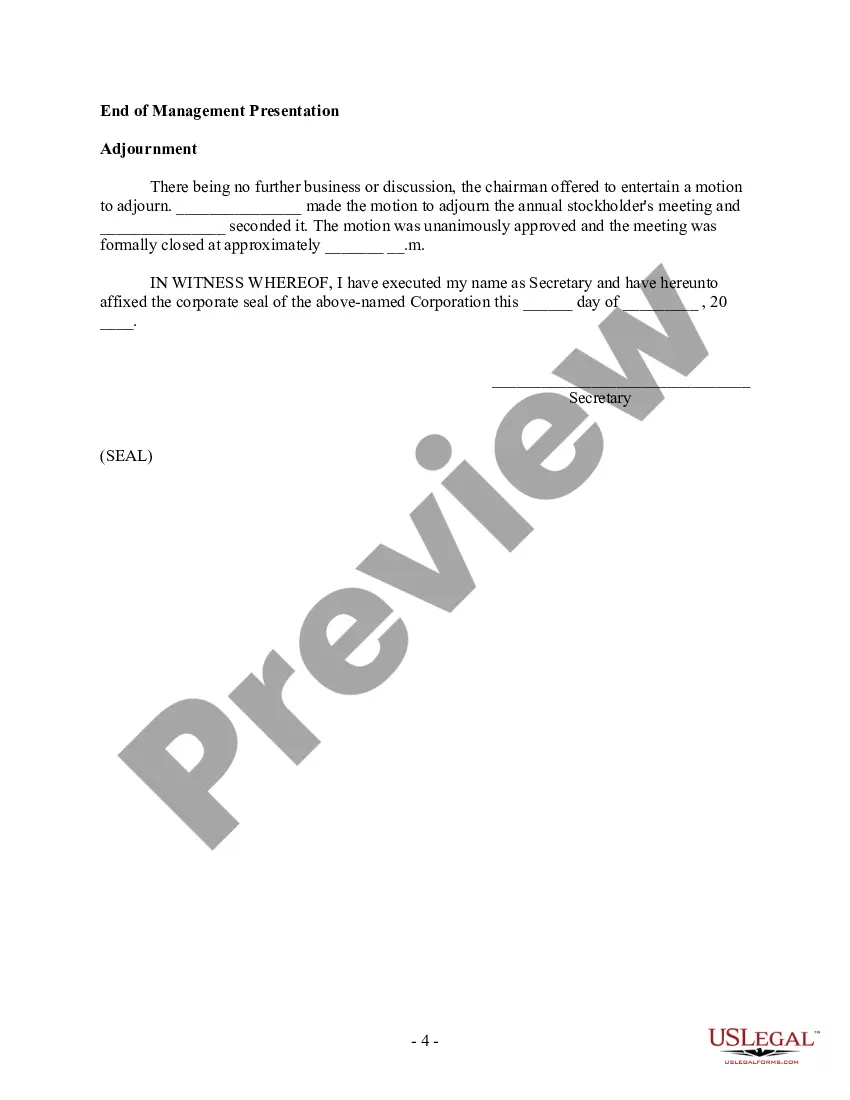
Annual General Meeting (AGM) During these meetings, corporate board members present annual financial reports and accounts to be ratified by shareholders. Shareholders can also question board decisions and vote on the appointment, election, or removal of company directors.
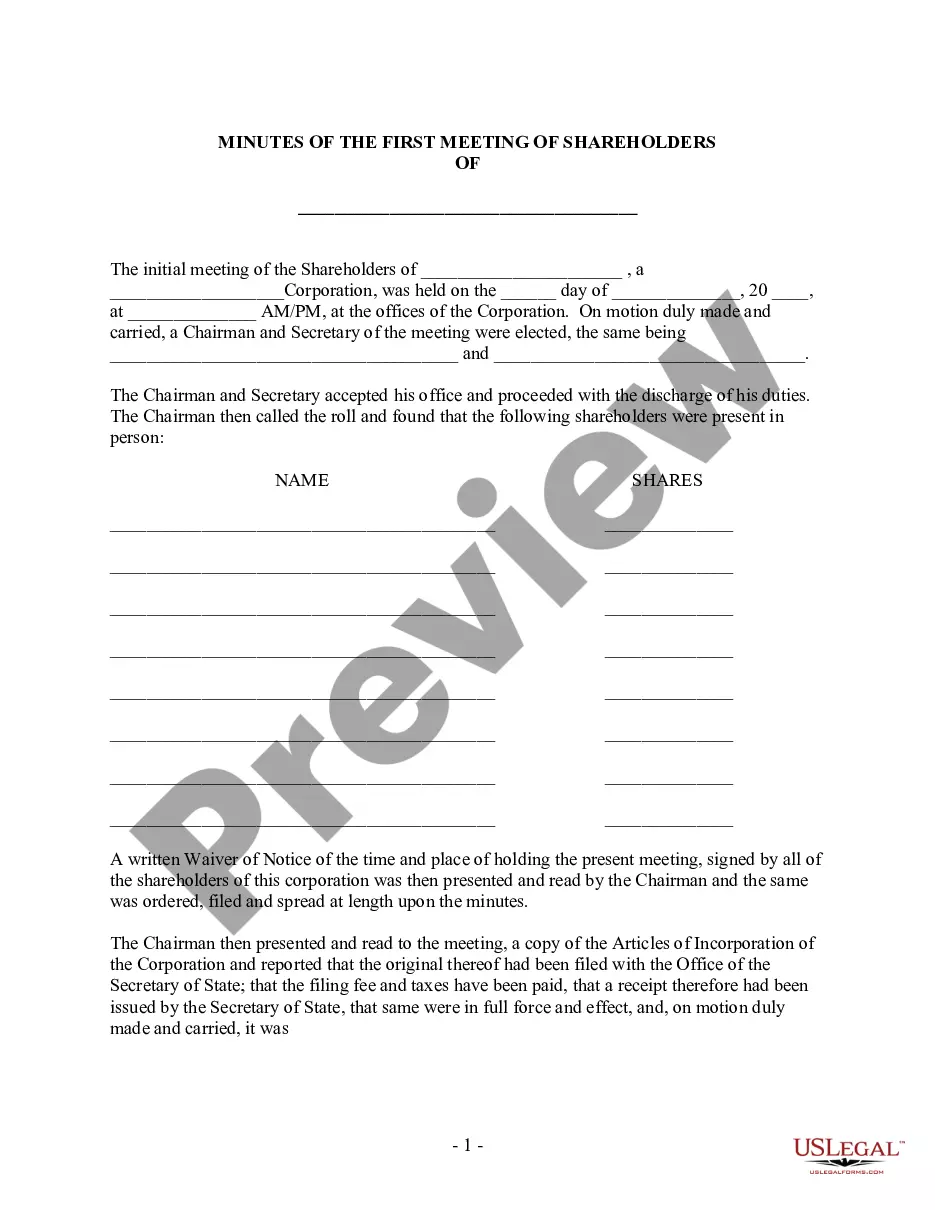
The shareholder's meeting has very important duties such as approving the financial statements or electing the board of directors. Substantially, the shareholders' meeting represents the requests of the owner, in other words, of the shareholders of the company.
At an AGM, many companies open the floor to questions. This may include a question-and-answer section immediately following the CEO and COO reports. This is a time when shareholders can get answers from members of the board to alleviate any concerns they may have.
Special meetings of the shareholders may be called for any purpose or purposes, at any time, by the Chief Executive Officer; by the Chief Financial Officer; by the Board or any two or more members thereof; or by one or more shareholders holding not less than 10% of the voting power of all shares of the corporation ...
In general, companies require a letter or similar notification from investors having a sufficient number of shares, demanding a special meeting and stating the purpose for that meeting. The company can then set the date for the meeting, typically within a 30 to 90 day time period after receipt of the demand.
